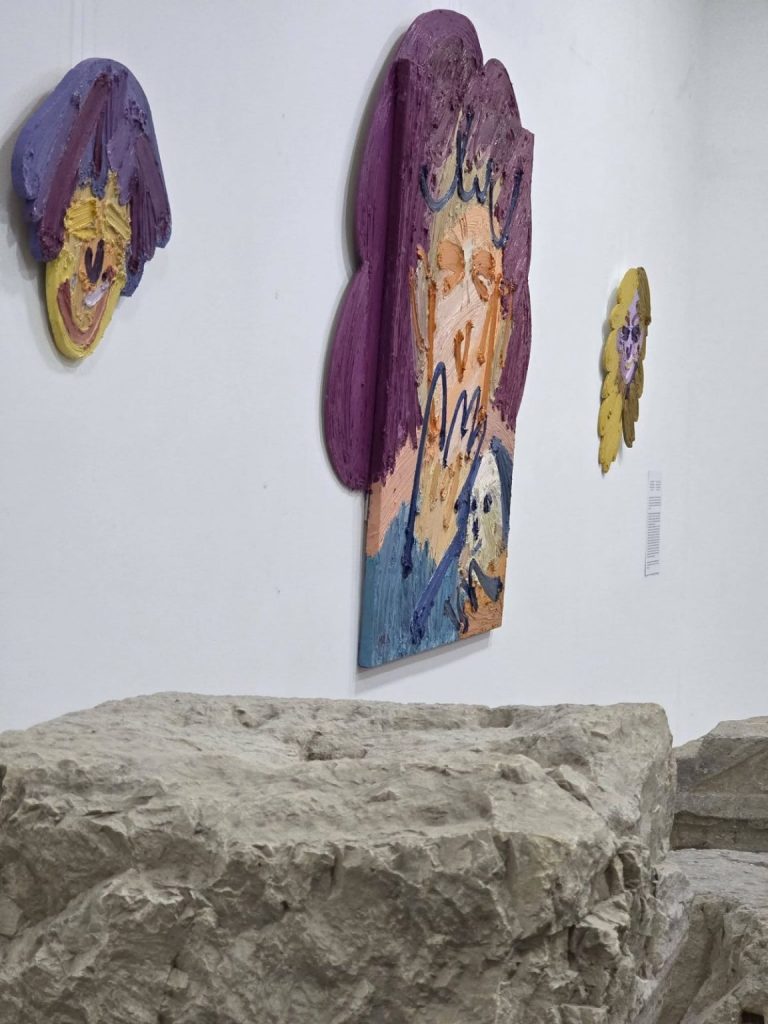
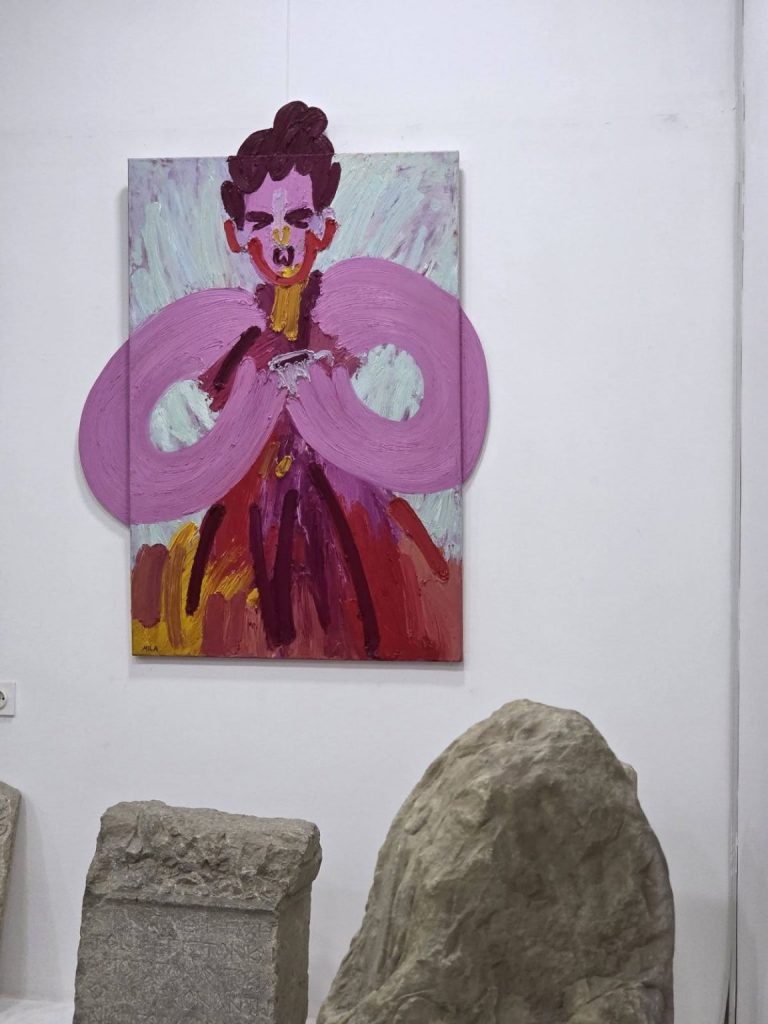
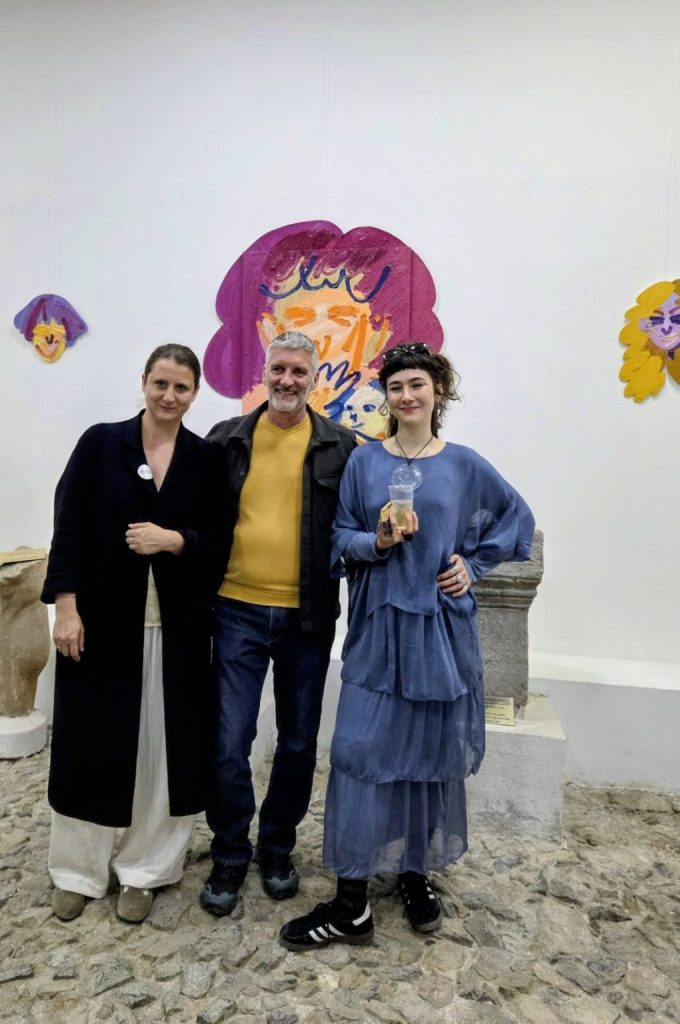
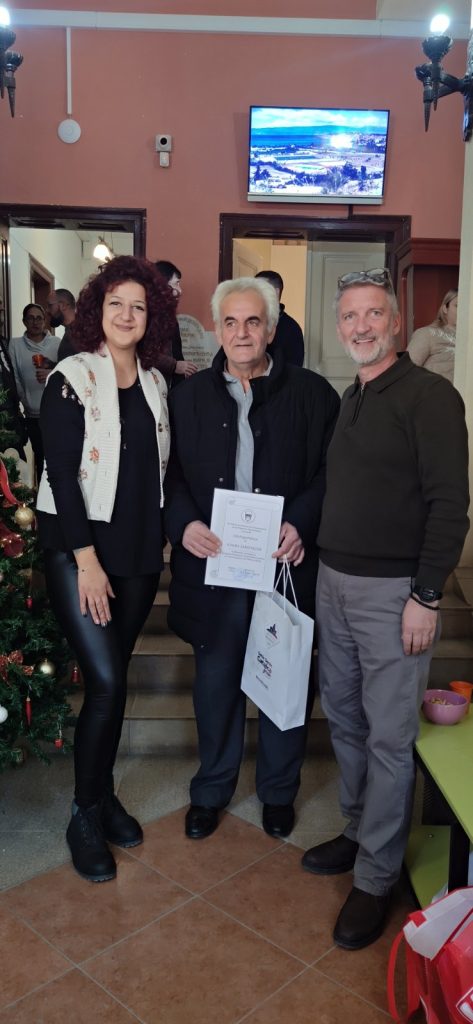
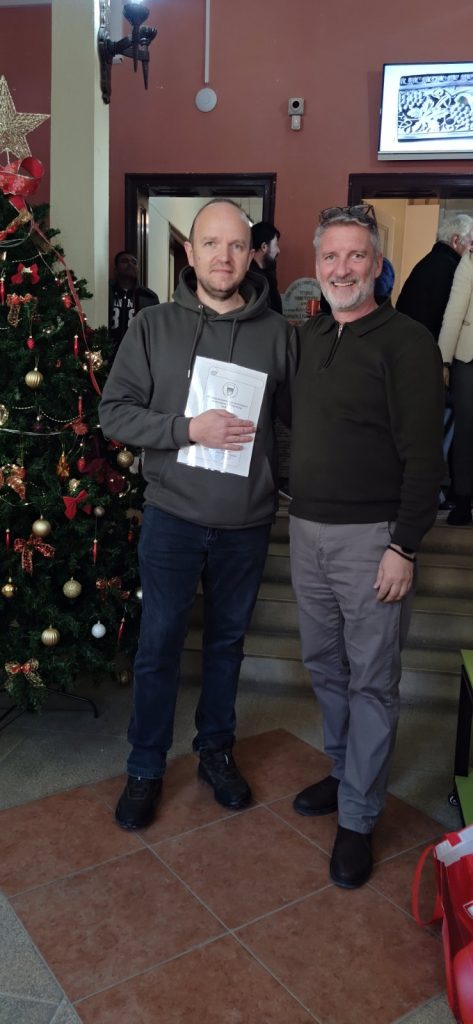
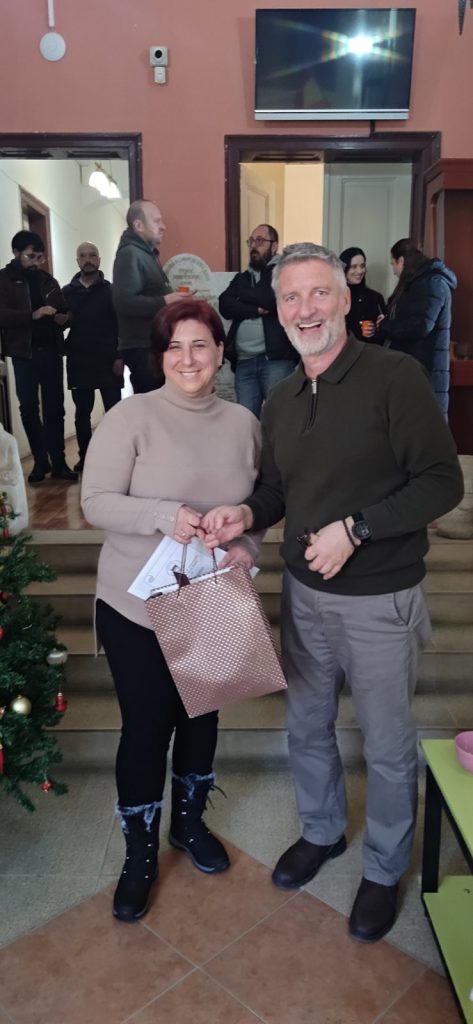
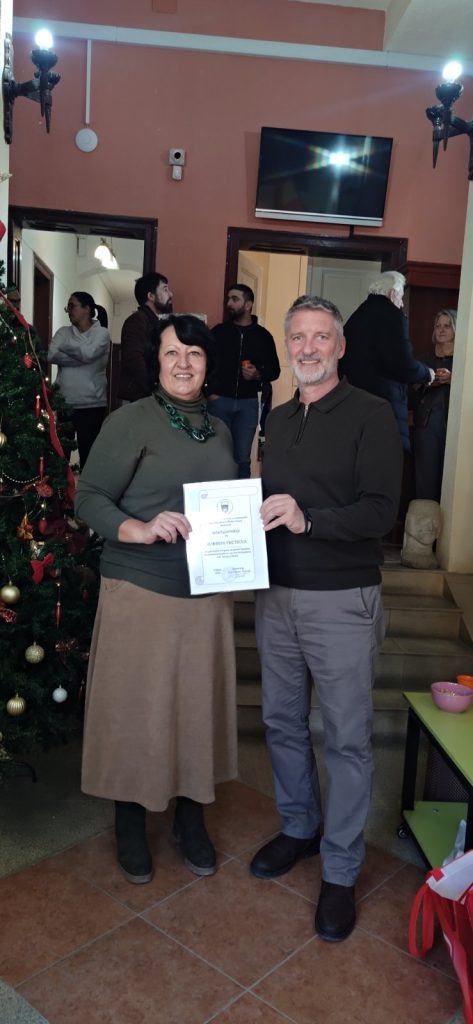
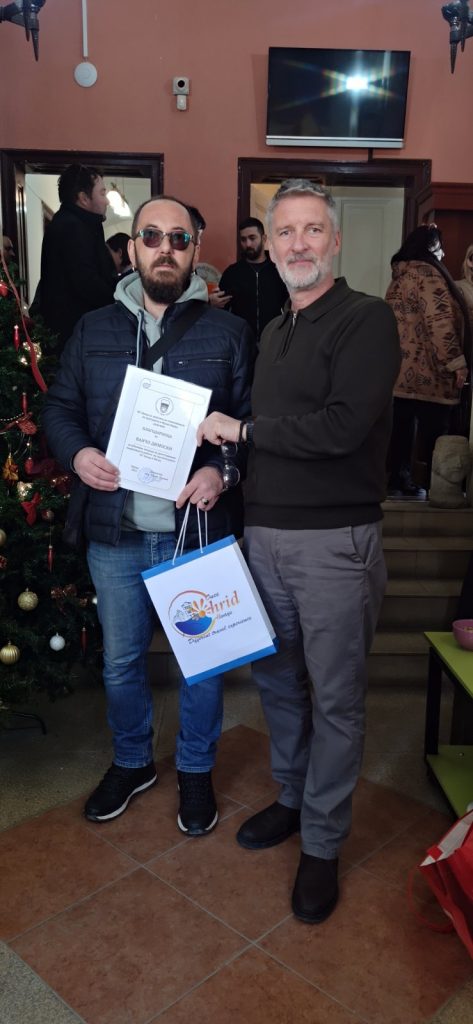
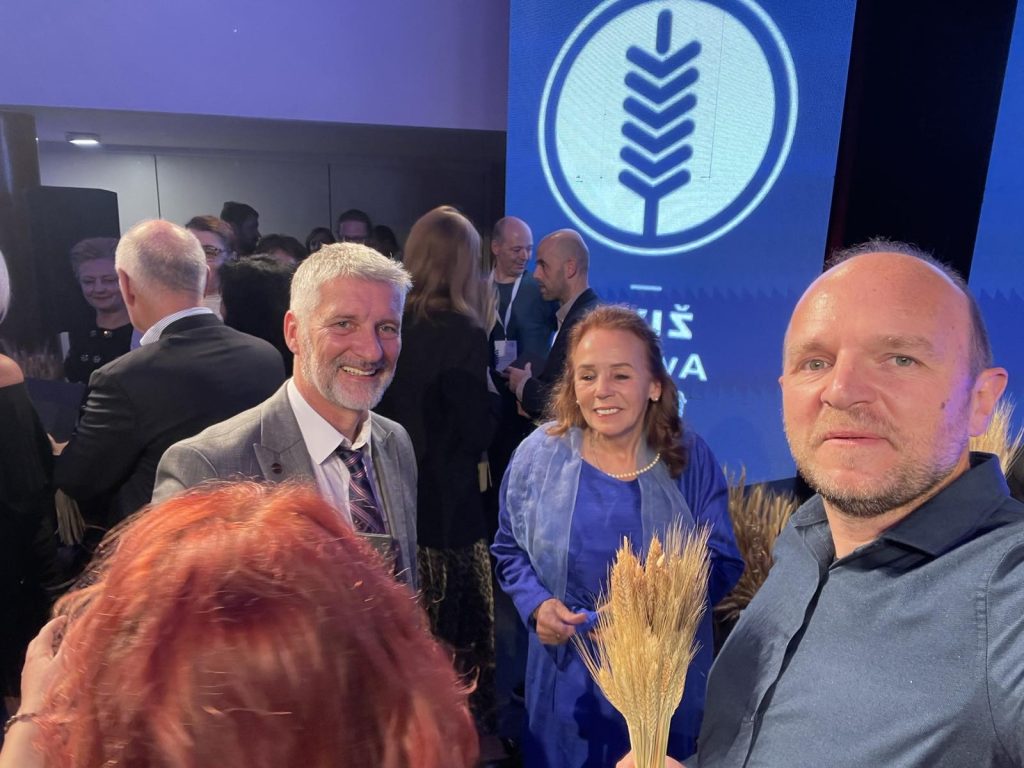
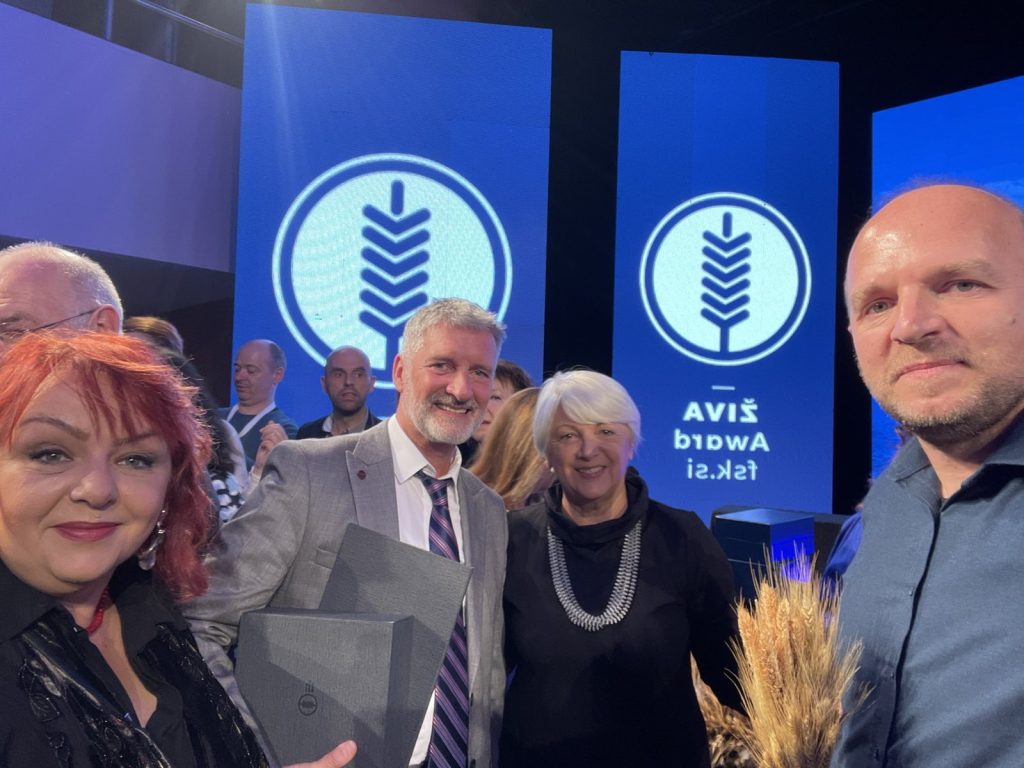
Between 8 and 11 October 2025, the Forum of Slavic Cultures (FSK) celebrated the 11th edition of the Živa Award with an international conference and the announcement of the winners in Trebinje, Bosnia and Herzegovina.
The Živa Award for the Best Slavic Museum, named after the Slavic goddess Živa who symbolises life, vitality and fertility, was established in 2014 by the FSK International Foundation. It was the initiative of FSK’s director, Dr Andreja Rihter, who is also the leader of the Živa Award project. Since then, the Živa Awards for the Best Slavic Museum and the Best Slavic Heritage Site (introduced in 2018) have become a unique transnational cultural platform dedicated to promoting the protection, preservation, education, communication and social role of Slavic museums and heritage sites. Today, the network has grown into a significant Slavic community comprising almost 250 museums and heritage sites across 13 Slavic countries.
The 2025 Živa Award event in Trebinje was held under the auspices of Nikola Selaković, Minister of Culture of the Republic of Serbia and President of the FSK Board, who contributed a special monetary prize for the Best Slavic Heritage Site winner.
The Živa Award and conference were hosted by the Municipality of Trebinje, represented by Mayor Mirko Ćurić, who provided substantial support alongside the director of the Museum of Herzegovina in Trebinje, Ivana Grujić, and several other organisers, including Sarita Vujković, director of the renowned Museum of Contemporary Art in Banja Luka and a member of the Živa Award Jury.
The fact that over 140 participants from 10 Slavic countries and 3 others took part in this event points to the vitality of the heritage community as well as the Živa Award’s growing reputation in Europe and beyond.
A special highlight of this year’s Živa edition was the introduction of the new Živa Award for Best in Preserving Slavic Heritage Worldwide. This new award broadens the Živa Award’s mission beyond the borders of the Slavic countries represented by the FSK. It recognises initiatives that preserve Slavic cultural heritage and identity worldwide. Even in its first year, four museums from Italy, Hungary, and the USA competed for this new award.
Other highlights included this year’s conference, Echoes of Heritage and the Future of Museums, which featured keynote lectures from distinguished experts Alessio Mazzolotti (Italy), Sandro Debono (Malta) and Roberto Zancan (Italy/Switzerland), as well as presentations by the 32 nominated museums. These presentations showcased the vital roles these museums play in bringing cultural heritage to life. They have become living, inclusive spaces of memory, dialogue and creativity. They are advocates of remembering the past in order to shape the future, time travellers who use technology, visual interpretation and storytelling to bring history to life, chroniclers who engage communities and record our present, and visionaries who embrace innovation and identify new trends to build a more resilient and responsible future. The museums have also demonstrated an awareness of the challenges and responsibilities ahead, including digital transformation, virtual exhibitions, 3D scanning, artificial intelligence, sustainability and environmental care.
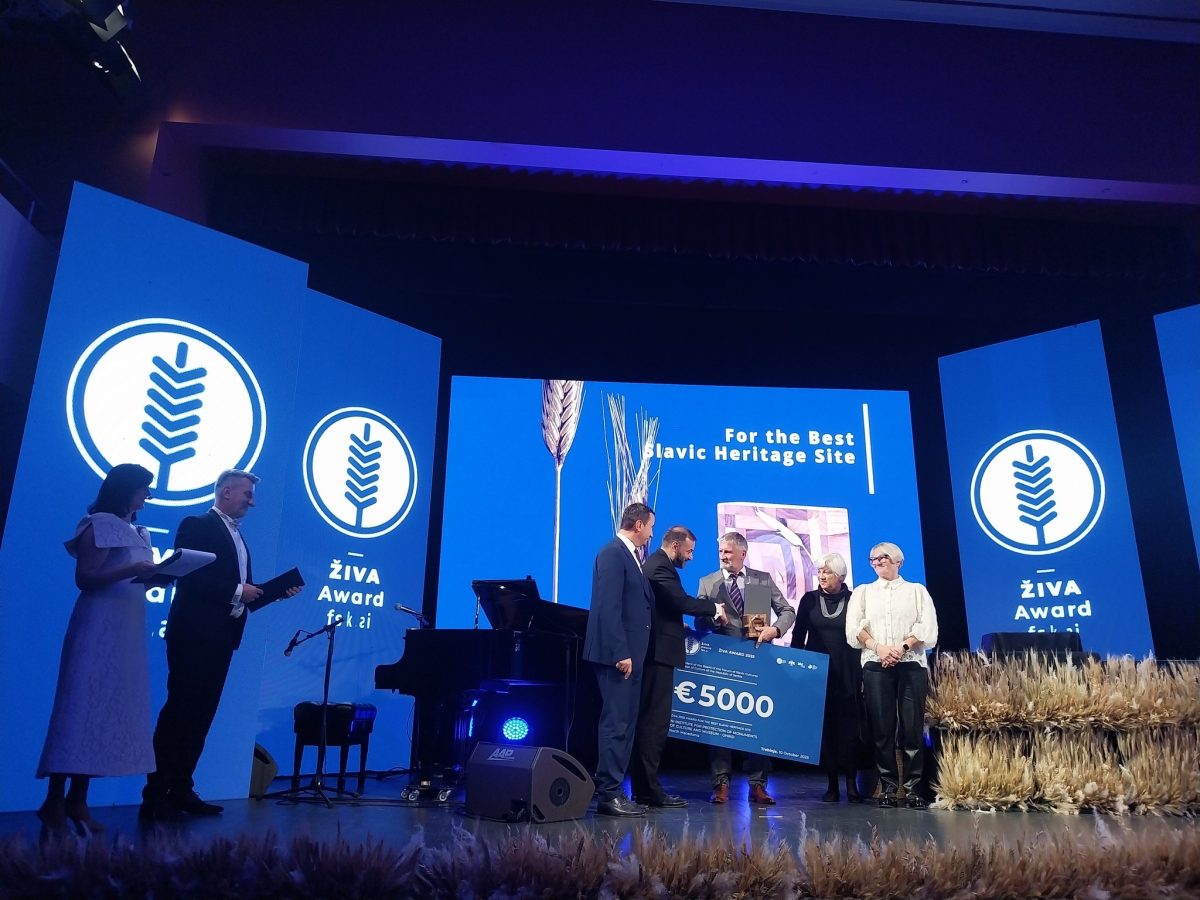
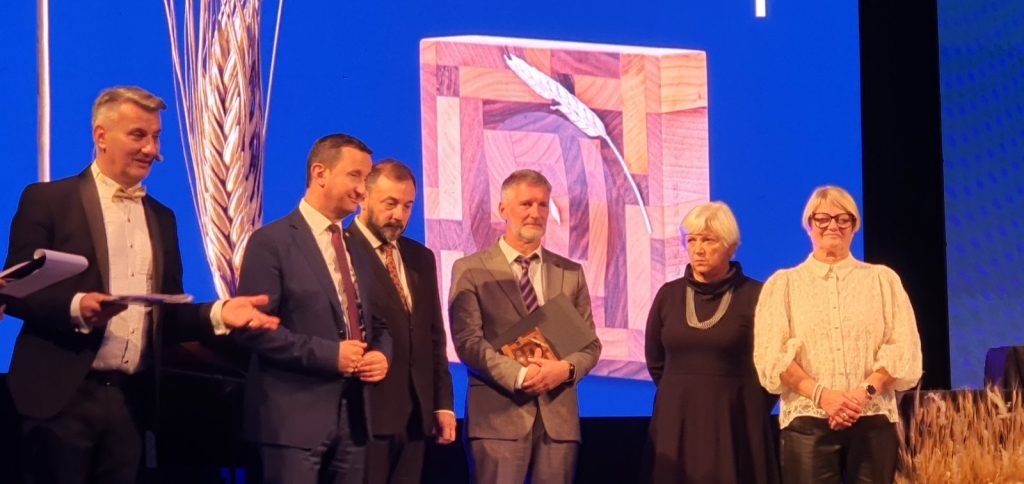
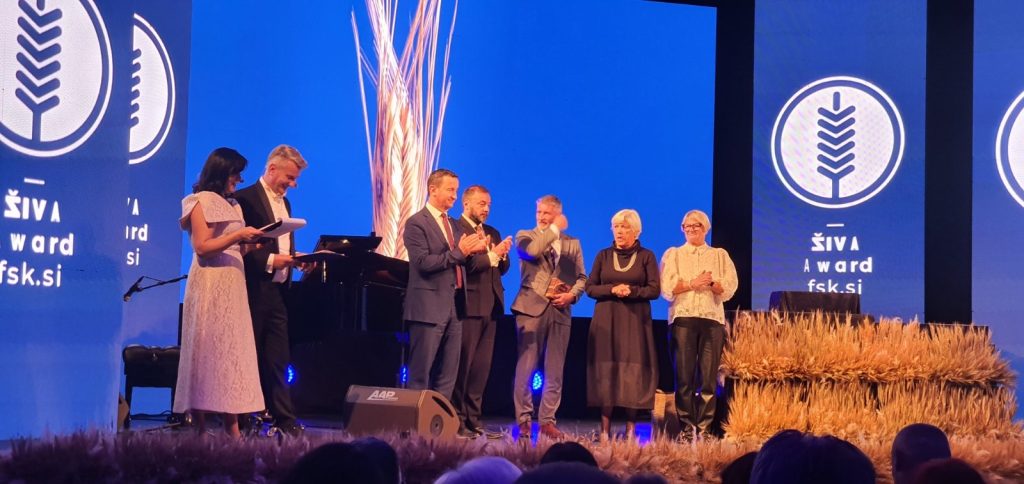
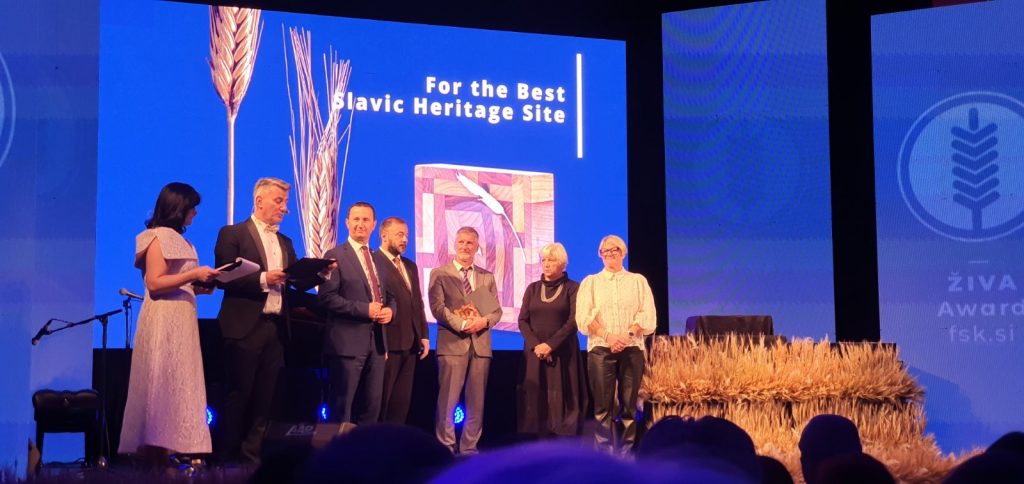
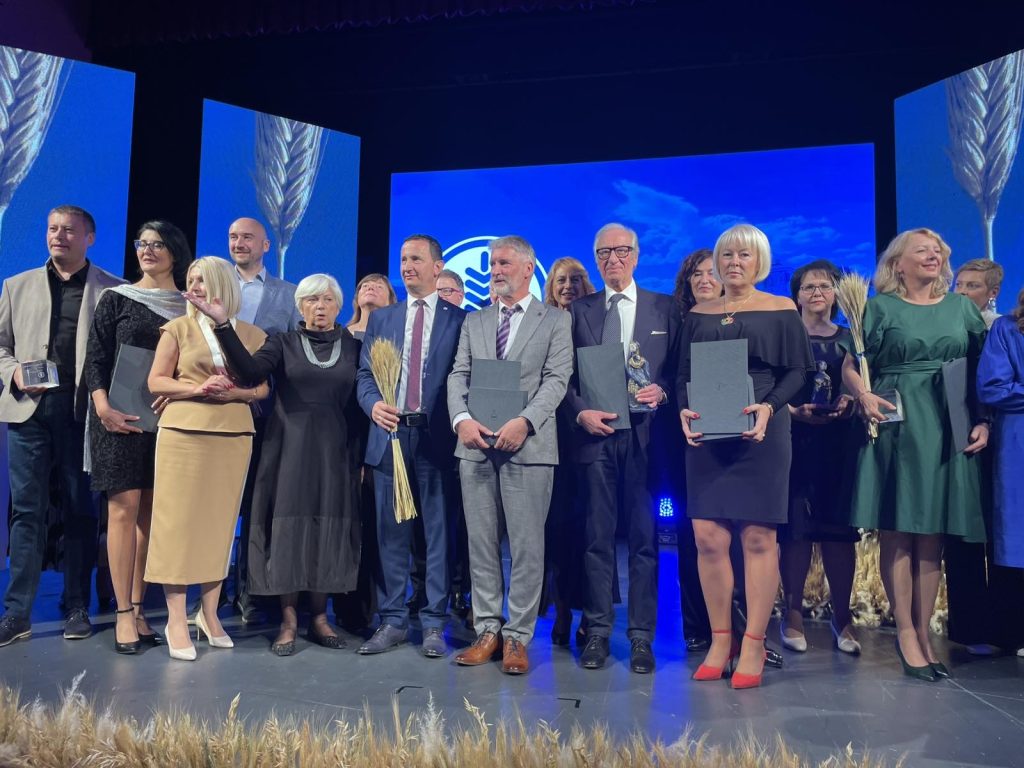
The 2025 Živa Award culminated on 10 October in Trebinje with an awards ceremony. This year, the Živa Award Jury – composed of 16 museum experts from various Slavic countries and the European Museum Academy (EMA) – honoured 13 museums from 11 countries with awards, recognitions and special diplomas.
The recipients of the Živa Awards 2025 are:
Živa Award 2025 for the Best Slavic Museum was granted to the Croatian Natural History Museum, Zagreb, Croatia
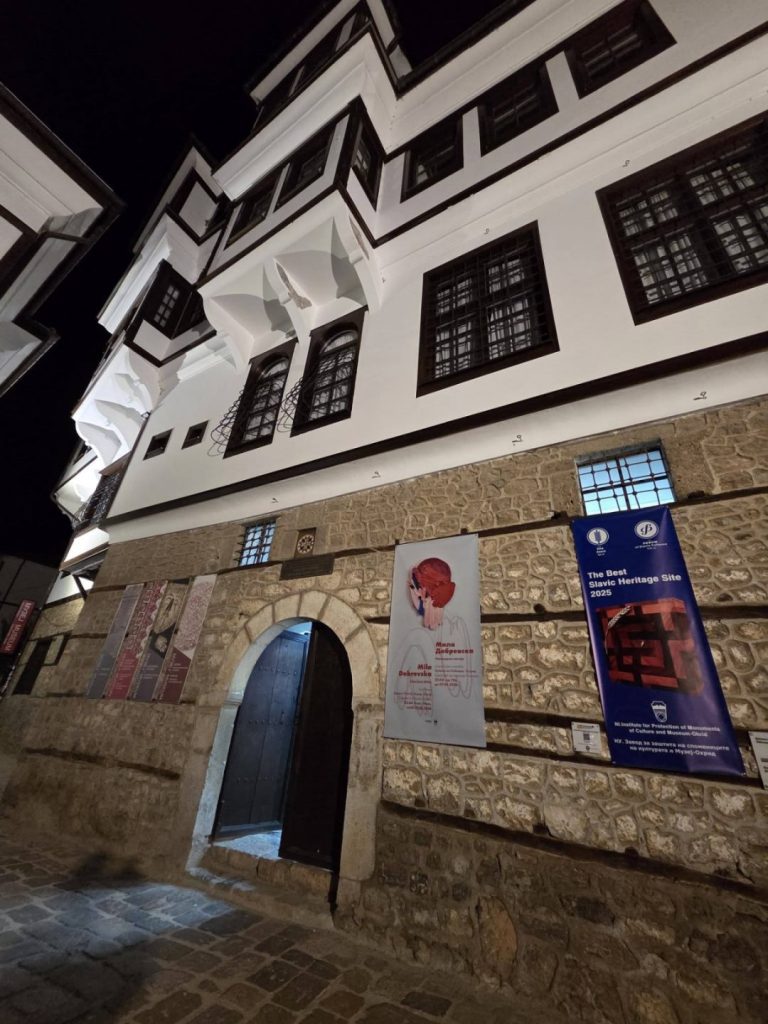
Živa Award 2025 for the Best Slavic Heritage Site was conferred on NI Institute for Protection of Monuments of Culture and Museum – Ohrid, Ohrid, North Macedonia.
Honourable Mention was granted to Lety u Písku. Memorial to the Holocaust of the Roma and Sinti in Bohemia, Písek, Czech Republic
Special Recognitions were awarded to:
Sybir Memorial Museum, Białystok, Poland: for Creativity
House of the Halubje Bell Ringers, Viškovo, Croatia: for Sustainability.
Regional Museum of Pljevlja, Pljevlja, Montenegro: for Leadership and Team Efficiency.
Armory Museum in Liw Castle, Liw, Poland: for Attention to Visitors and Openness.
Little Carpathian Museum in Pezinok, Pezinok, Slovakia: for Storytelling
Diplomas:
Special Diploma of Excellence was granted to:
Žitomislić Museum, Žitomislići, Bosnia and Herzegovina
Diploma for Preserving Cultural Heritage Worldwide was conferred on:
Kanizsai Dorottya Museum, Mohács, Hungary
Fisheries Museum of the Trieste Littoral, Santa Croce di Trieste, Italy
Museum of the People of the Resia Valley, Stolvizza, Italy
National Czech & Slovak Museum & Library Cedar Rapids, Iowa, USA
Forum of Slavic Cultures www.fsk.si
Contact:
Dr Andreja Rihter
Director
Forum of Slavic Cultures
Cesta 27. aprila 47, 1000 Ljubljana, Slovenia
M: + 386 41 798 221 E: andreja.rihter@fsk.si
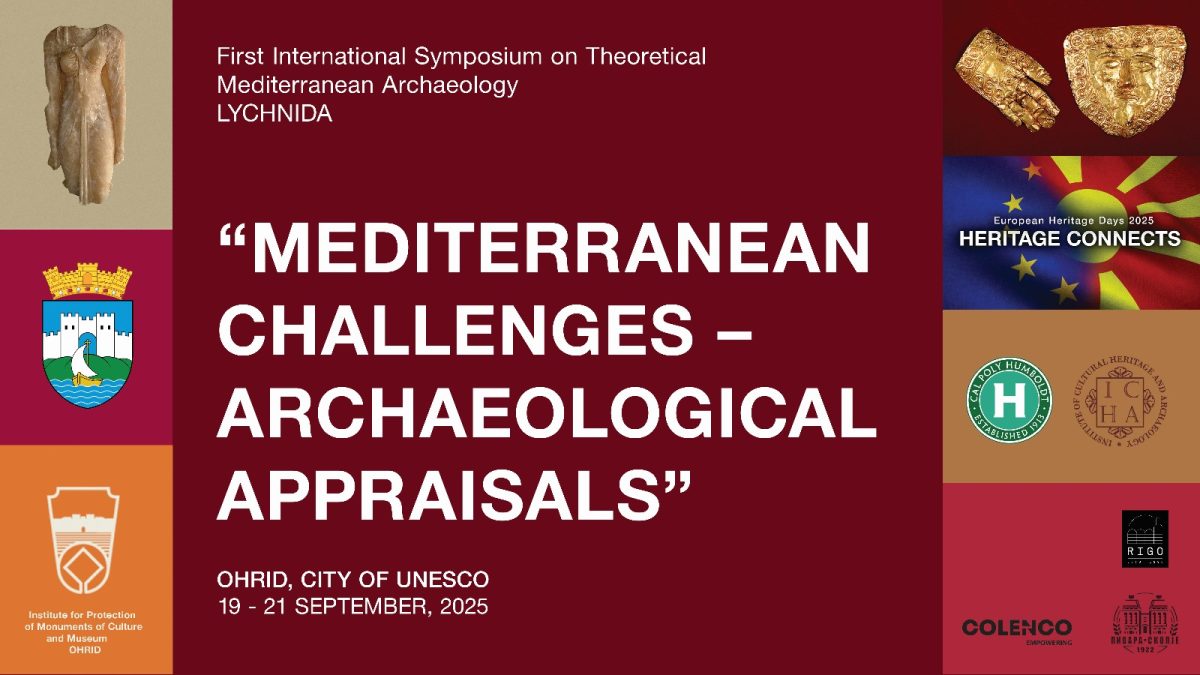
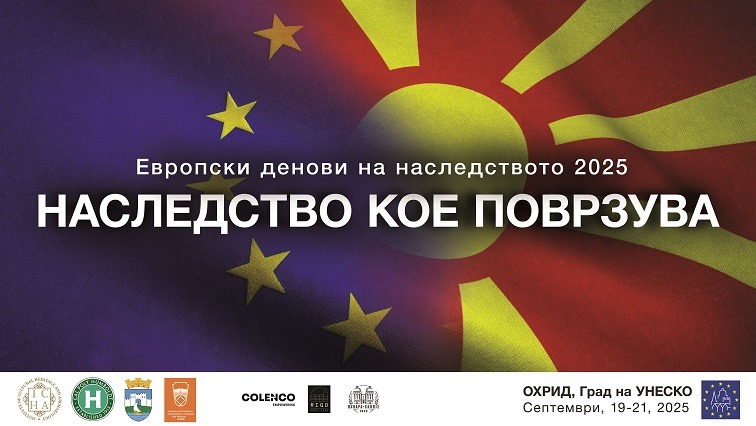
On the occasion of the European Heritage Days 2025, our Institution, in cooperation with Institute of Cultural Heritage and Archaeology and Humboldt University California is organizing the First International Symposium on Theoretical Mediterranean Archaeology – LYCHNIDA in Ohrid from September 19-21. International Director of the Symposium is Ambassador Prof. Dr. Ljuben Tevdovski from the Institute of History and Archaeology, Goce Delchev University – Shtip, President of the International Scientific Board is Academician Prof. Dr. Miguel John Versluys, from Laiden University and Vice-President Professor Dr. Emanuela Borgia from Sapienza University – Rome.
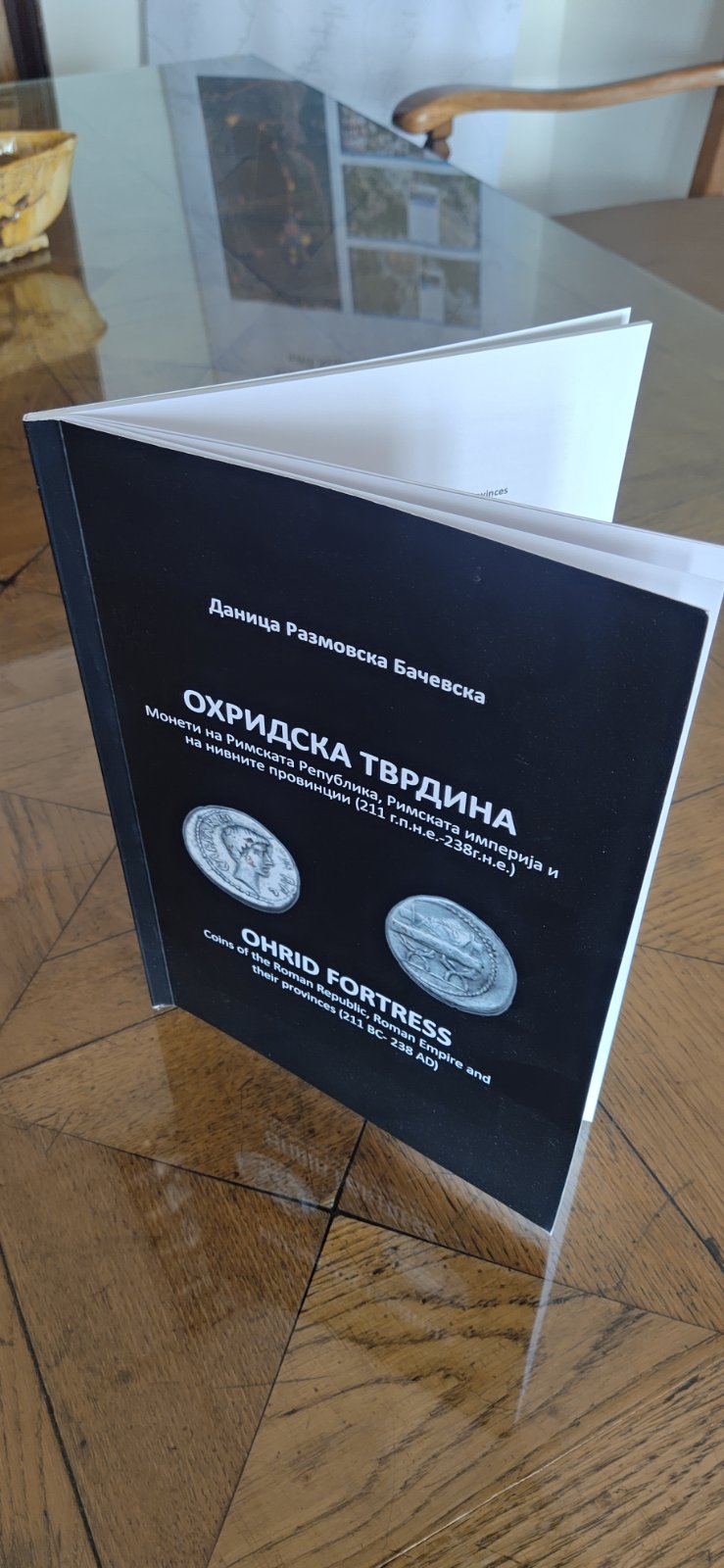
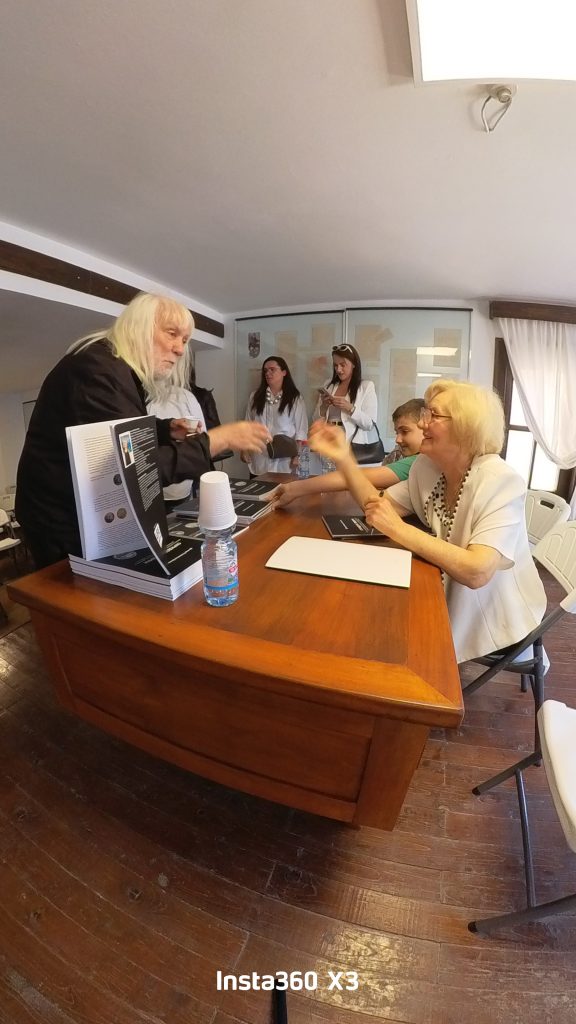
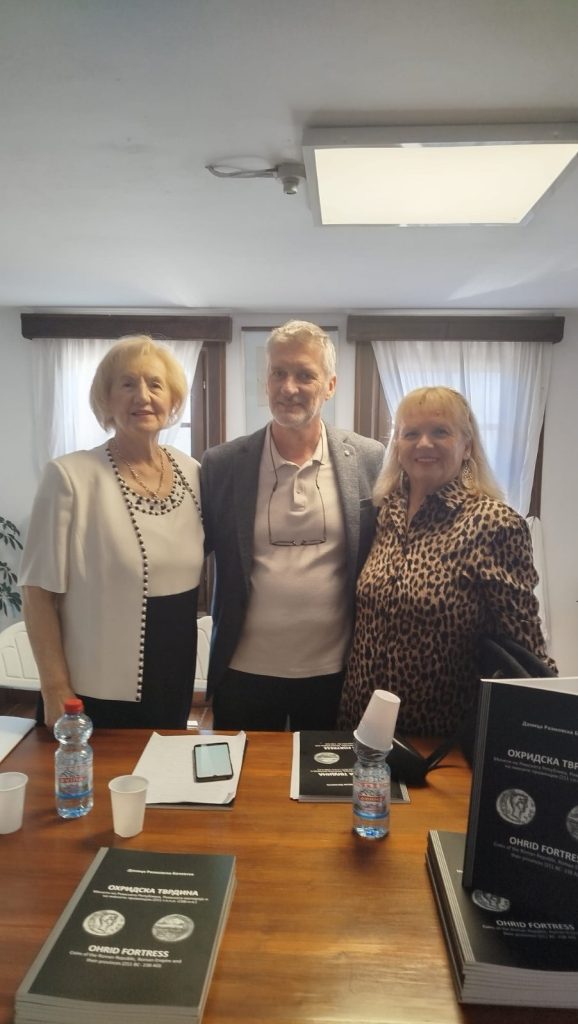
On the occasion of May 18, International Museum Day, the book was promoted OHRID FORTRESS – Coins of the Roman Republic, the Roman Empire and their provinces (211 BC-238 AD) By the author Danica Razmovska Bacevska.
The promotion was held at the Hristo Uzunov Memorial House at 12:00, with the presence of colleagues, numismatics enthusiasts, and family members.
The host was the director, MA Goran Patchev, with a reference to the International Museum Day as a holiday of museums and a discussion about the universal idea of museums without borders as a topic of interest for this year’s celebration, i.e. the networking of museums that cooperate for the purpose of enriching and modernizing museum narratives and inclusiveness. In this sense, the cooperation in the museum networks of ICOM, the Balkan Museum Network (BMN) and the Network of European Fortified Cities (Forte Cultura) was mentioned.
The promoter, Jordanka Matova, spoke about the work and the author, and the author herself gave a detailed presentation of the content of the publication, which is undoubtedly of great importance for world numismatics.
The circulation of coins in the Ohrid Fortress from the 3rd century BC to the 3rd century AD confirms the fact of Lychnidos, as a regional center in the ancient period. The diversity and richness of the exhibited numismatic material from Lychnidos is a result of its geographical position and the mineral wealth in ancient Macedonia, which led to a strong monetary production that was the basis for the internal and external stock exchange in the trade of that time in these Ohrid Region.
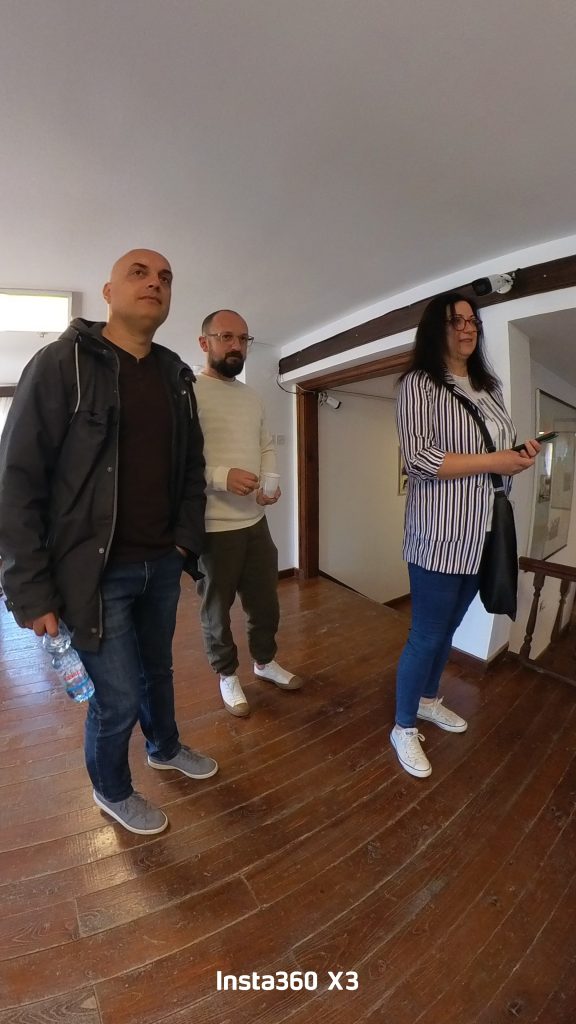
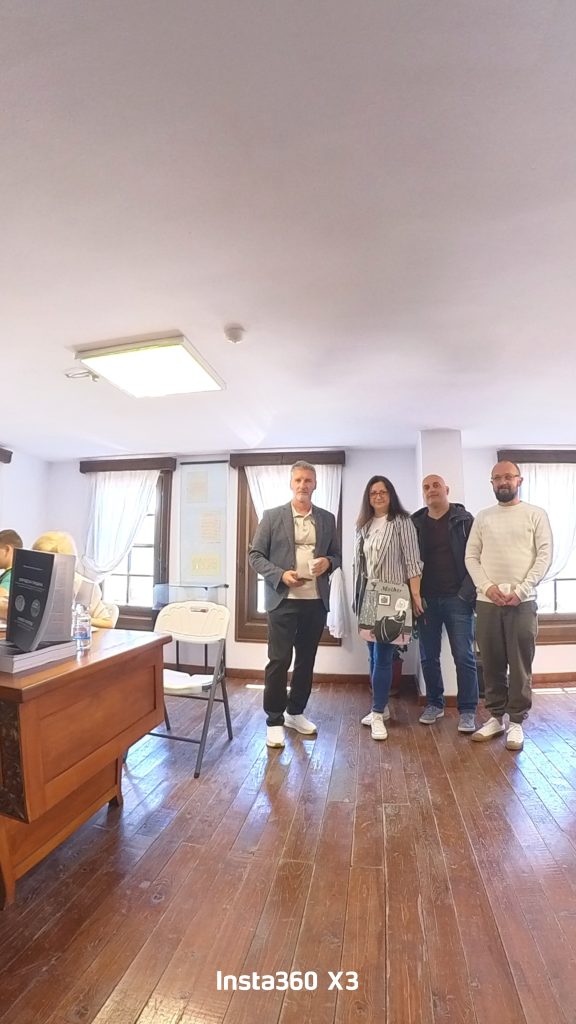
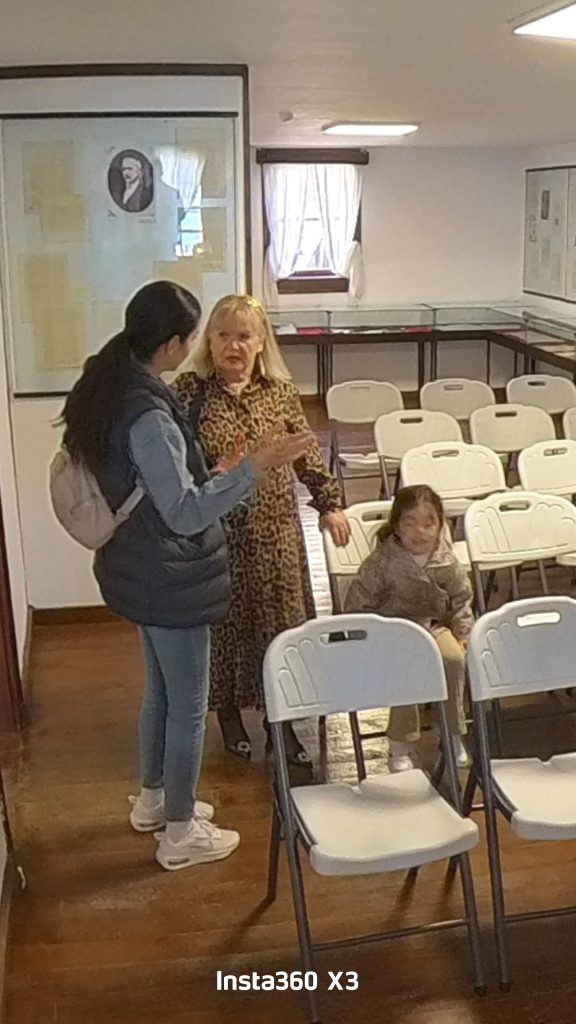
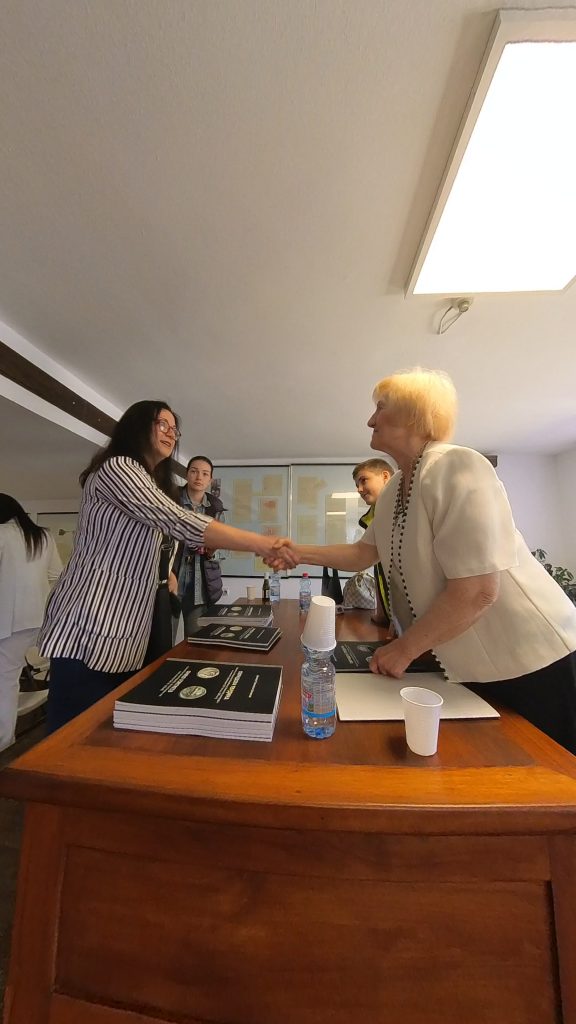
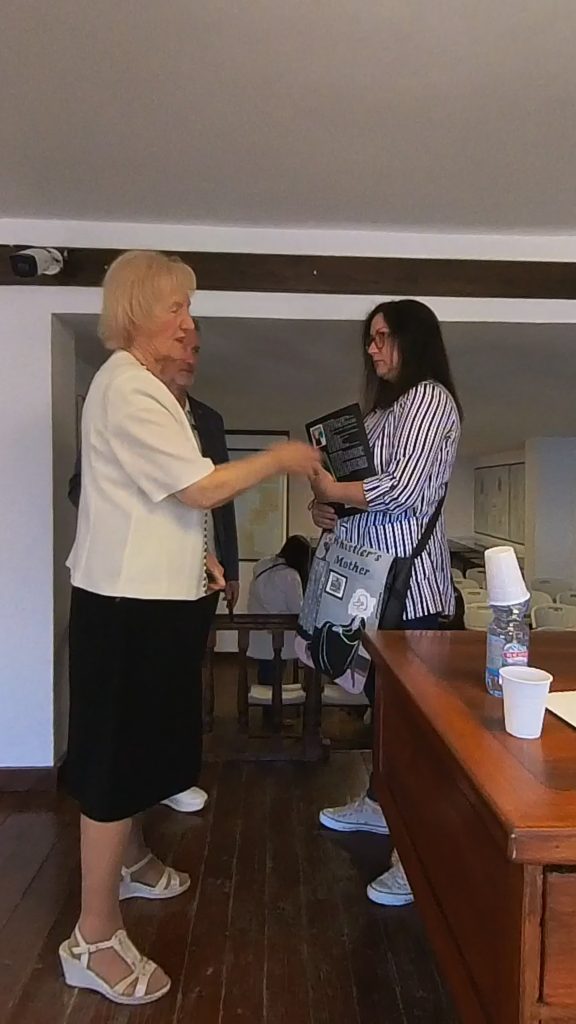
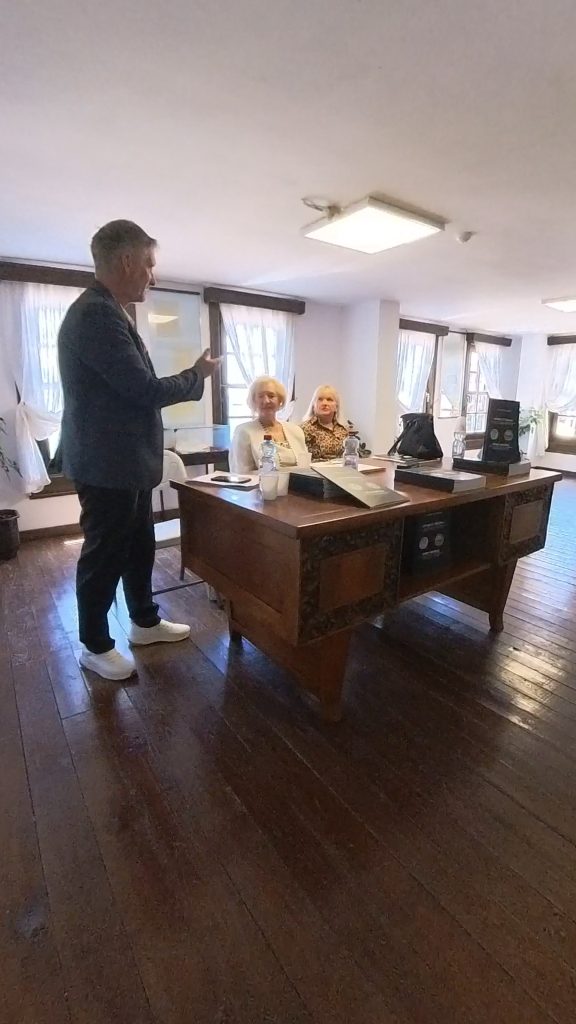
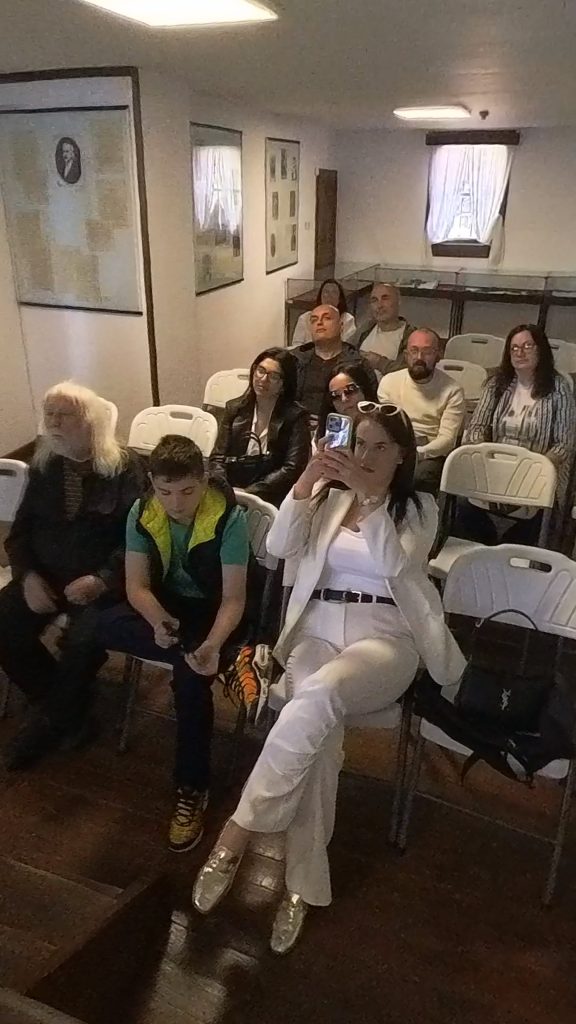
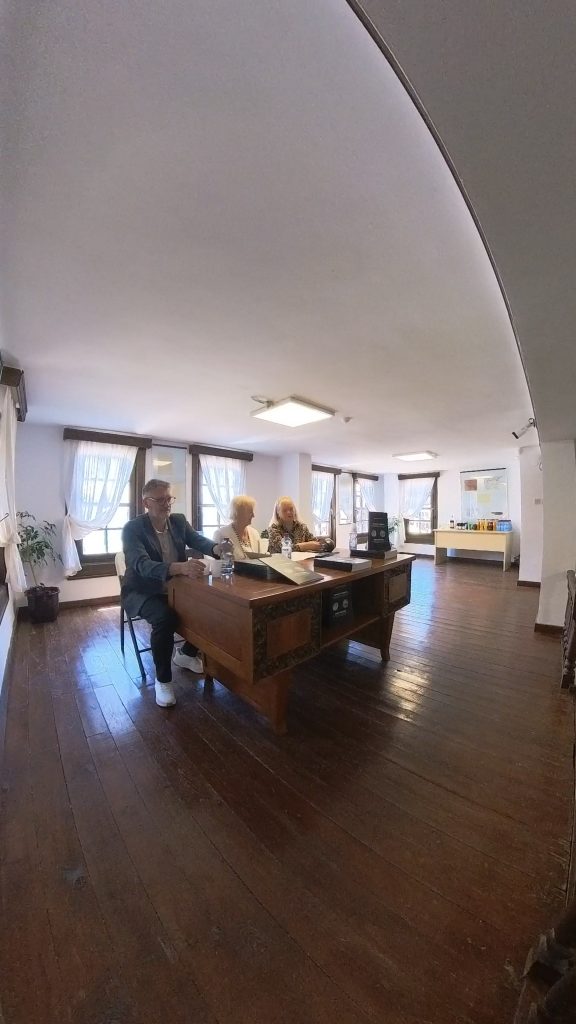
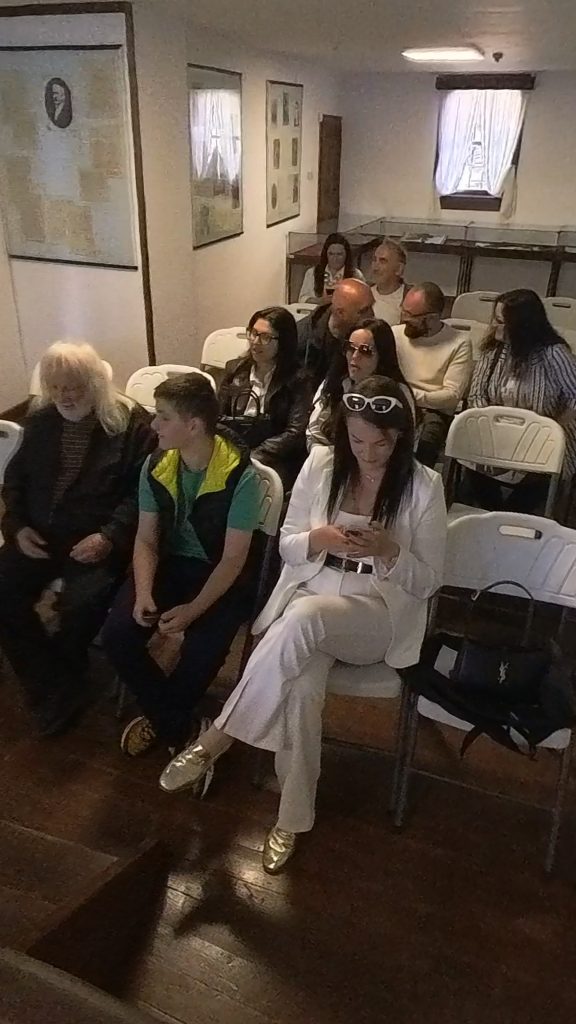
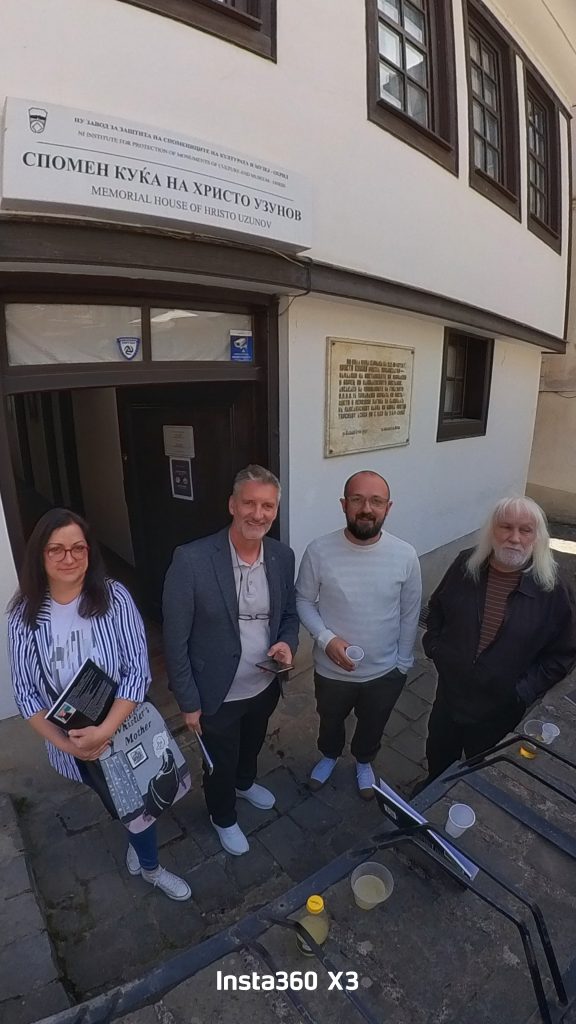
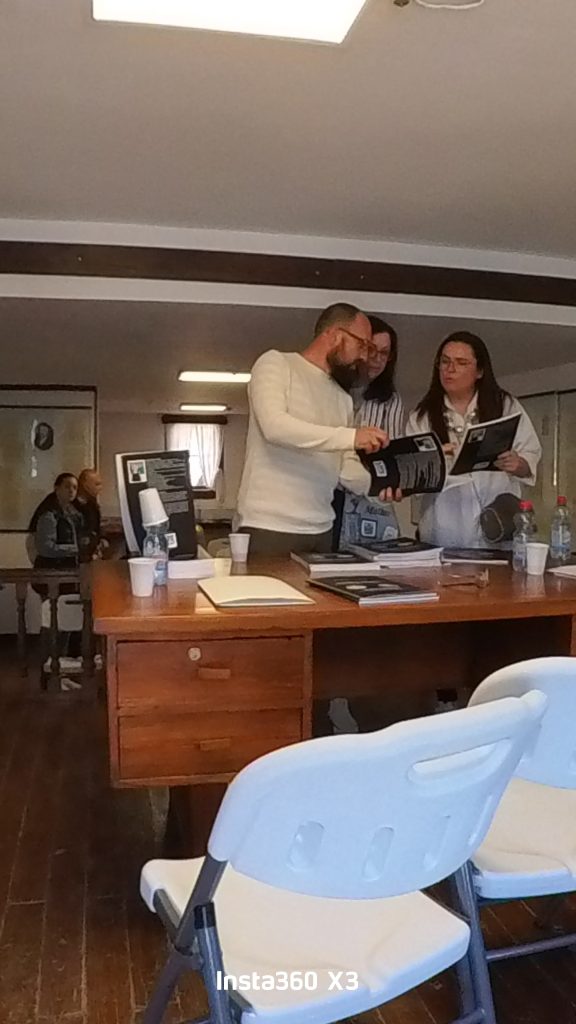
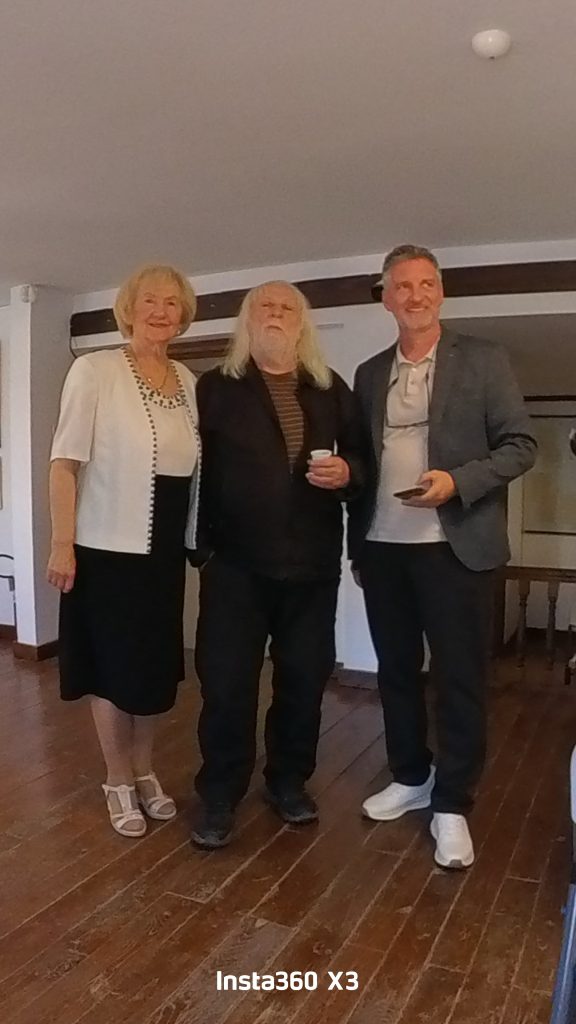
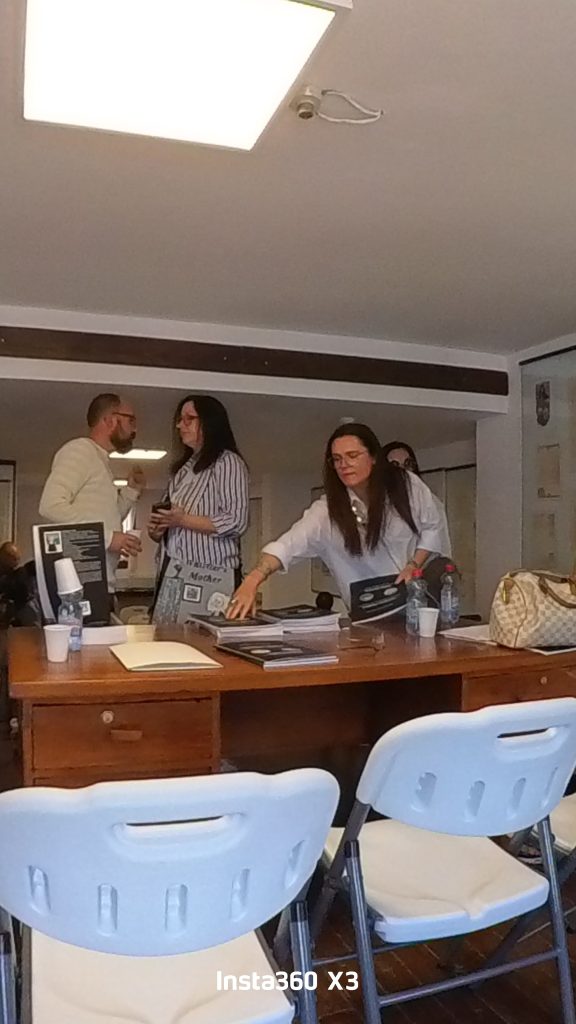
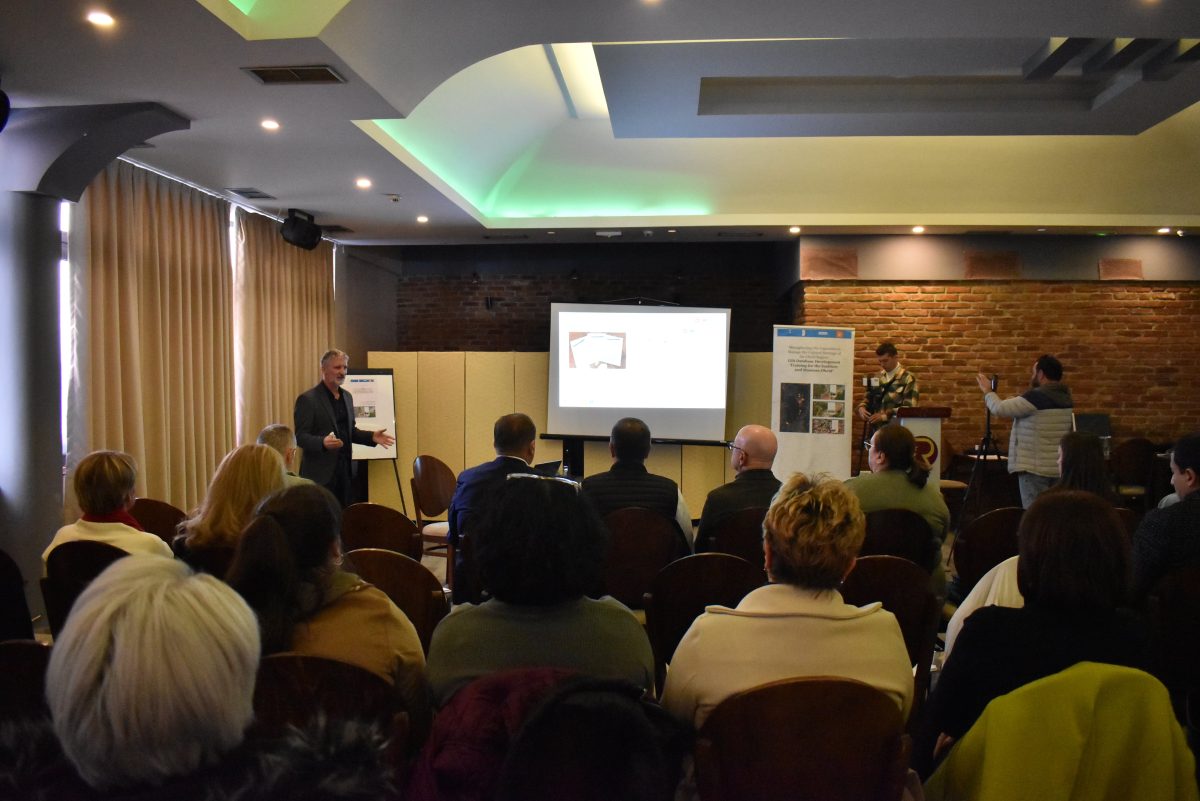
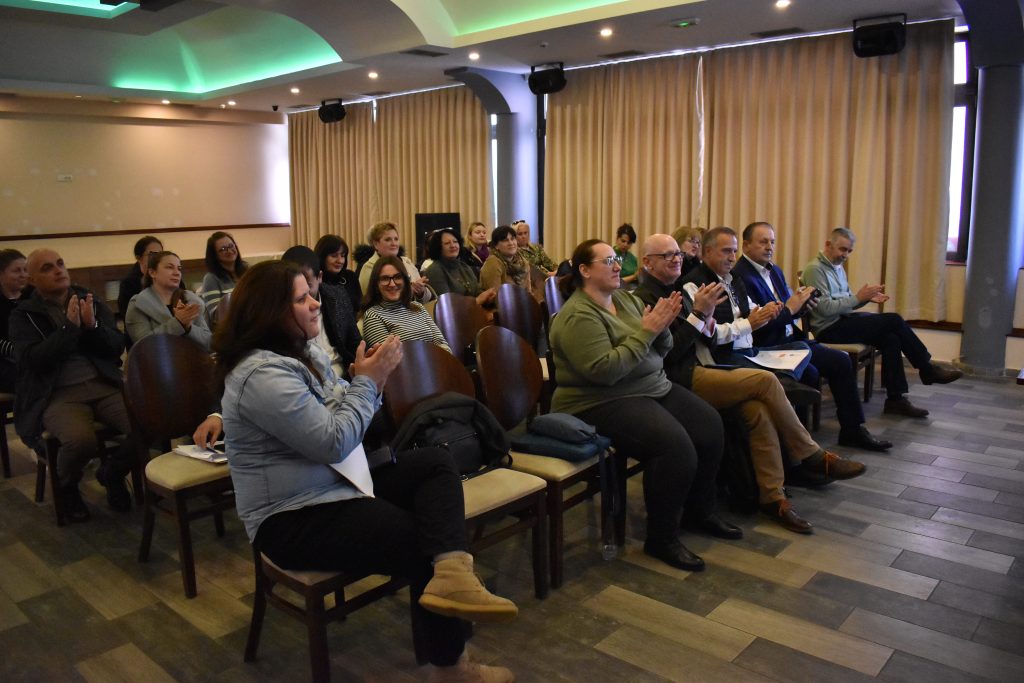
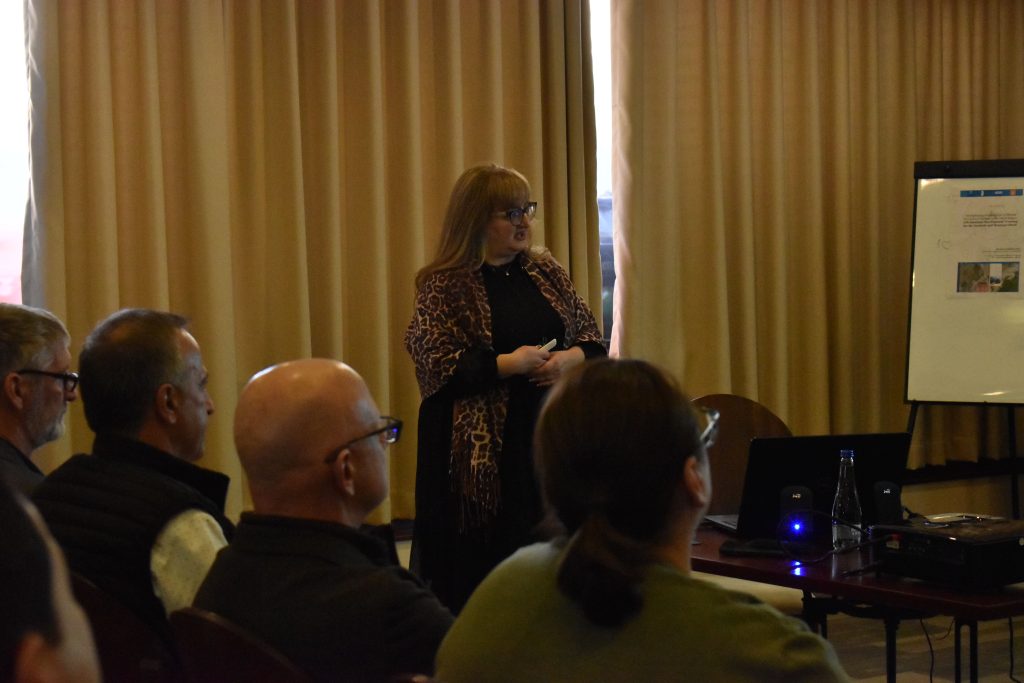
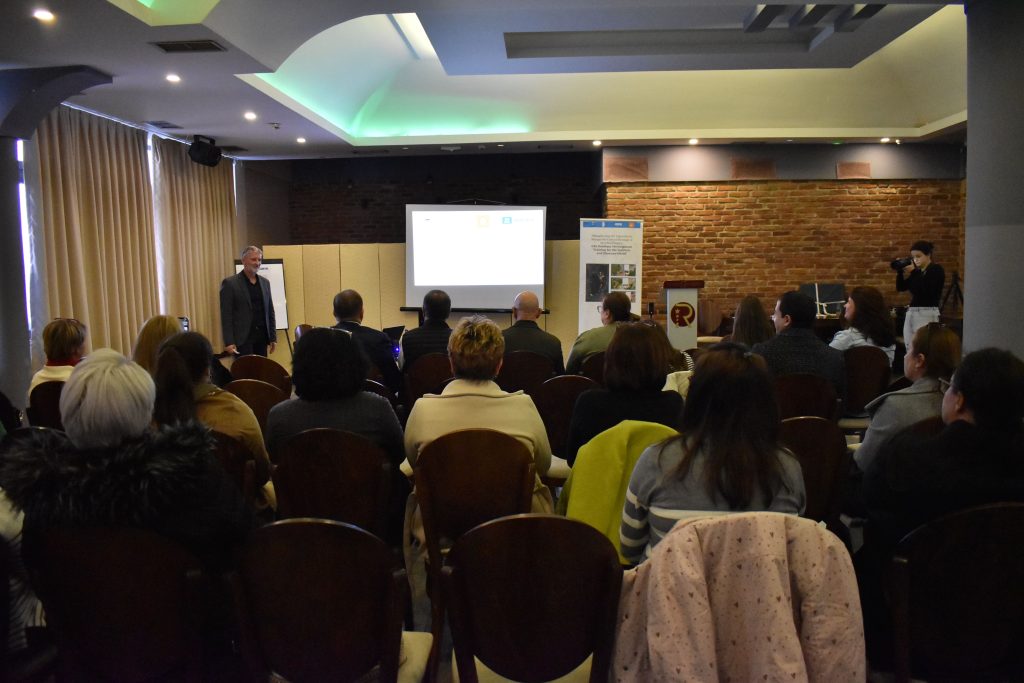
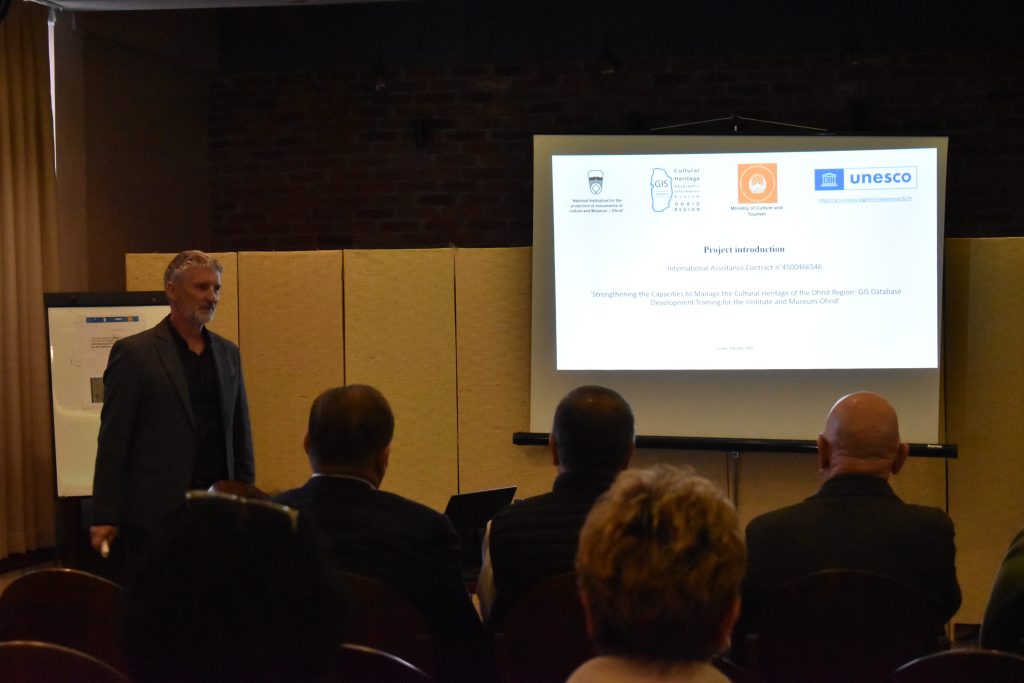
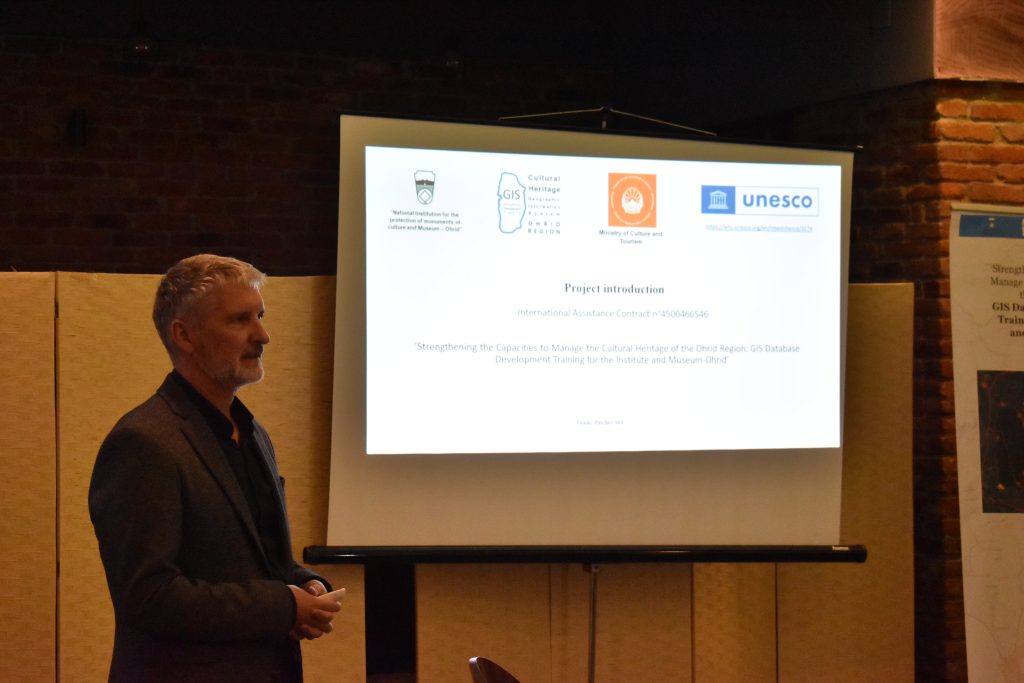
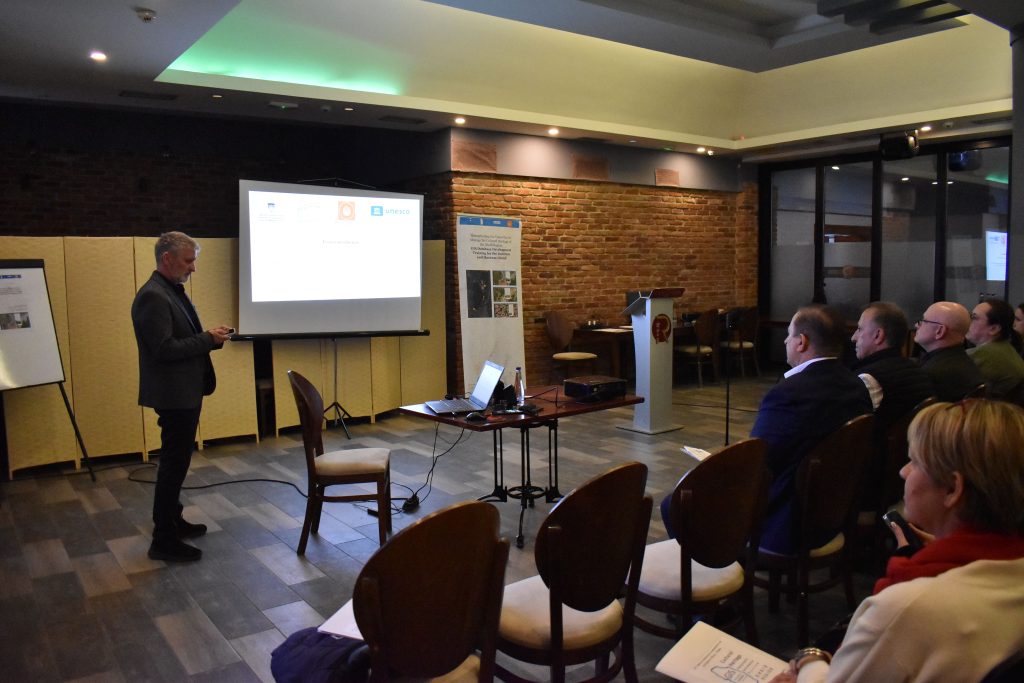
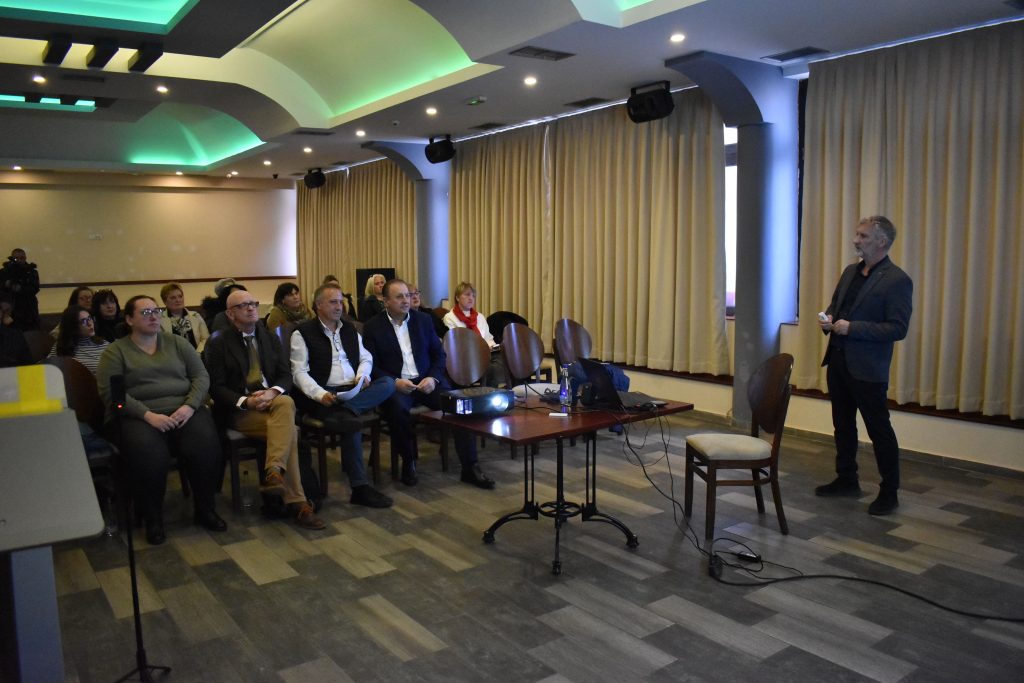
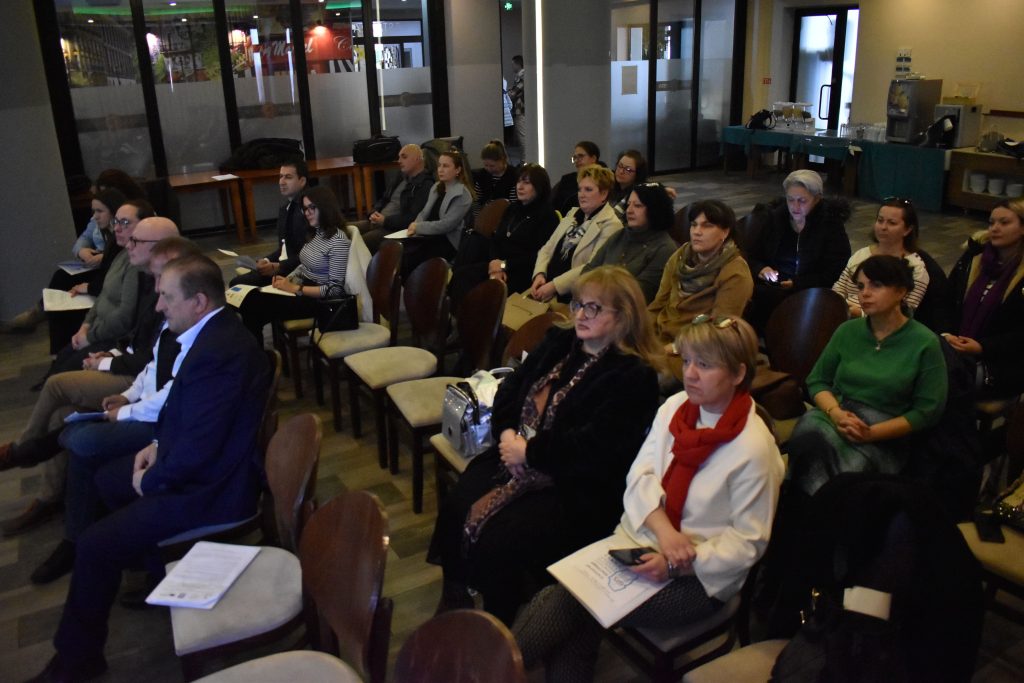
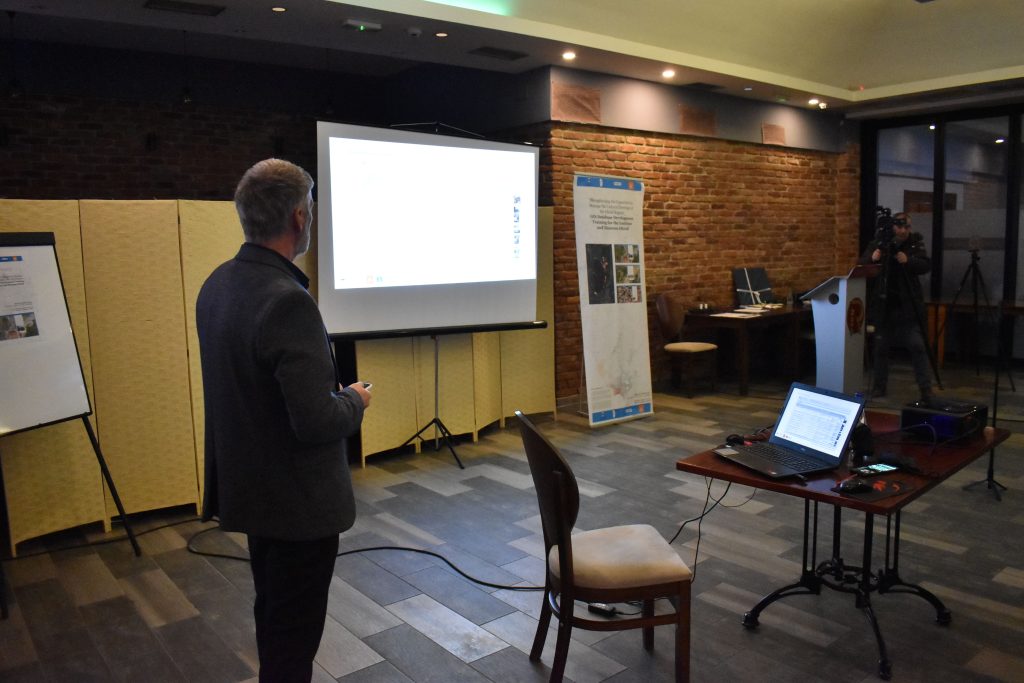
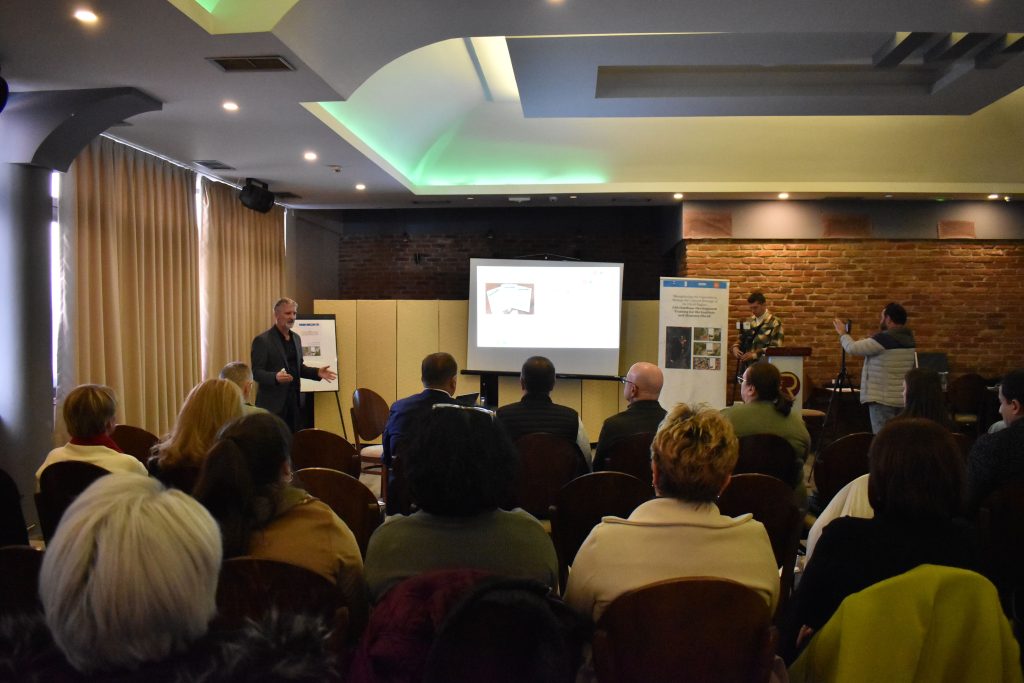
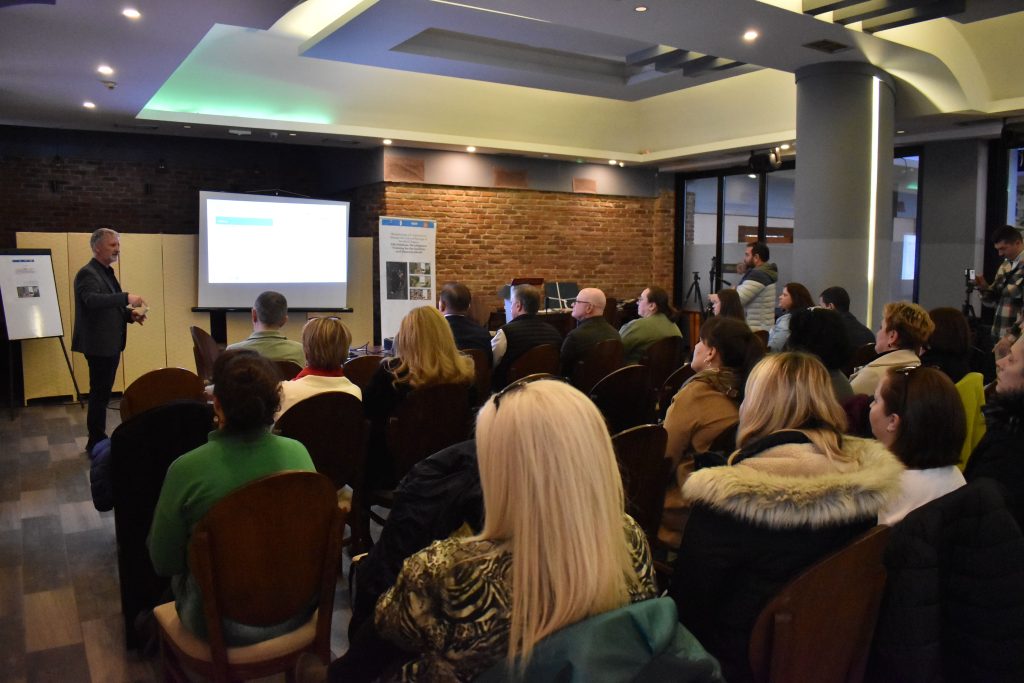
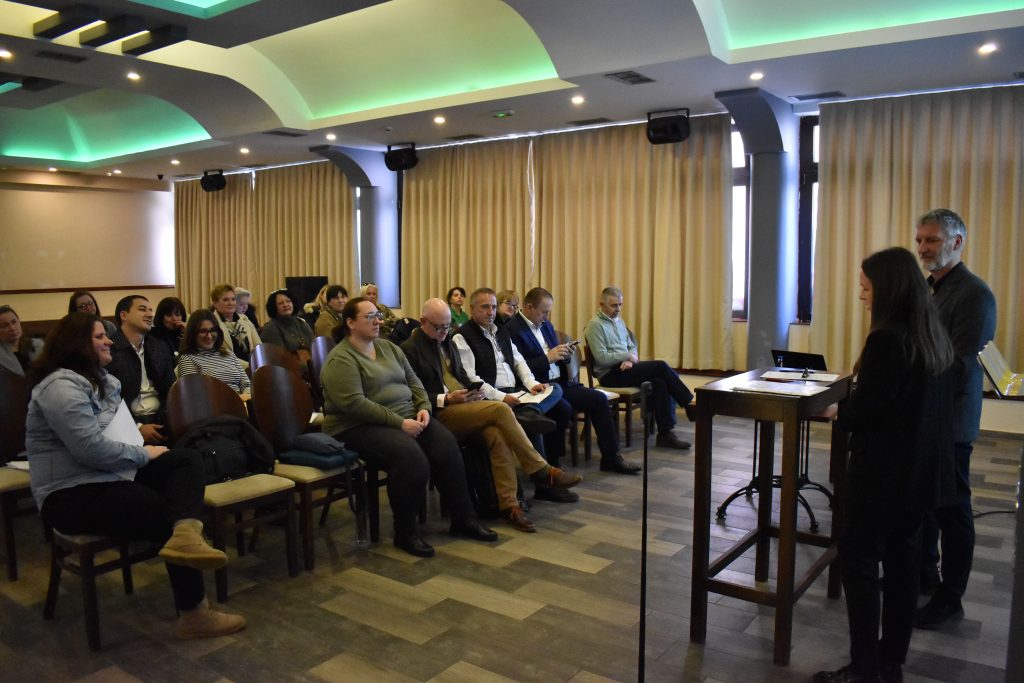
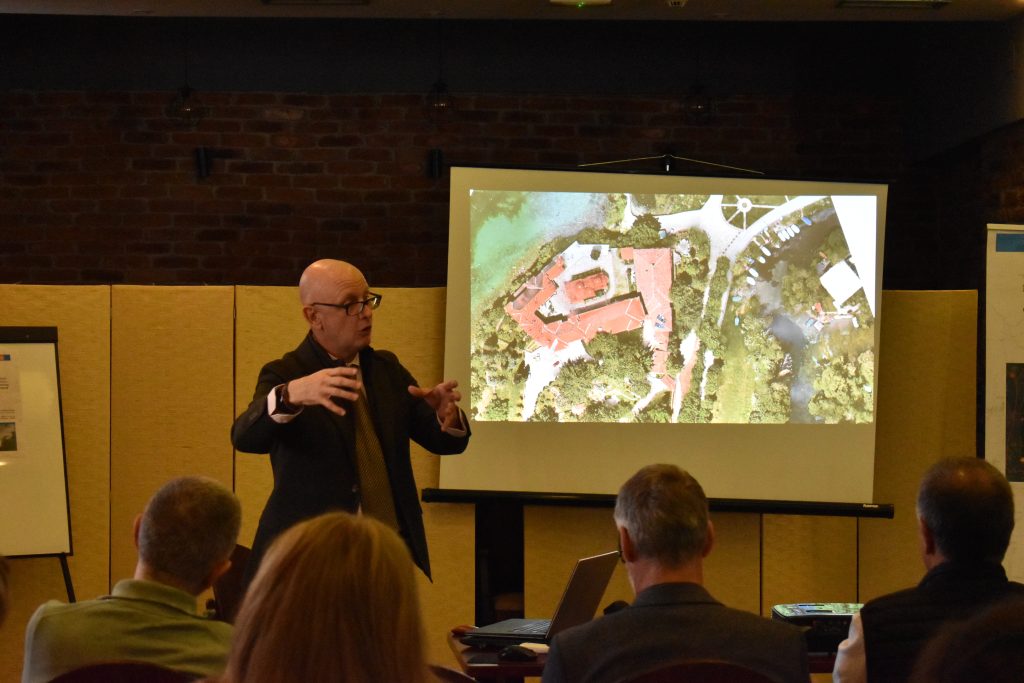
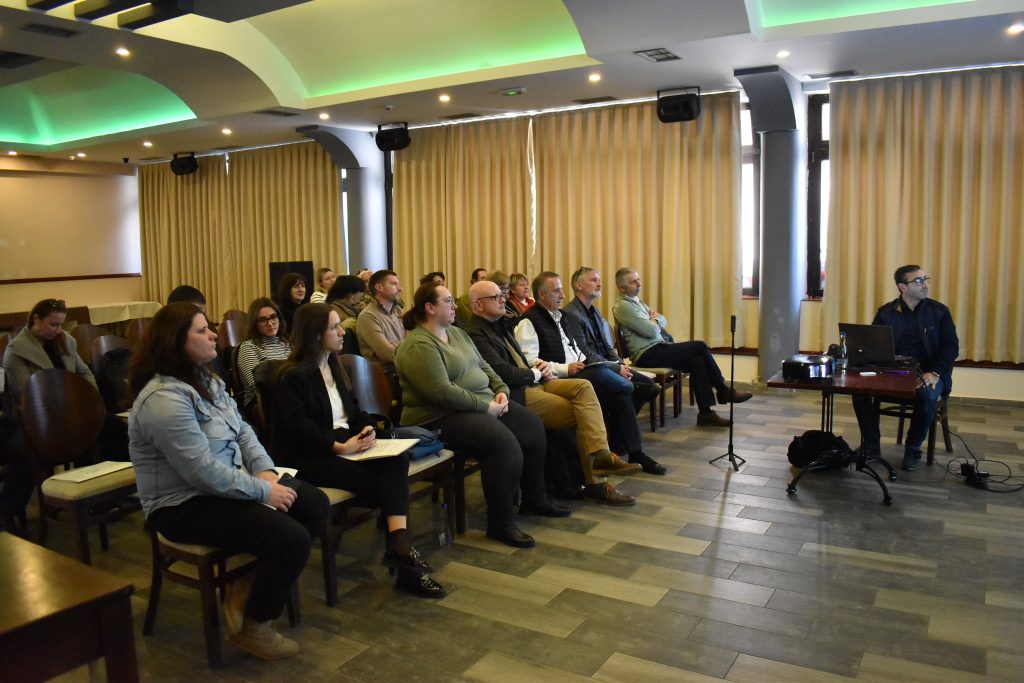
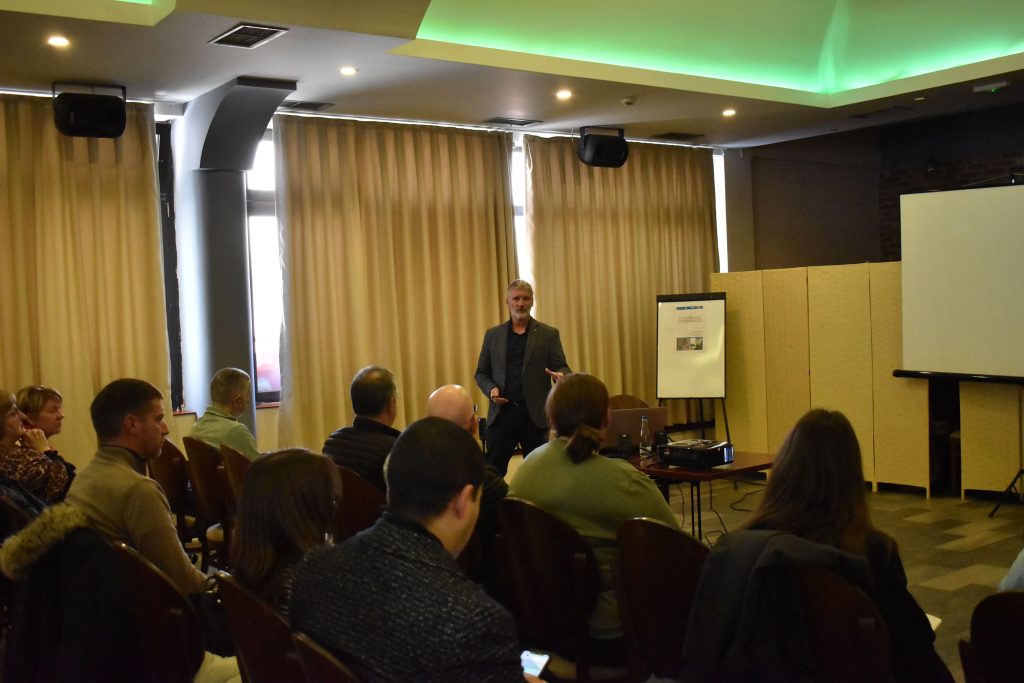
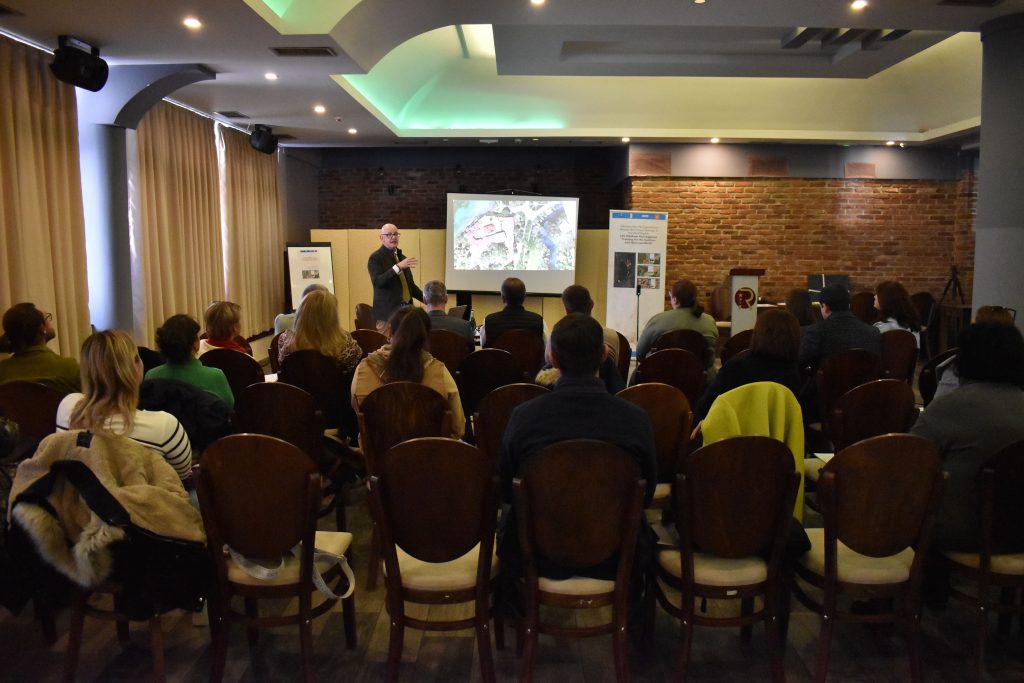
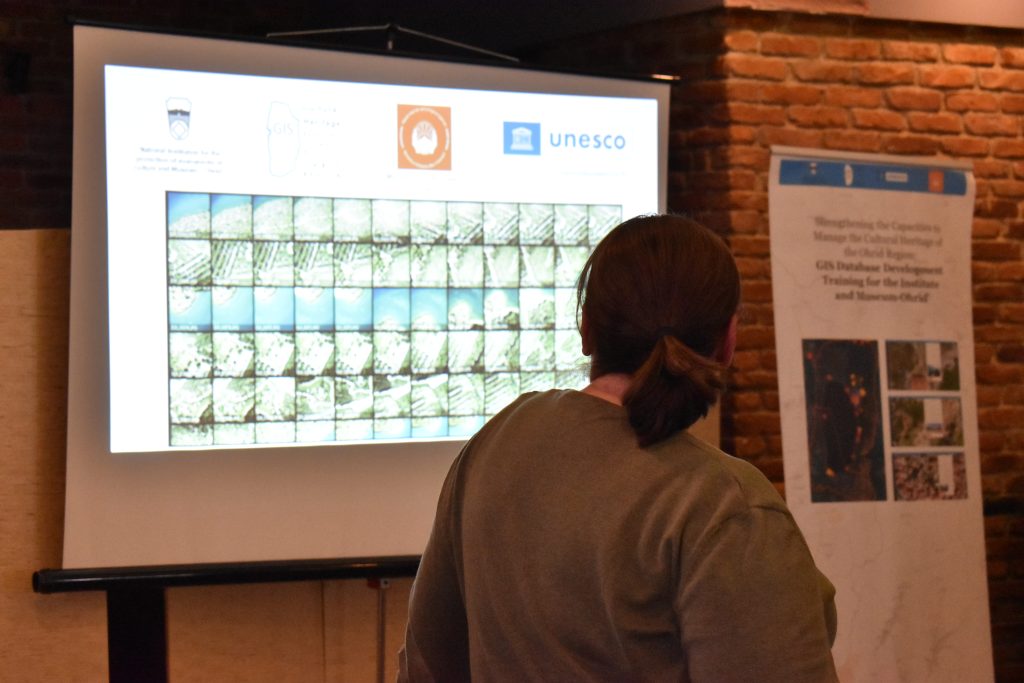
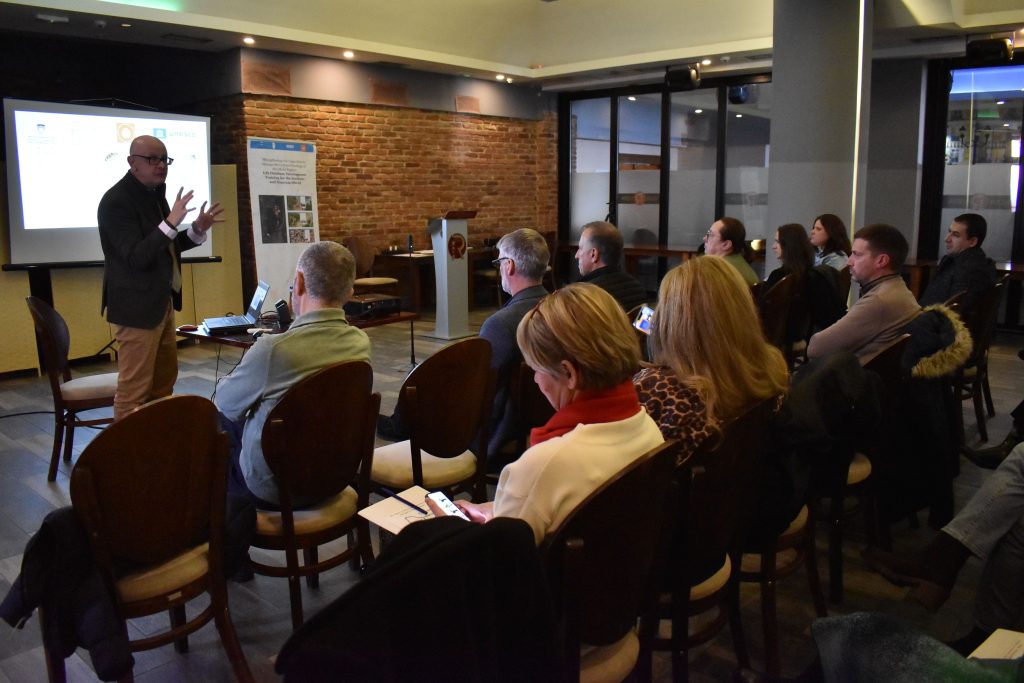
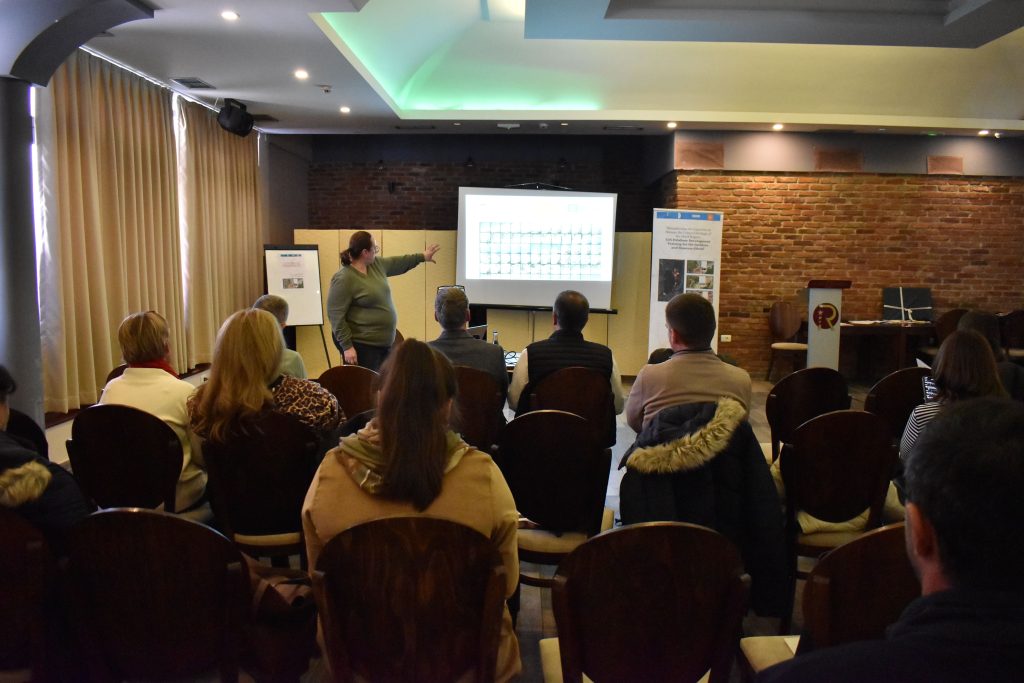
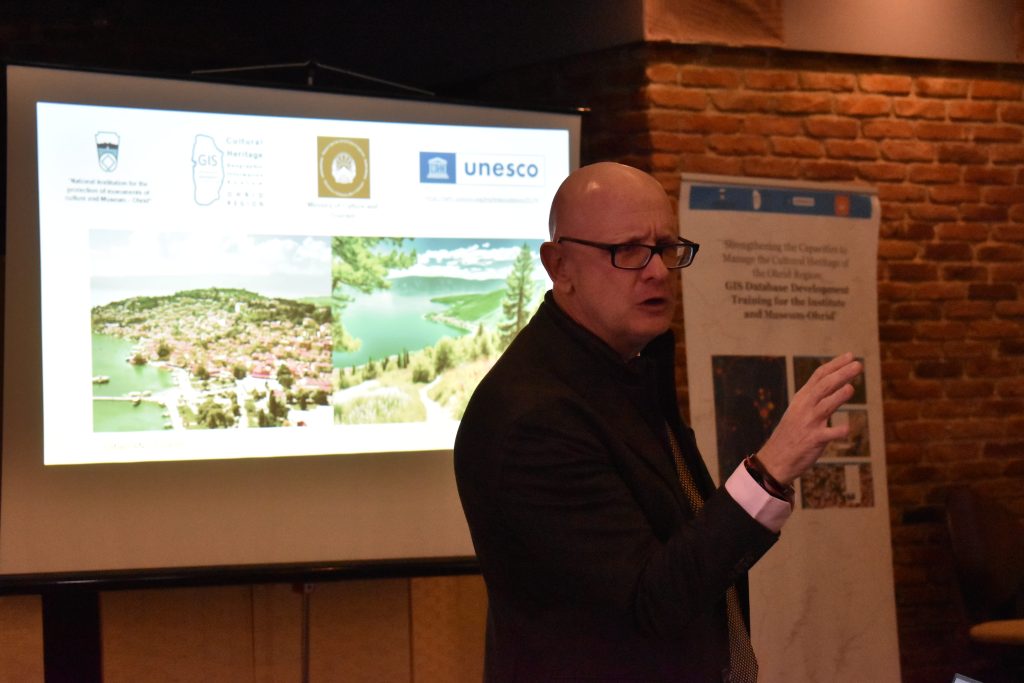
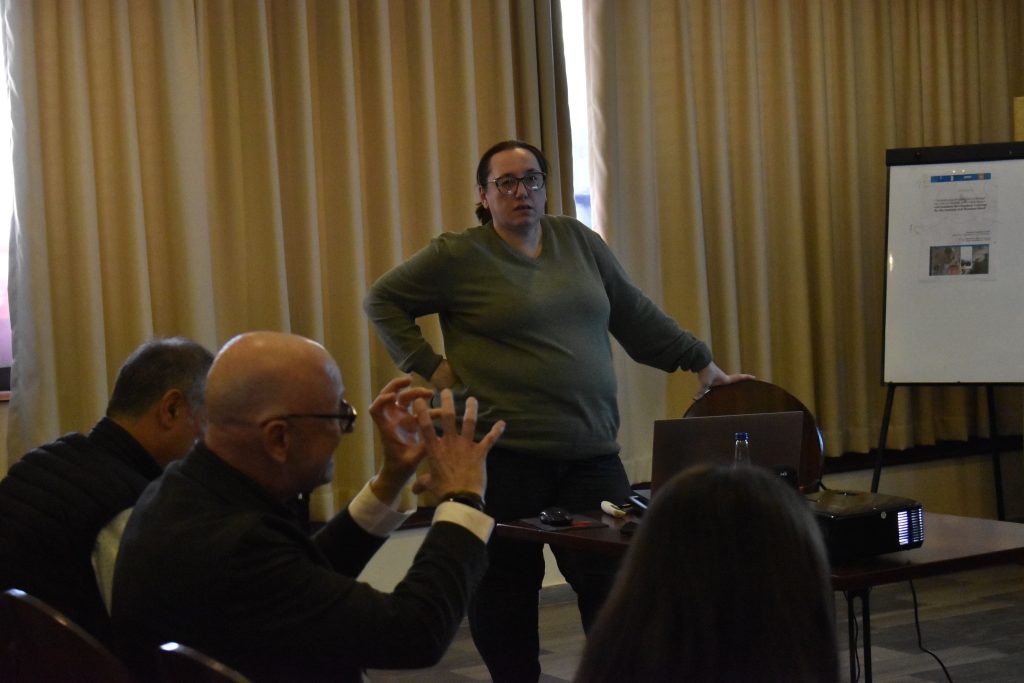
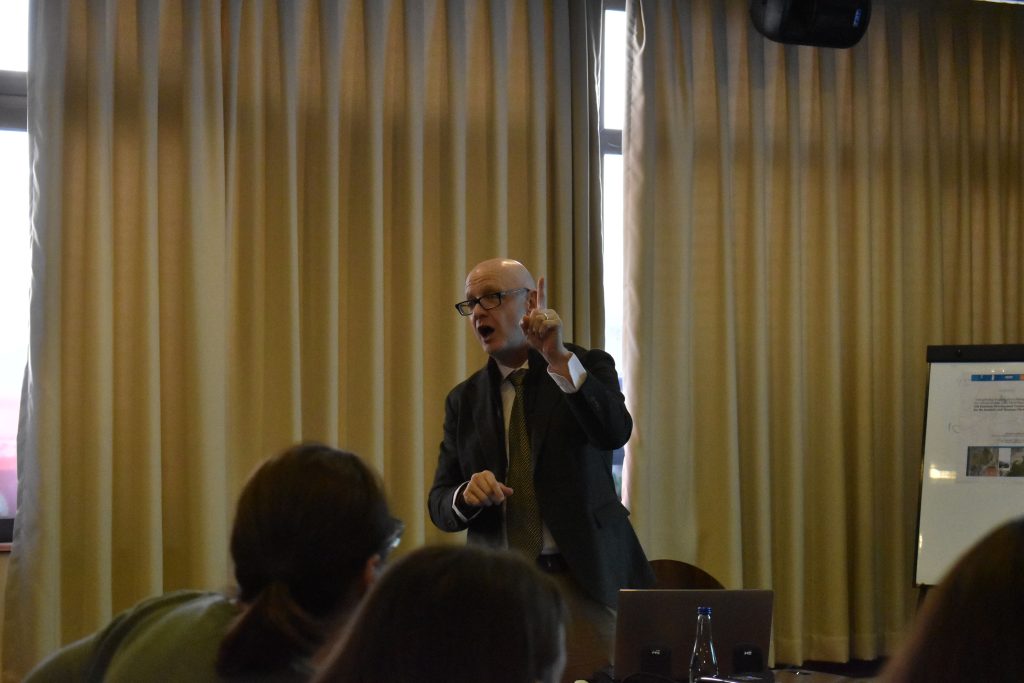
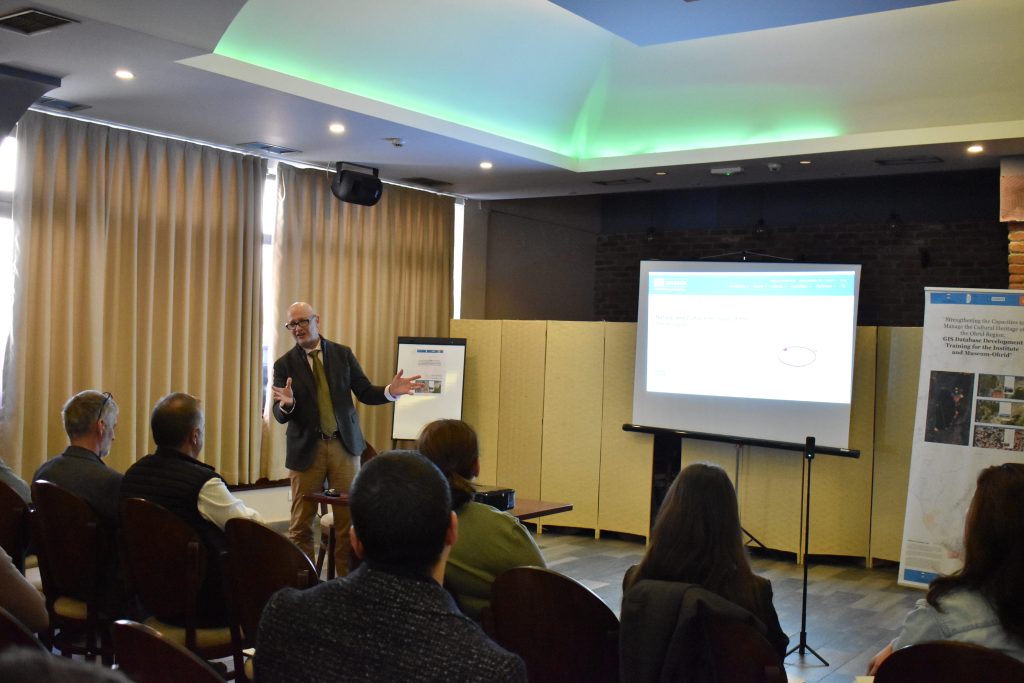
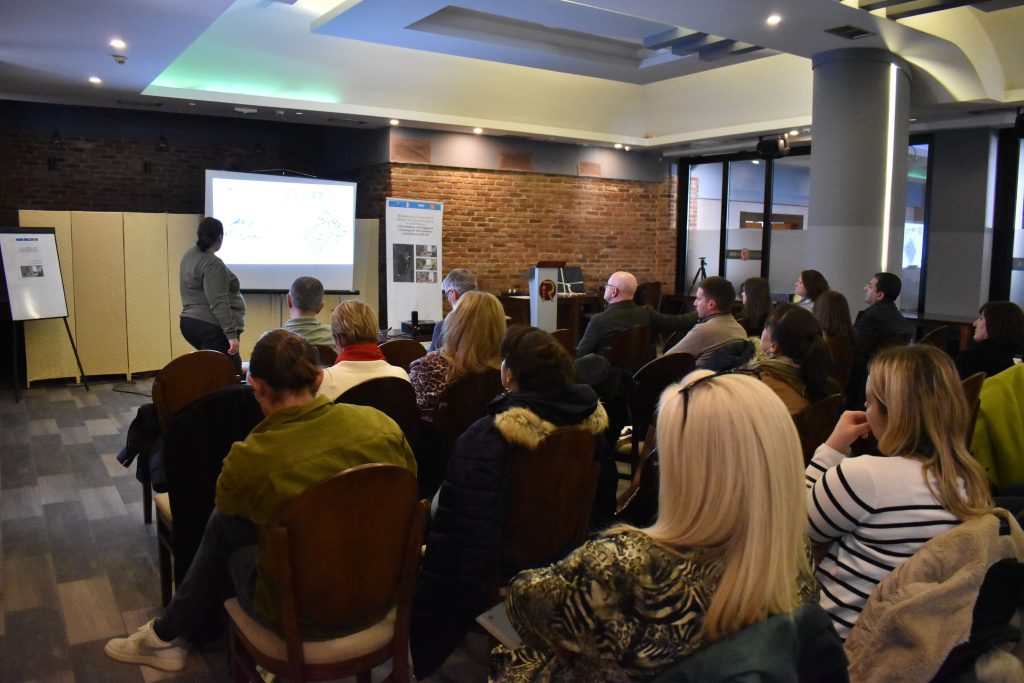
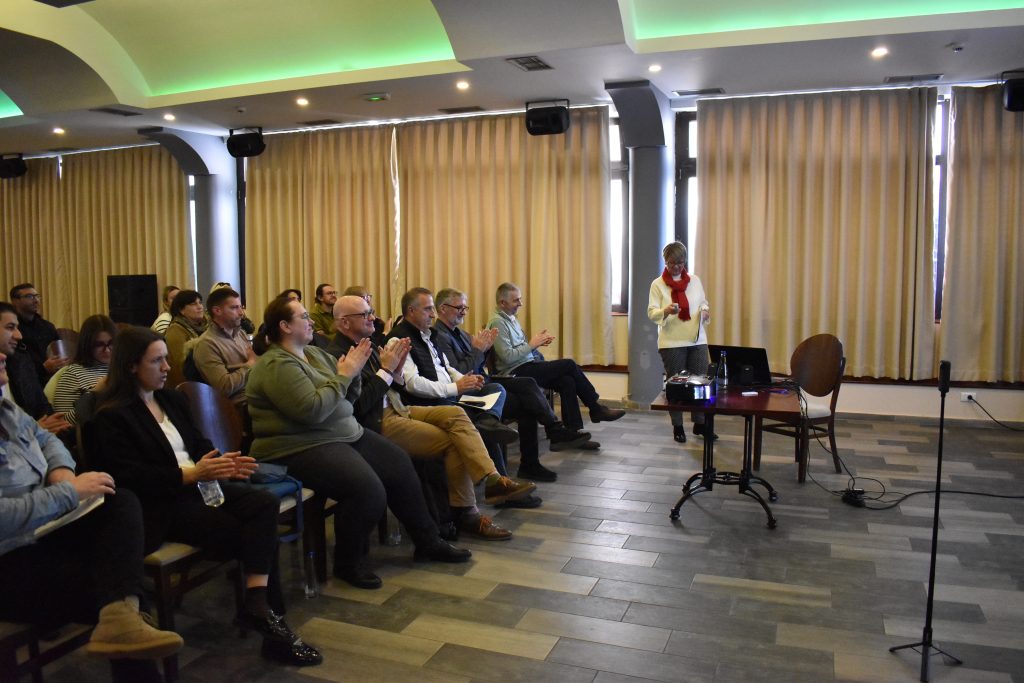
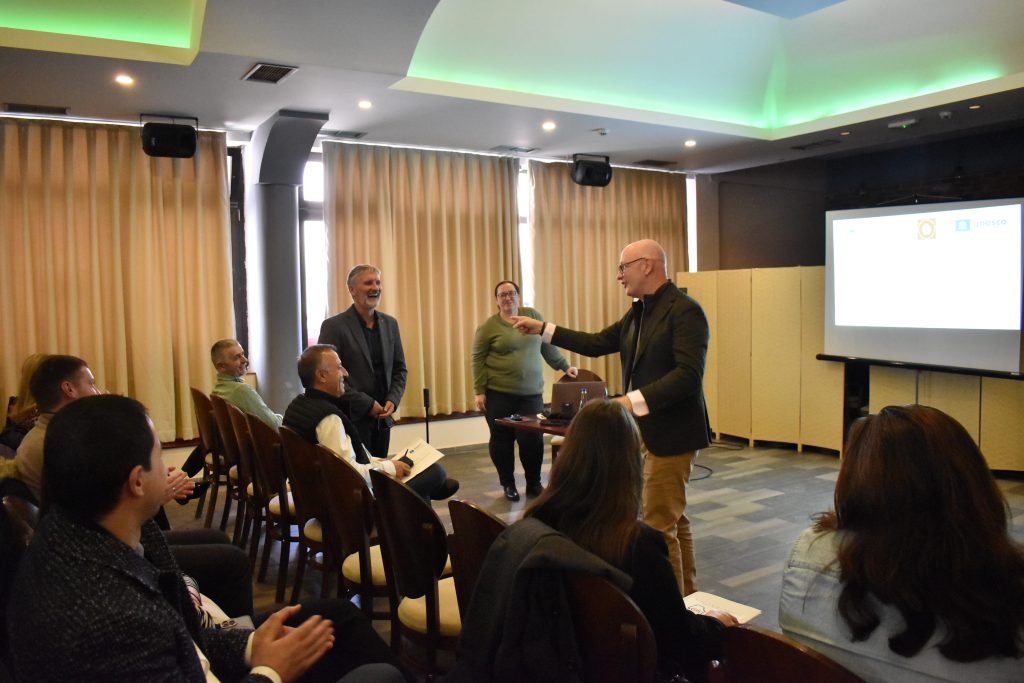
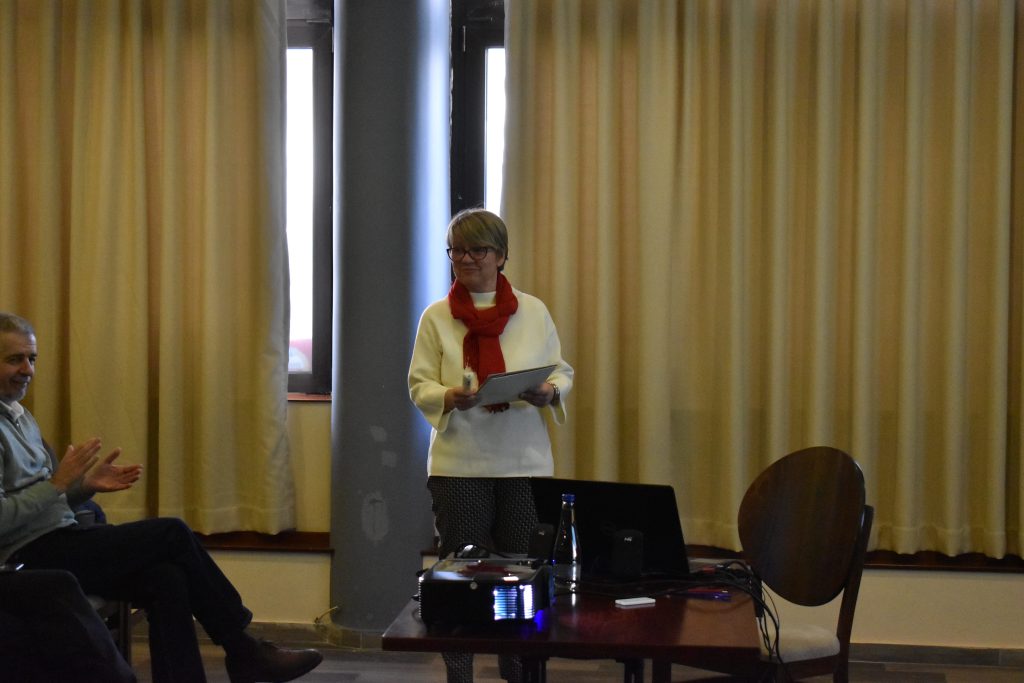
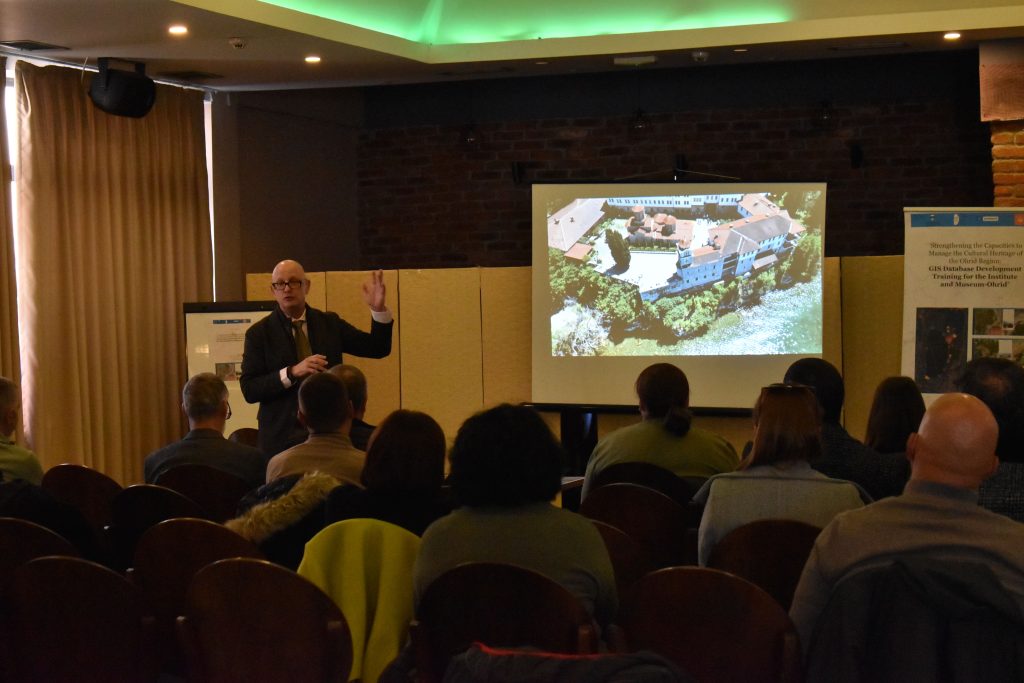
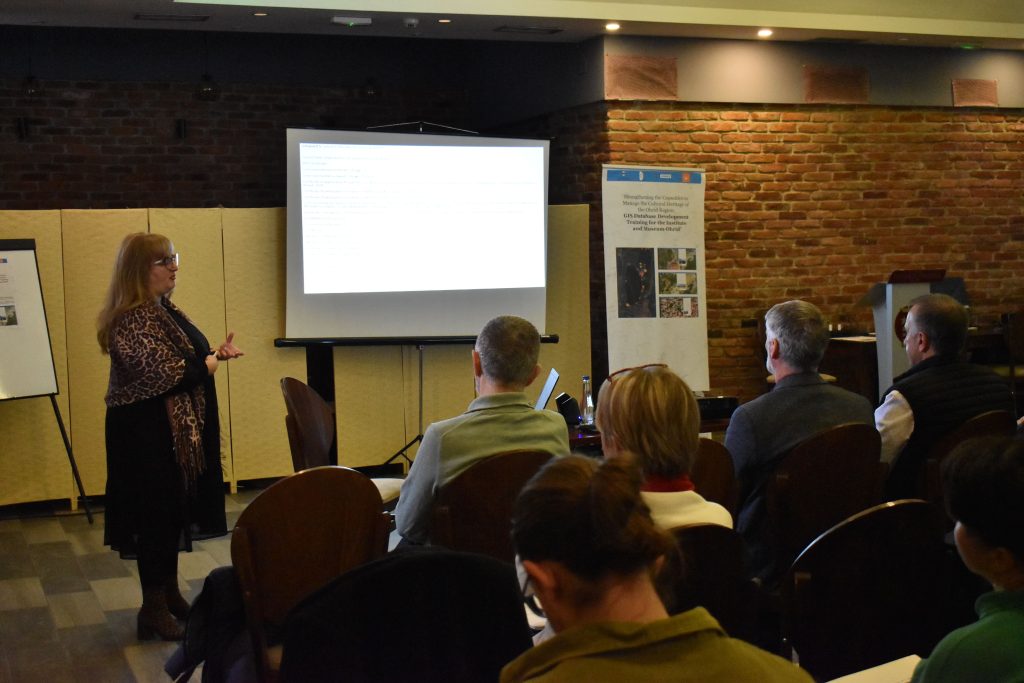
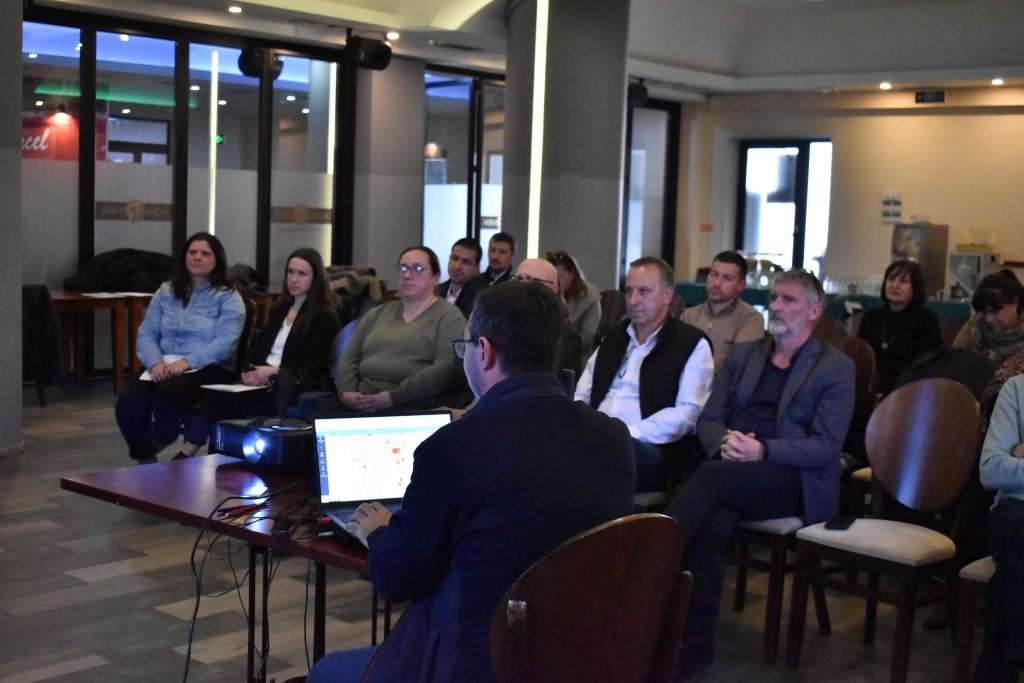
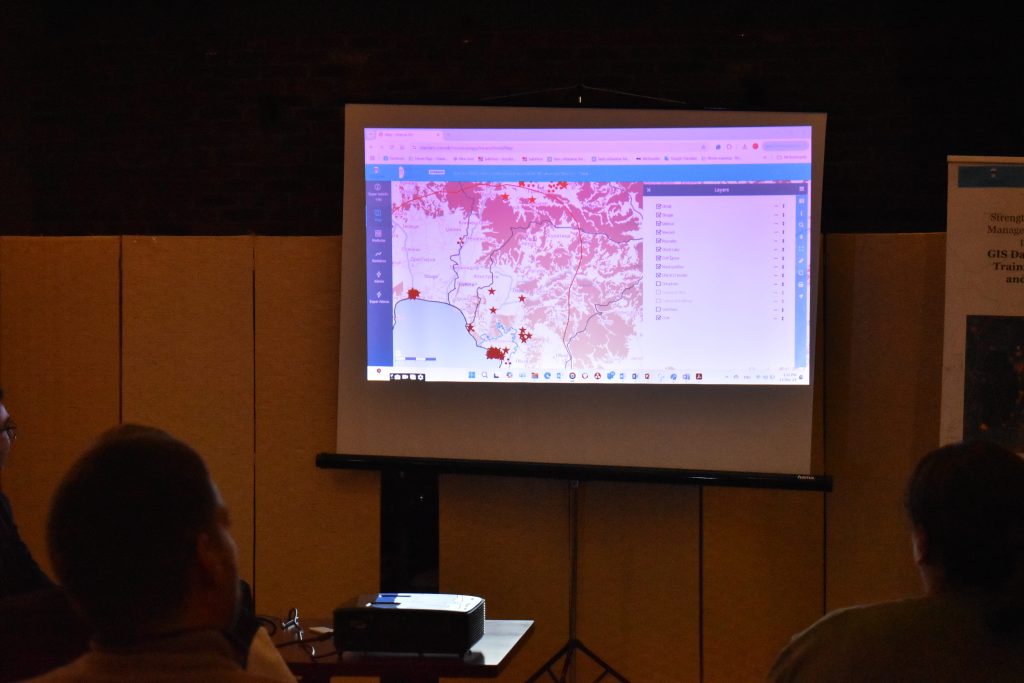
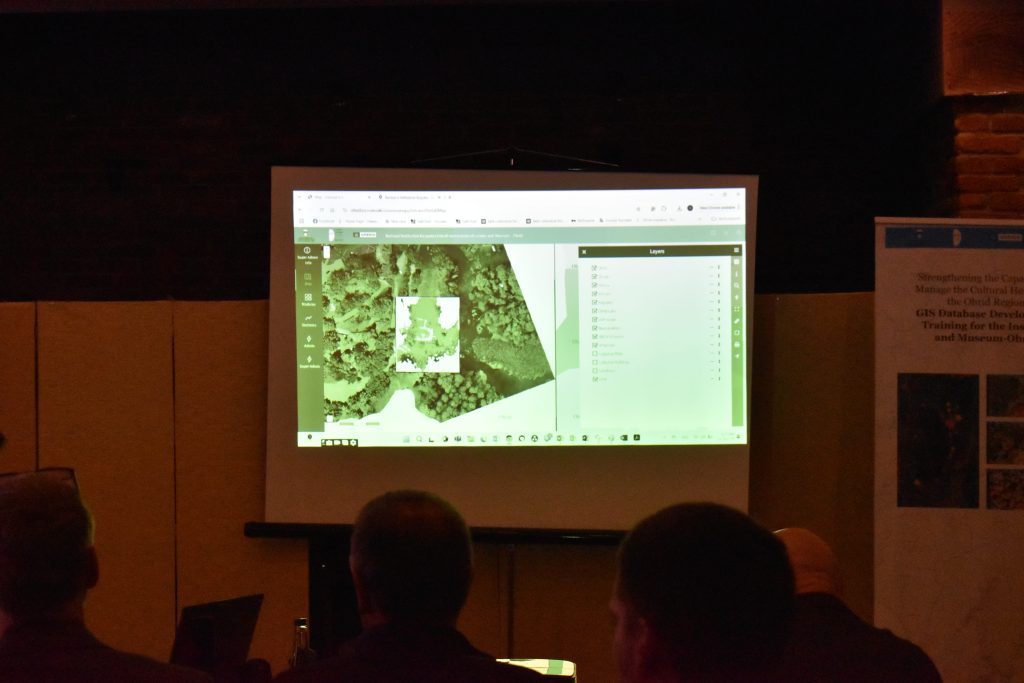
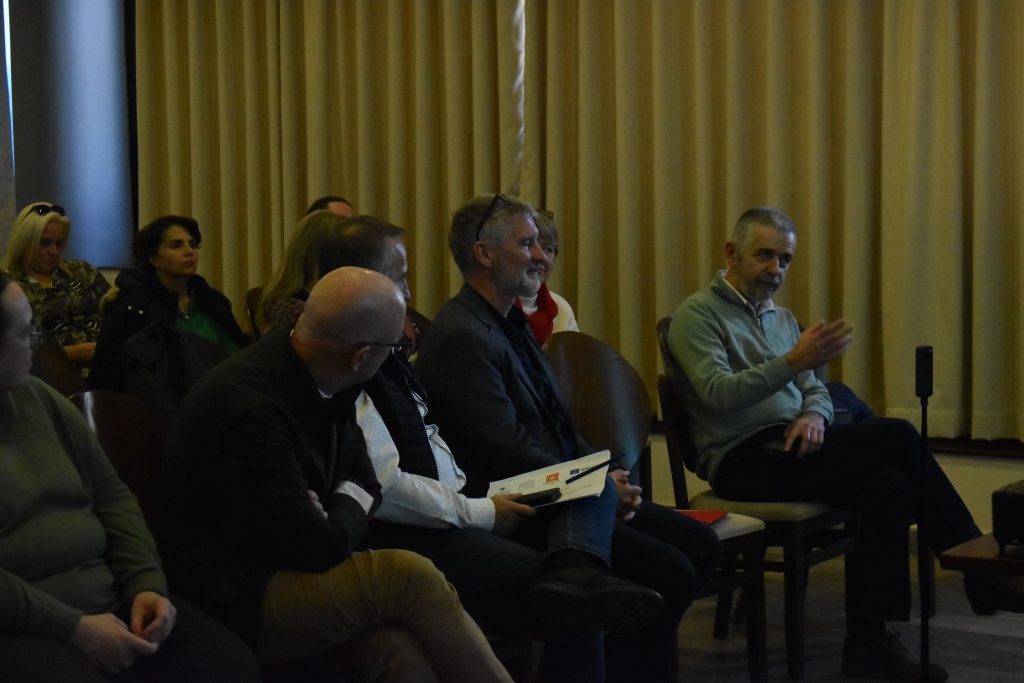
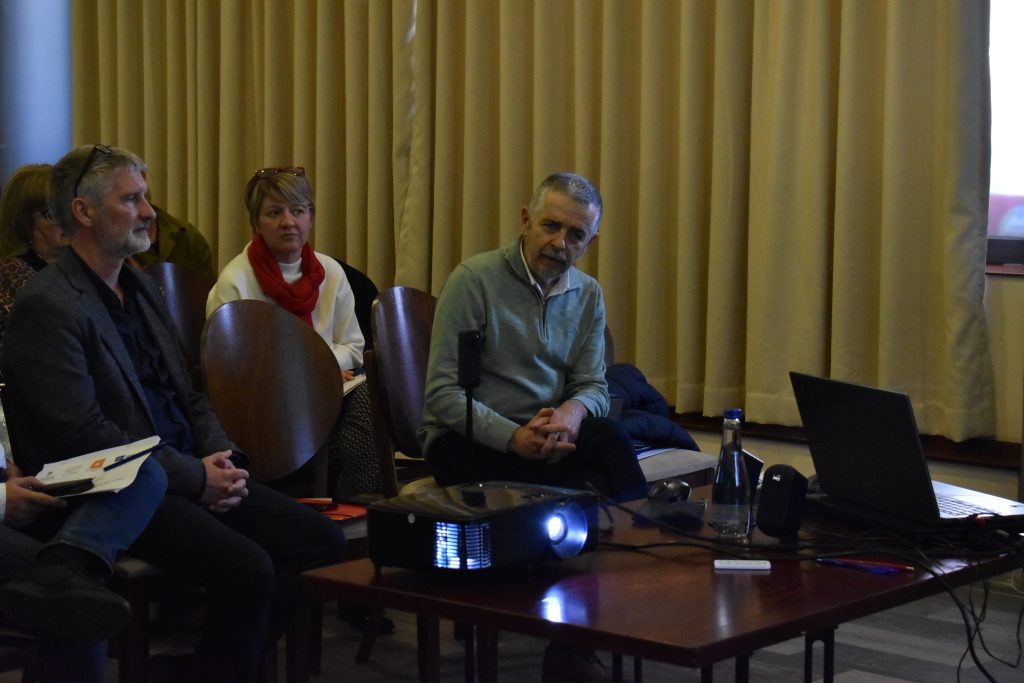
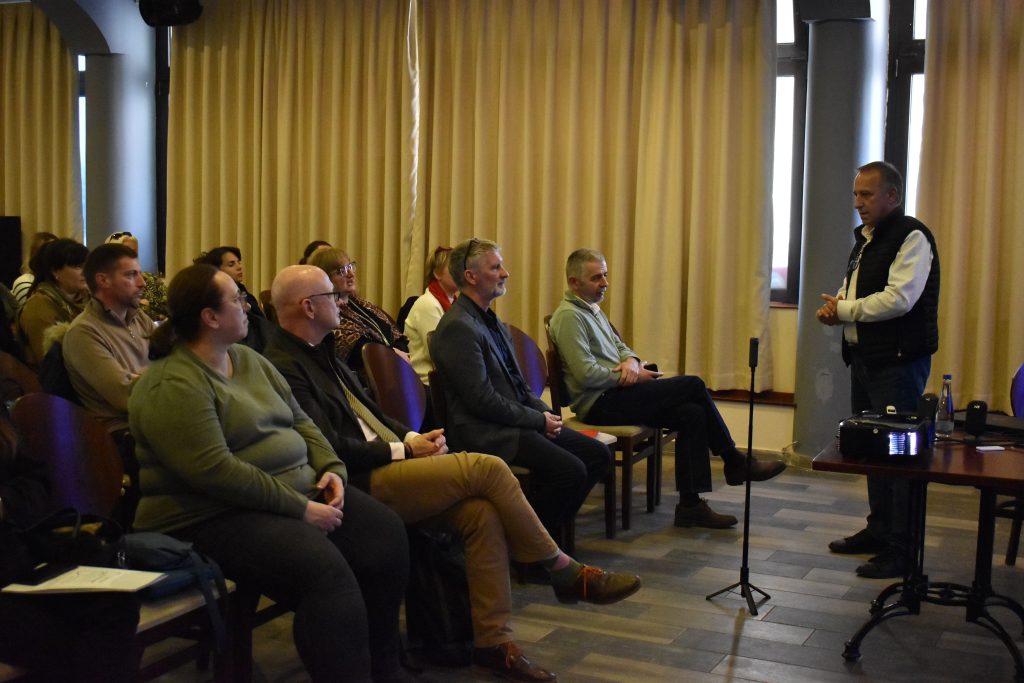
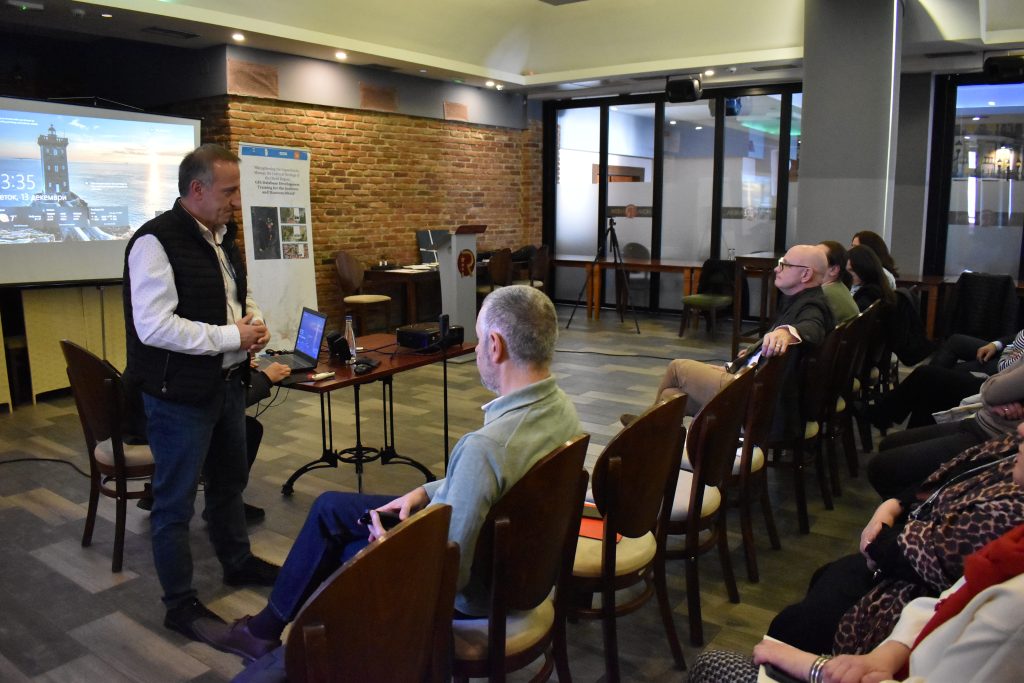
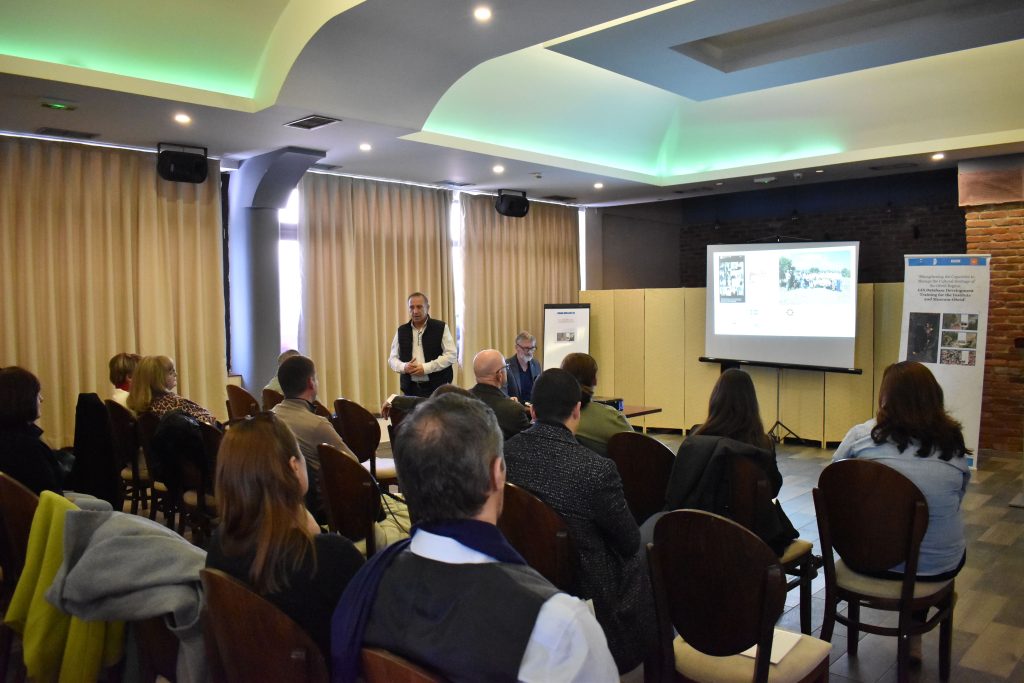
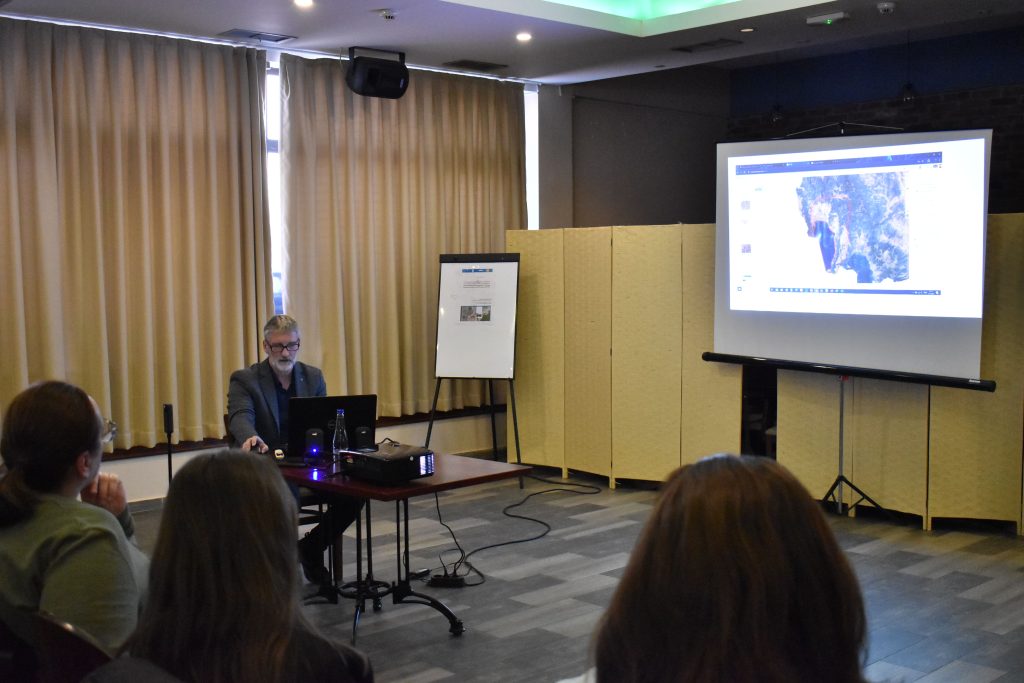
The Institute for protection of monuments of culture and Museum – Ohrid, organized a closing event for the Presentation of the GIS platform of immovable cultural heritage and archaeological sites of the Ohrid region, held on December 13th at Hotel Nova Riviera – Ohrid.
The presentation is part of the Project entitled: “Strengthening the Capacities to Manage the Cultural Heritage of the Ohrid Region: GIS Database Development Training for the Institute and Museum-Ohrid” Related to the donation agreement with UNESCO N˚:4500466546 International Assistance No. 3274,
https://whc.unesco.org/en/intassistance/3274 .
In addition to an introduction to the project by the coordinator, MA Goran Patchev, international experts Rand Epic and Tatjana Mijatovic, as well as domestic experts Ustiana Rechkoska Sikoska and Anastasija Talevska, also had presentations.
The WEBGIS platform was presented by Gjorgji Stojanov , the representative of the company “INTELLEGENT NETWORK SOLUTION DOO Skopje”
During the two years of implementation (2023-2024), a series of activities were carried out, such as 3 workshops, 4 missions, 32 site visits, for which three extensive interim reports were submitted to the headquarters of the Unit for Europe and North America at the UNESCO World Heritage Centre in Paris.
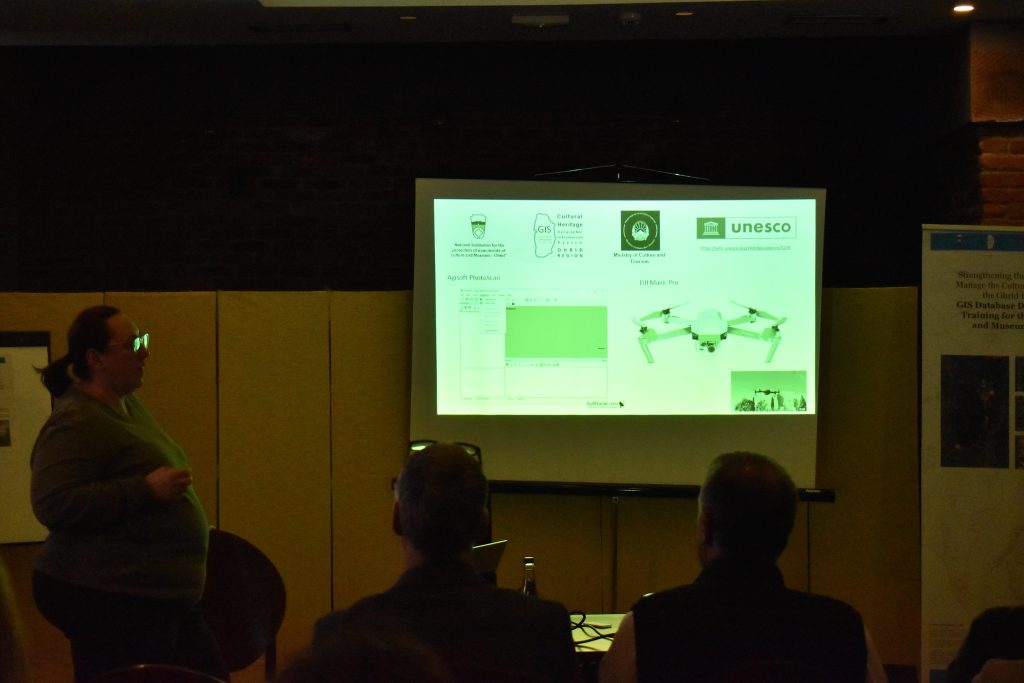
The activities included, among other things, the signing of a Memorandum of Cooperation by the National Institute and Museum Ohrid, and the University of Information Sciences and Technologies “St. Paul the Apostle”, which formalized the previously established cooperation between the two institutions regarding the organization and implementation of the “Regional Restoration Camp” (RRC) in partnership with “Cultural Heritage without Borders – Albania” (CHwB Albania) with which a Memorandum of Cooperation was also signed. Part of the activities were presentations by invited experts from various fields and some took place in the premises of the National Institute and Museum Ohrid and in the field, organized at several locations on the Macedonian and Albanian sides, subsequently, for recording, inventory, digitization and use of modern technology for 3D recording using drones and photogrammetry for the preparation of orthophotos and topographic maps. The results of these activities are the creation of a GIS platform for the immovable cultural heritage and archaeological sites of the Ohrid region, which will provide a WEBGIS database that can be used by the wider public and will be fed with data on the immovable cultural heritage and protected and recorded archaeological sites collected and documented during the project.
During the project, 6 professionals from the National Institute and Museum Ohrid were trained, as well as 32 trained persons through the Regional Restoration Camp not only from Albania and Macedonia but also from other neighboring Balkan countries. 32 locations were recorded and 3D models and orthophotos (included in GIS) were made of locations in the Ohrid region, including orthophotos of 2 units of the historical cores of Ohrid and Pogradec, with approximately 35,000 photos. Numerous documentation was reviewed and updated and an inventory was made from the territory of the 4 municipalities of Ohrid, Struga, Debrca and Vevcani of 181 diverse cultural heritage sites and 380 build monuments and archaeological sites were recorded. On the Albanian side, 4 cultural monuments were recorded within the borders of the UNESCO Region and 8 within the borders of the Buffer zone of the Ohrid region on the Albanian side.
This is the first transnational Geographic Information System of the World Heritage Site of the Ohrid Region, and is essential for the management of the hundreds of sites around the lake.
For the needs of transparent implementation of the project, public procurements were also announced for computer equipment and for hiring an agency to organize events, travel, accommodation and meals for international and domestic experts engaged in the project.
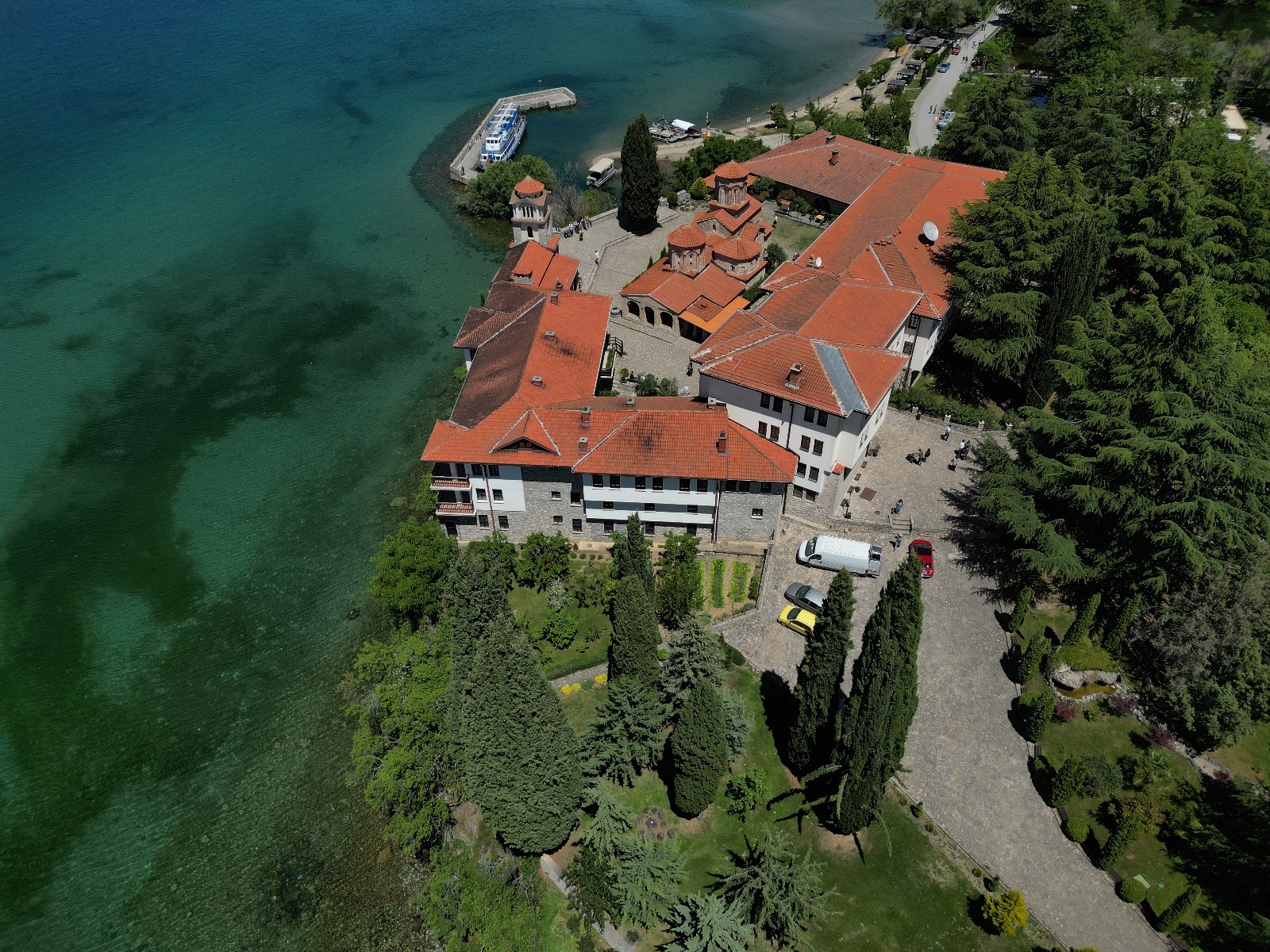
During numerous visits and monitoring of cultural heritage, it was found that there are different characteristics of the cultural heritage sites around Lake Ohrid, namely: Cave Churches, Religious (Monastery) Complexes, Archaeological Sites and Urban Sites (Settlement Areas).
Drone images were first processed in the field at low resolution using the photogrammetric software Agisoft and a low-resolution model and orthophoto generation were then inserted into a sample GIS software.
The main objective of the project was to strengthen the capacity of the staff of the Institute for protection of monuments of culture and Museum – Ohrid to improve the management of cultural heritage spread across the territory of the Ohrid region, taking into account the findings of the Reactive Monitoring Mission (2017) and Mission reports 2024 (Decision 46 COM 7B.44) and in accordance with the Decision of the World Heritage Committee 41 COM 7B.34 (Krakow, 2017 and Baku, 2019). As part of the project, the goal is also to classify and scan (digitize) protected archaeological sites, their selection and organization by priority for easier inventory and archiving. This documentation is necessary not only as a record, but also as a tool for management and monitoring.
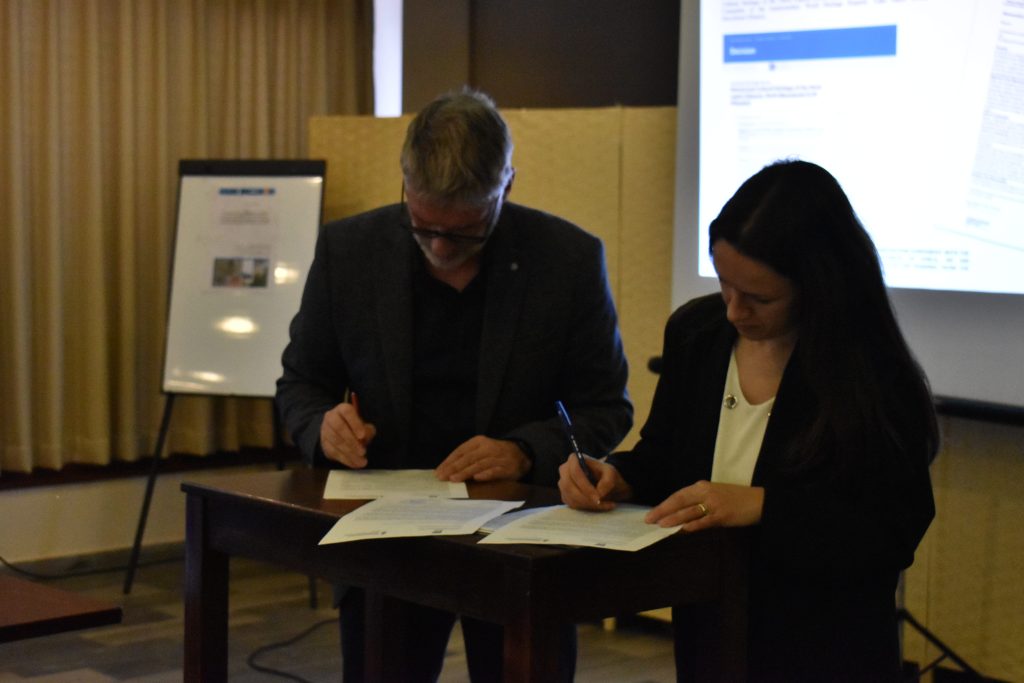
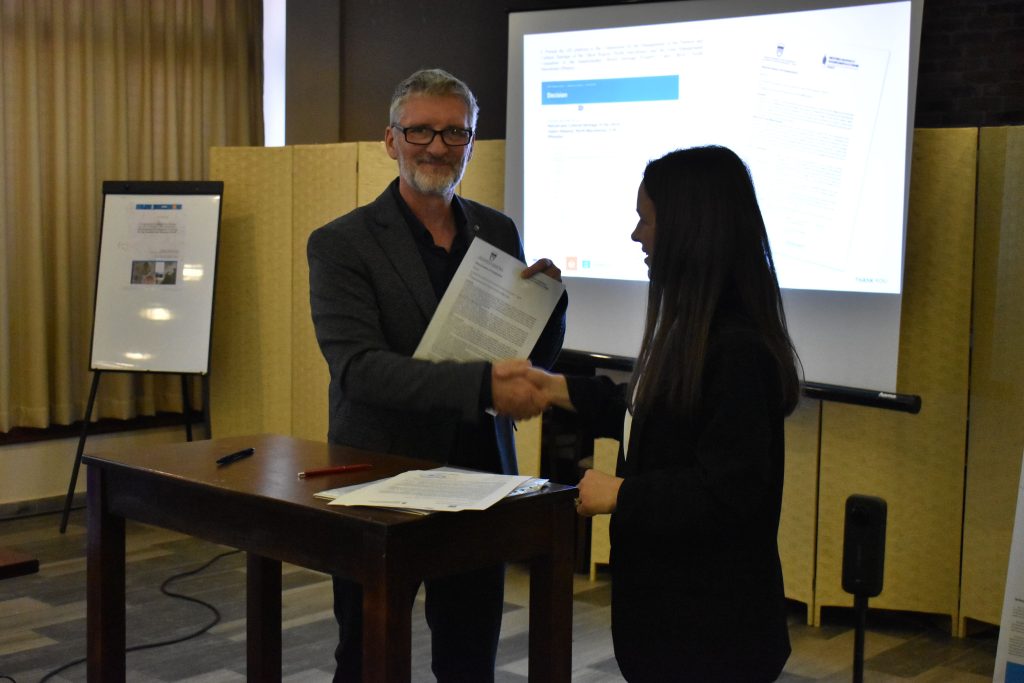
All of this is also one of the goals of the Strategic Plan for the Rehabilitation of the World Natural and Cultural Heritage of the Ohrid Region (2023-2030) which are noted as proposed measures in the Action Plan in the Table of Rehabilitation Measures and United Nations Sustainable Development Goals that are achieved by their implementation, namely: – in point 1.A.10 Strengthening measures for the protection of cultural heritage in the Ohrid region, where the GIS project will assist in the preparation of an Elaborate for the revaluation of cultural heritage with an inventory of cultural goods in the Ohrid region, with identification of the good (borders and contact zone), with a determined existing condition, with defined protection regimes by zones, as well as point 1.A.17 Strengthening the management framework at the cross-border and national level, i.e. Preparation of an inventory for the Municipality of Pogradec similar to the one prepared for the Municipality of Ohrid, all in one common WEB GIS platform. For this, a Memorandum of Cooperation was signed at the event with the Director Xhuljana Avdoli from the Regional Directorate for National Culture (RDNC) Korca, Republic of Albania, where both parties commit to cooperate at an operational level, in organizing projects, exhibitions, educational activities and other initiatives that contribute to the preservation and promotion of cultural heritage and will improve the mechanisms for joint management of the Ohrid region.
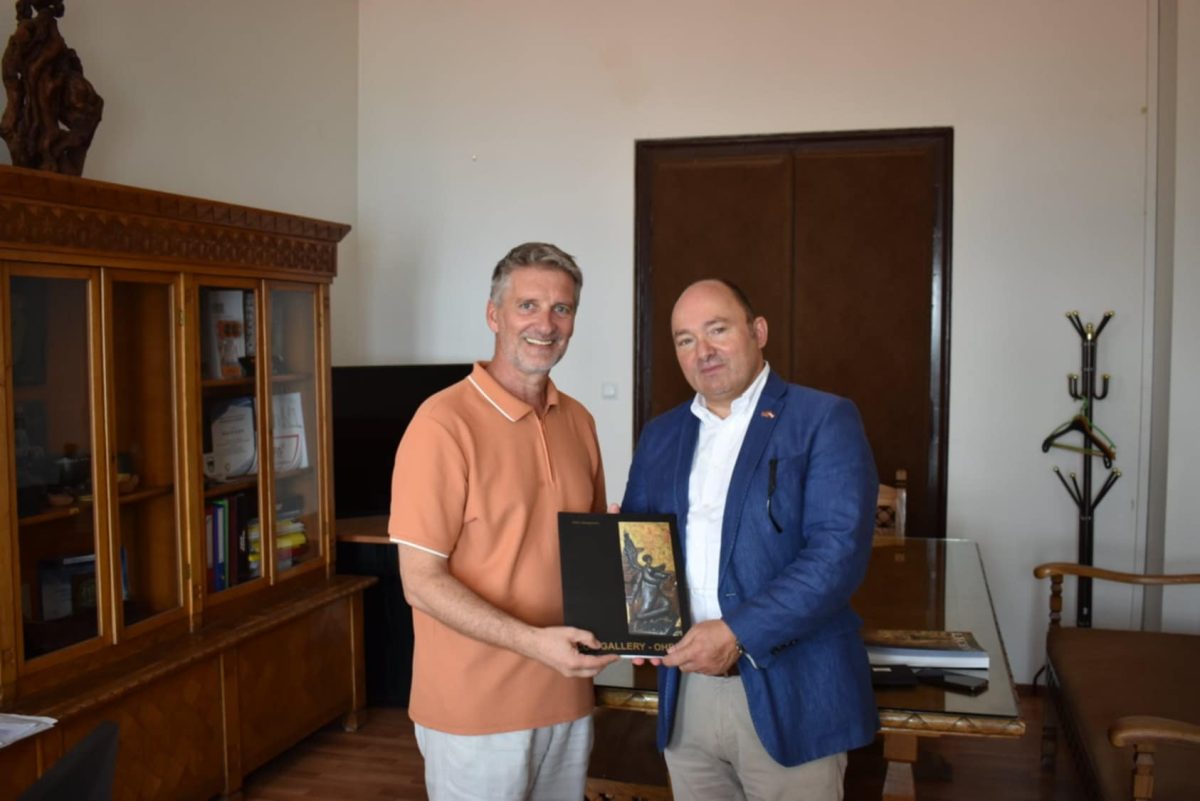
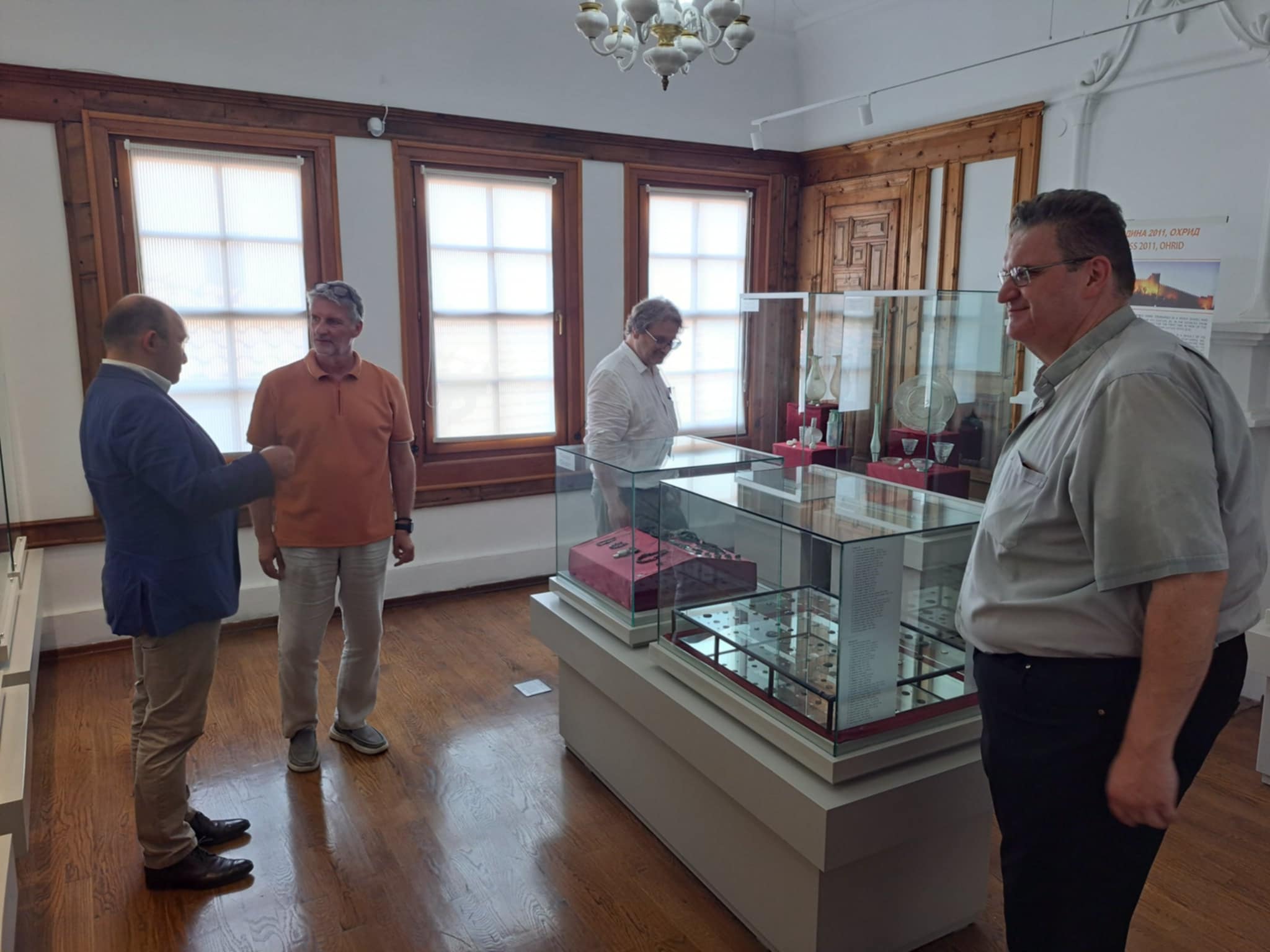
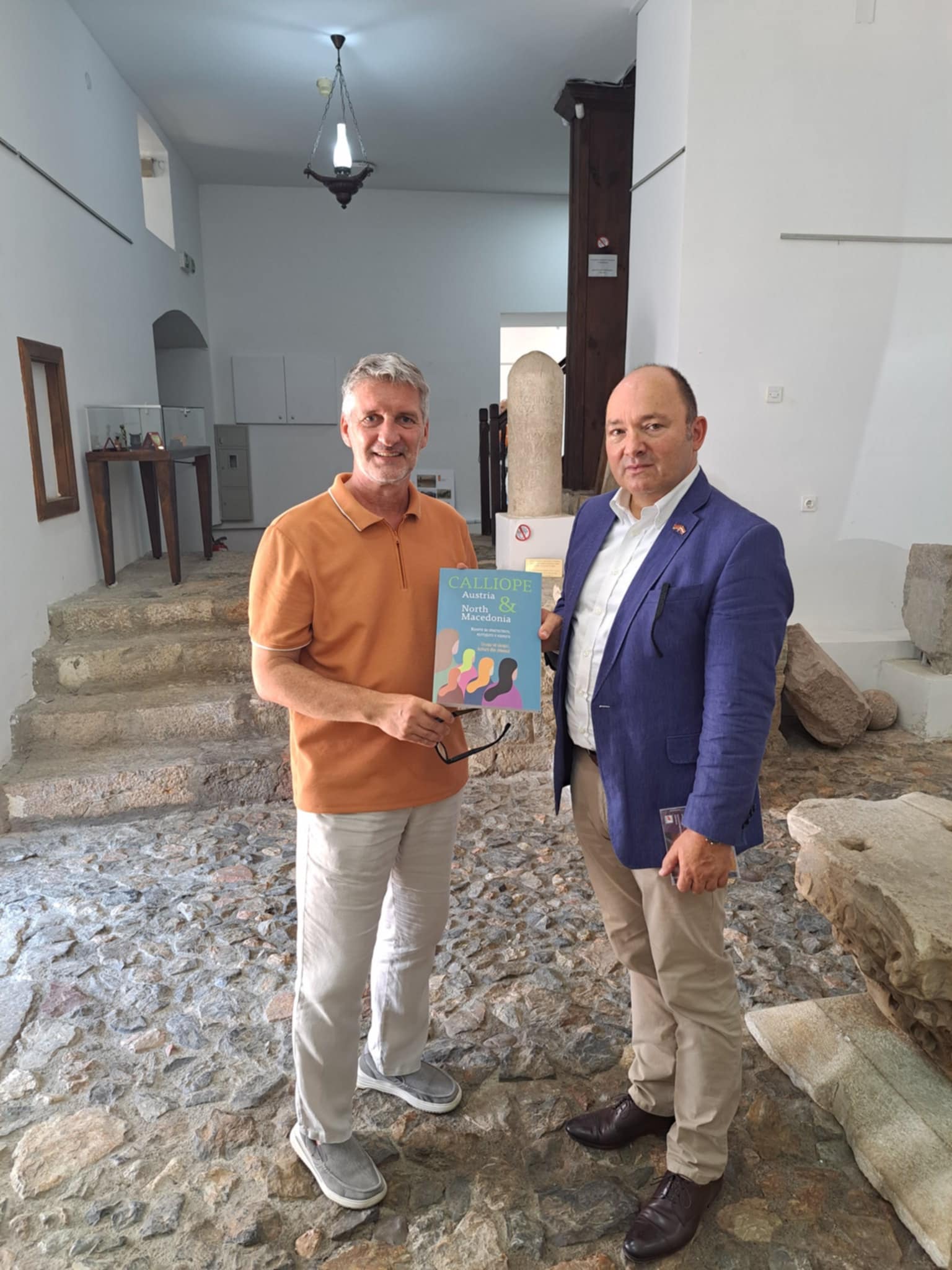
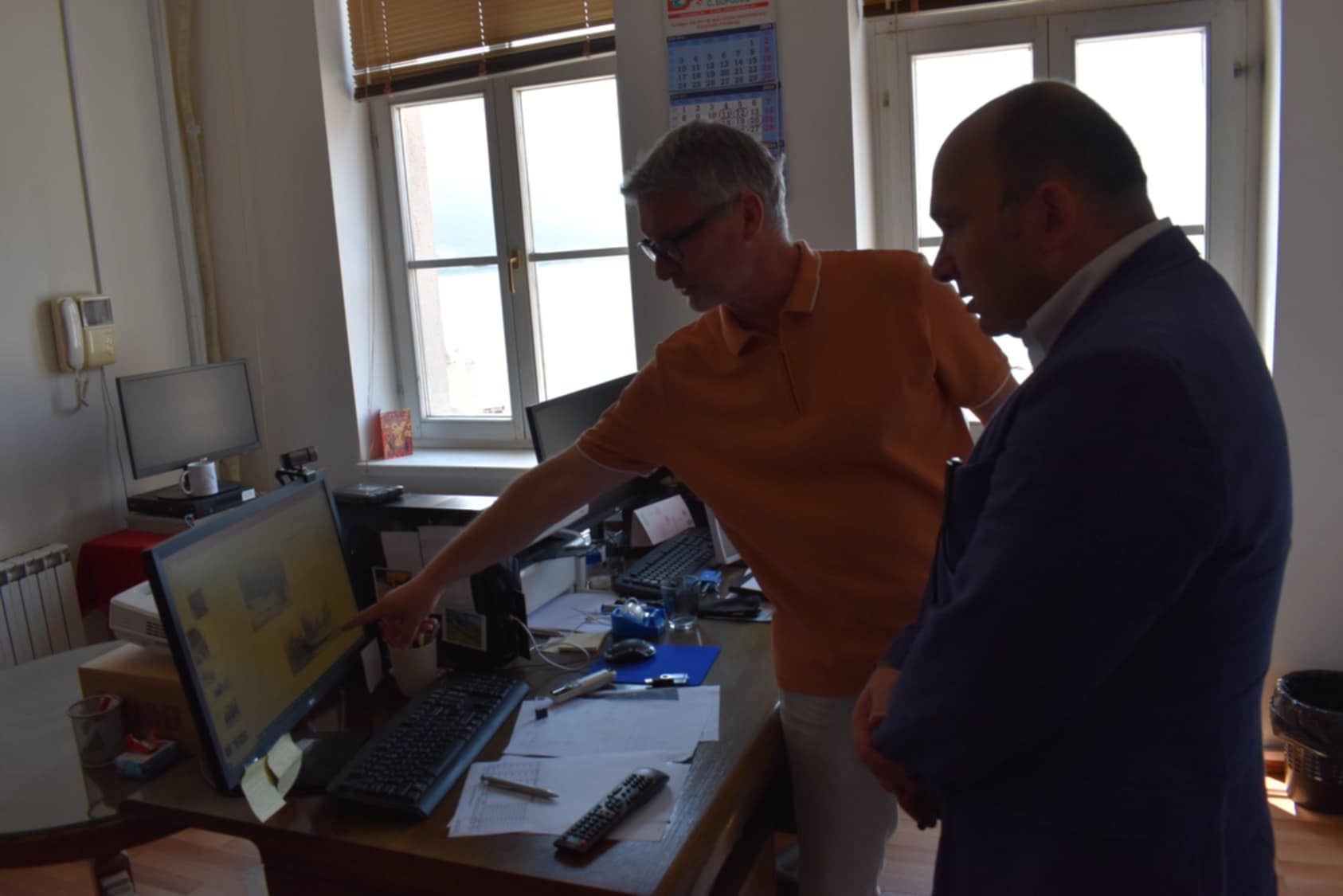
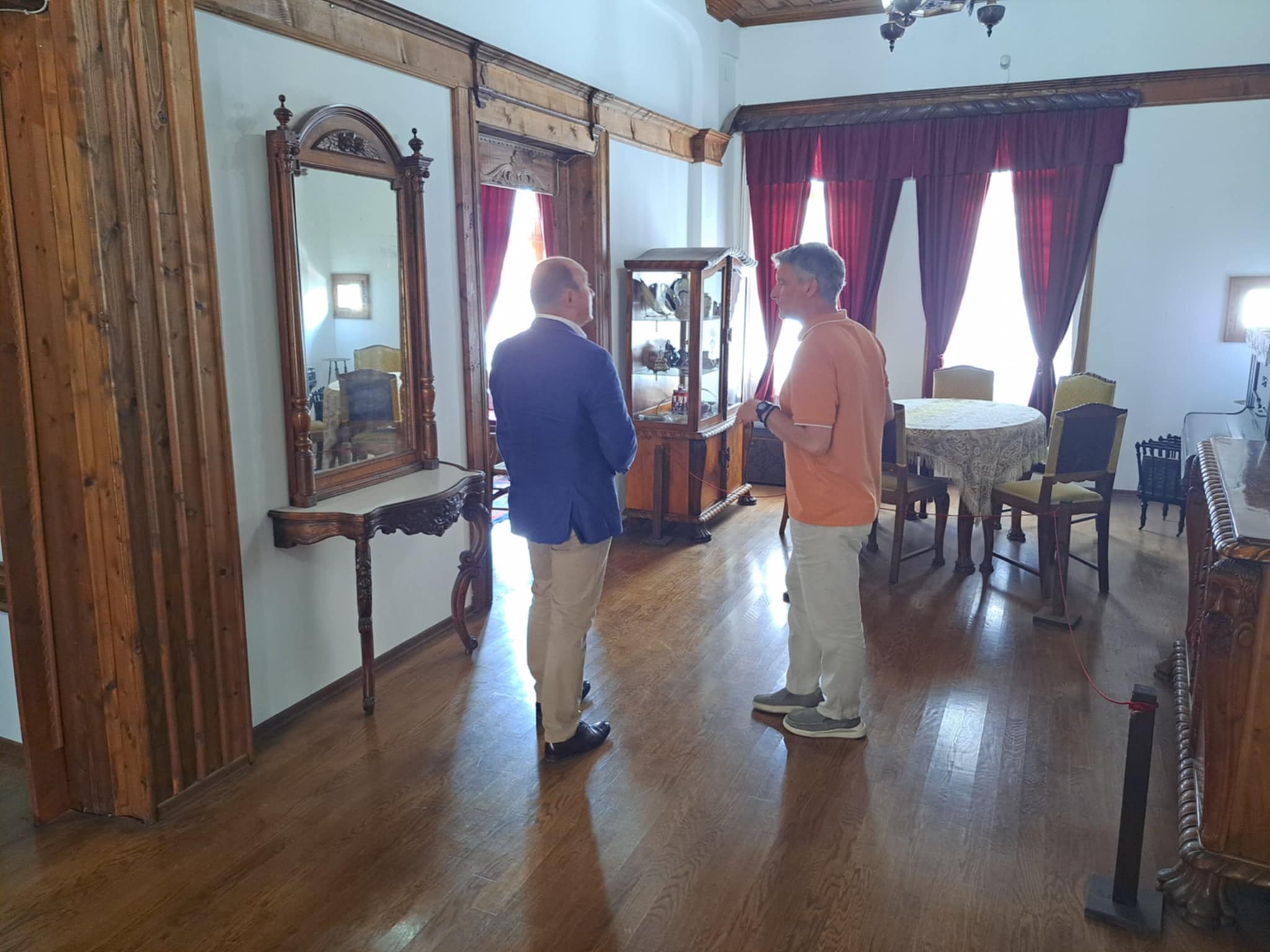
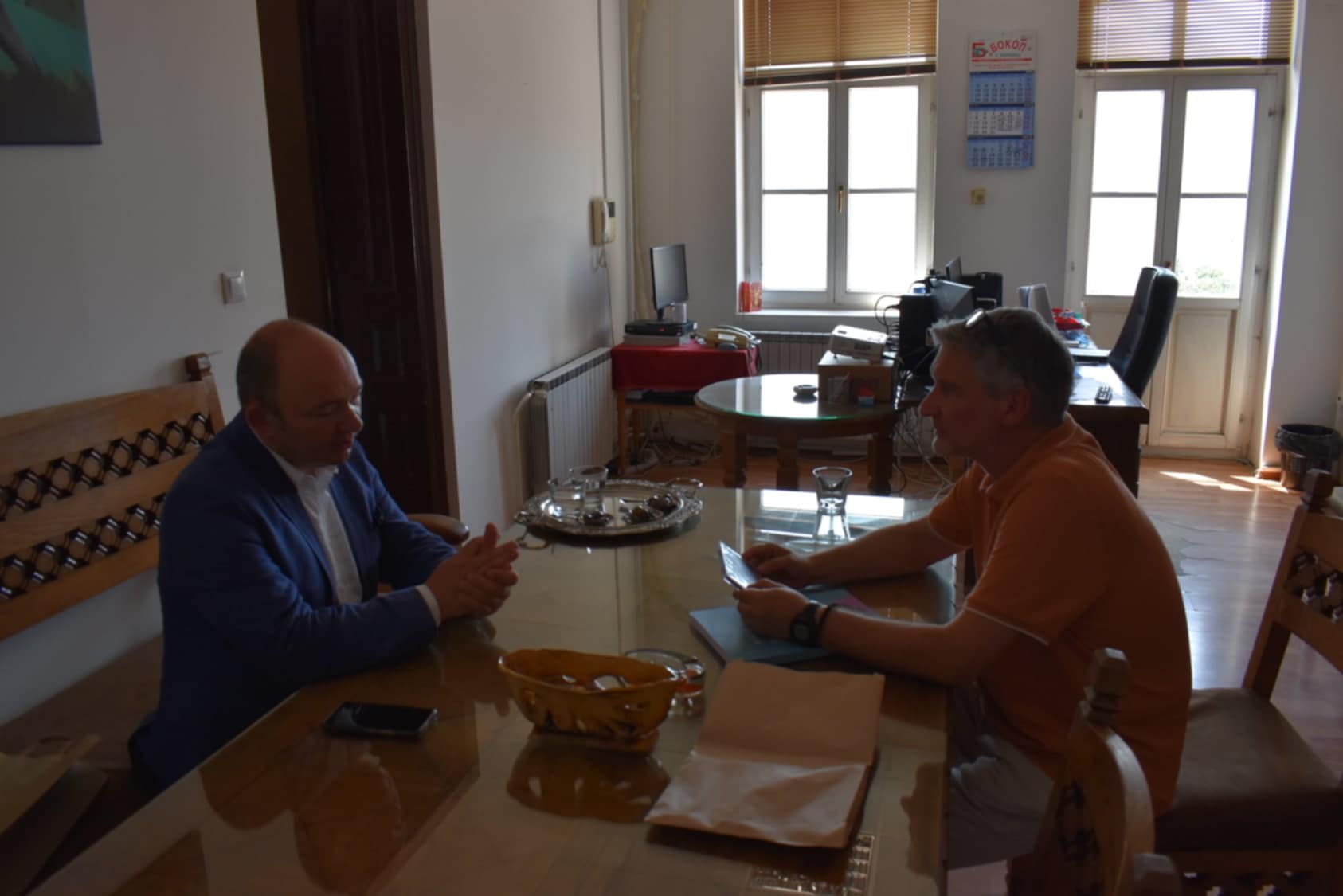
I had the honor to meet the Austrian Ambassador, His Excellency Mr. Martin Pammer, on the occasion of the Austrian Day as part of the Ohrid Summer Festival 2024 event. In addition, a walk through the museum exhibits of the House of Robev Family and familiarization with our scope of work, we also exchanged suitable gifts.
Acting Director, Goran Patchev, M.Sc
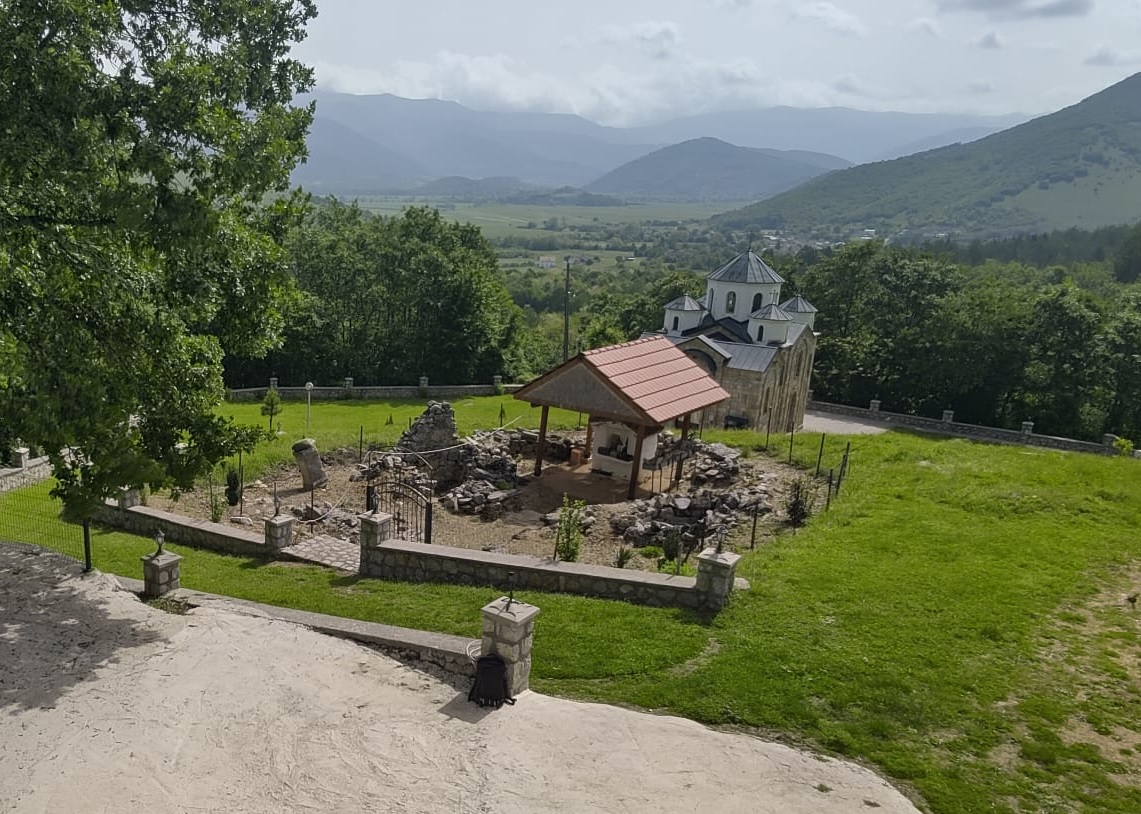
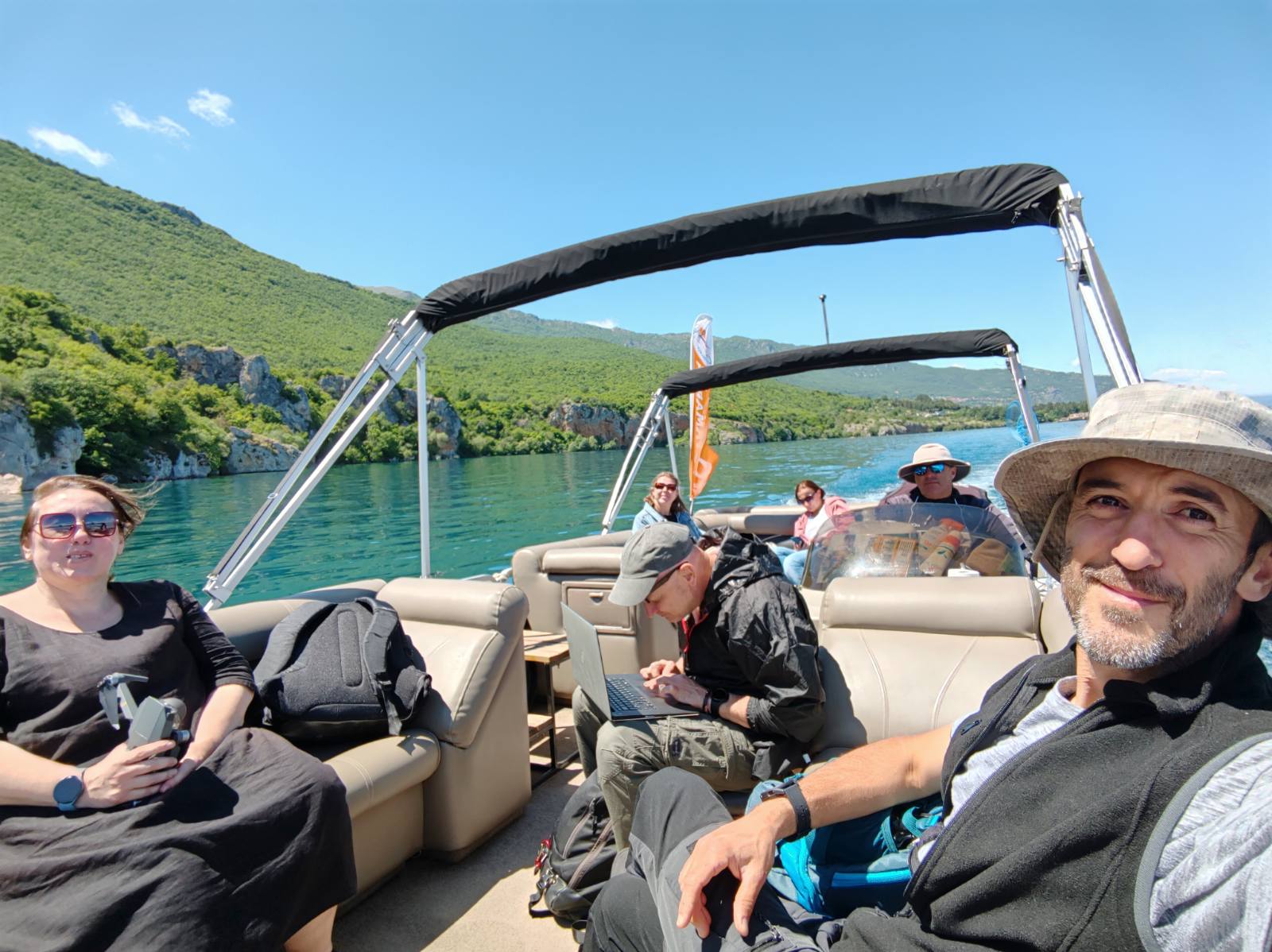
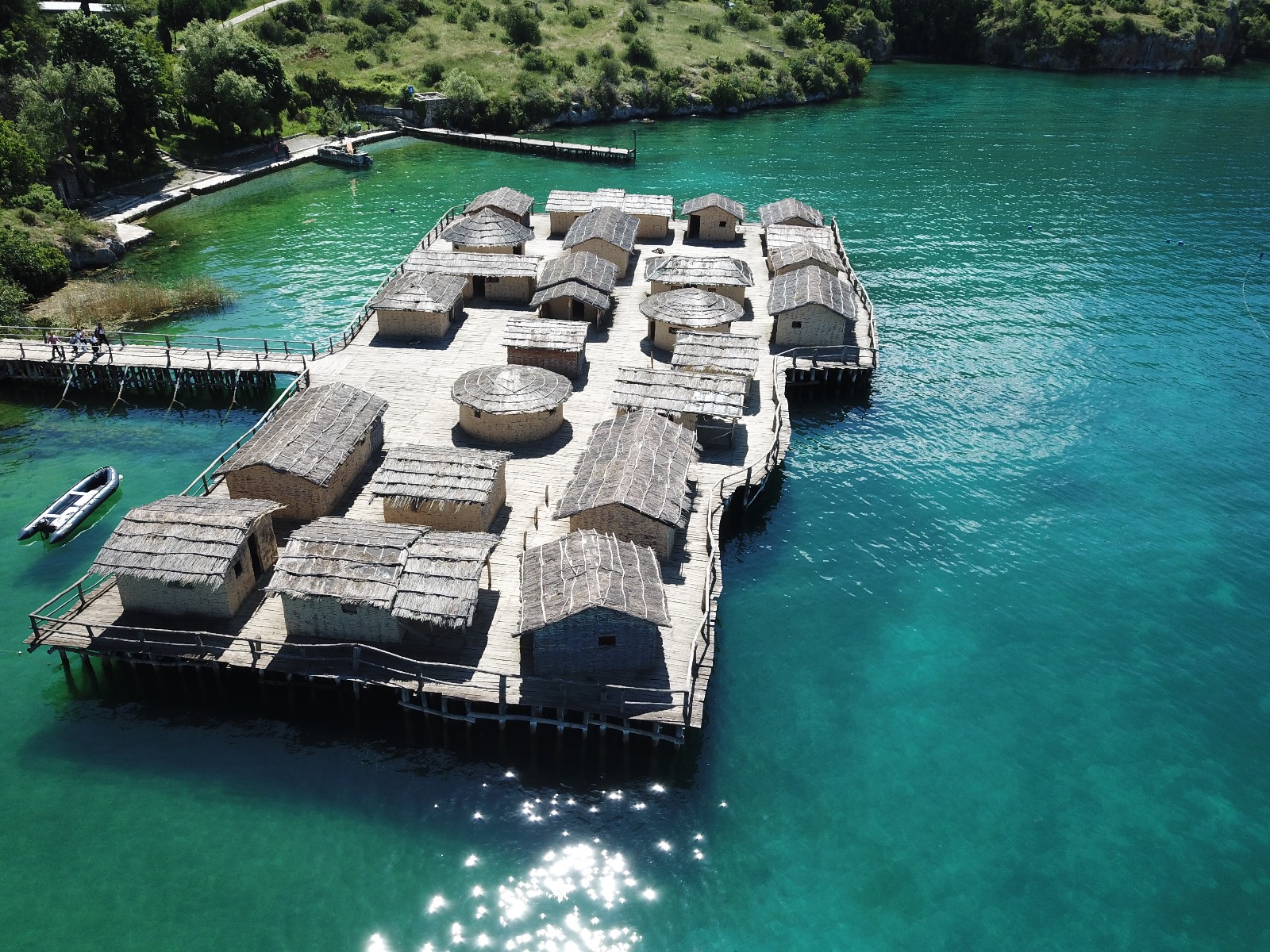
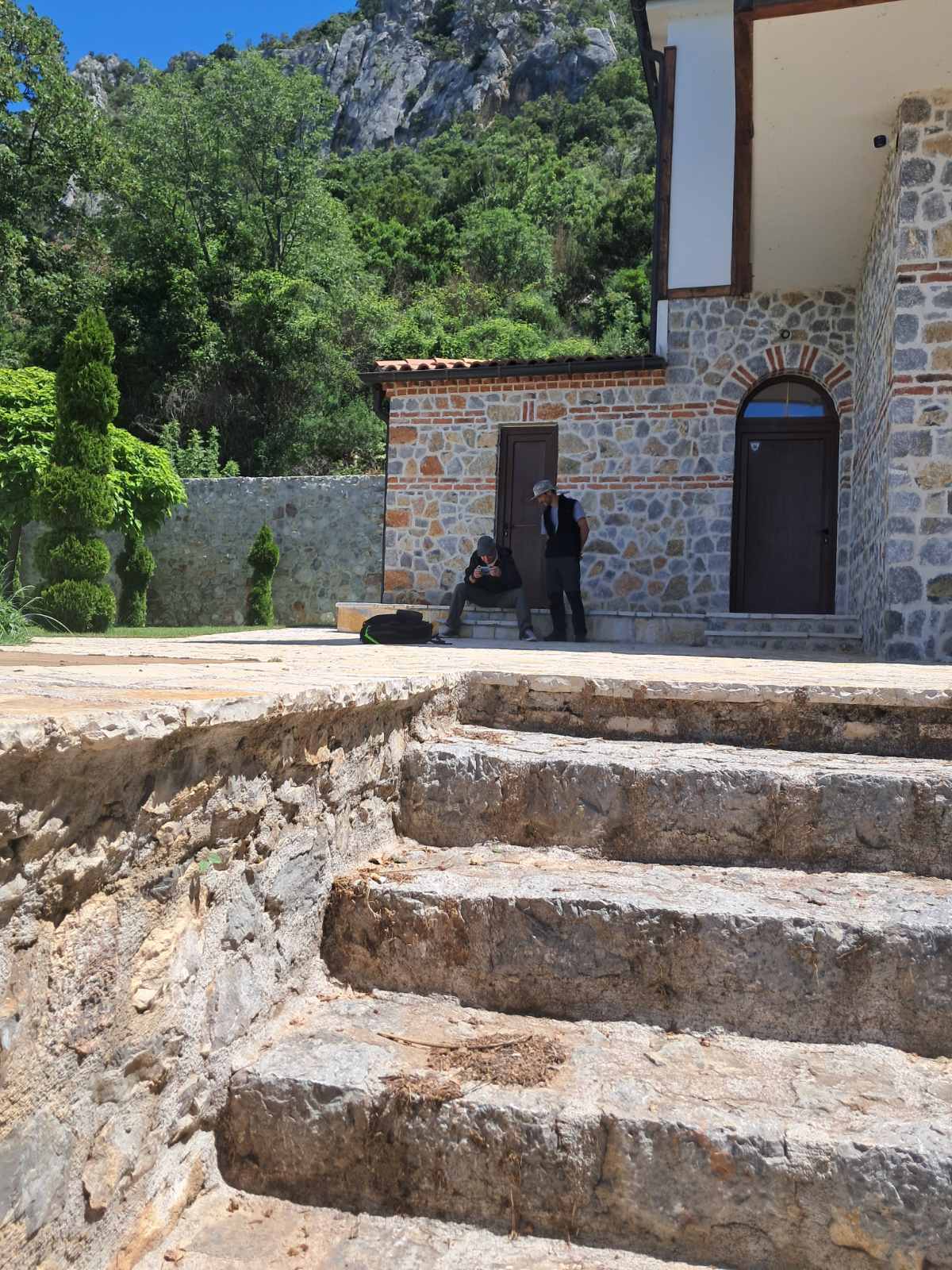
Our team of experts from Institution for the protection of cultural heritage and Museum Ohrid, together with international and domestic experts, visited certain cultural monuments and archeological sites in the municipalities of Ohrid, Struga and Debrca, with drone recording, for the purpose of monitoring and recording the monuments that are declared a monument of culture and the creation of orthophoto bases that will serve in the creation of a GIS platform, within the framework of the implementation of the project entitled: “Strengthening the capacities for the management of the cultural heritage of the Ohrid Region: Training for the development of databases and GIS – platform for immovable cultural heritage for the Institute and Museum – Ohrid” in cooperation with UNESCO.
As a continuation of last year’s activities, in the period from May 19 to 24, records, inventory, digitization were carried out using modern technology for 3D external recording with the help of drones and photogrammetry for the preparation of orthophotos and topographic maps, in order to set up a working plan that will ensure the creation of a WEBGIS platform for immovable cultural heritage and archaeological sites from the Ohrid region.
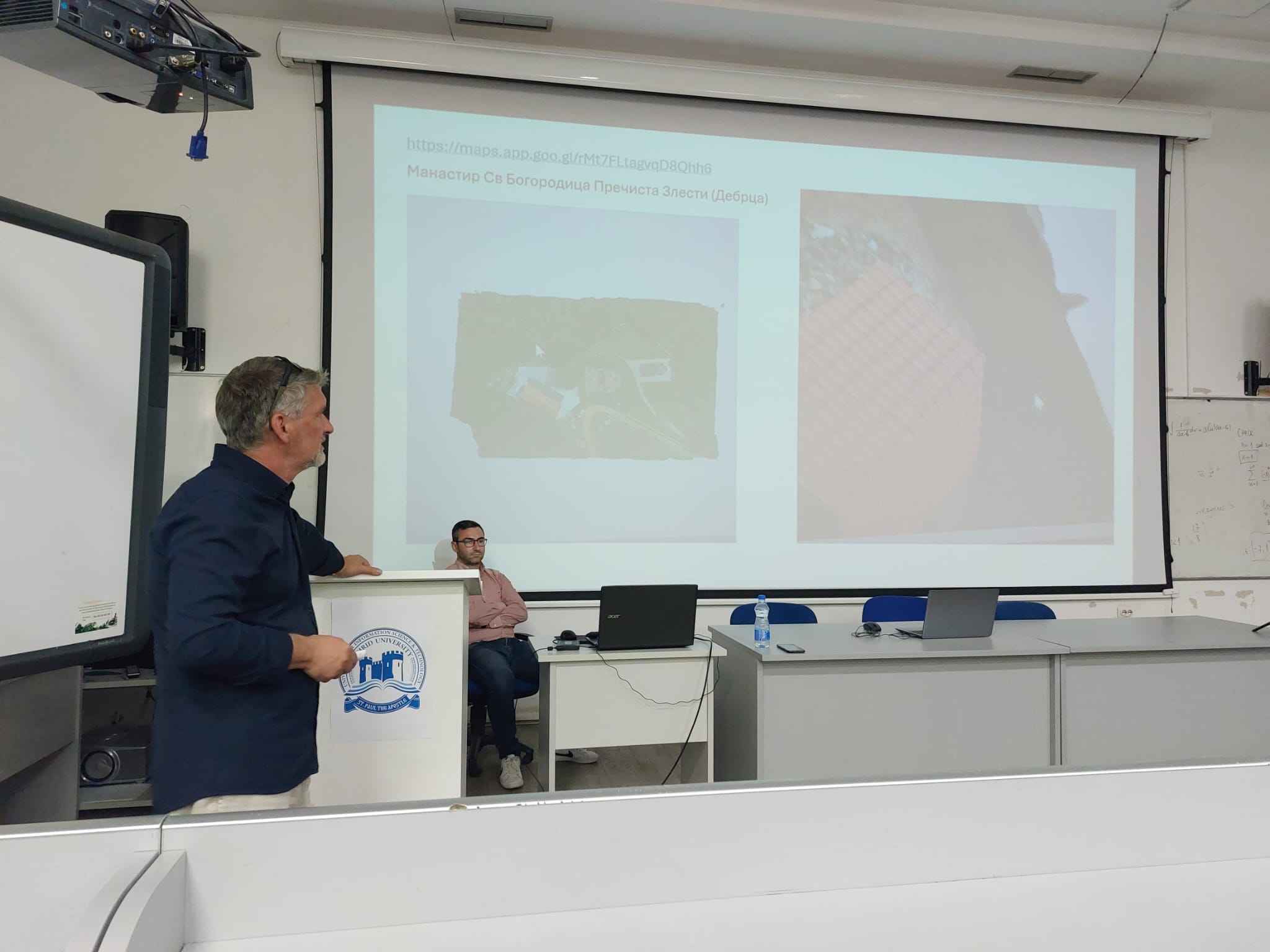
On 22.05.2024 (Wednesday) from 12:00 pm to 3:00 pm in the premises of The University of Information Science and Technology (UIST) “St. Paul the Apostle”, the WEB GIS platform was presented with a short training session by a representative from the company “Intelligent Network Solutions DOO Skopje” for its use and development for employees, i.e. users from NU Institute and Museum – Ohrid.
At the event, in addition to international experts Dr. Rand Epich from the USA and Tatjana Mijatović from BiH, we were also honored by professor Dr. Ustijana Rechkoska-Shikoska from the “St. Paul the Apostle” University and architect Anastasia Talevska. Bojan Taneski and Tatjana Stojoska Vidovska, Senior Curator Archaeologist, Ljubica Taseska Blažeska, MA, Senior Conservator, Katerina Velkoska, Art Historian, Ivan Malezanov, Bachelor of Arts in Archaeology, attended from the colleagues from NU Zavod and Museum Ohrid. Goran Patchev, M.Sc., Senior Conservator, is responsible for the realization of the project.
With the signing of a Memorandum of Collaboration by Acting Director of the Museum, Irena Shajn, M.Sc. and Vice-Rector Professor Dr. Ustijana Rechkoska Shikoska, the previously established collaboration between the two institutions has been formalized. The commencement of the project titled “Strengthening the Capacities for Managing the Cultural Heritage of the Ohrid Region: GIS Database Development Training for the Institute and Museum – Ohrid” initiative of Goran Patchev, M.Sc., serves as the occasion for this Memorandum signing. The project encompasses a range of activities, including the organization of a “Regional Restoration Camp” (RRC) in partnership with “Cultural Heritage Without Borders – Albania” (CHwB Albania).
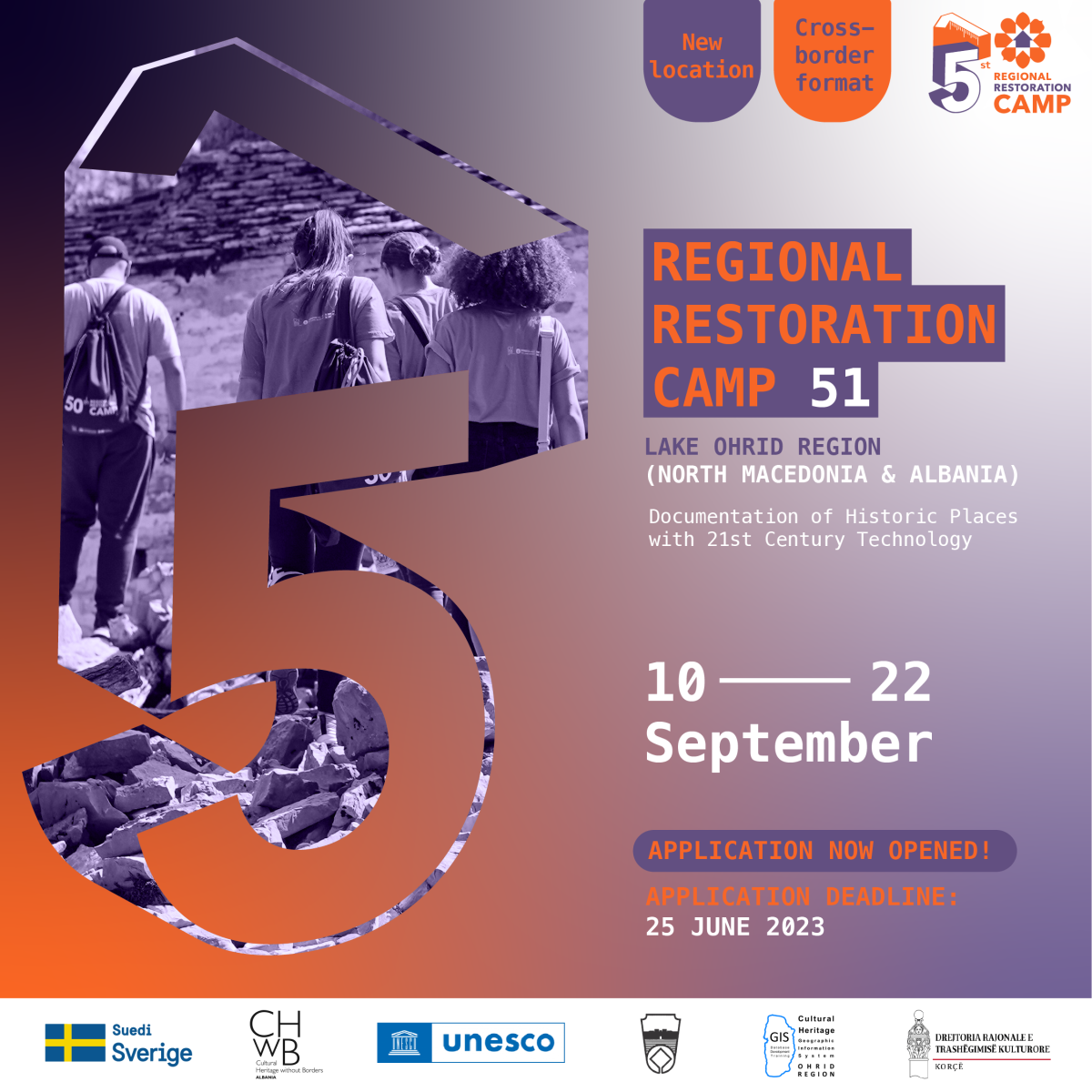
Some of the activities take place in the auditorium of the University of Information Science and Technology “St. Paul the Apostle”, where there will be presentations by experts from various fields and part of it will take place in the field, organized in both locations on the Macedonian and Albanian sides, consecutively, from September 10 to 22, for records, inventory, digitization and use of modern technology for 3D recording with the help of drones and photogrammetry for the preparation of orthophotos and topographic maps. The results of the camp will be the basis for the creation of a GIS platform for immovable cultural heritage and archaeological sites from the Ohrid region, which will provide a WEBGIS database that can be used by the general public and will be fed with data about immovable cultural heritage and the protected archaeological sites collected and documented during the project.


We inform you that we have started with the implementation of the project entitled: ‘Strengthening the Capacities to Manage the Cultural Heritage of the Ohrid Region: GIS Database Development Training for the Institute and Museum-Ohrid”. https://whc.unesco.org/en/intassistance/3274
The project is implemented by the Institute and Museum-Ohrid and has a total amount of 55 thousand US dollars, and aims to upgrade the knowledge and ability of the professionals in the Institute and Museum – Ohrid in terms of GIS-skills with the help of international experts and in cooperation with experts involved in the development of a GIS platform from our side and from the Albanian side. The project includes various activities, such as: Reviewing the existing documentation and conducting a field inspection of the current state of the cultural heritage based on a list of registered sites of the cultural and archaeological heritage in the Ohrid region and documenting with photos and GPS locating. Digitization of the documentation with a standardized procedure for recording the cultural heritage to be established within the project, which will have to be compatible with the systems already established in our institution with the system of the national electronic register but also with European standards;
The next step will be the cooperation with experts involved in the development of a national GIS platform for archaeological and architectural monuments in Albania and with the with the Regional Directorate of Cultural Heritage, Korce in Albania, in order to strengthen cross-border cooperation for the specific needs of the Ohrid Lake region.
For this purpose, we concluded a memorandum of cooperation with “Cultural Heritage without Borders – Albania” (CHwB Albania), with whom we will jointly conduct training for participants in the “Regional Restoration Camp ” (RRC), organized in both locations consecutively, from September 10 to 22, for Documentation of Historic Places with 21st Century Technology 3D rapid recording using drones & photogrammetry to produce orthophotography and topographic maps for a Geographic Information System of the World Heritage property of the Orhid Region Albania/Northern Macedonia.
You can find an application for participating in the camp in the following link:
(https://www.facebook.com/CHwBAlbania/posts/pfbid0oBsvmZSESgwhjr71tKVrsULjtir5ZcngxM2ZqDCMiwijdWN4pbyenHfYRYnpiVYYl).