International Workshop on the Protection and Promotion of Cultural Heritage

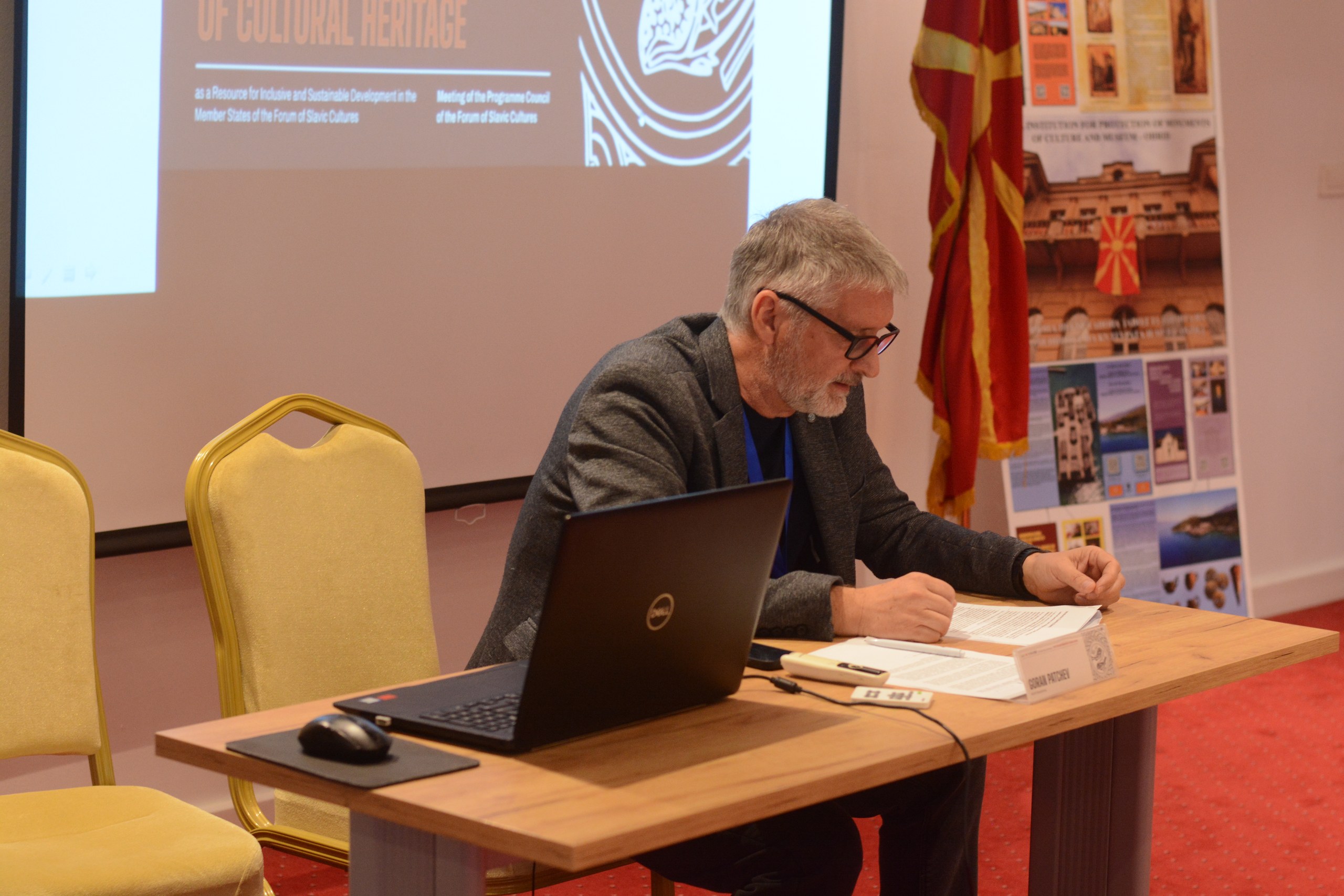
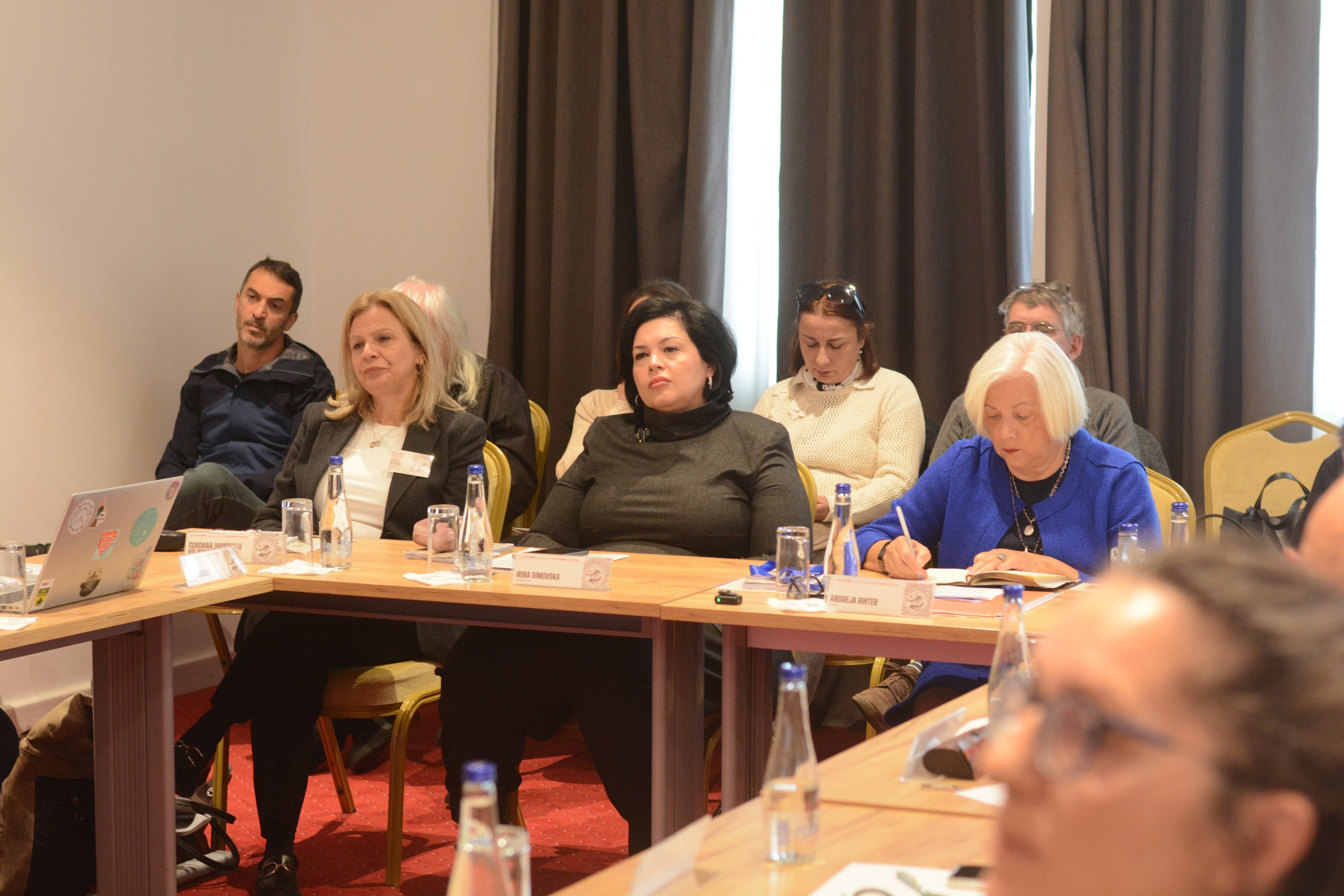
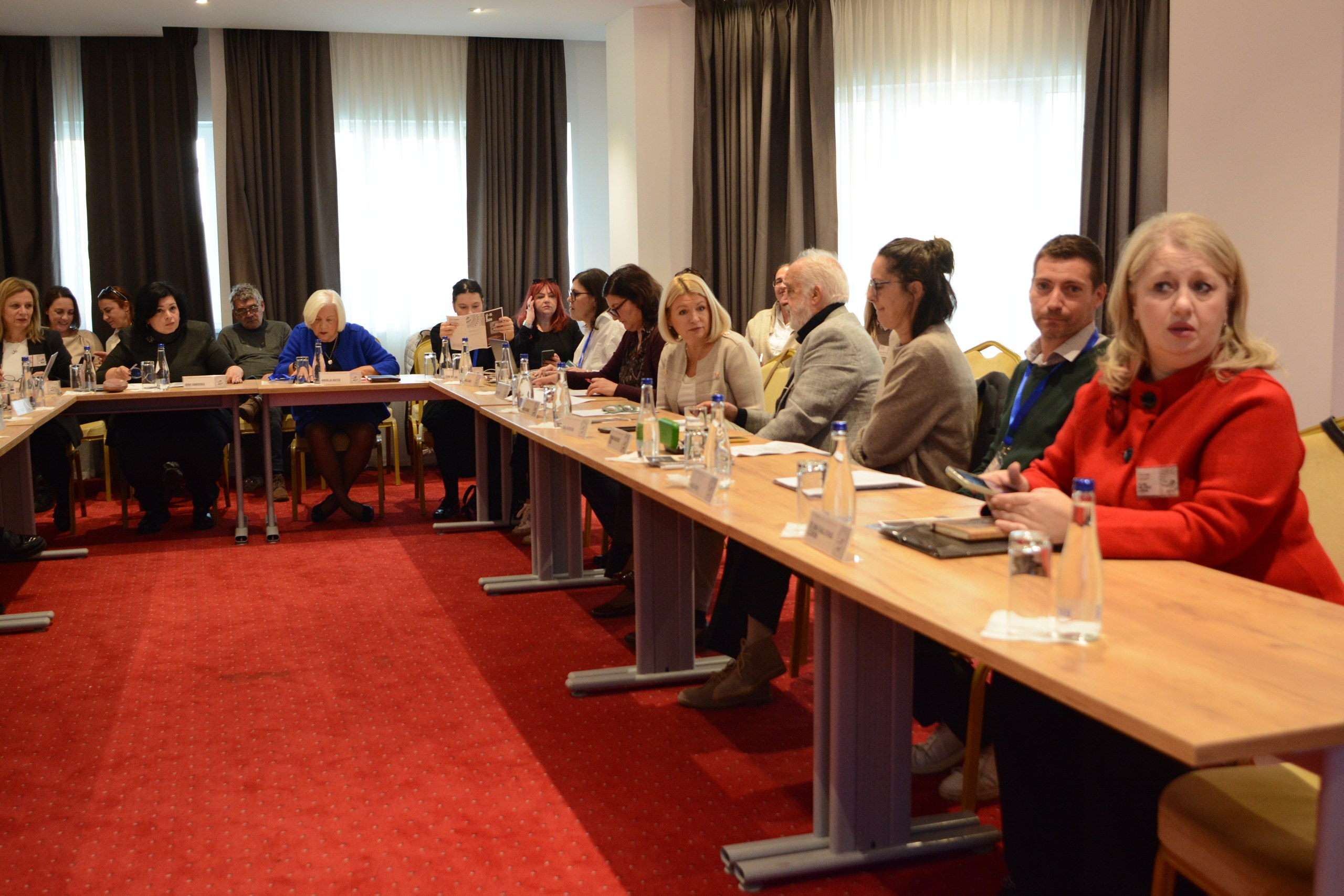
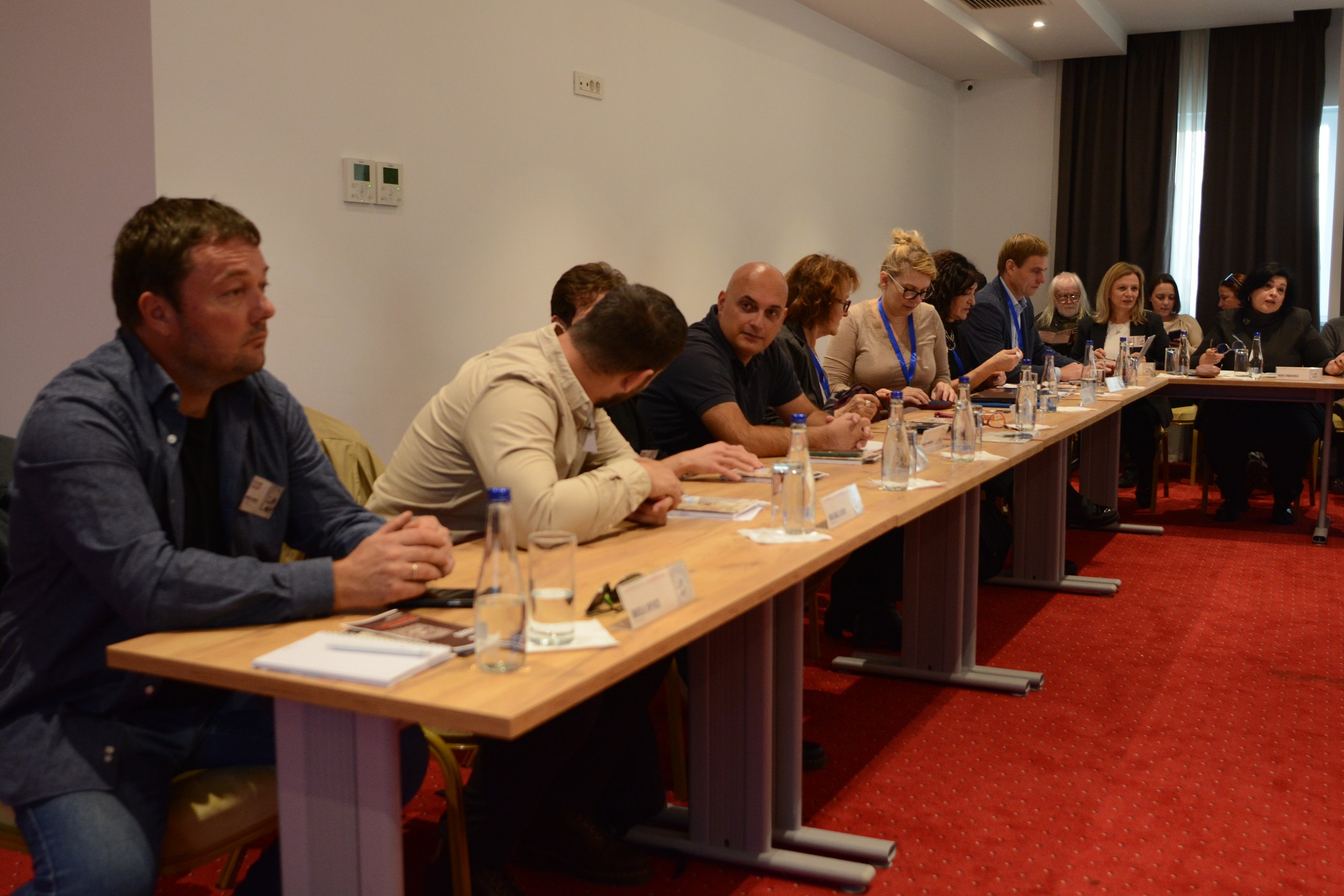
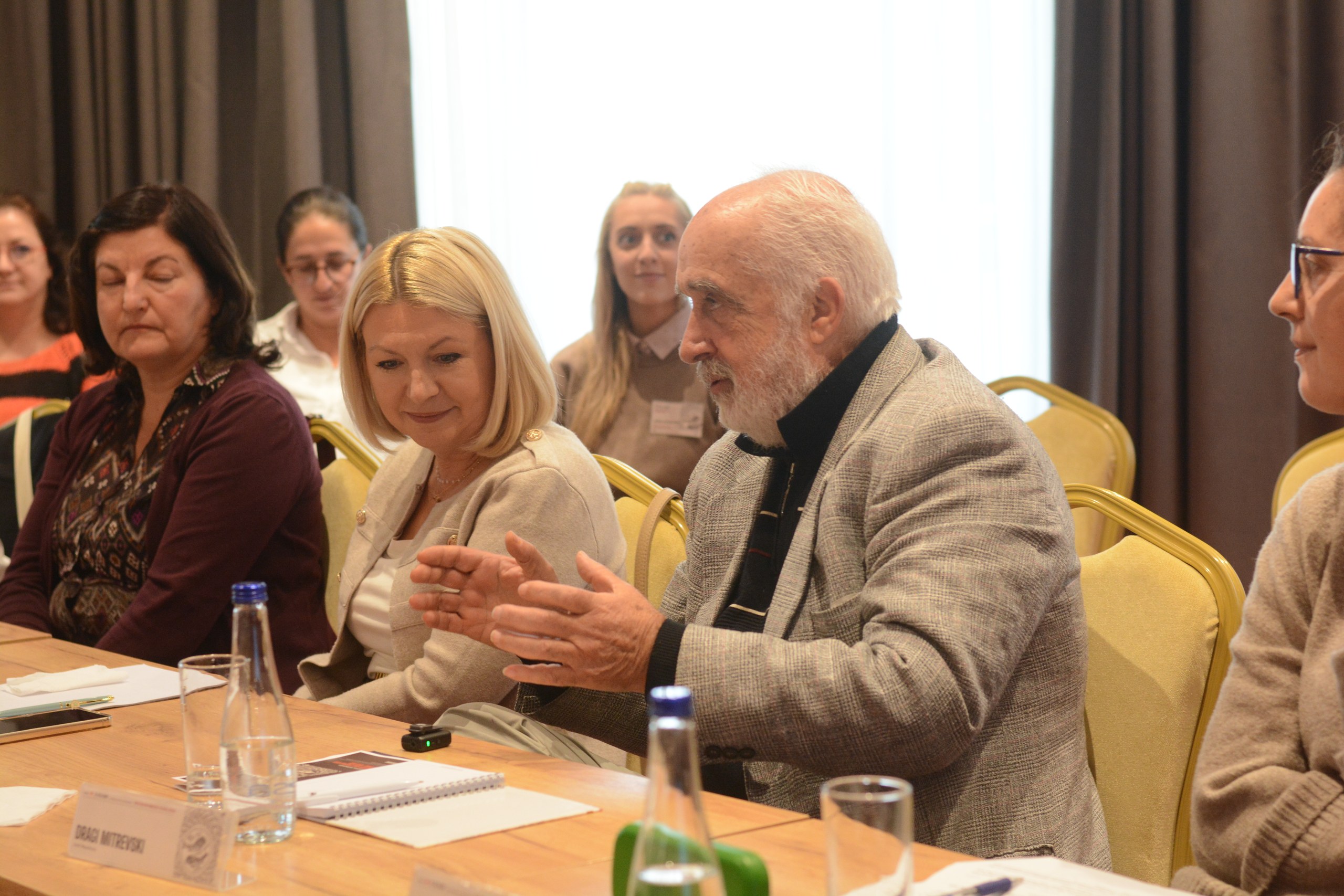
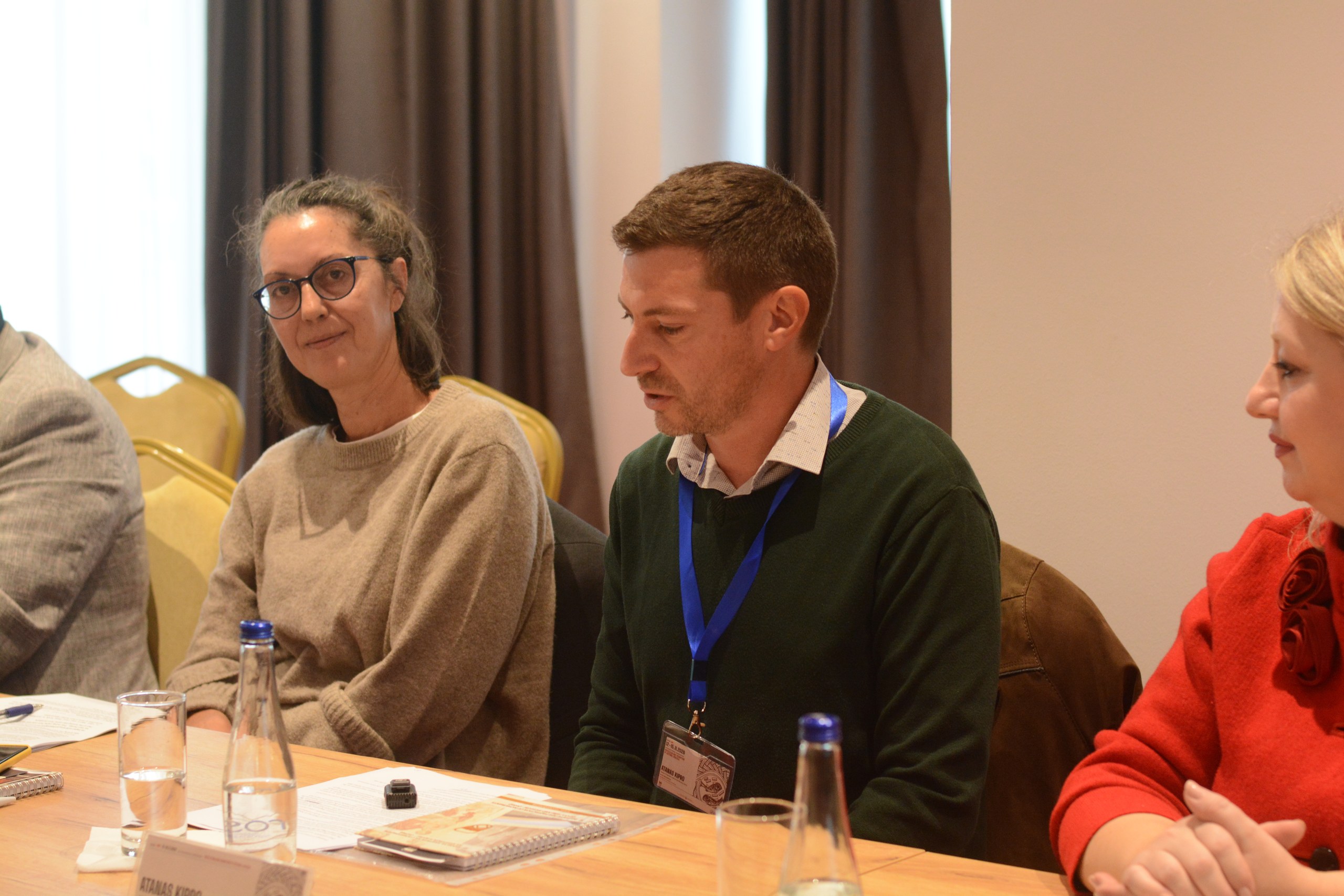
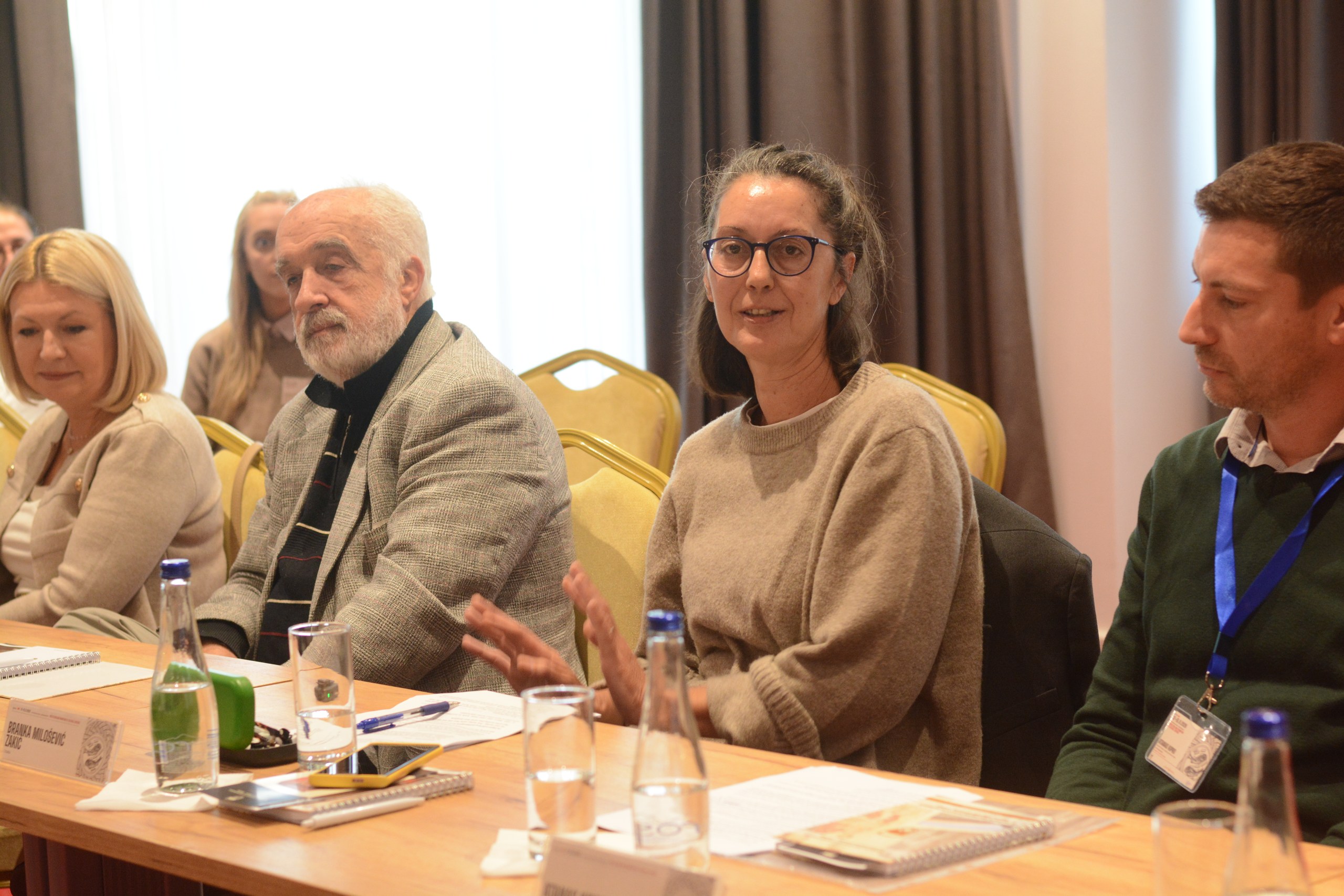
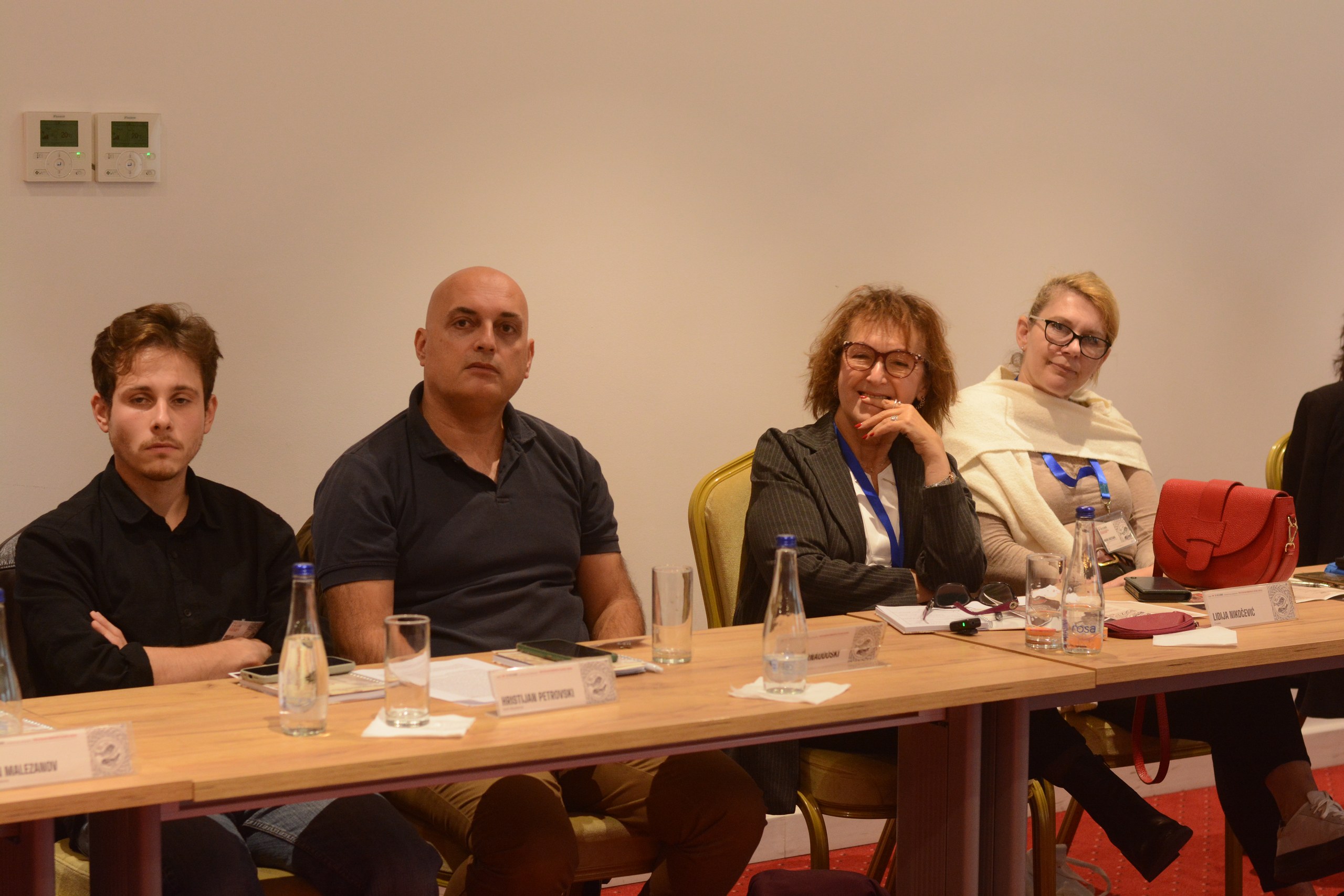
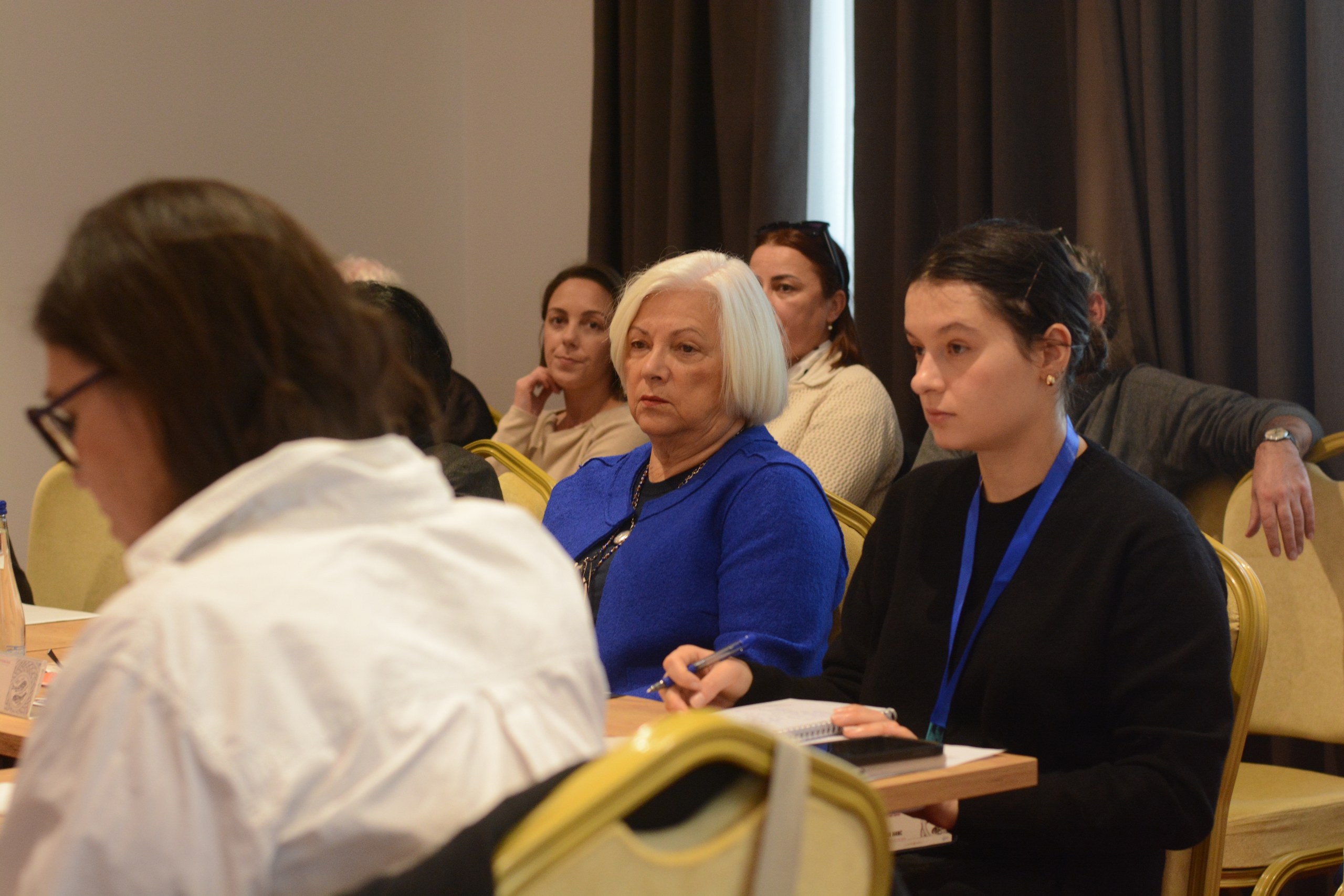
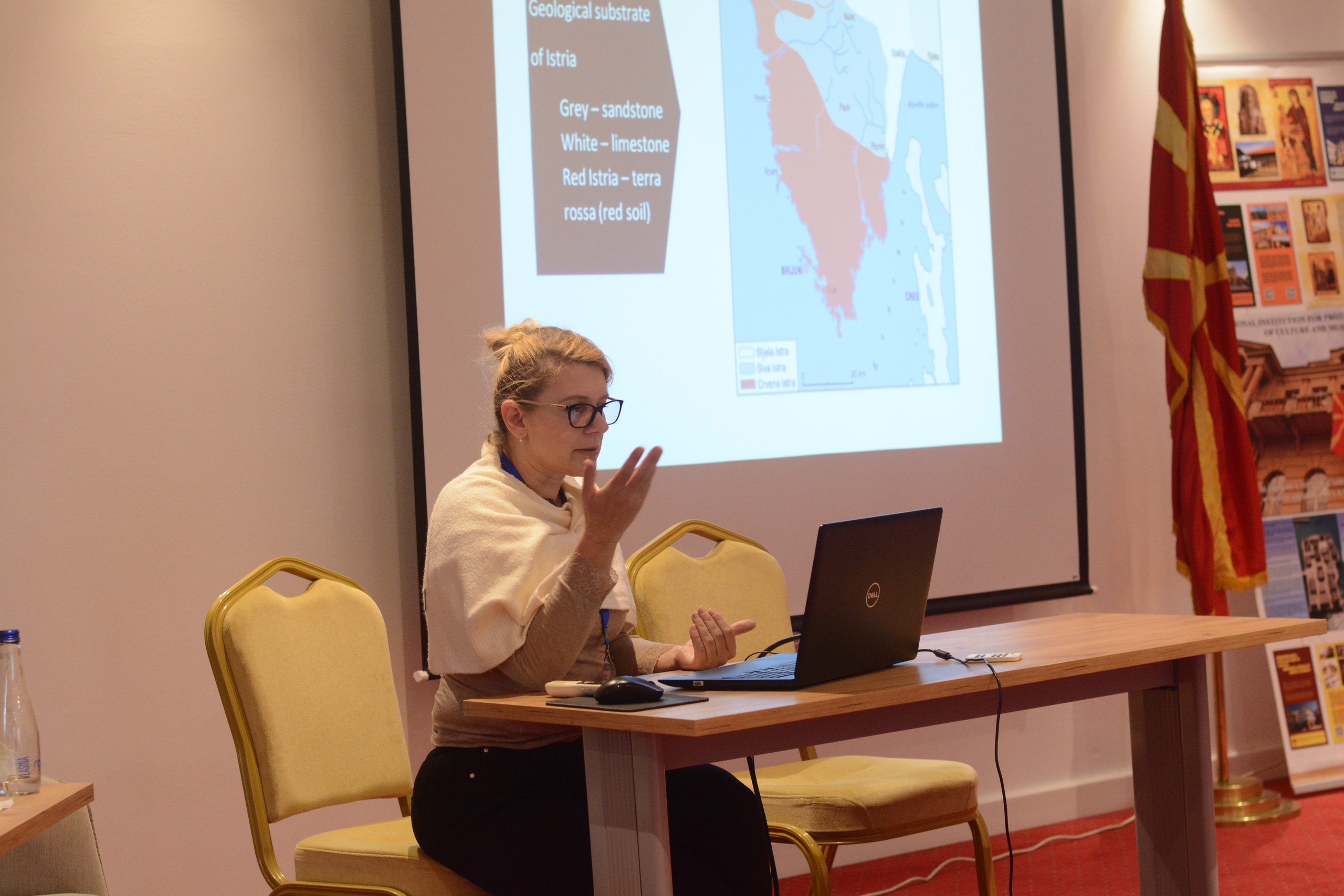
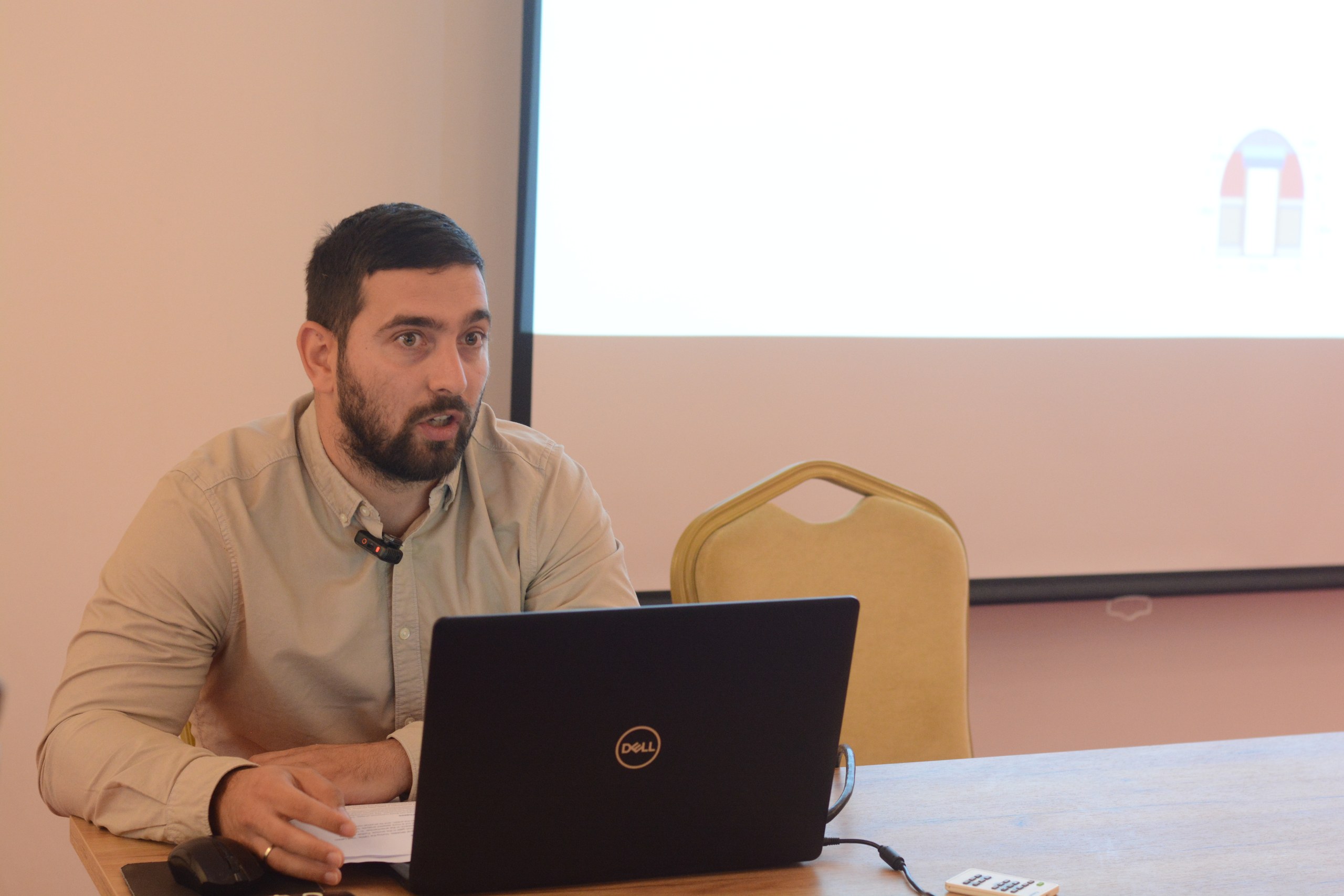
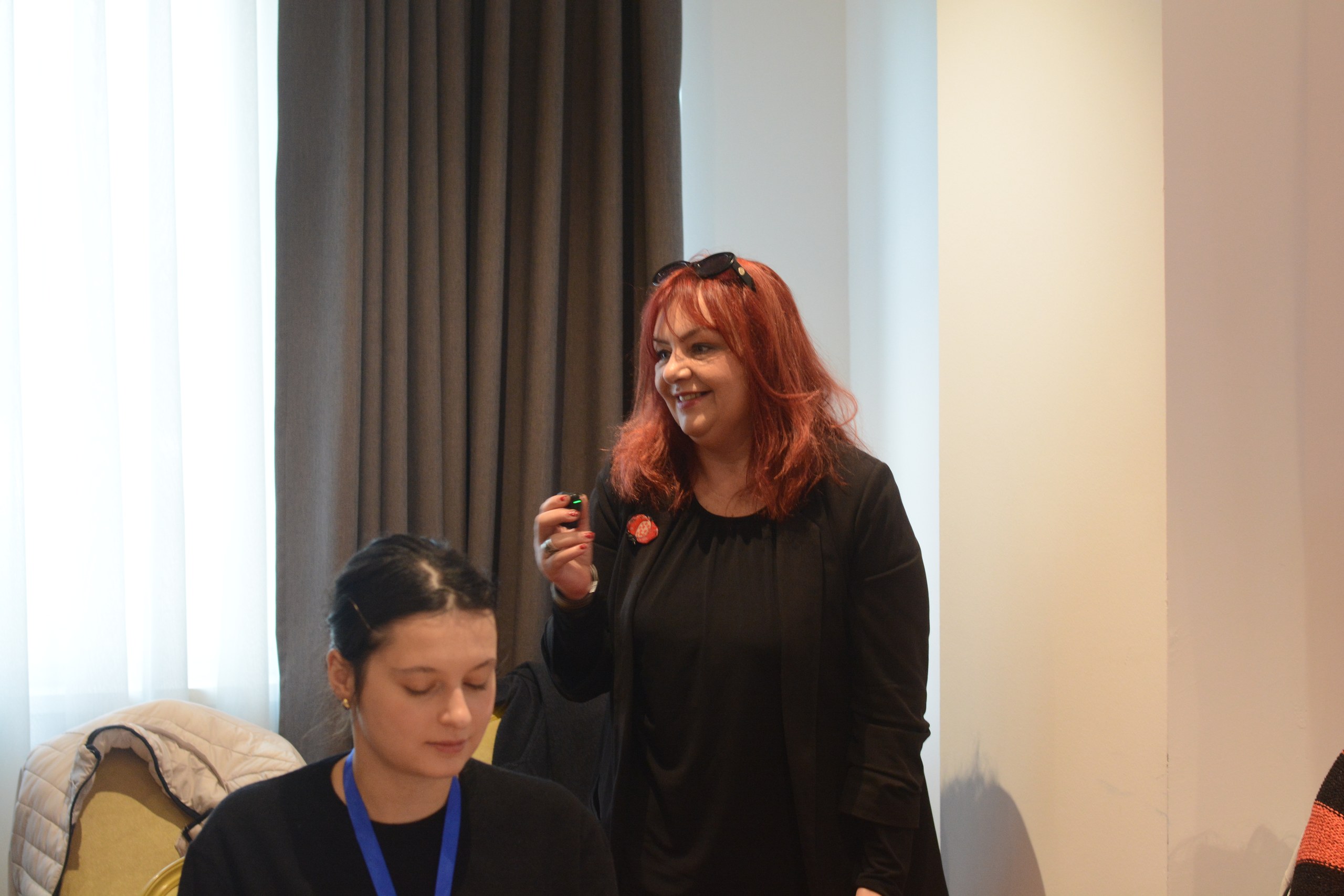
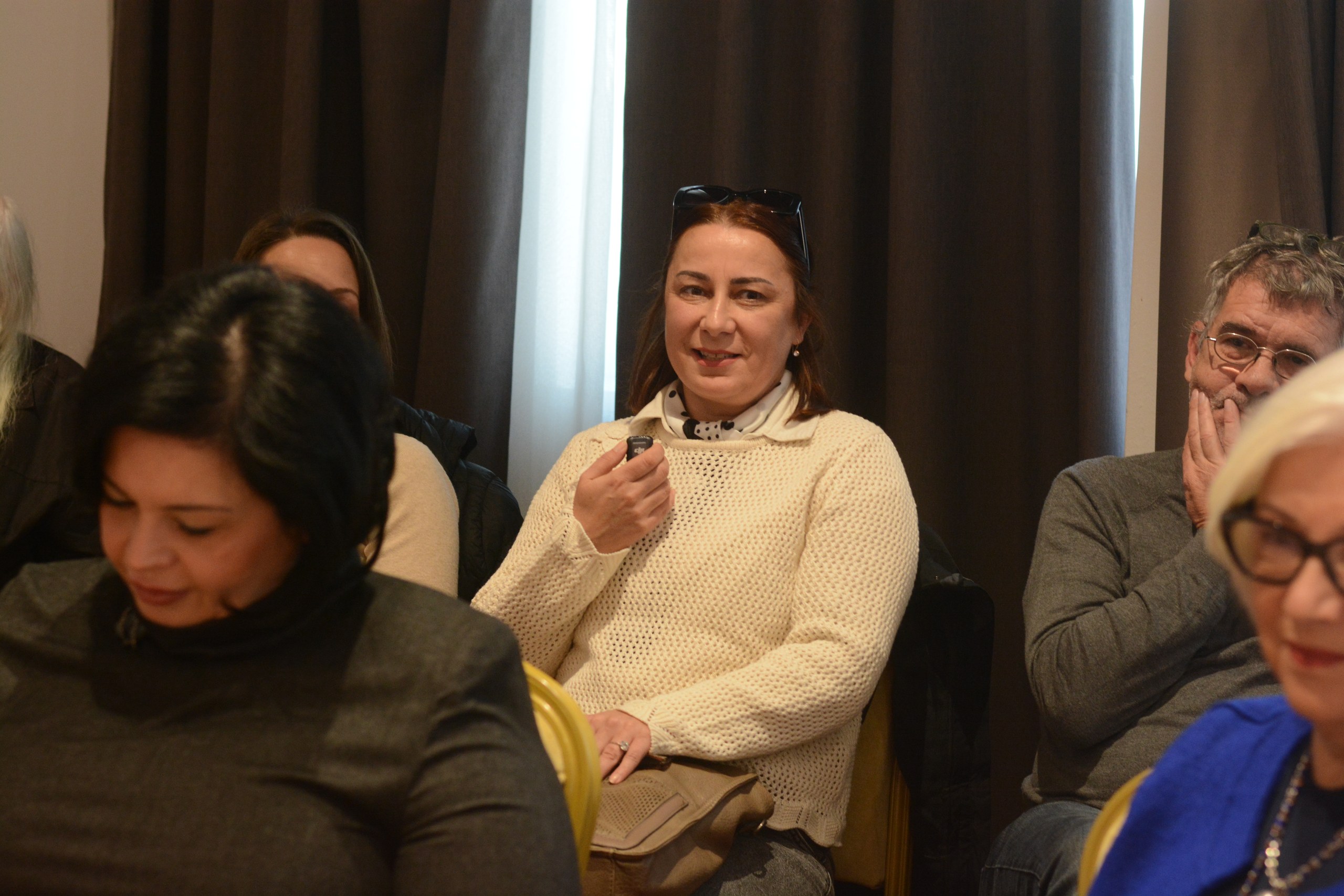
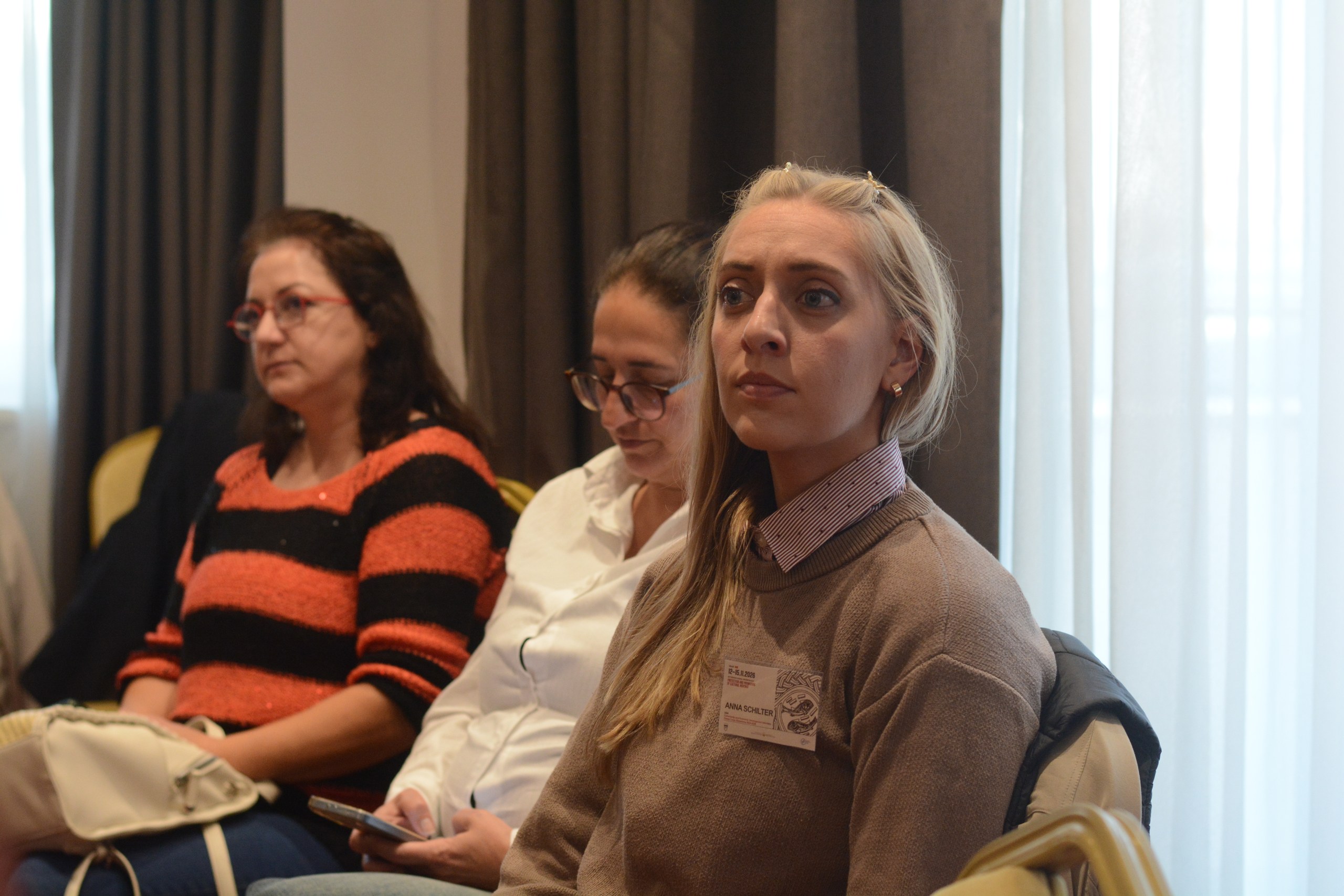
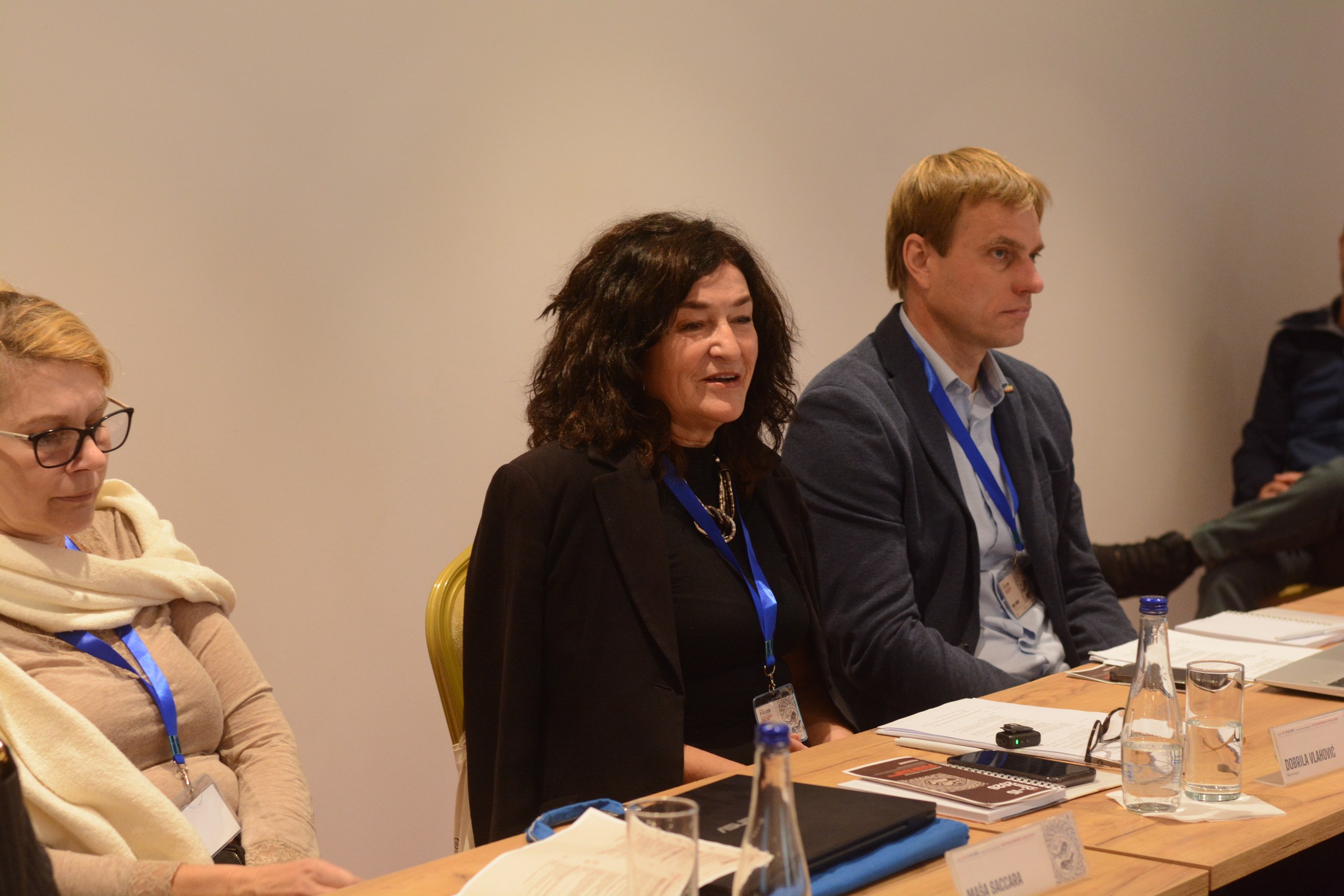
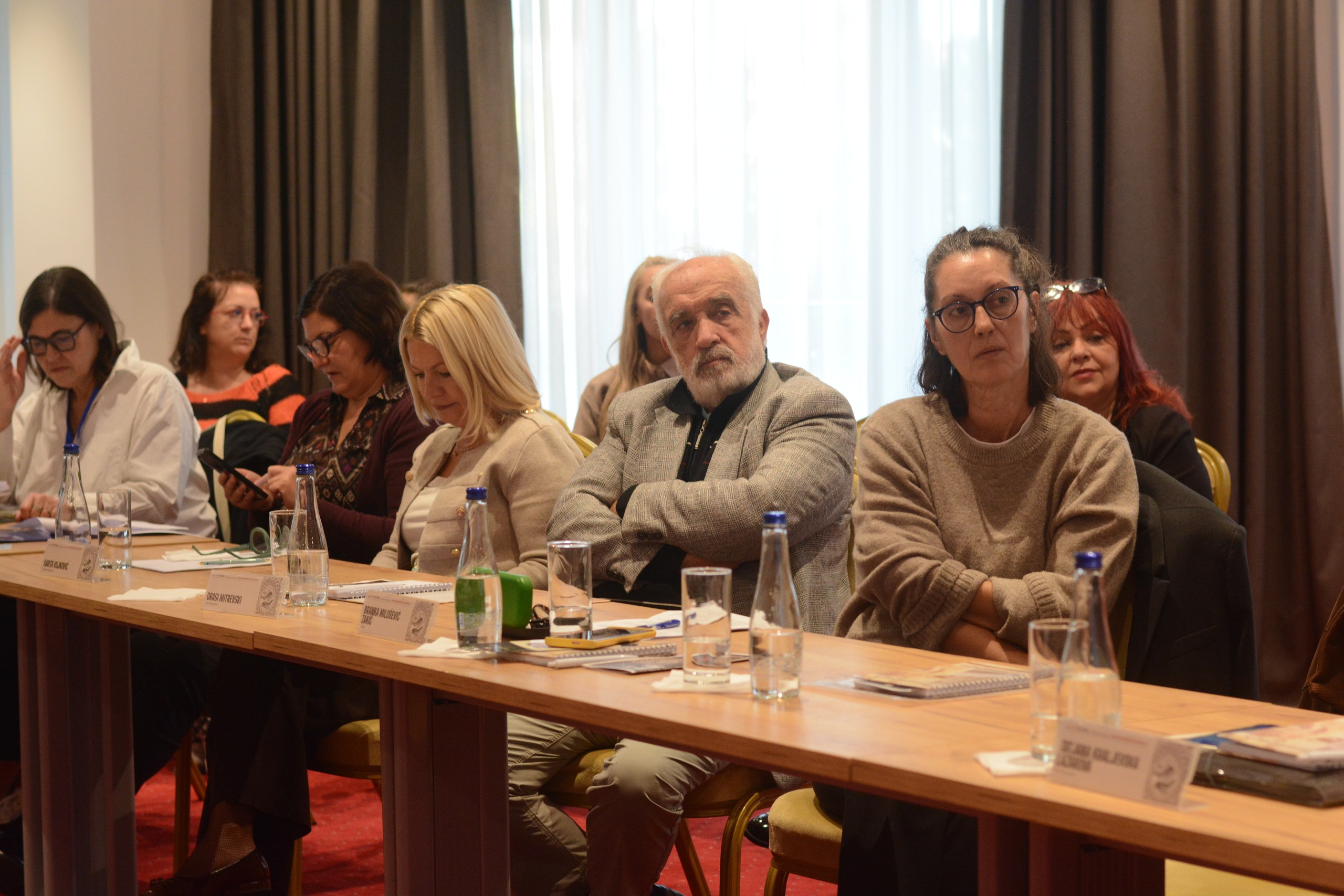
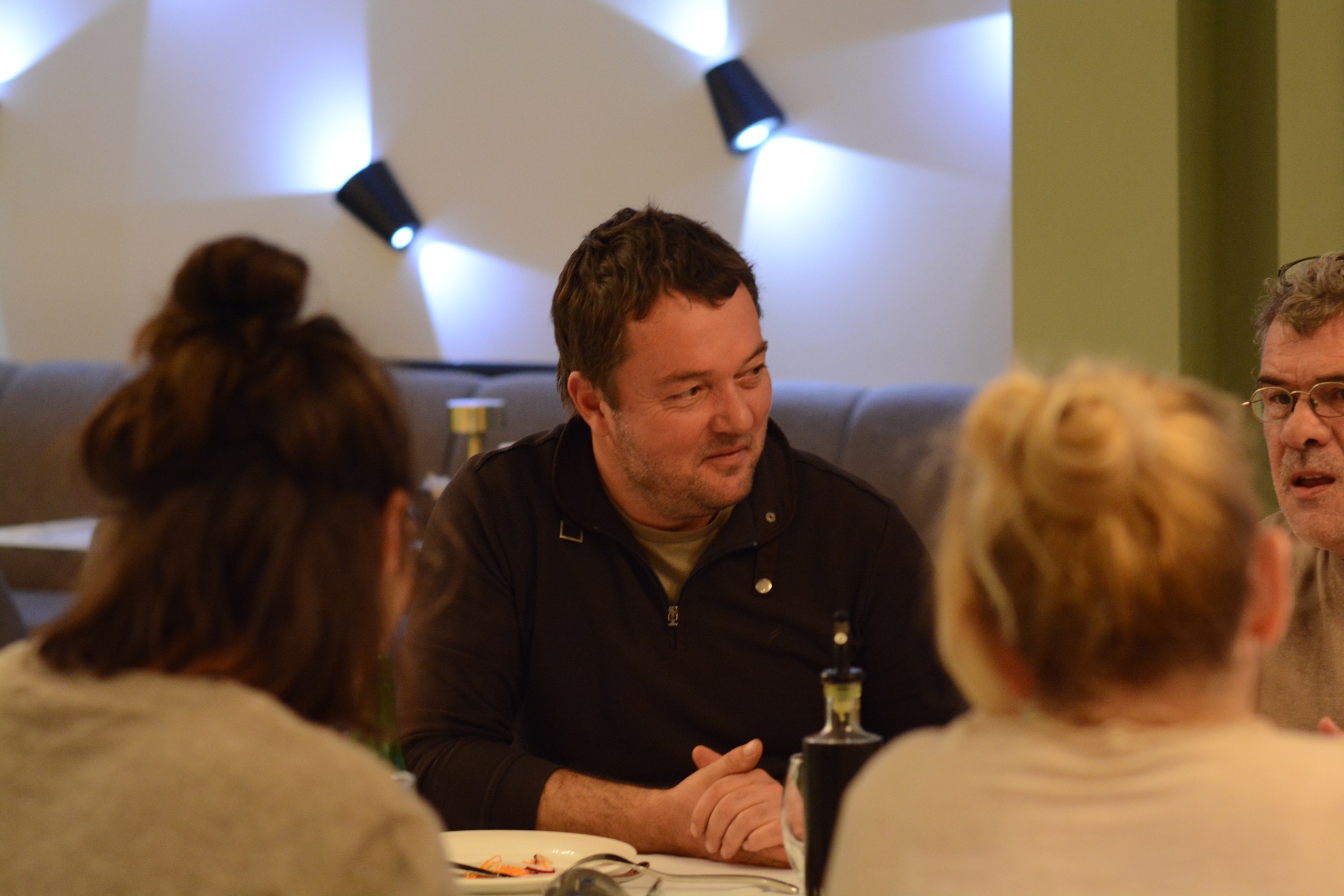
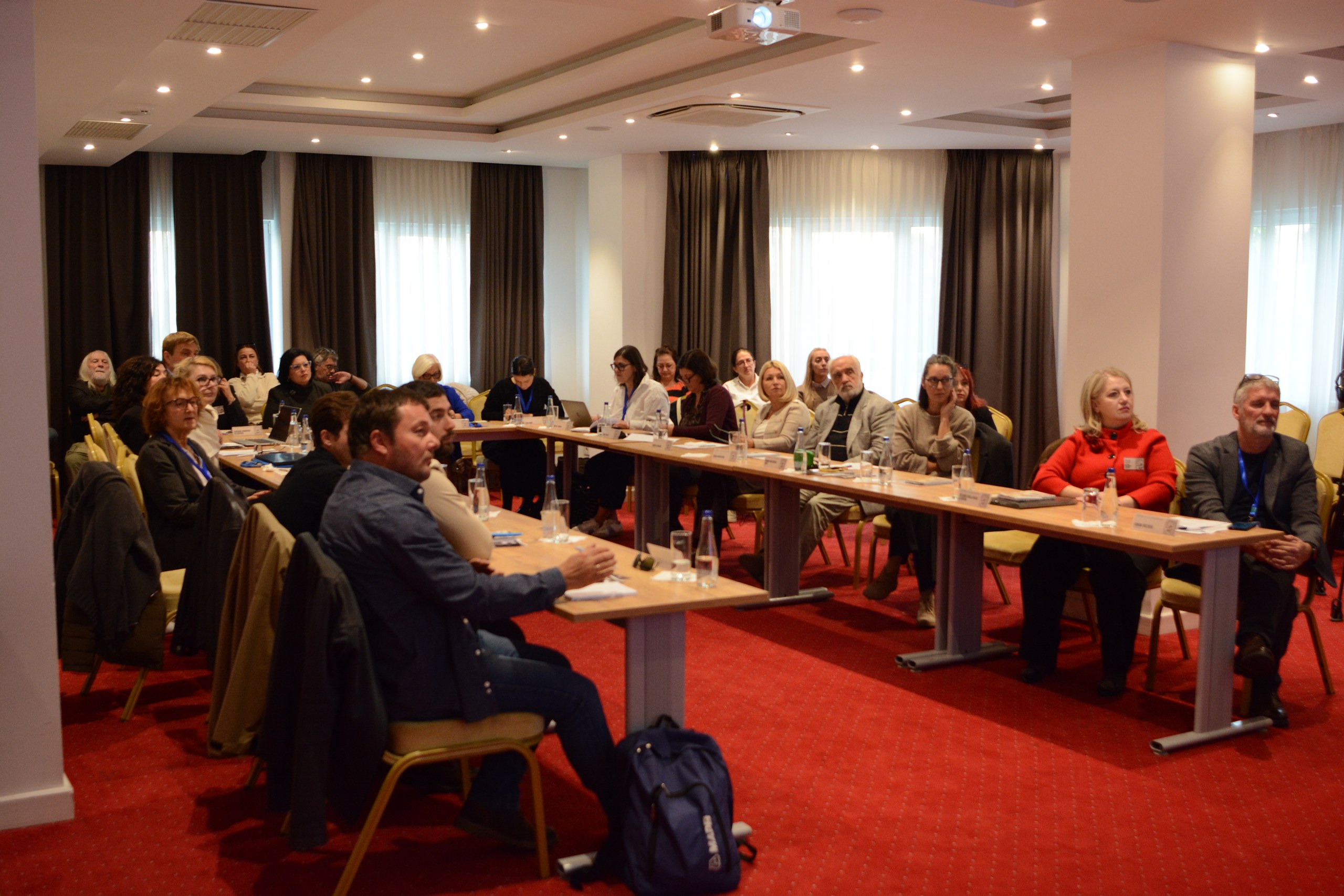
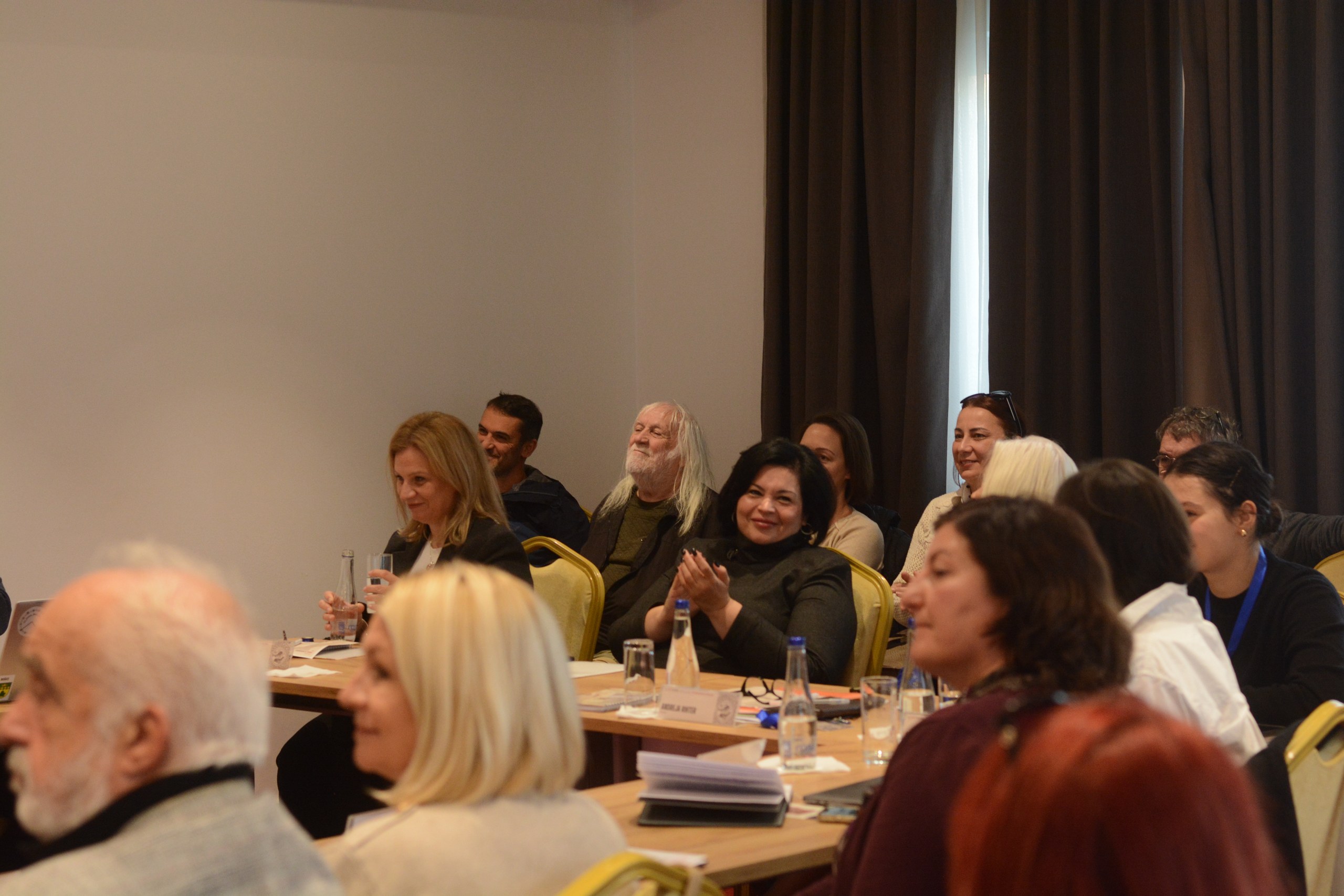
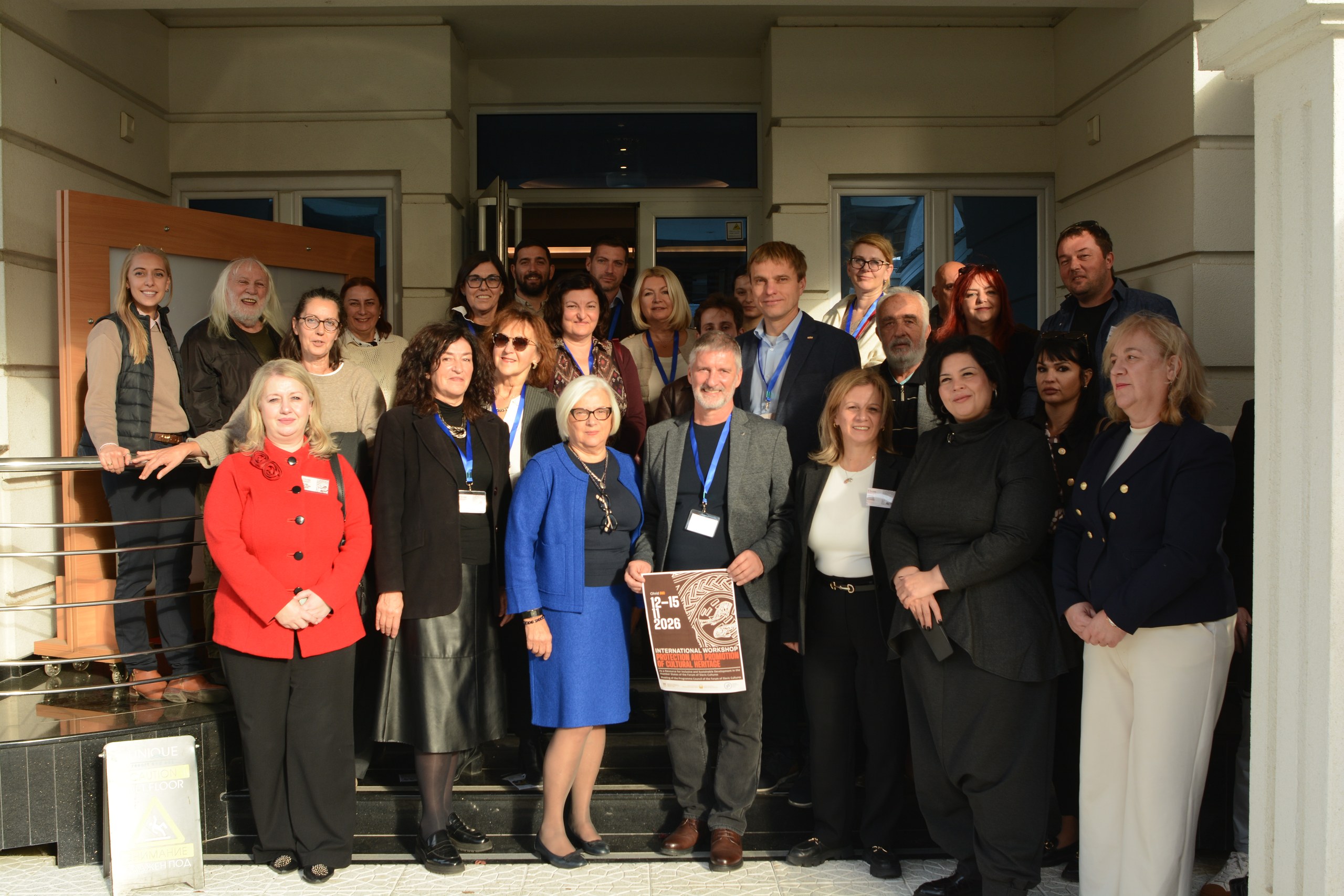
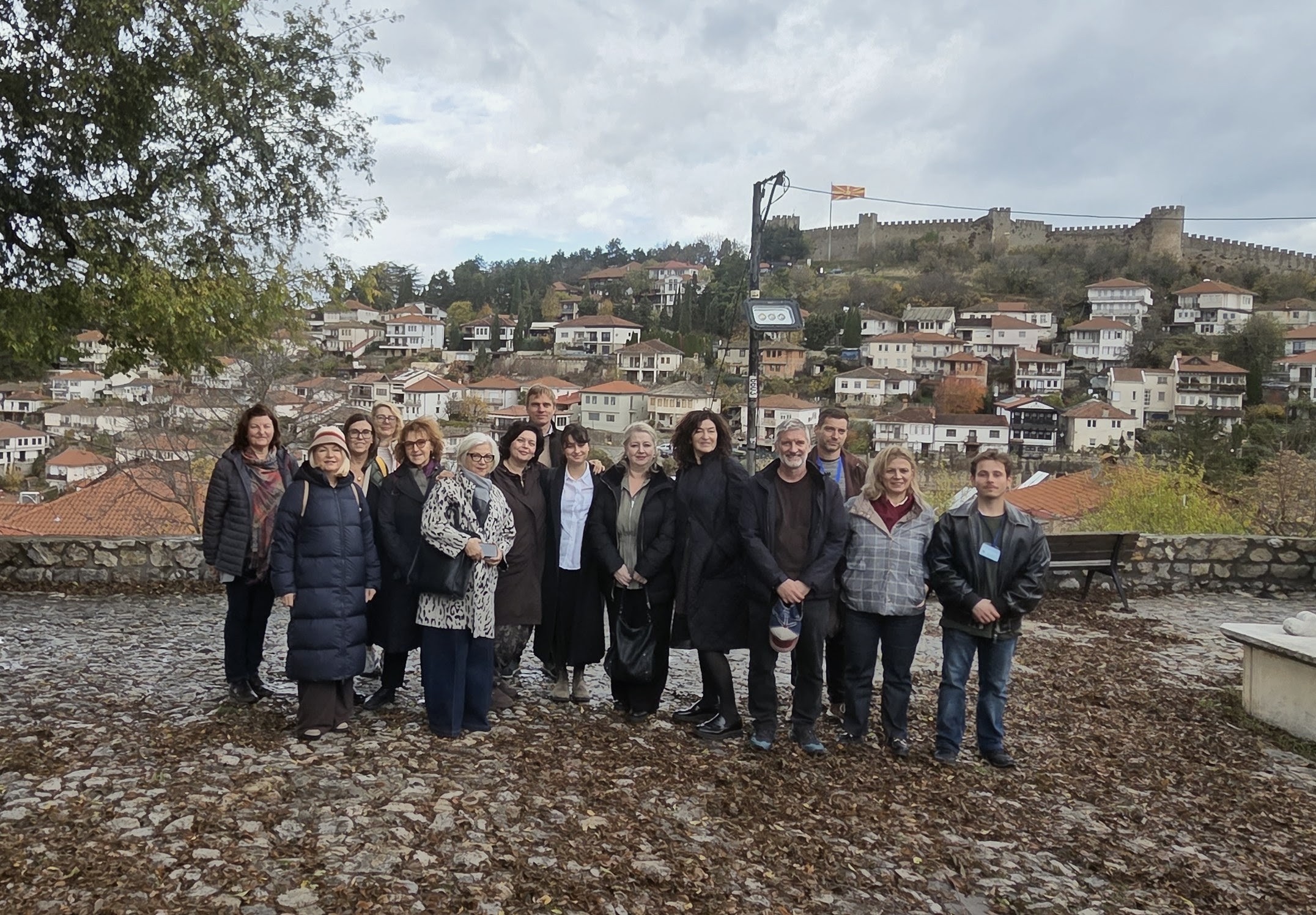
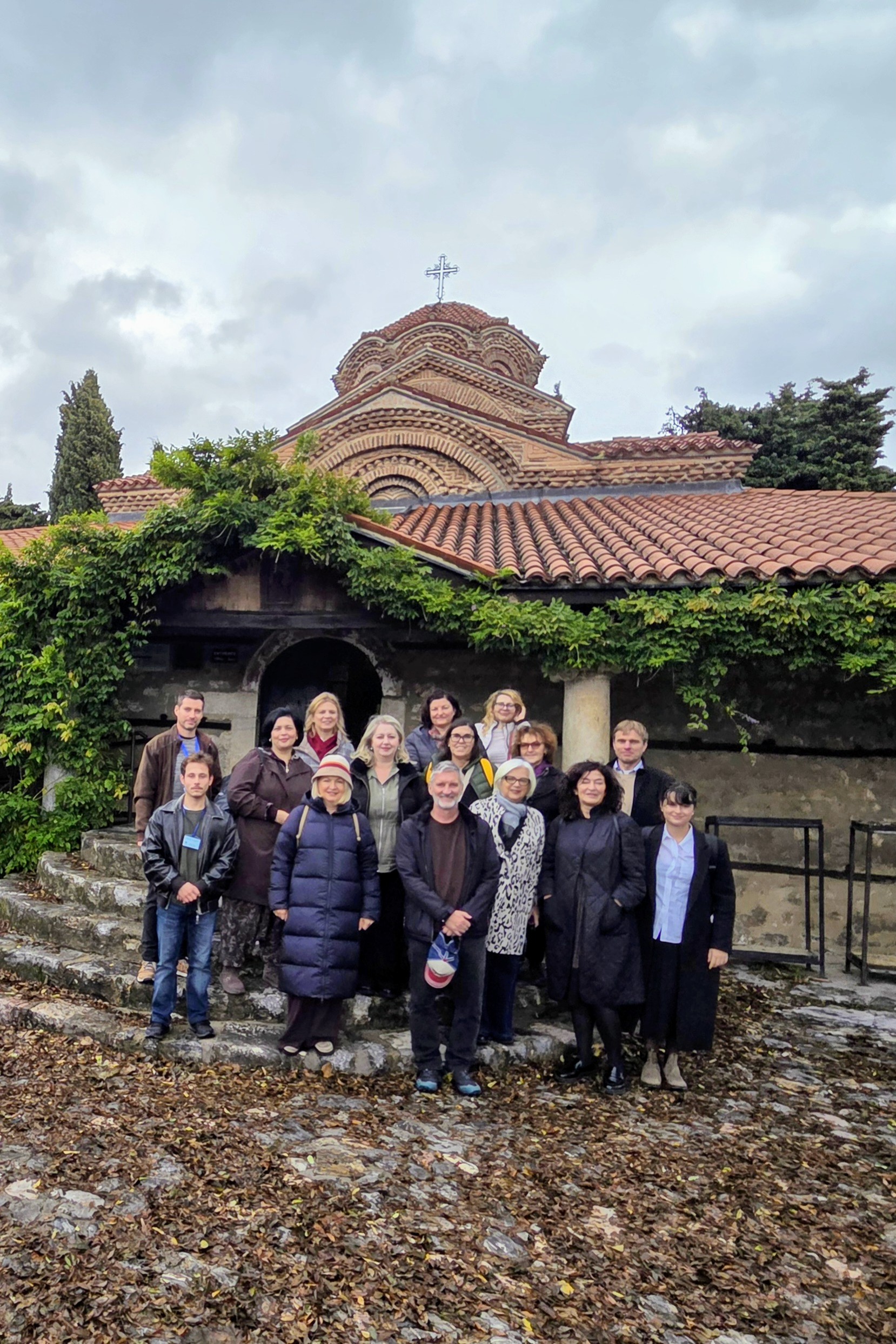
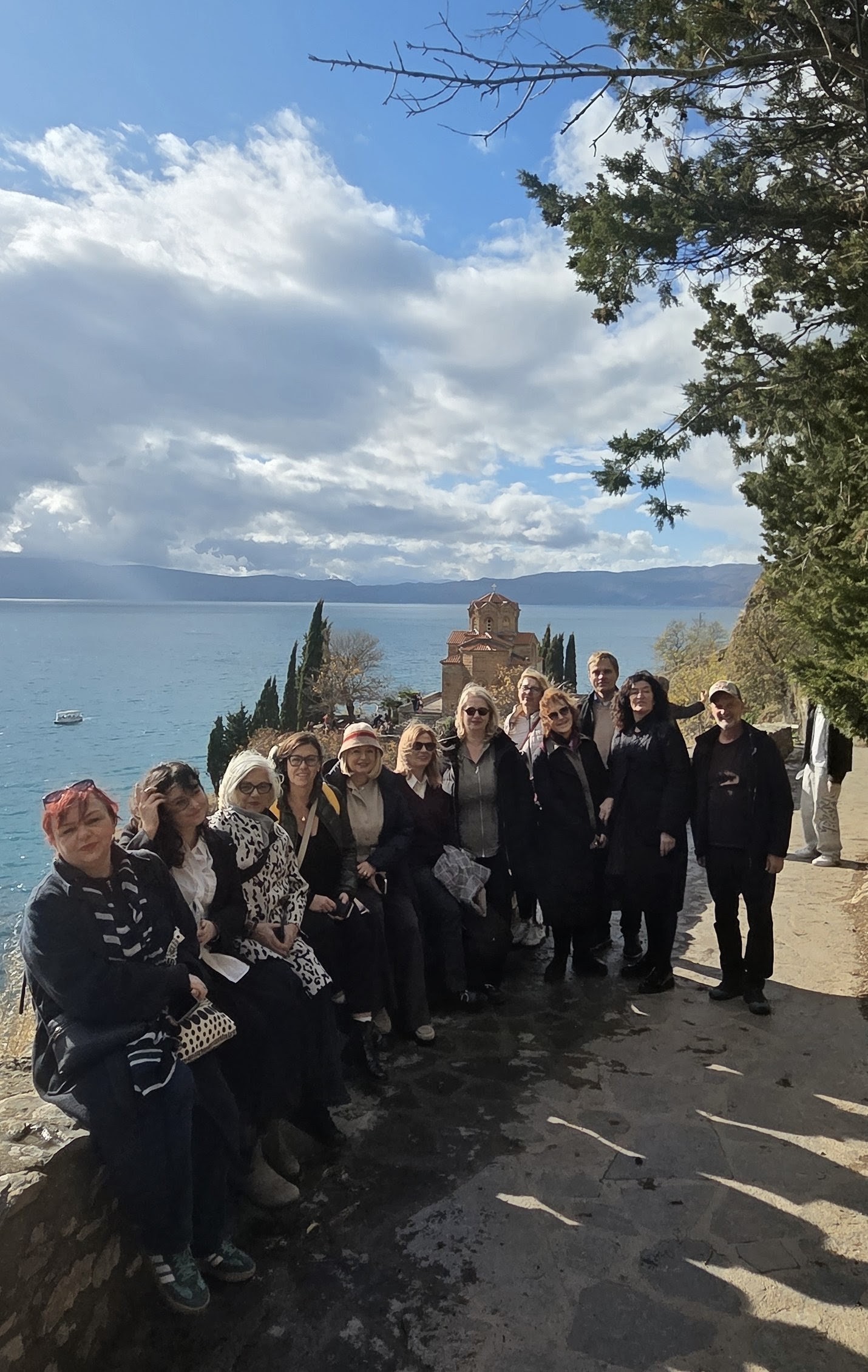
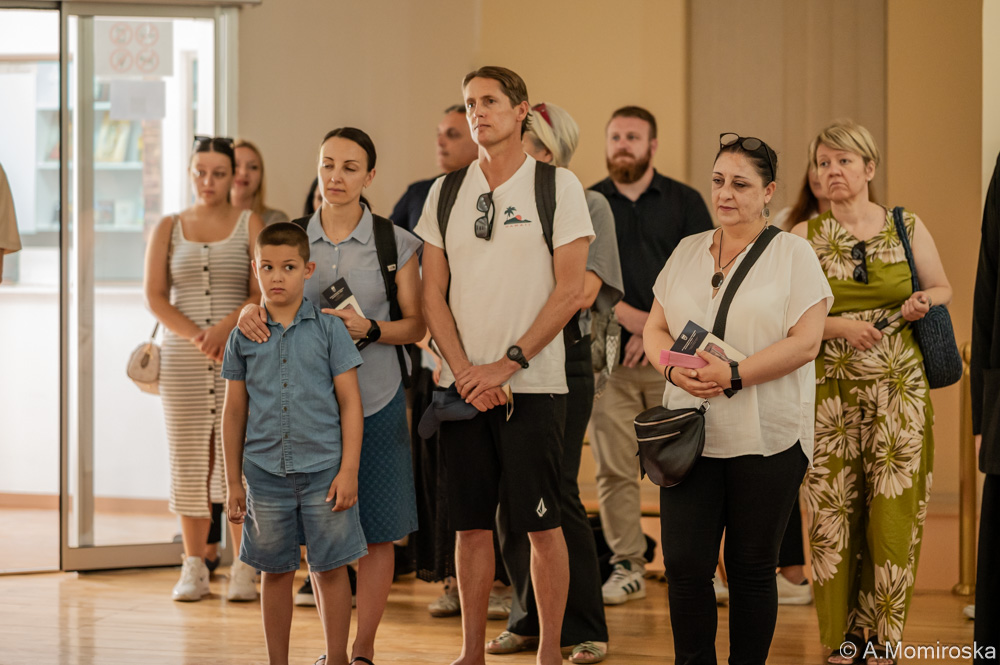
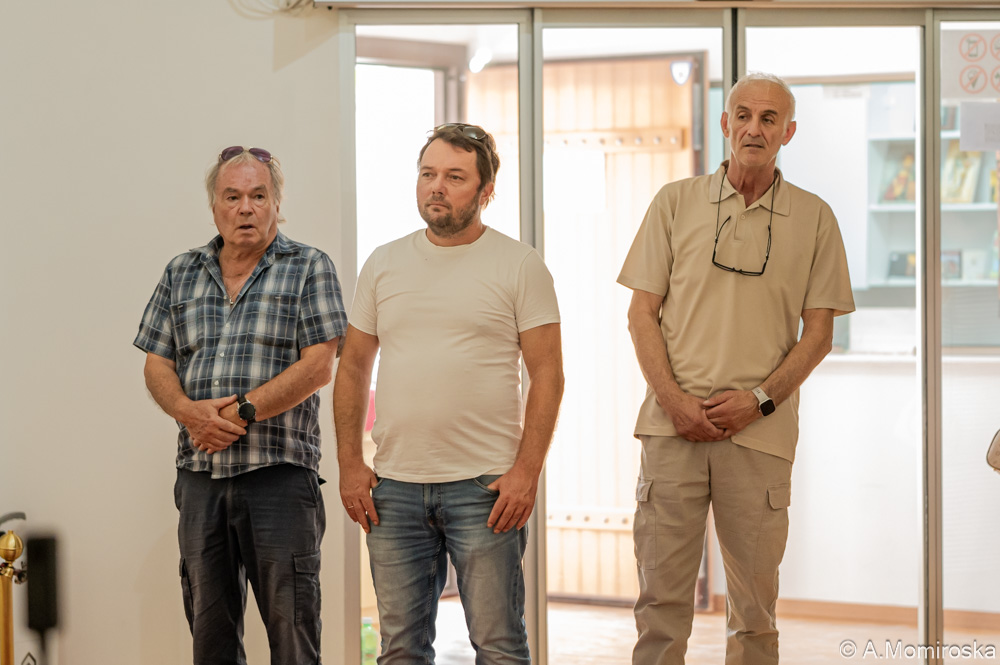
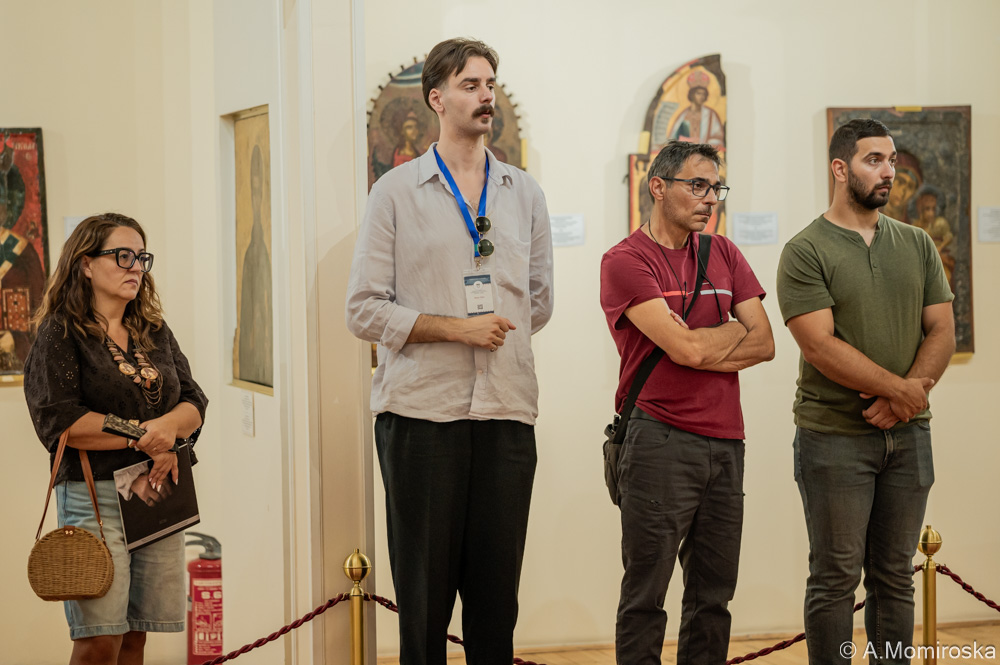
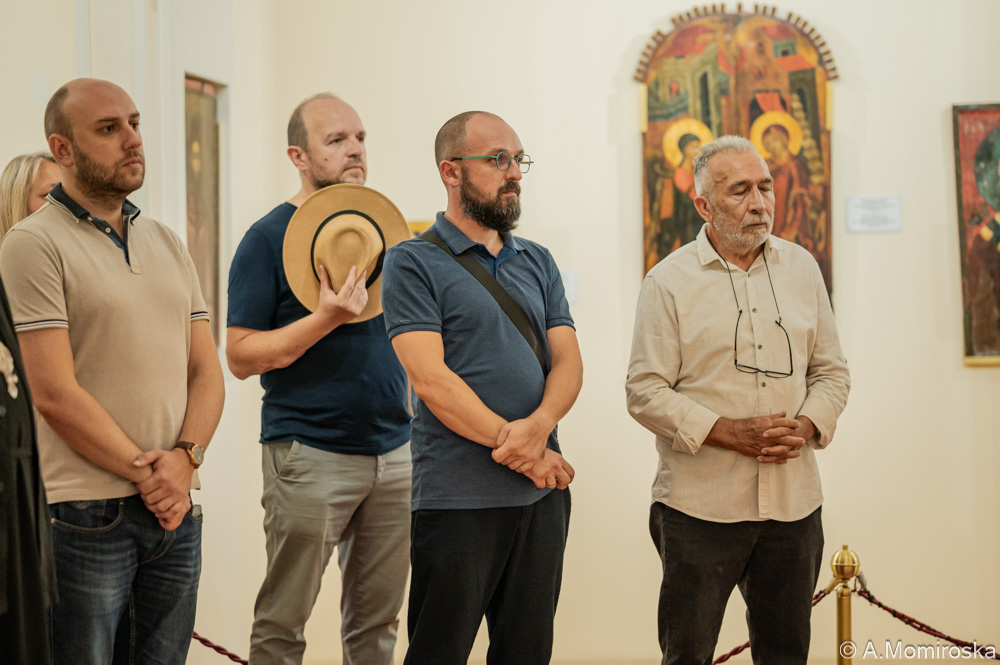
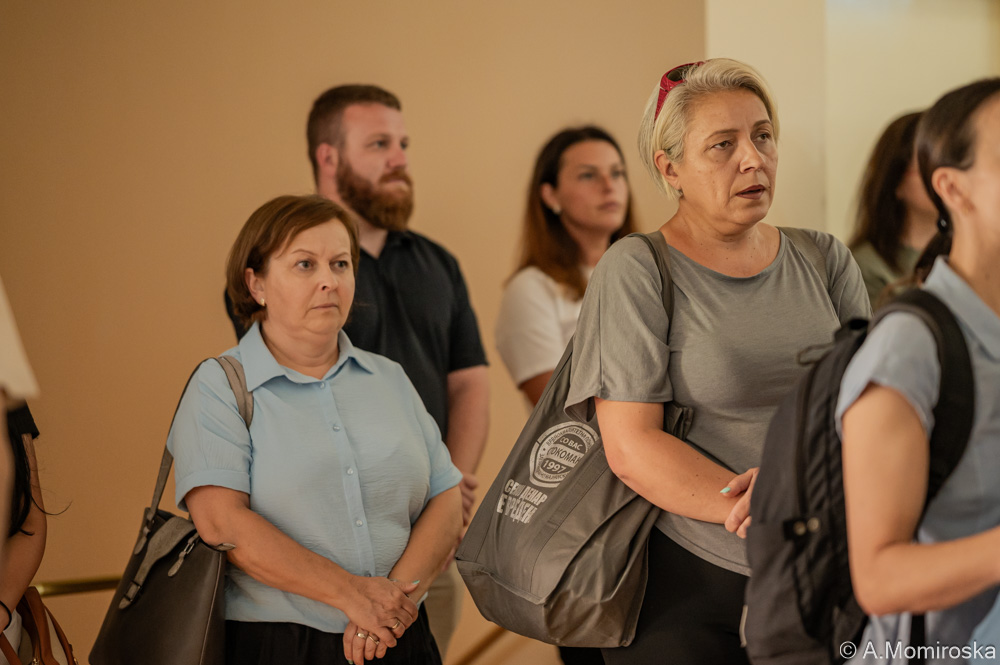
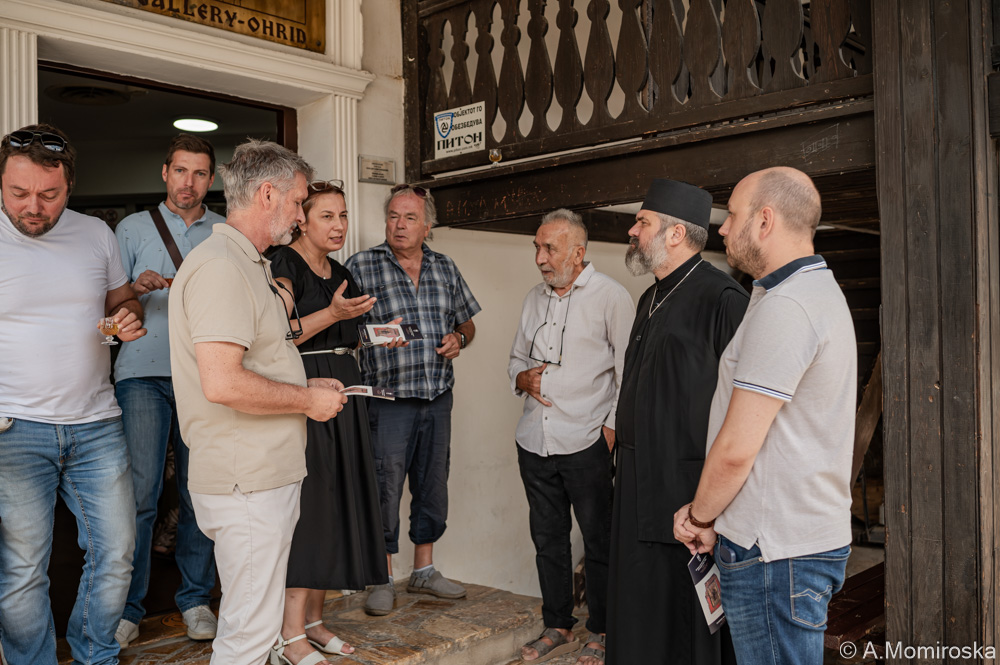
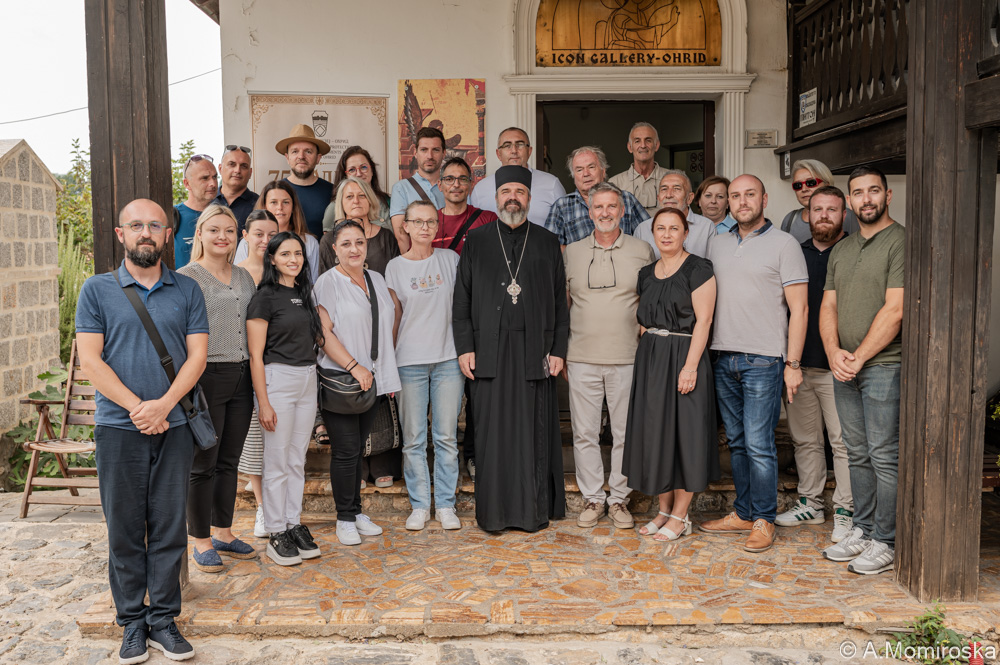
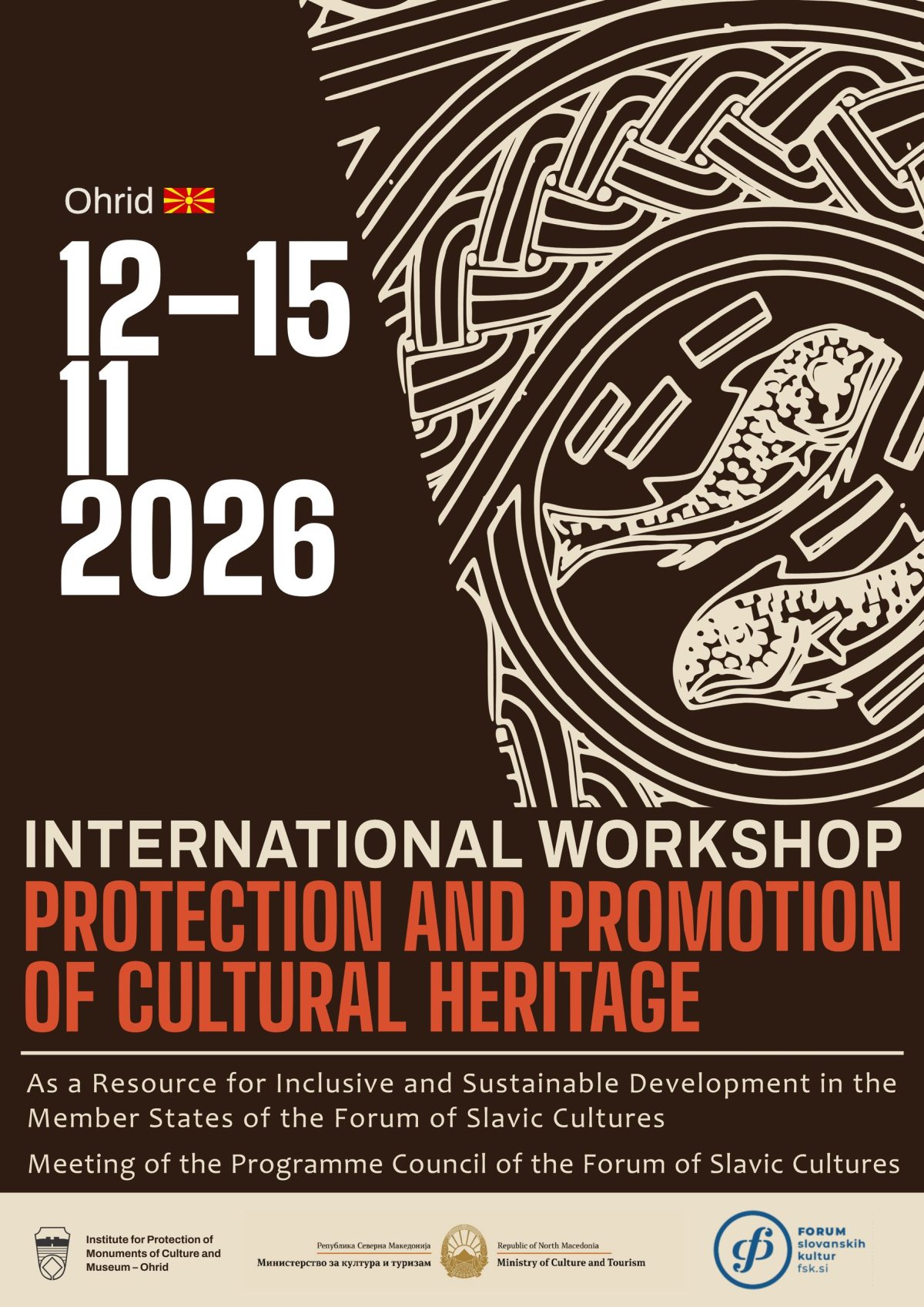
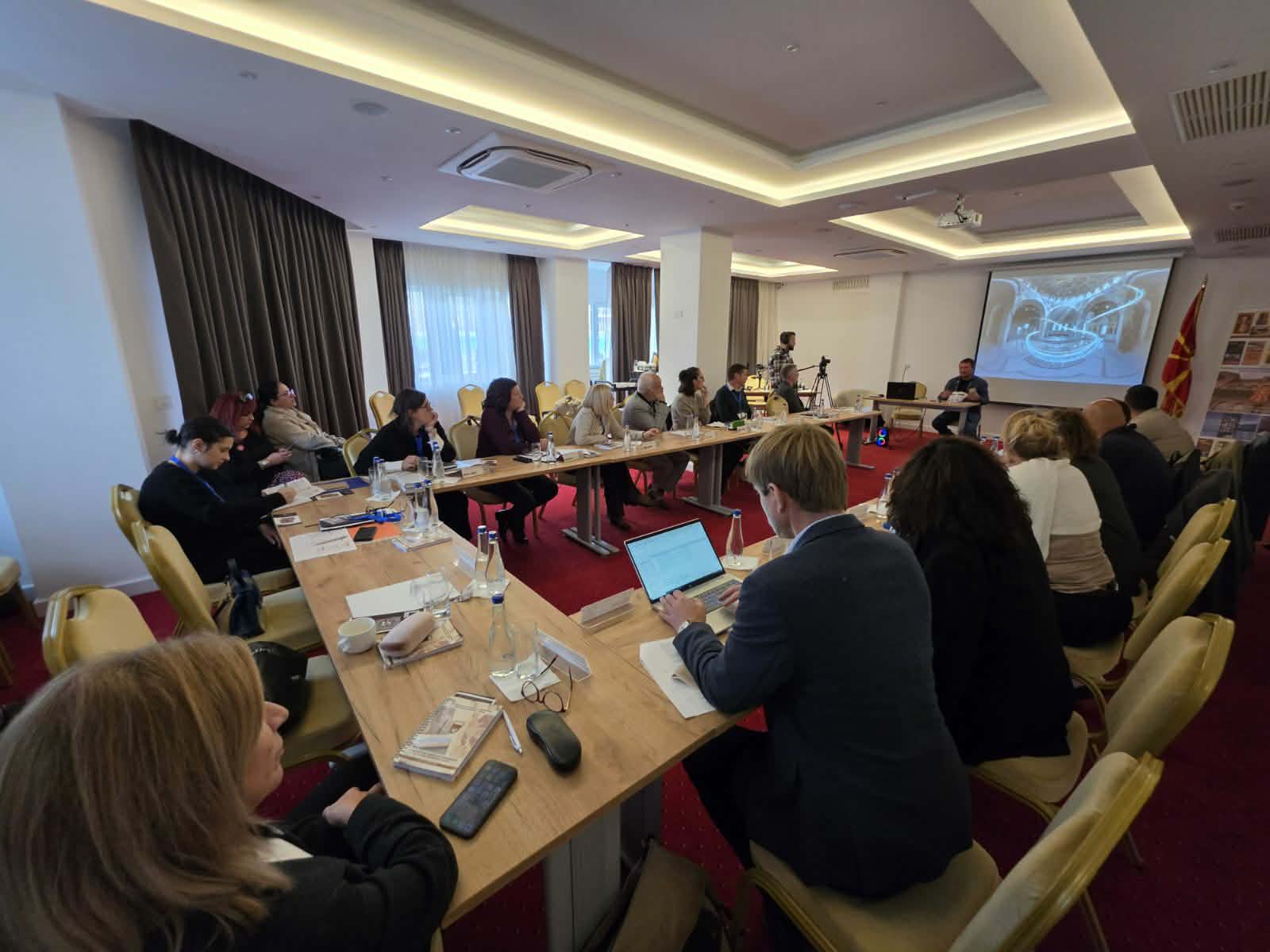
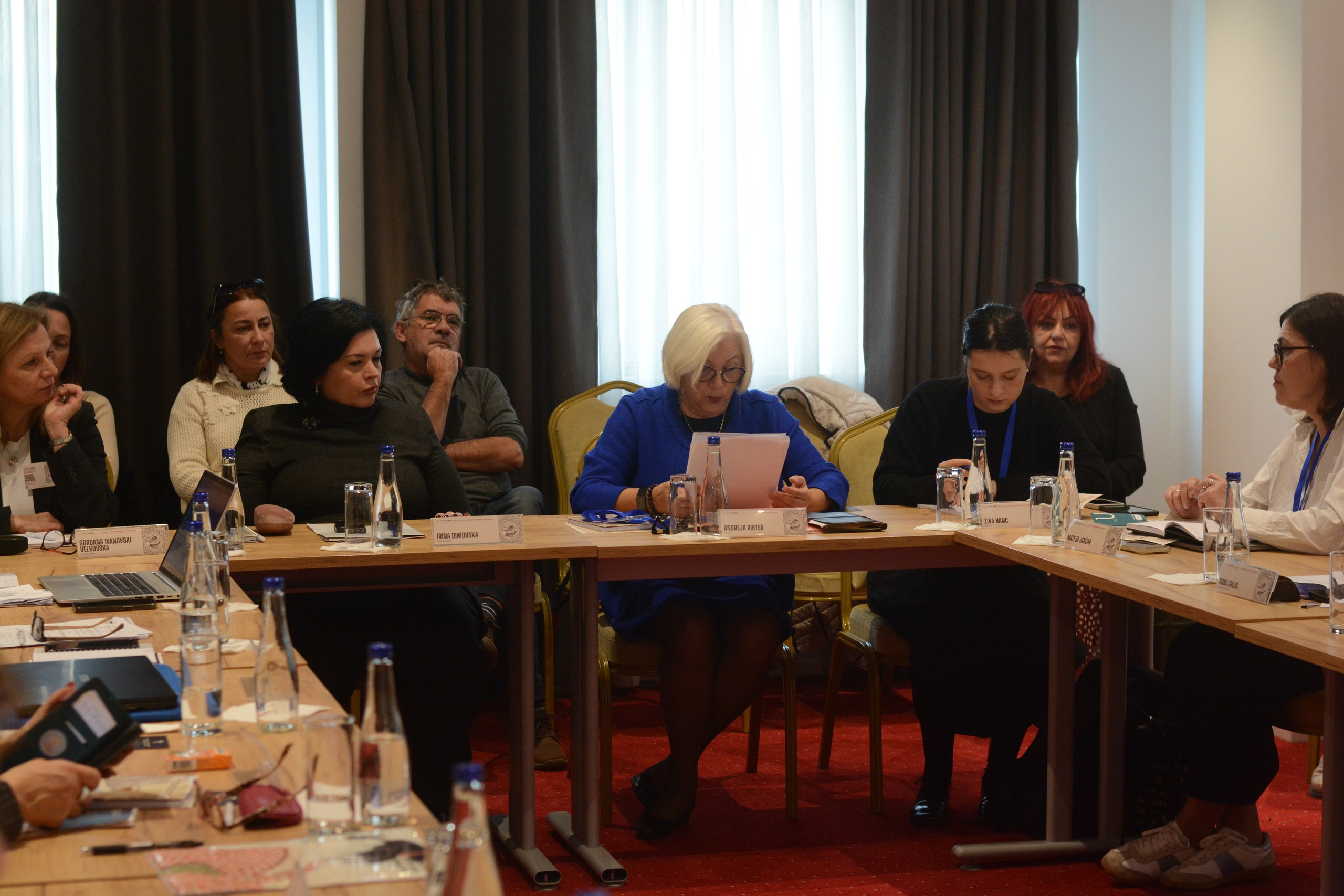
From 12 to 15 November 2026, Ohrid hosted an international workshop promoting the activities of the international foundation Forum of Slavic Cultures. The National Institution Institute for the Protection of Monuments of Culture and Museum – Ohrid organized it as part of its annual programme, funded by the Ministry of Culture and Tourism. The main theme was the protection and promotion of cultural heritage as a resource for inclusive and sustainable development in the Forum’s member states. The Forum’s Programme Council also met during the event.

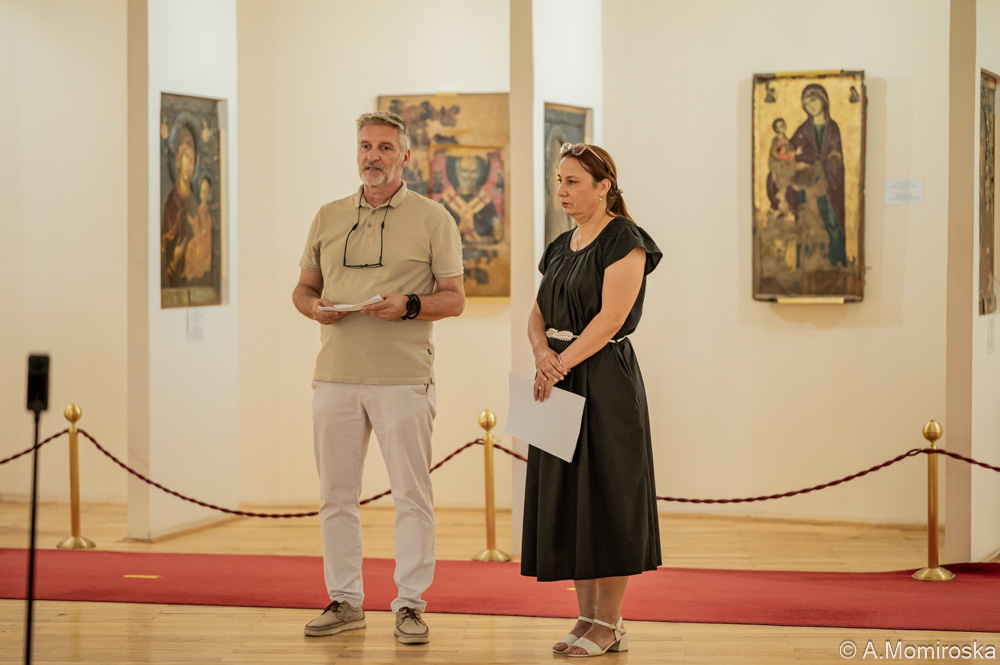
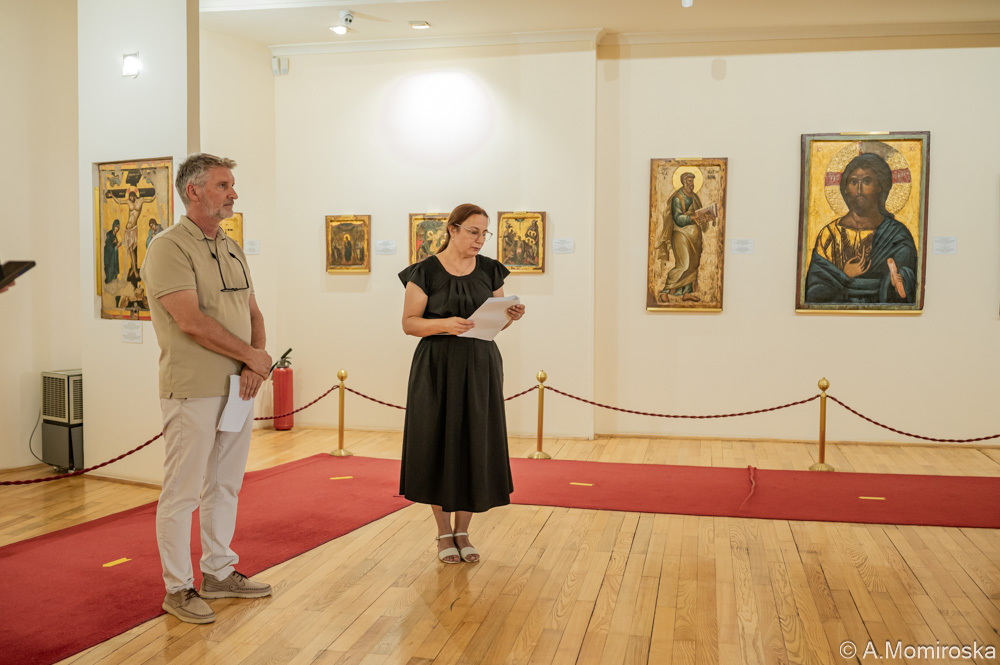
Opening remarks were given by Irina Dimovska, representing the Ministry of Culture and Tourism of the Republic of North Macedonia, and Andreja Rihter, Director of the Forum of Slavic Cultures.

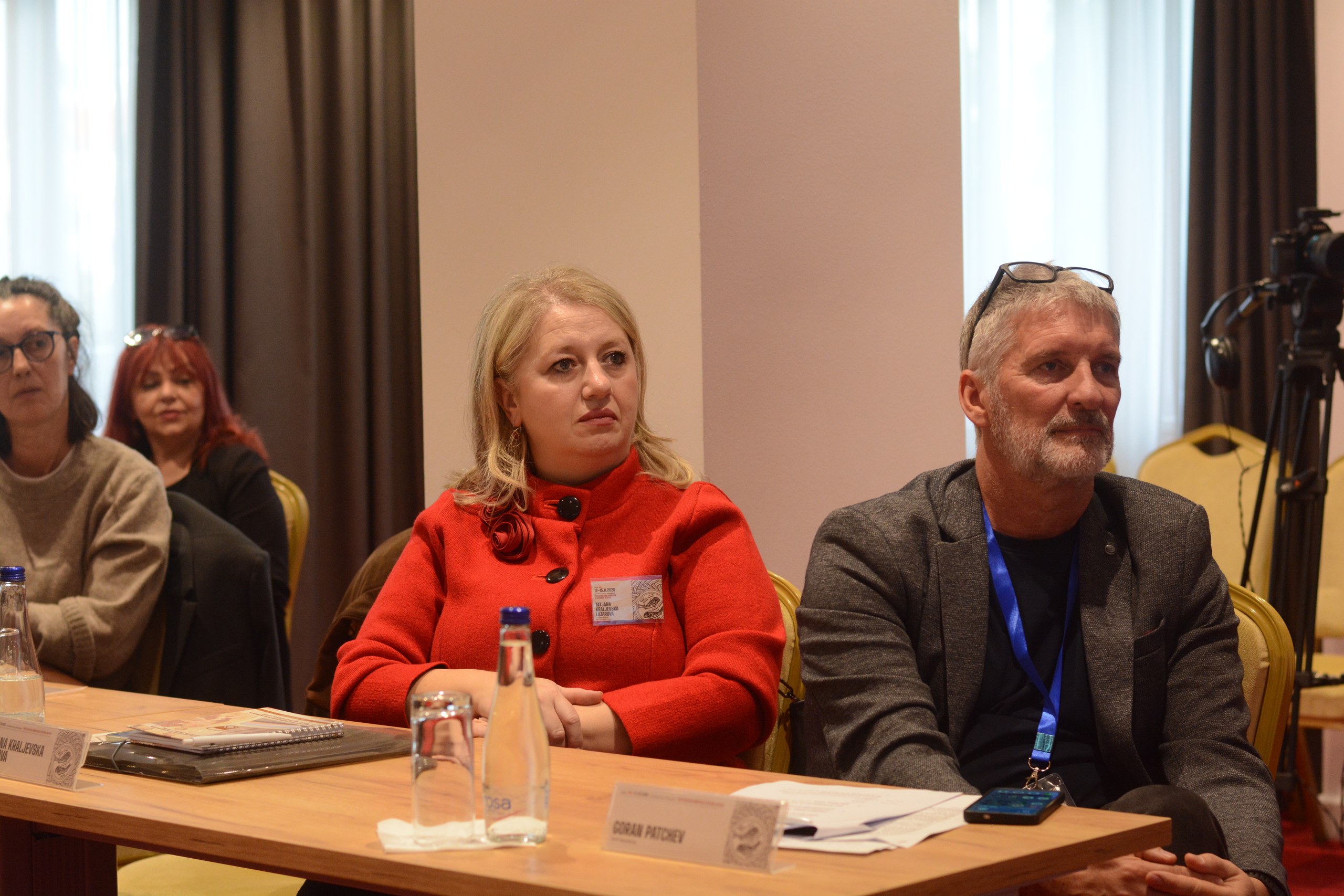
Goran Pachev, Director of the National Institution Institute for the Protection of Monuments of Culture and Museum – Ohrid, introduced the workshop theme.

Two sessions were held. The first, “Protection and Sustainable Management of Archaeological Heritage”, covered general approaches to protecting and preserving archaeological heritage. Its presentations were:

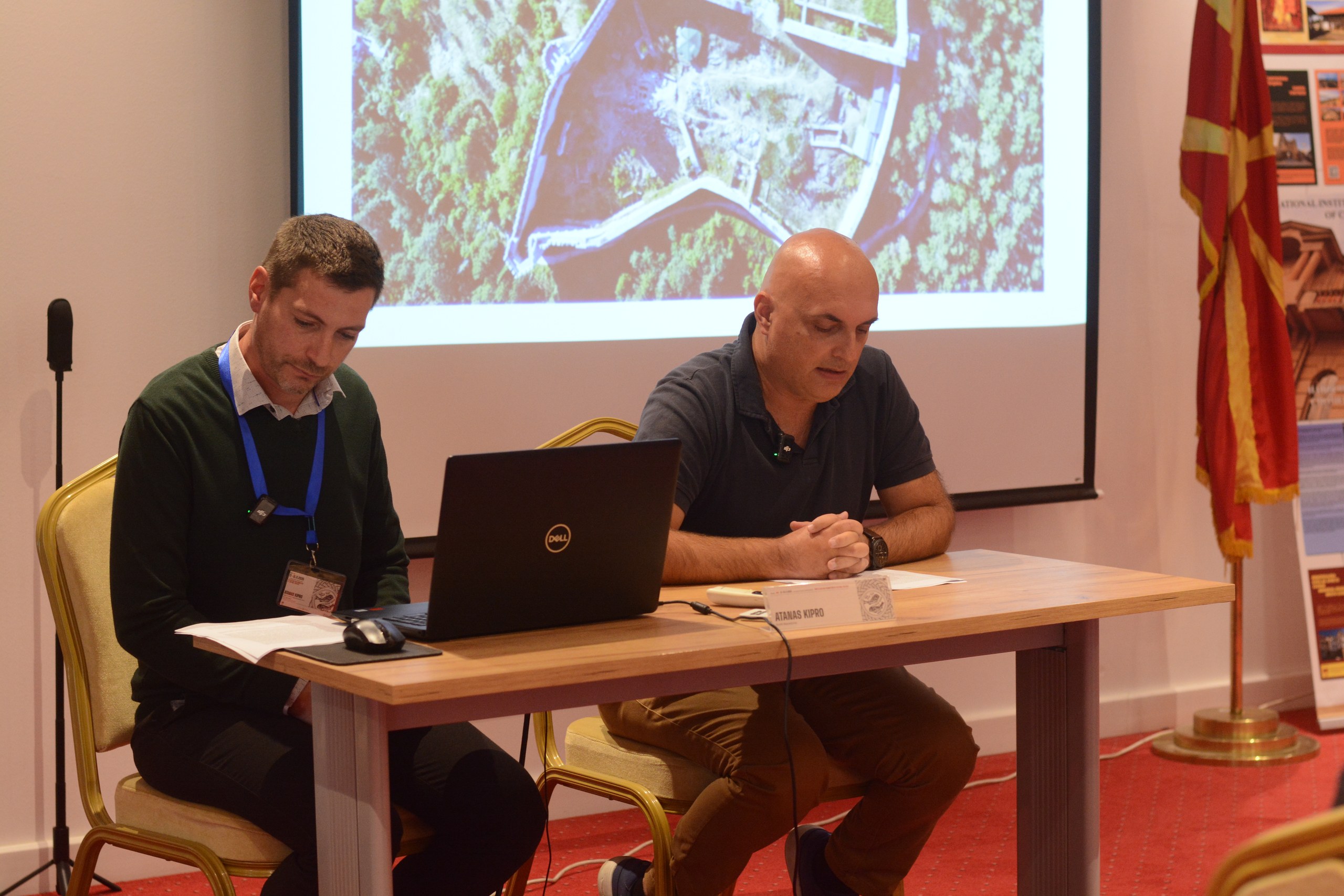
“Overview of Previous Archaeological Research and a Revitalization Plan for Samuel’s Fortress”, by Anatoli Arnaudoski, archaeologist and senior curator, and Atanas Kipro, archaeologist and curator, both from the Institute and Museum Ohrid.

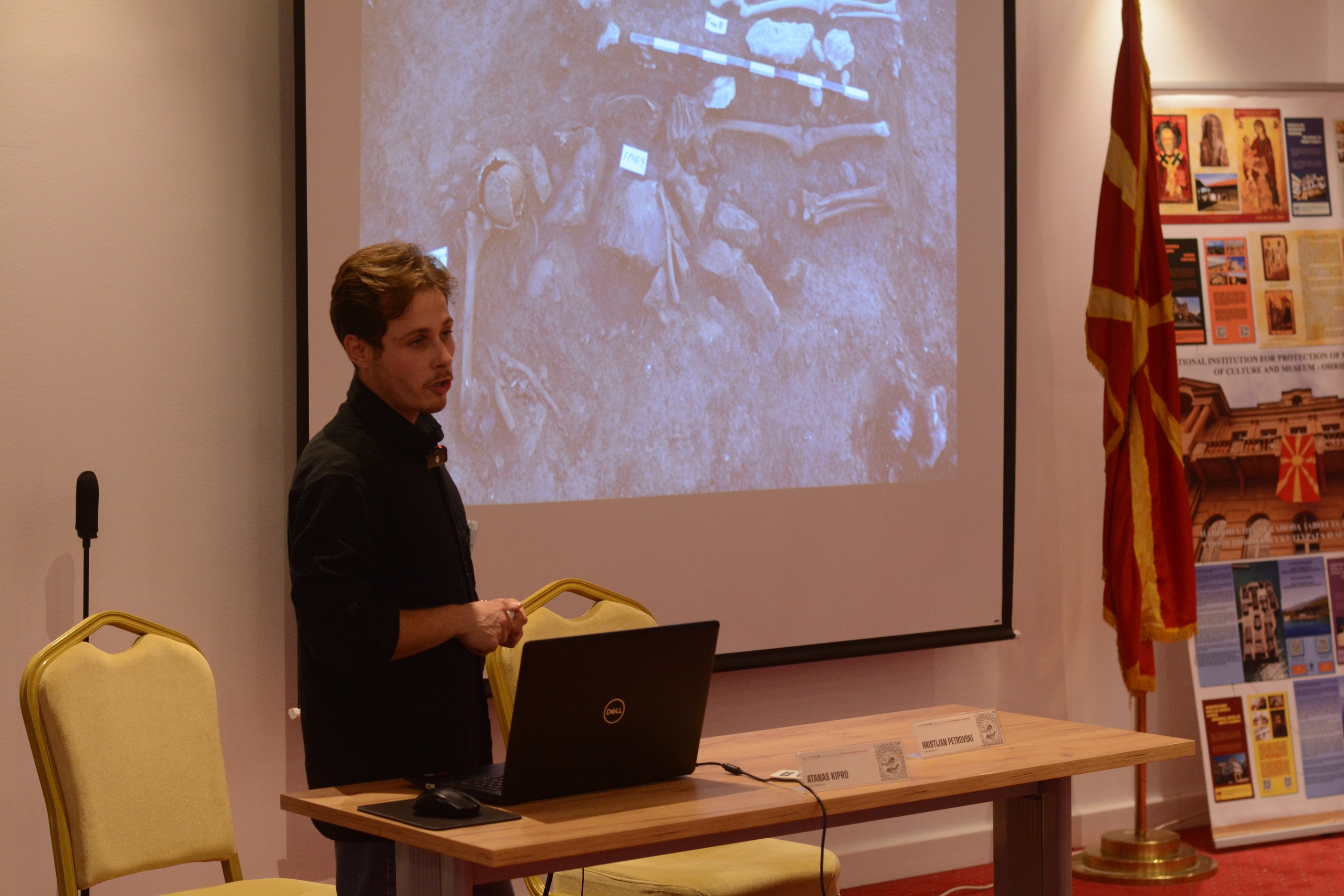
“Medieval Burials at the Mančevci Archaeological Complex”, by Hristijan Petrovski, archaeologist and curator at the Institute and Museum Ohrid.

“Archaeological Research, Protection and Sustainable Management of Archaeological Heritage: The Experience of the Museum of Croatian Archaeological Monuments”, by Branka Milošević Zakić, Assistant Director and senior curator, Museum of Croatian Archaeological Monuments, Split, Croatia.

“From Archaeological Site to Community Heritage: Sustainable Management of Kaštelir above Korte”, by Maša Sakara, research associate and museum adviser, Regional Museum Koper, Slovenia.

The second session, “Promotion, Innovation and Inclusive Interpretation of Cultural Heritage”, dealt with ways of presenting and promoting archaeological heritage and engaging diverse audiences with it. Its presentations were:

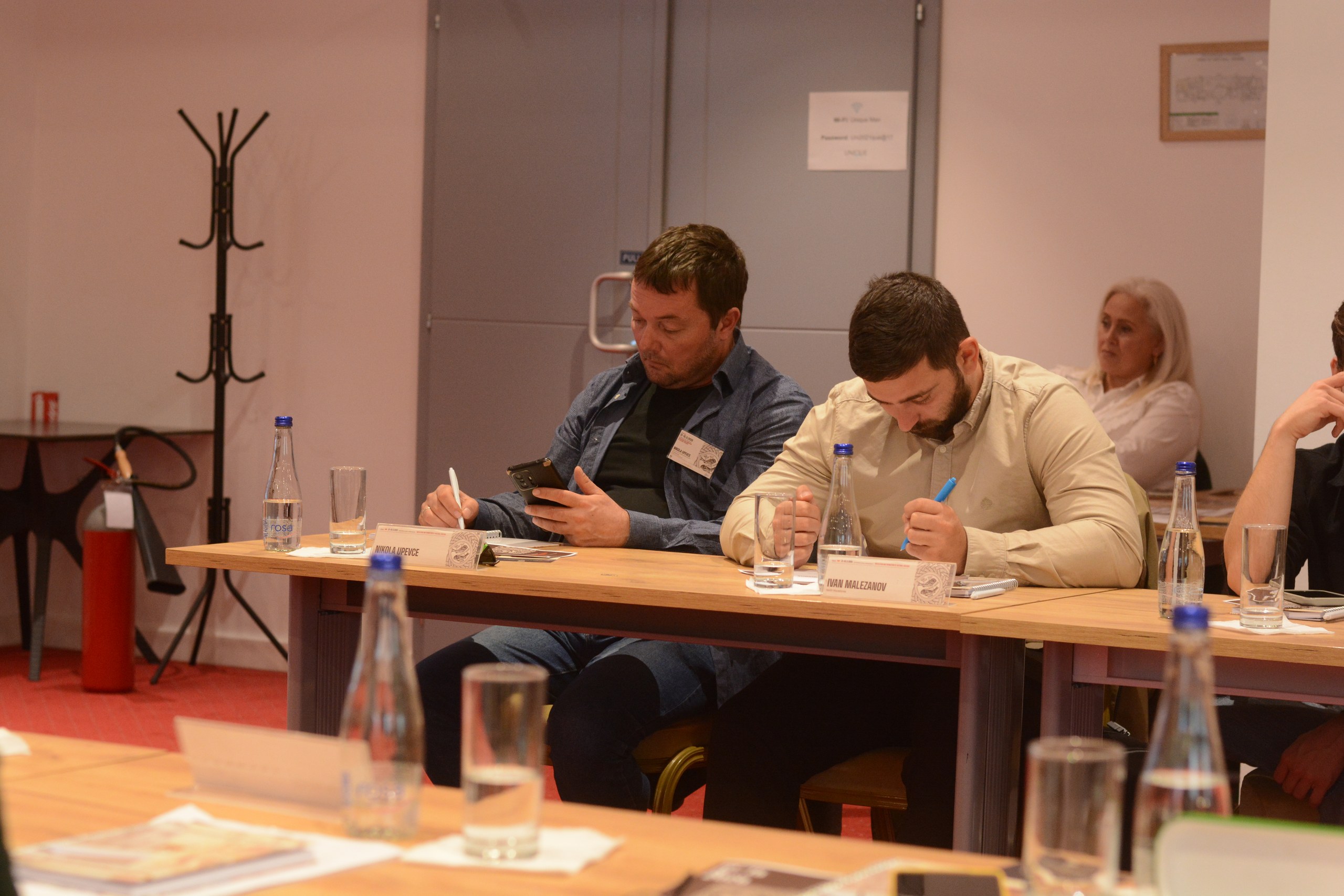
“3D Reconstruction of the Mosaics from the Polyconch Basilica at Plaošnik, Ohrid, and Preparation for Immersive Reality”, by Nikola Upevče, academic painter, mosaic artist and conservator-restorer at the Institute and Museum Ohrid.

“Virtual Accessibility of the Macedonian Tomb in Ohrid”, by Ivan Malezanov, archaeologist and curator at the Institute and Museum Ohrid.

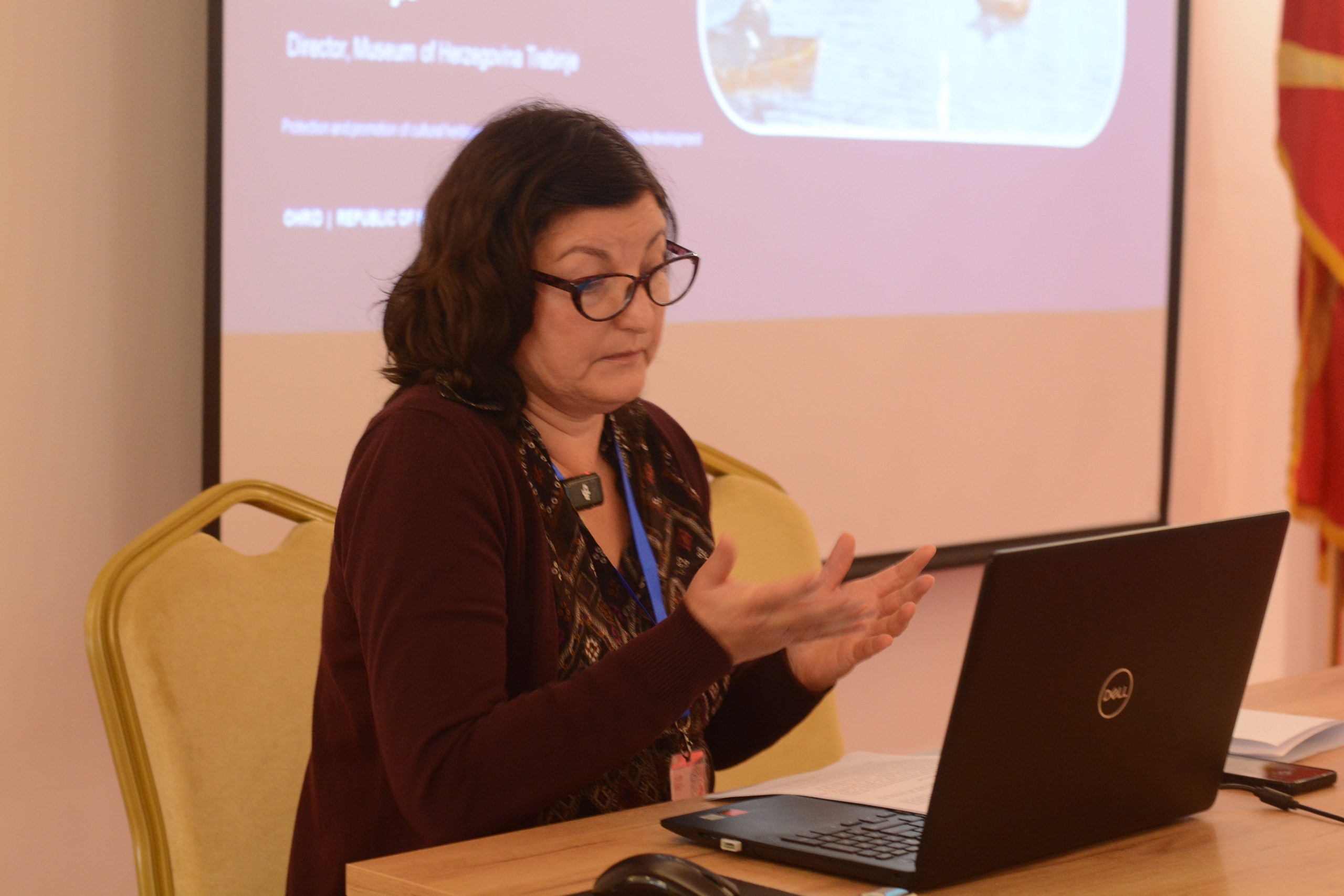
“From Archaeological Heritage to Sustainable Development”: two European projects of the Museum of Herzegovina Trebinje, presented by Ivana Grujić, Director of the Museum of Herzegovina in Trebinje and Chair of ICOM Bosnia and Herzegovina.

“Inclusive Archaeological Parks: Connecting Heritage, Communities and Social Tourism through Kaštelir above Korte and Kaštelir-Elerji”, by Maša Sakara, Regional Museum Koper, Slovenia.

The Forum’s heritage project group and heritage experts met to discuss the report on the activities in Bled (Heritage in Motion and the ZHIVA Award 2026), a review of the activities carried out in 2026, and an evaluation of the Forum’s Strategic Plan in the field of heritage.

The Programme Council of the Forum of Slavic Cultures reviewed the report on the conclusions of the previous meeting of the Forum’s heritage project group, together with an overview of the activities carried out in 2026 and the evaluation of the Strategic Plan in the field of heritage. It then discussed joint project proposals and adopted its conclusions.

It was a great honor and privilege to organize this international workshop. As winner of the prestigious ZHIVA Award for the best Slavic cultural heritage site of 2025, the Institute for the Protection of Monuments of Culture and Museum – Ohrid has committed to continuing its mission: to protect, research, preserve and present the region’s rich heritage, not in isolation but through continuous dialogue, modern innovation, and strong regional and international cooperation.

Ohrid is a city that hardly needs introduction, yet deserves endless gratitude. It is living proof of millennia of human history, art and spirituality, and a proud UNESCO World Heritage region, recognized for its outstanding cultural and natural values. That brings a deep responsibility. Every stone, every medieval church, every artifact beneath our feet and in our museums and galleries tells a story that belongs not only to us but to all of humanity.

Thank you to all the speakers, researchers and participants for their dedication, expertise and presence at the workshop in Ohrid.
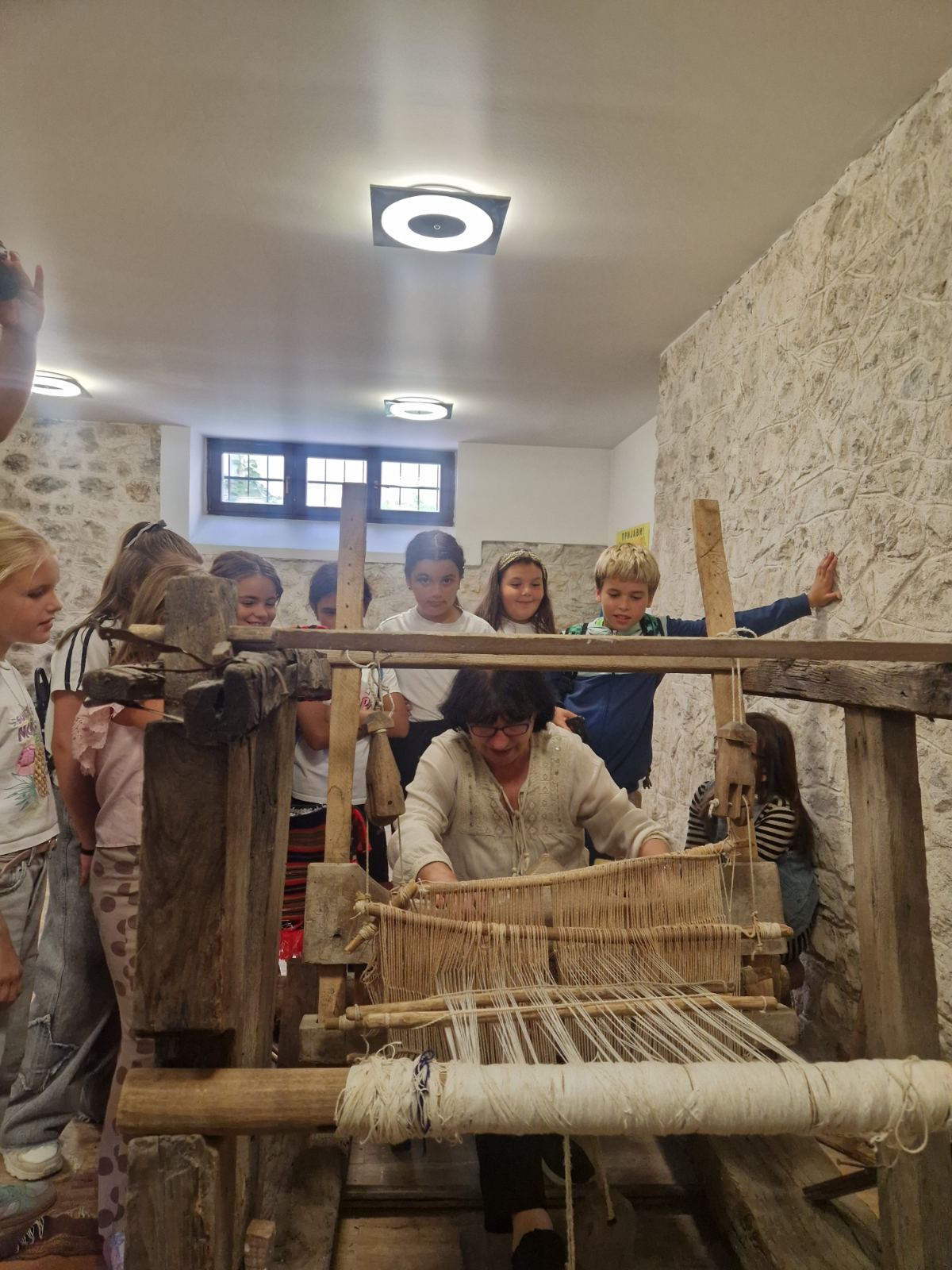
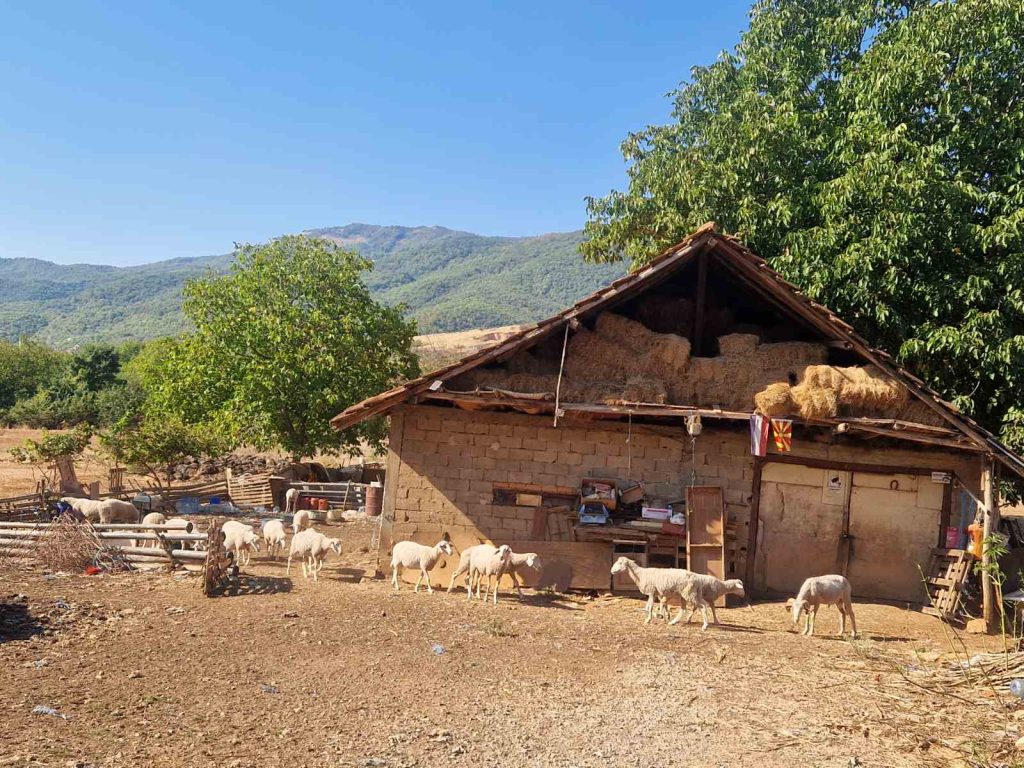
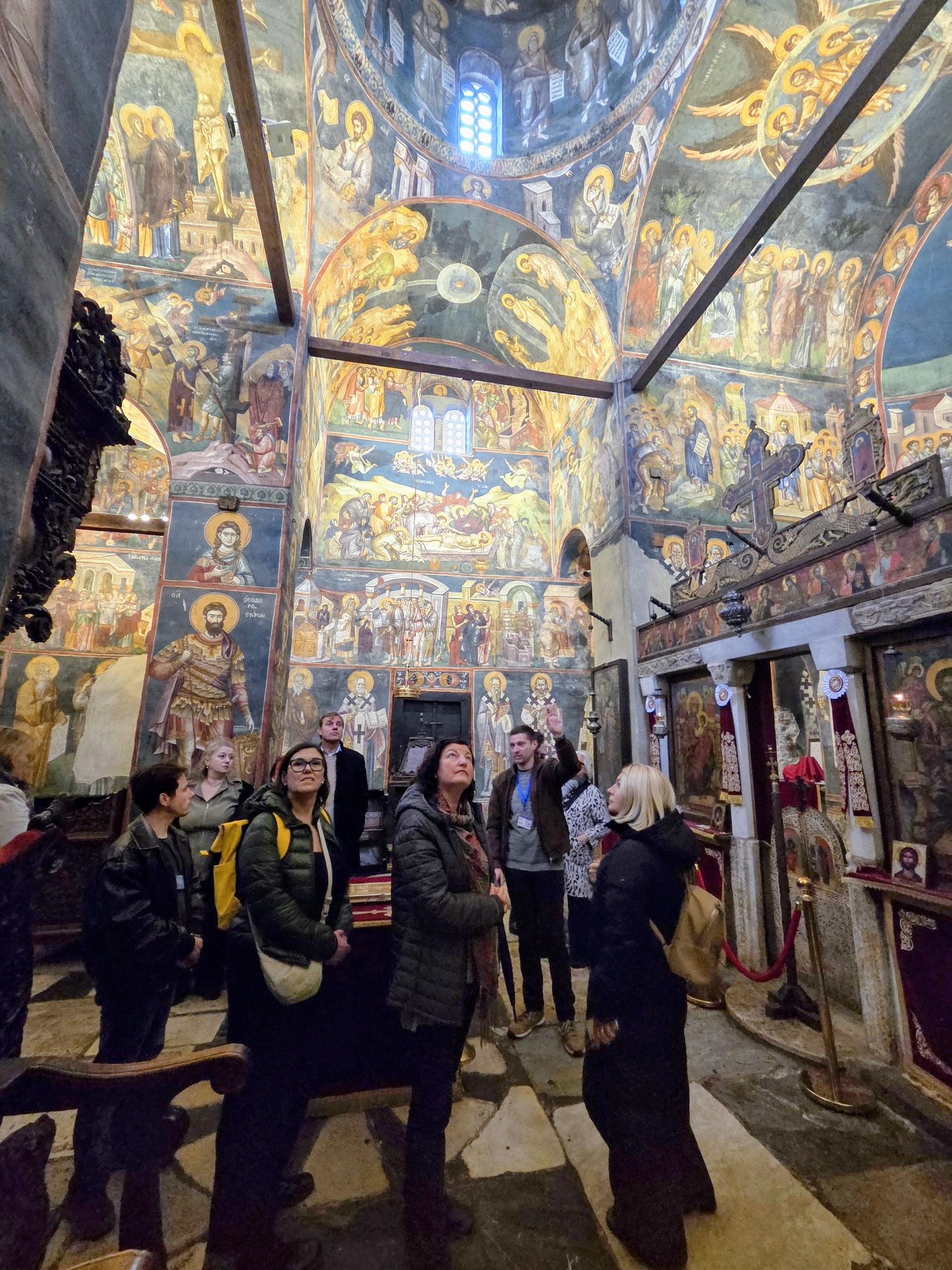
From Wool to Fabric – a creative story we are weaving together with the Institute and Museum of Ohrid

A day that wove the story of tradition.
A beauty filled with curiosity, joy, new discoveries, and countless children’s smiles.
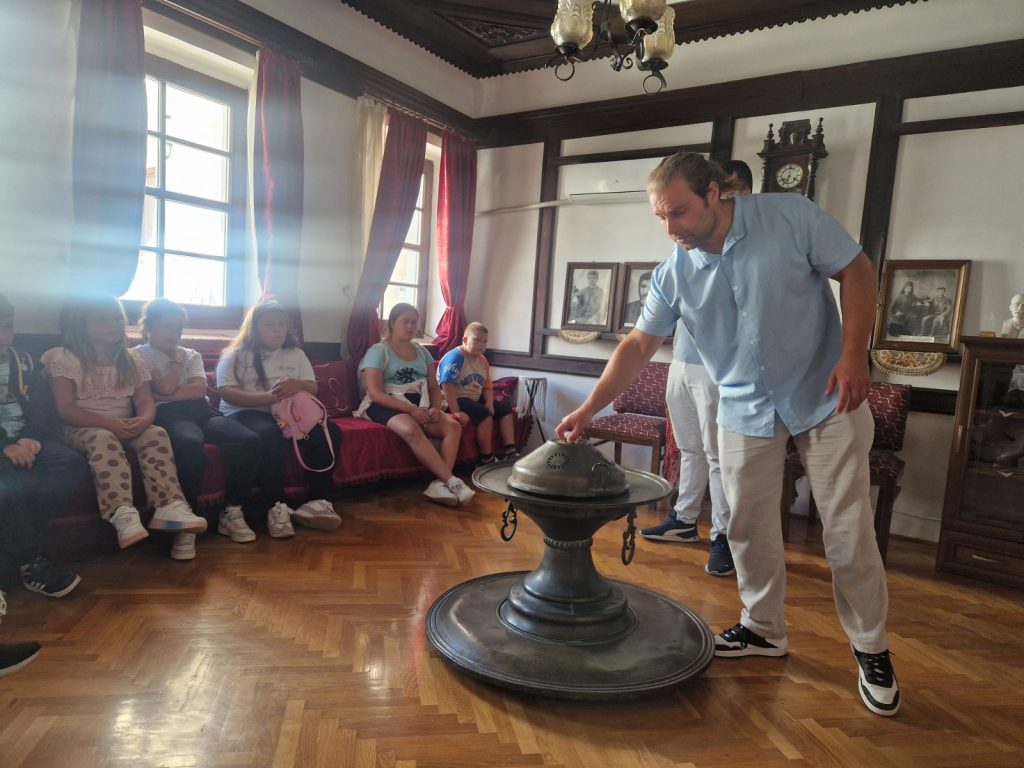
The little wanderers had a fascinating opportunity to spend an unforgettable, different kind of school day – a day in which tradition was not just a children’s tale, but a living picture that we could see, touch, and feel 
In cooperation with the Institute and Museum, we will travel through time and discover traditional values.
The visit to the sheepfold was a true experience – an inspiring story of the journey of wool from nature to human hands.
Then came something truly magical!
Before us opened the world of the loom and weaving.
The most beautiful moment was seeing the children’s eyes filled with wonder. They asked questions, explored, touched, and learned.
Today we learned that tradition doesn’t live only in museums.
It lives in children’s curiosity, in the stories we weave and pass on to the youngest generation.
From a sheepfold, to a loom, from a single thread to a single story – together we are weaving the thread with the past.
Thank you to the Institute and Museum of Ohrid for this wonderful experience and the opportunity to explore and create.
Impressions that children’s hearts will remember for a long time.

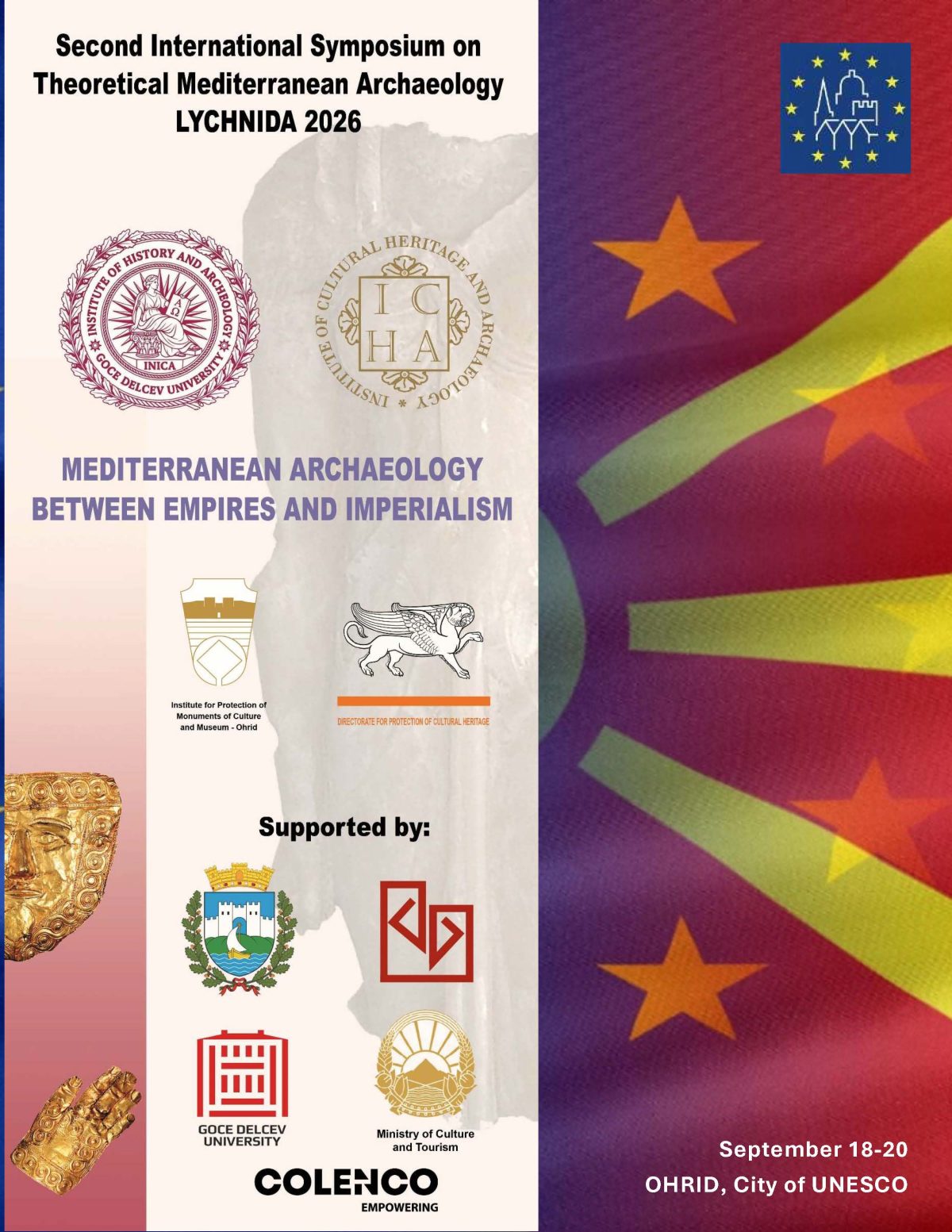
SECOND INTERNATIONAL SYMPOSIUM ON THEORETICAL MEDITERRANEAN ARCHAEOLOGY

The National Institution for the Protection of the Cultural Monuments and Museum of Ohrid is once again hosting this edition of the SYMPOSIUM ON THEORETICAL MEDITERRANEAN ARCHAEOLOGY, held for the second consecutive year in Ohrid, organized by the Institute of History and Archaeology at the “Goce Delčev” University, in cooperation with the Cultural Heritage Protection Office, the Institute for Protection of Monuments of Culture and Museum of Ohrid, the Institute for Cultural Heritage and Archaeology – Skopje, together with numerous partners from Macedonia and abroad.

The symposium will be attended by the founder and long-time president of the Spanish Institute of Cultural Heritage, and former president of the European Association of Archaeologists, Professor Felipe Criado Boado, the European and Dutch academic Wärschläus, as well as directors and professors from some of the world’s most highly ranked universities in the field of archaeology and ancient history: Sapienza, Leiden, University College London, the Max Planck Institute of Florence, the University of Gothenburg, the Polish Academy of Sciences, the Austrian Academy of Sciences, the UNESCO Chair on the Heritage of the Future, and numerous other European and regional universities and research centers.

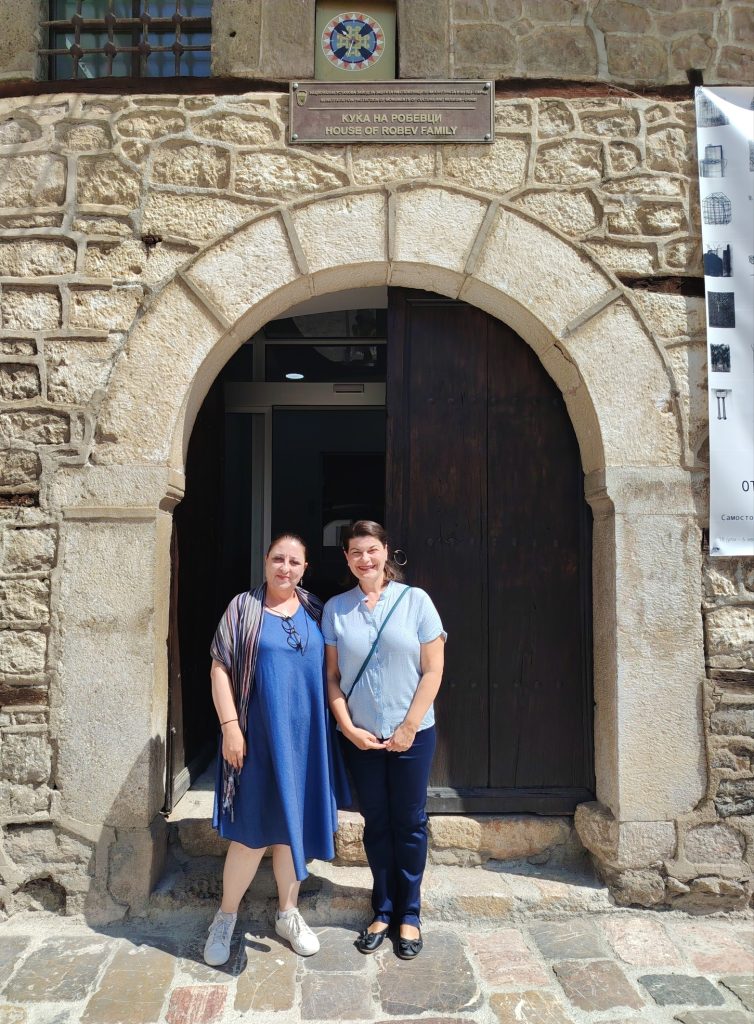
This year the Lychnidos International Scientific Symposium on Theoretical Mediterranean Archaeology will be held from September 18 to 20 in Ohrid, at several of the finest sites of Macedonian cultural heritage. The symposium’s opening will take place at the Gallery of Icons – Ohrid at 7 p.m., while the scientific sessions will be held at the Memorial House of Hristo Uzunov, the Memorial House of Grigor Prlichev, and the House of the Robevi Family. This year’s symposium theme is “Mediterranean Archaeology Between Empires and Imperialism,” and according to the symposium’s director and head of the Institute of History and Archaeology at the “Goce Delčev” University, Professor Tevdovski, an international scientific publication is already being prepared, which will include contributions from the distinguished guests and scholars from Macedonia and around the world.

The opening of the international symposium also marks the beginning of the official celebration of the European Heritage Days in Ohrid, the UNESCO City.

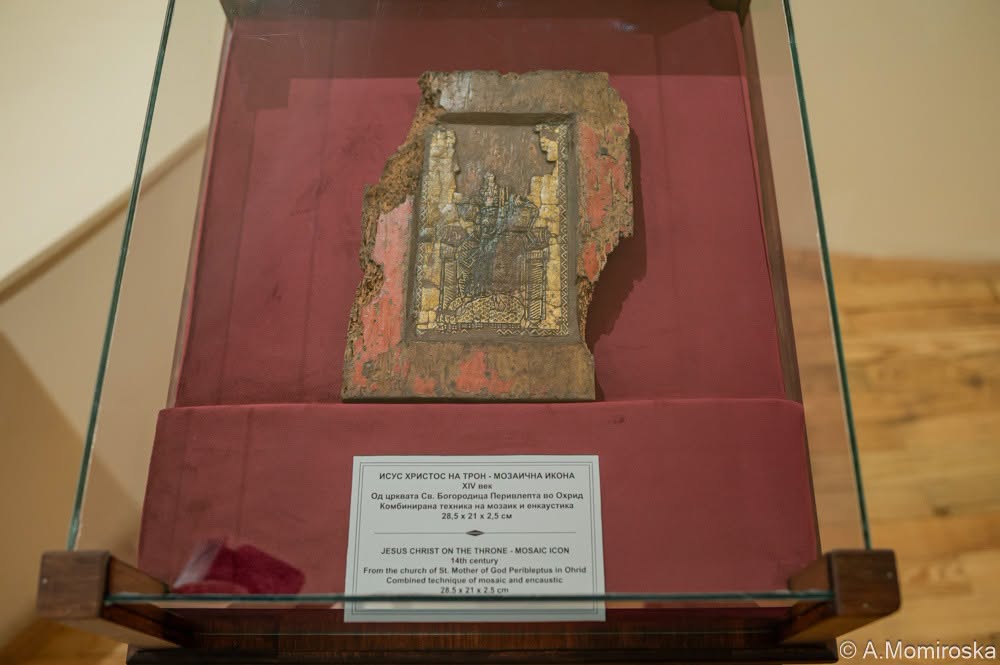
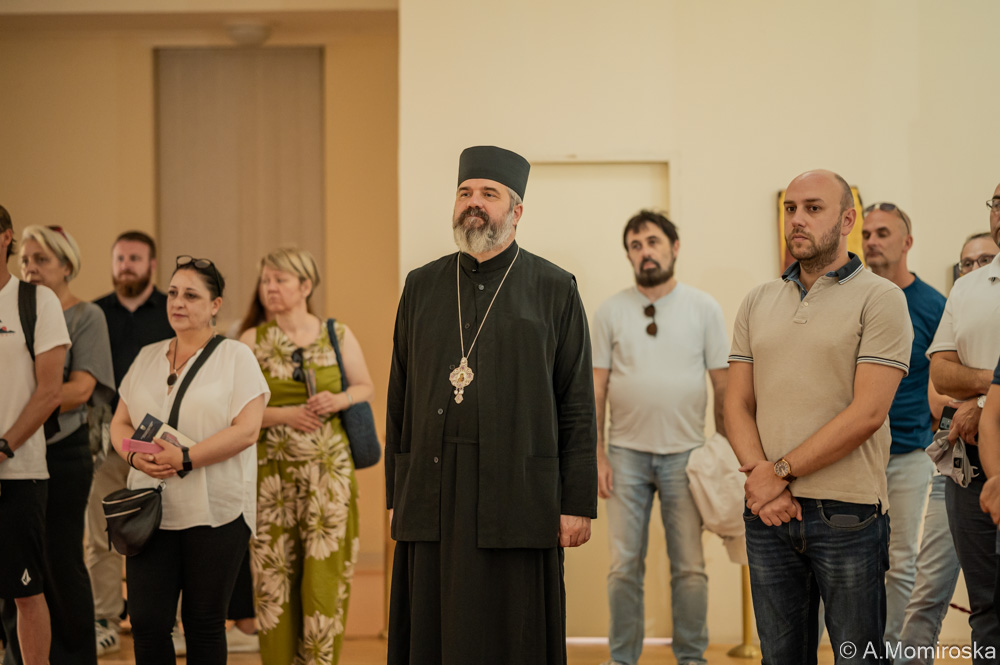
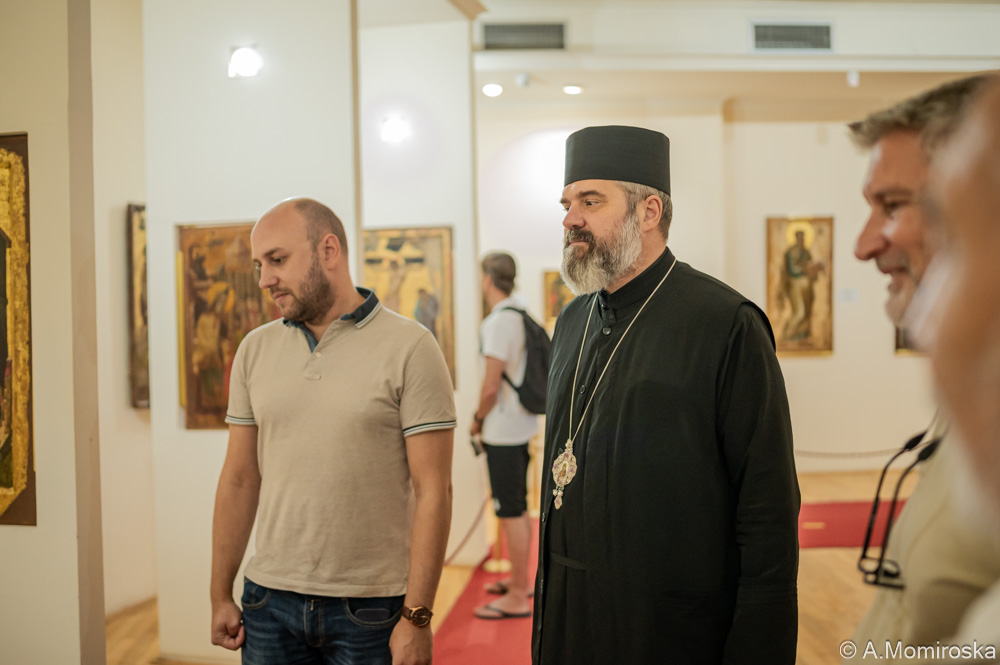
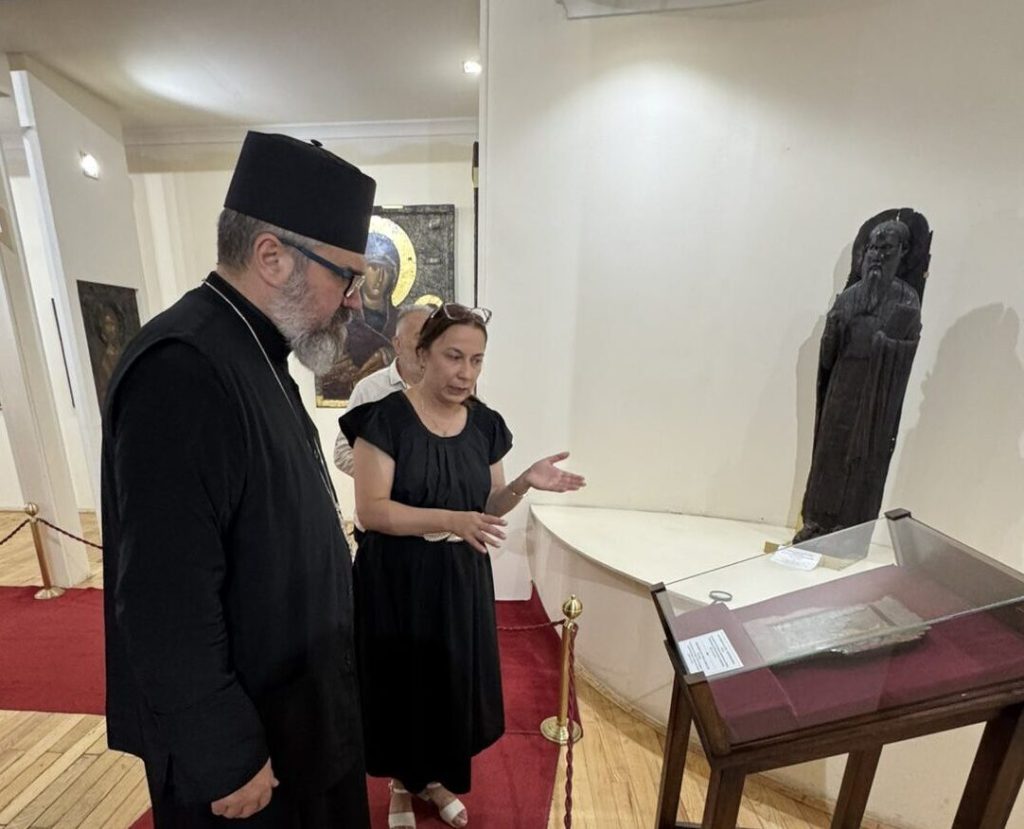
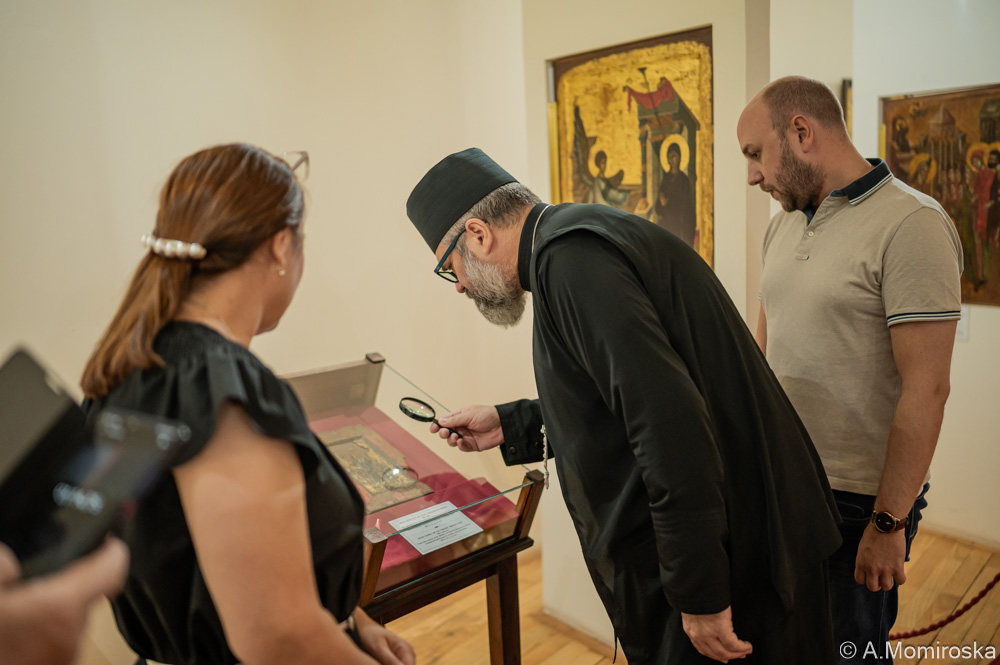
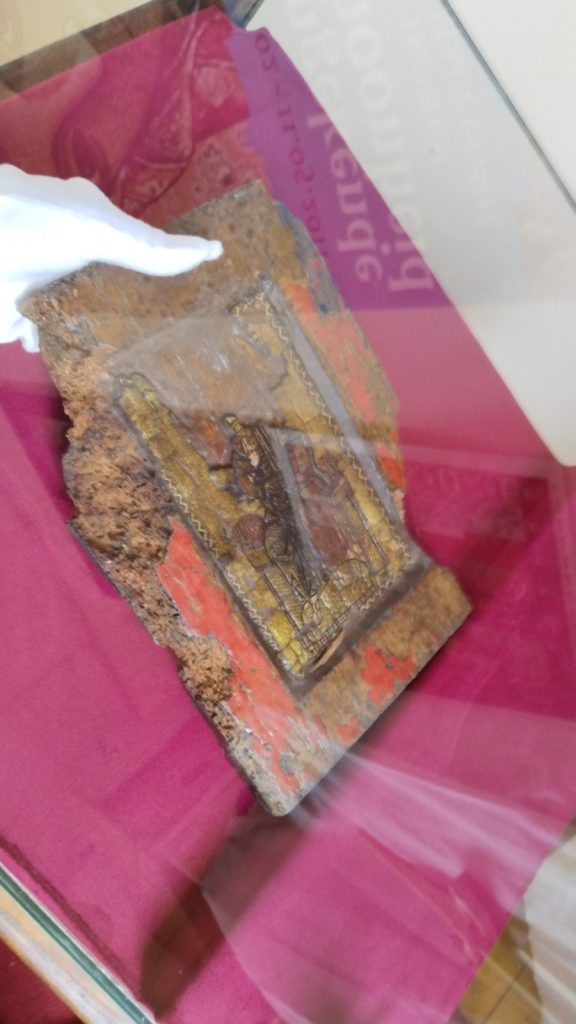
The mosaic icon “Jesus Christ on the throne” shines in the Icon Gallery in Ohrid

The unique and unique mosaic icon in Macedonia was presented to the Macedonian public for the first time as part of the commemoration of the 75th anniversary of organized museum activities in the city by the NU Institute for the Protection of Cultural Monuments and the Ohrid Museum, and on the occasion of the celebration of the 1110th anniversary of the death of Saint Kliment Ohriski.

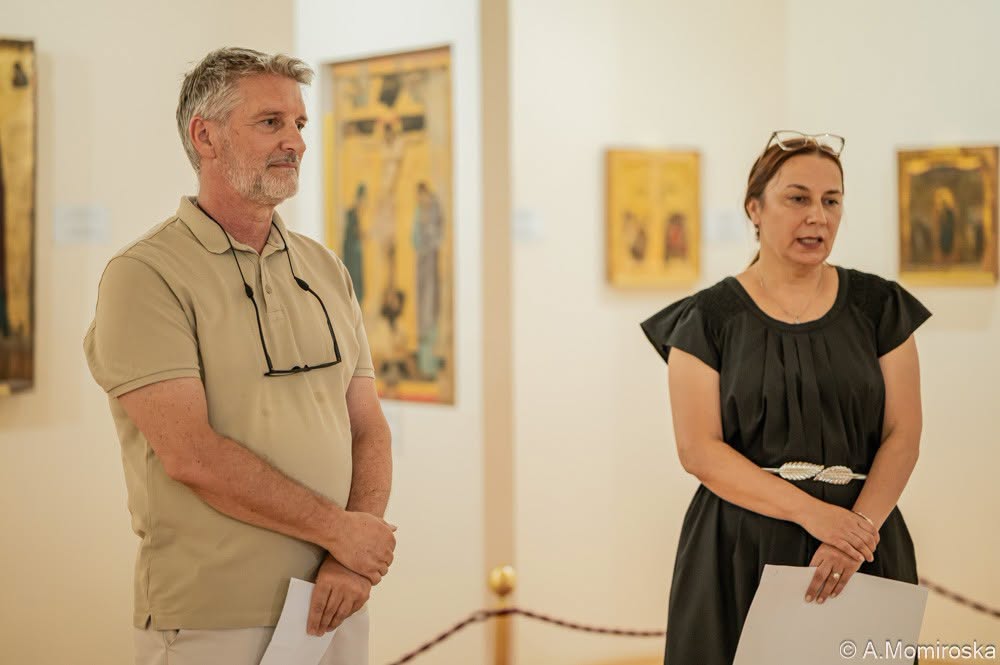
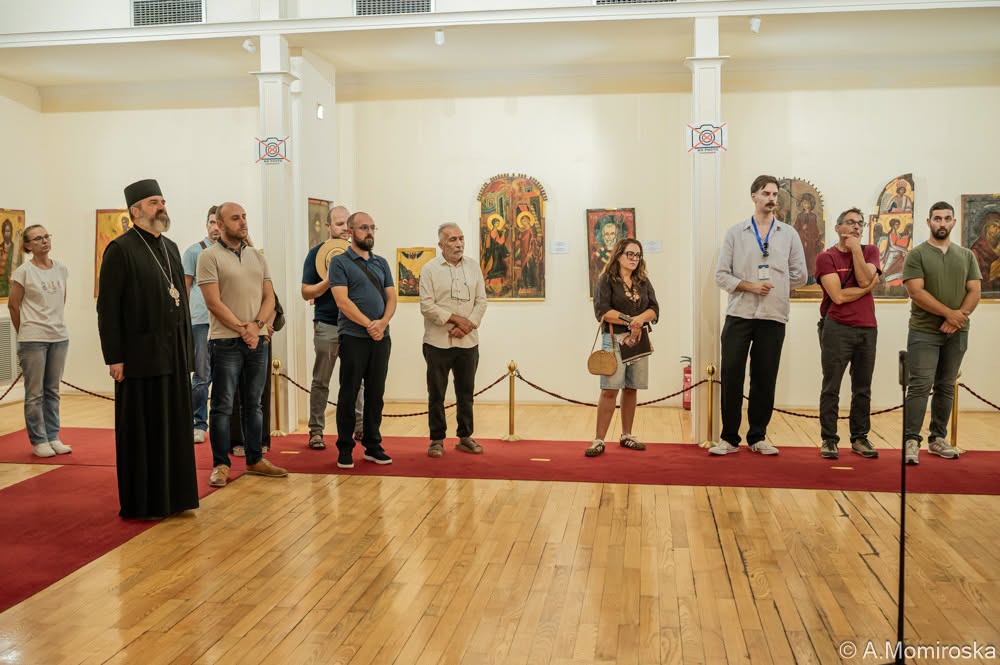
The promotion was opened by the Director, M.Sc. Goran Patčev, with greetings to those present, His Eminence the Metropolitan of Debar-Kičevski, Mr. Georgij, and other representatives of the institution, cultural workers and visitors.

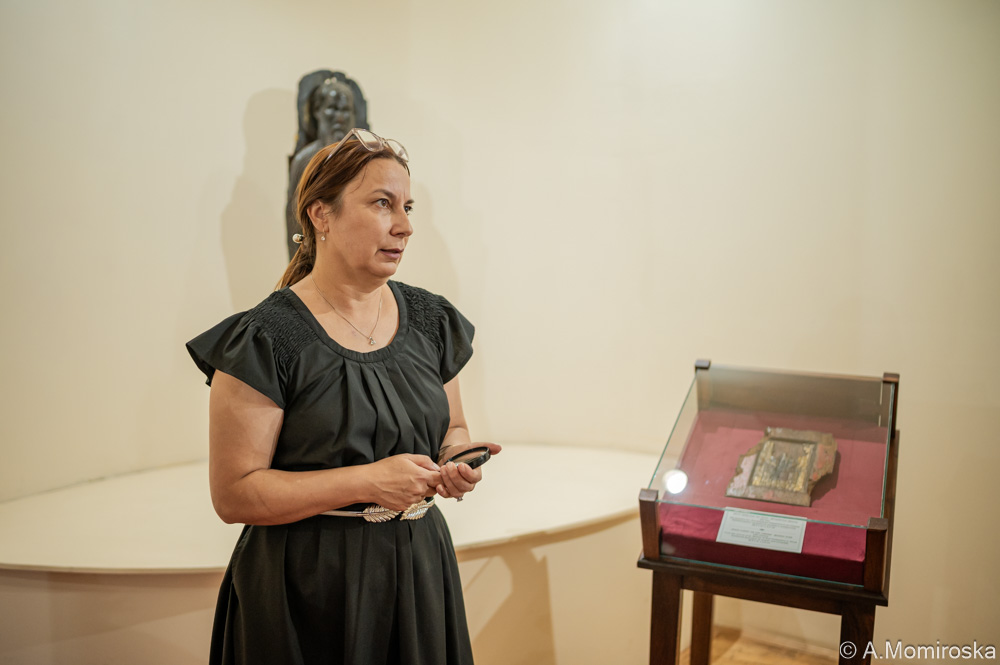
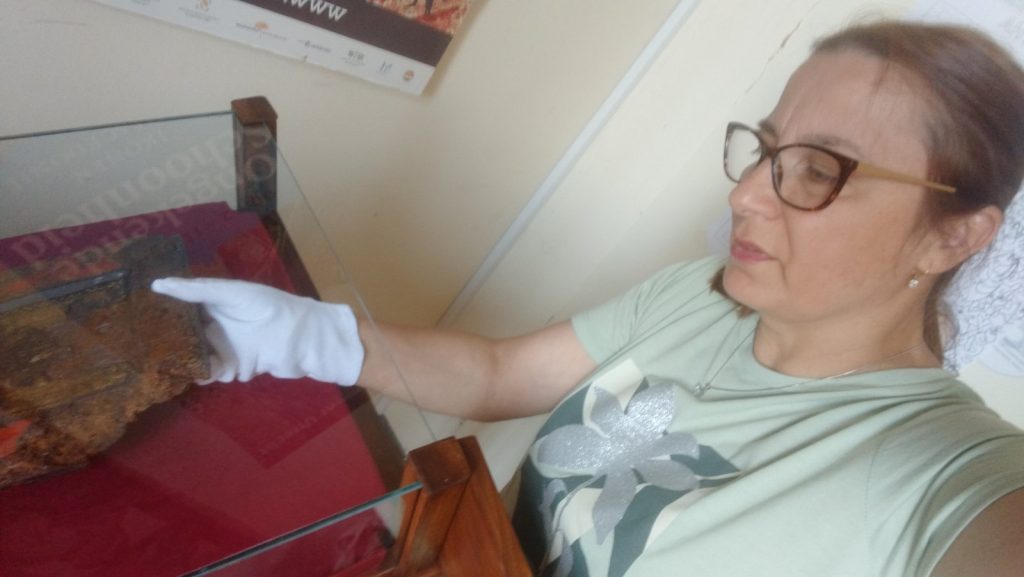
Art historian Katerina Velkoska spoke about the value and meaning of mosaic icons, who pointed out that in 1960, during the recording of icons in the church of St.Bogorodica Perivlepta in Ohrid, this mosaic icon was discovered in the southern chapel of the church next to other icons. At that time, the icon was dated as being from the 14th century, but it may be older.

On the icon with dimensions 28.5x21x2.5, Jesus Christ is represented sitting on the throne.

The mosaic technique represents the most complex and expensive medium of fine art in the Byzantine period, so small mosaic icons belong to a certain class of people and are a product of court art. This icon here in Ohrid was most likely brought as a gift from Constantinople or Thessaloniki.

Mosaic icons are among the rarest forms of Byzantine iconography. Today, significant examples are preserved in several of the world’s largest museum collections, in the Louvre in Paris, the Metropolitan Museum in New York, the Bode Museum in Berlin and the Byzantine and Christian Museum in Athens.

In Ohrid, a city that for centuries represented one of the most important centers of Orthodox spirituality and Byzantine culture in the Balkans, this rare mosaic icon represents yet another precious proof of its place in the history of European and Byzantine cultural heritage.

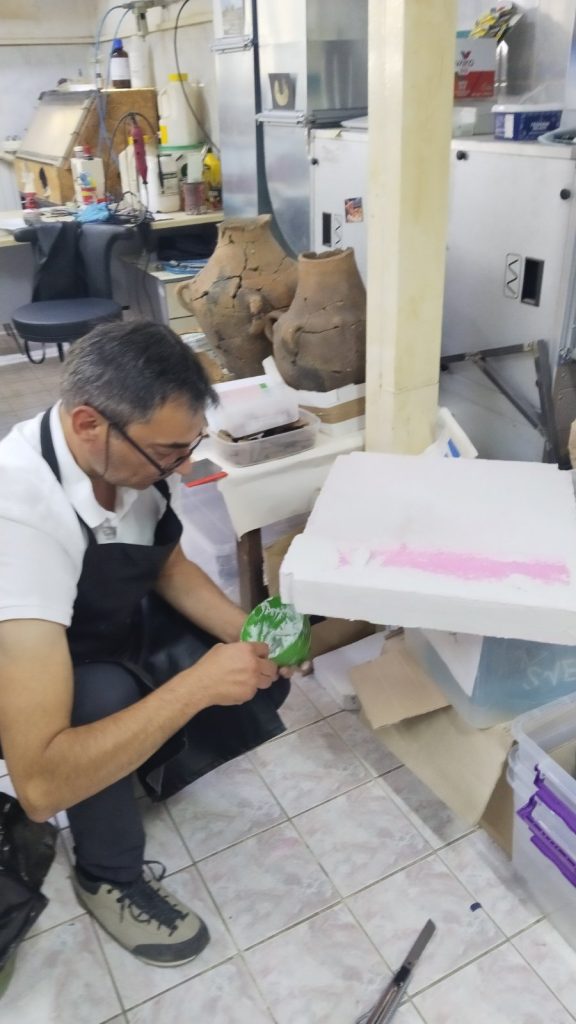
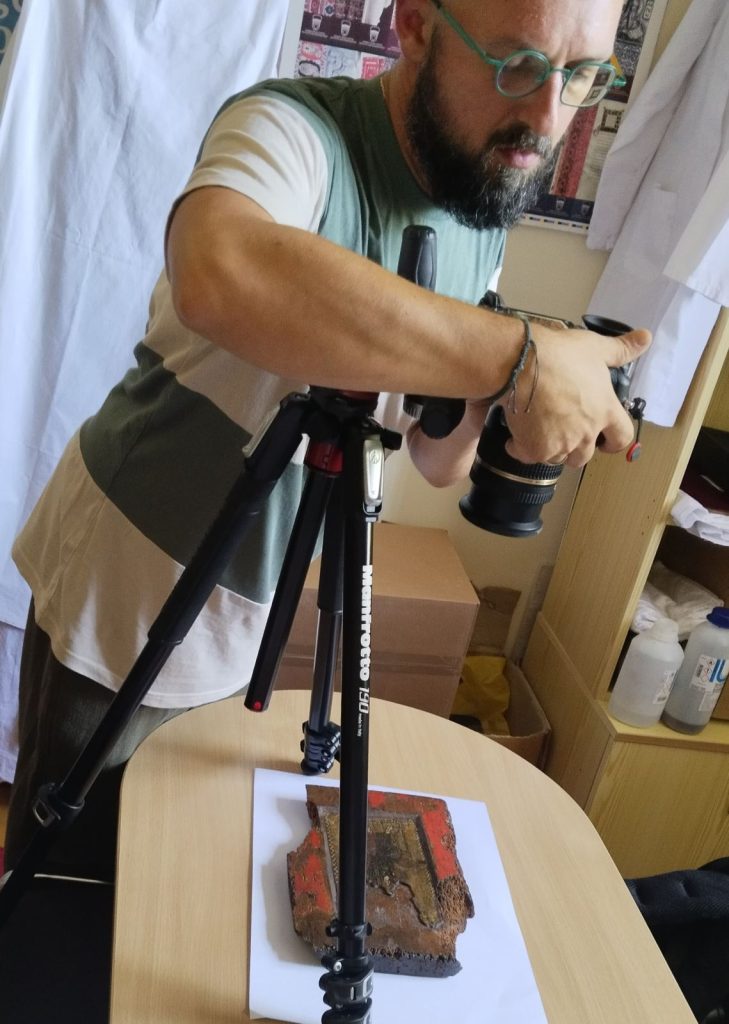
This project is part of the annual program for the work of institutions financially supported by the Ministry of Culture and Tourism. The project “Current maintenance of the collection of icons and other liturgical objects” was realized by the department curator, art historian Katerina Velkoska.

Valuable donation from the heirs of the Robevci family to the Museum in Ohrid

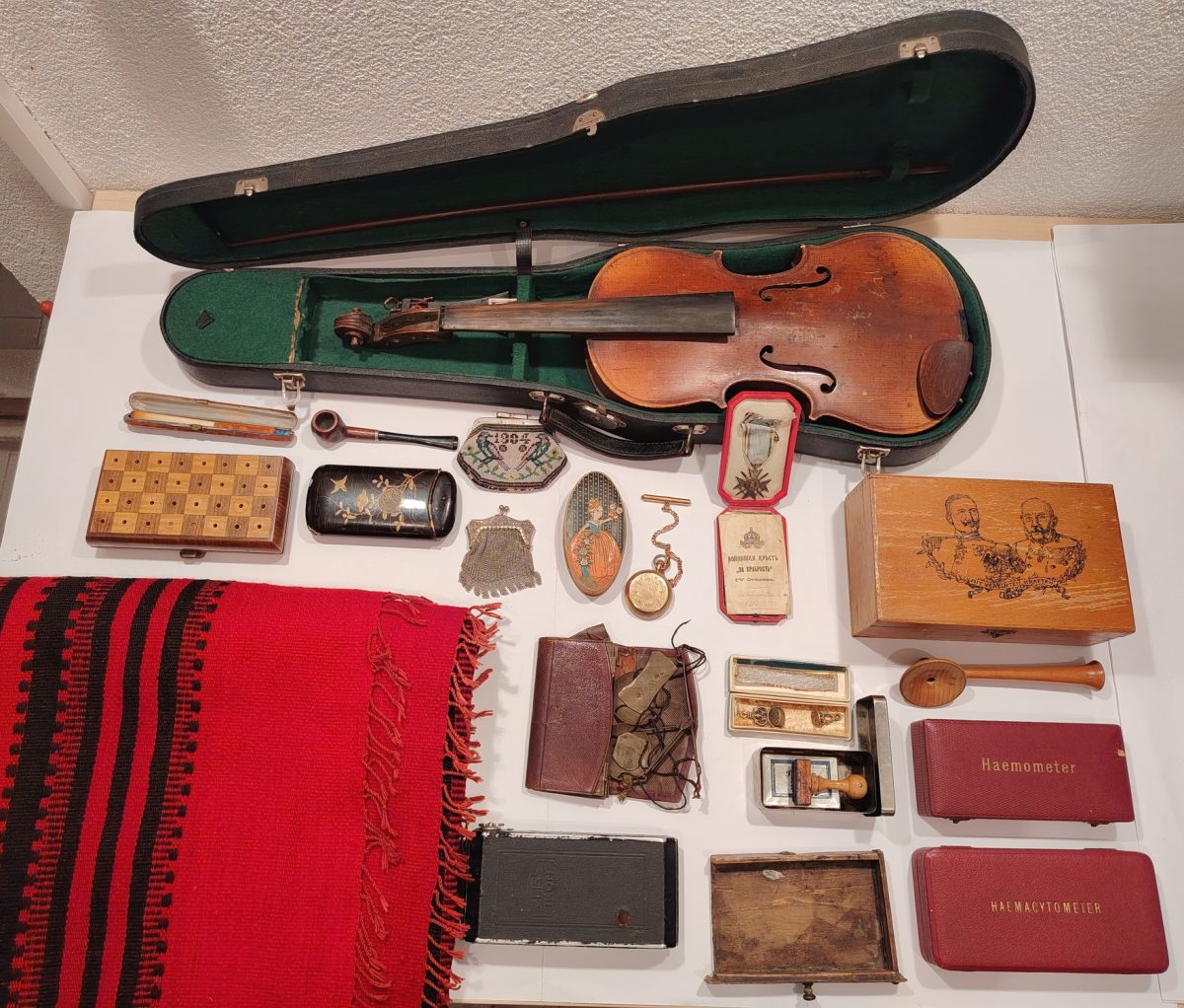
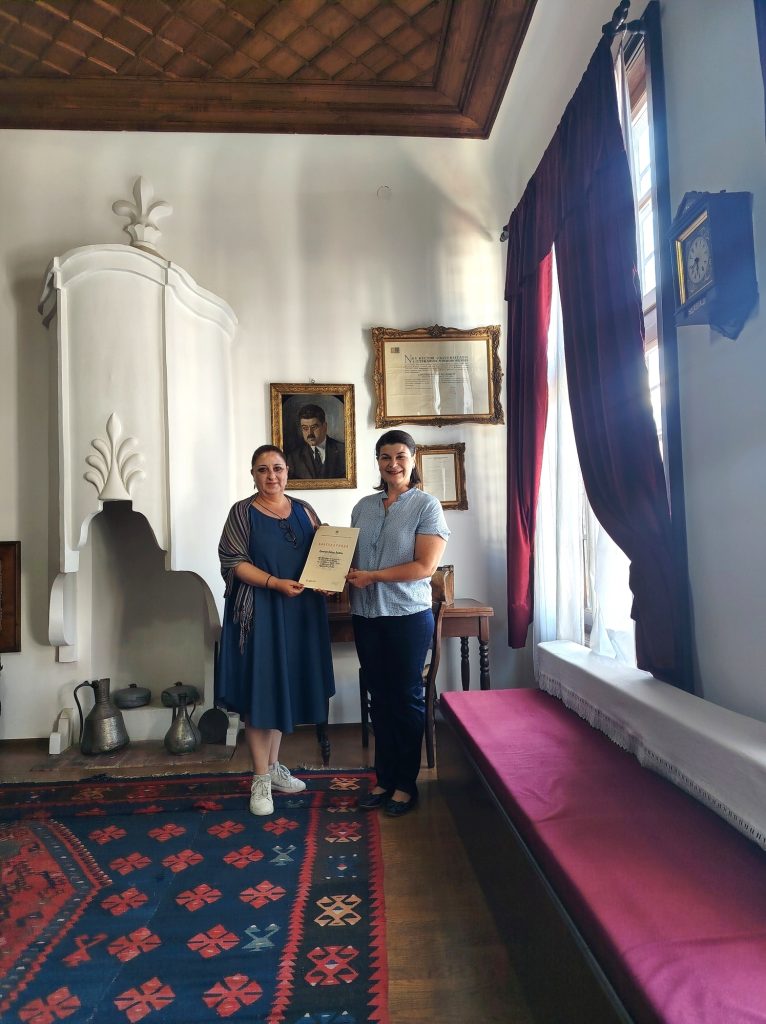
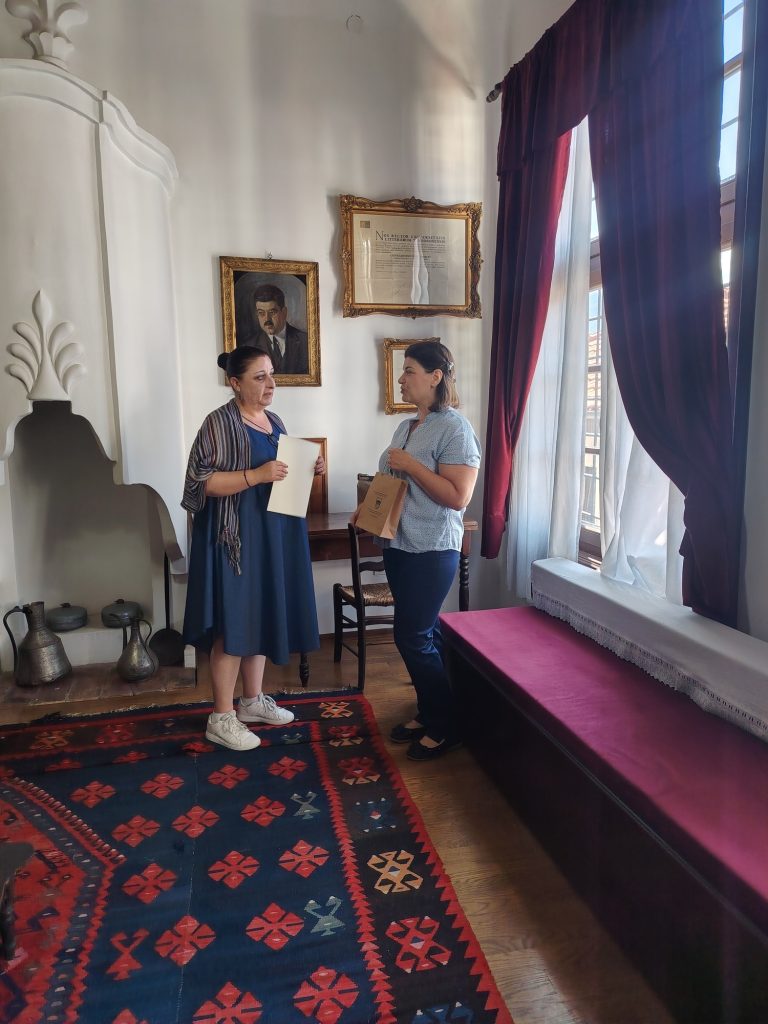
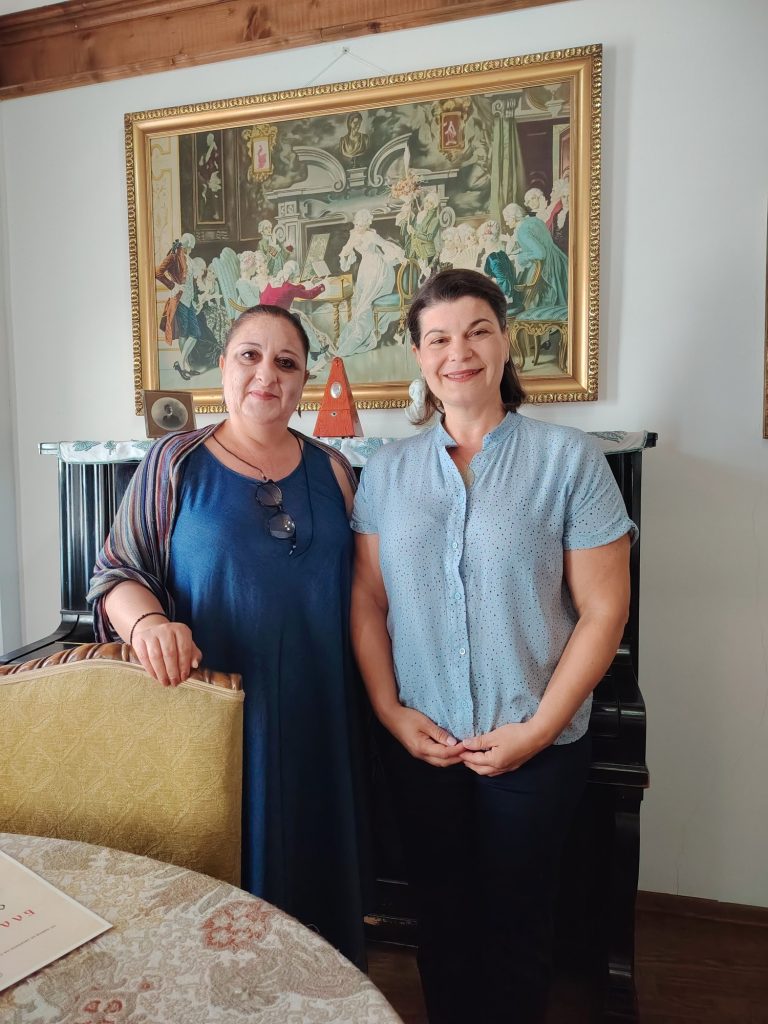
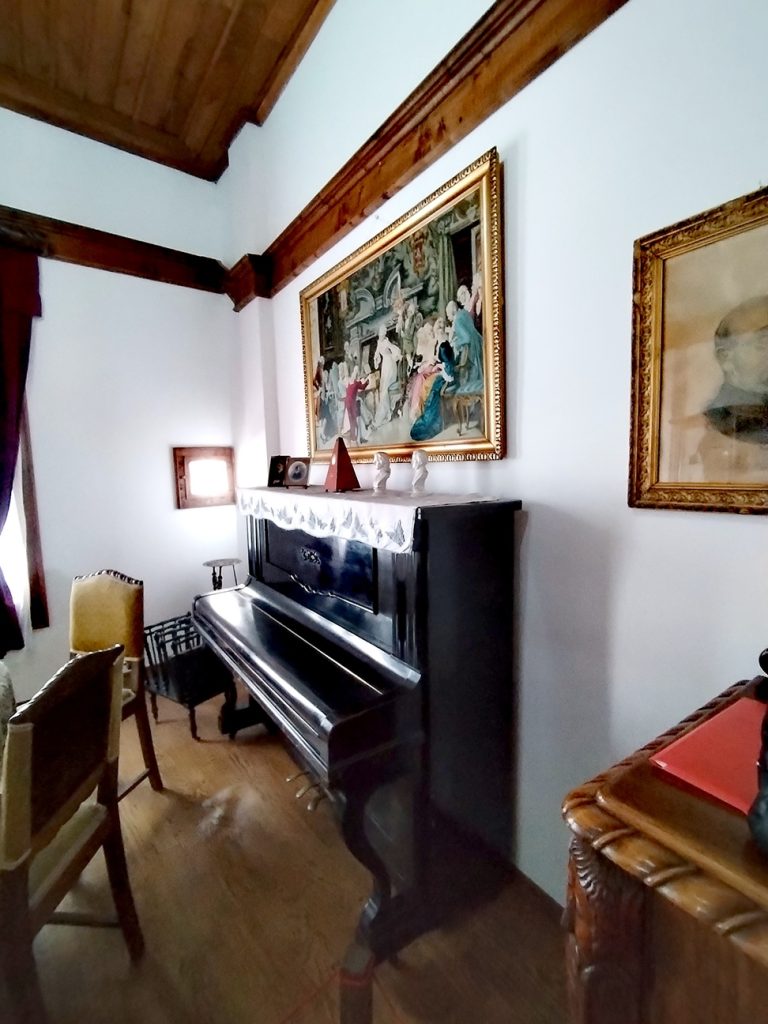
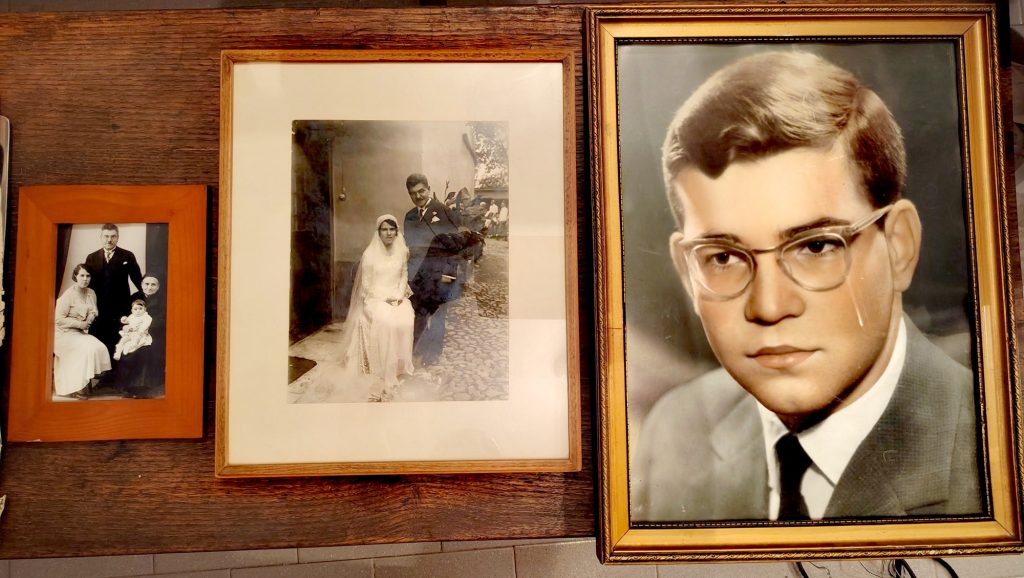
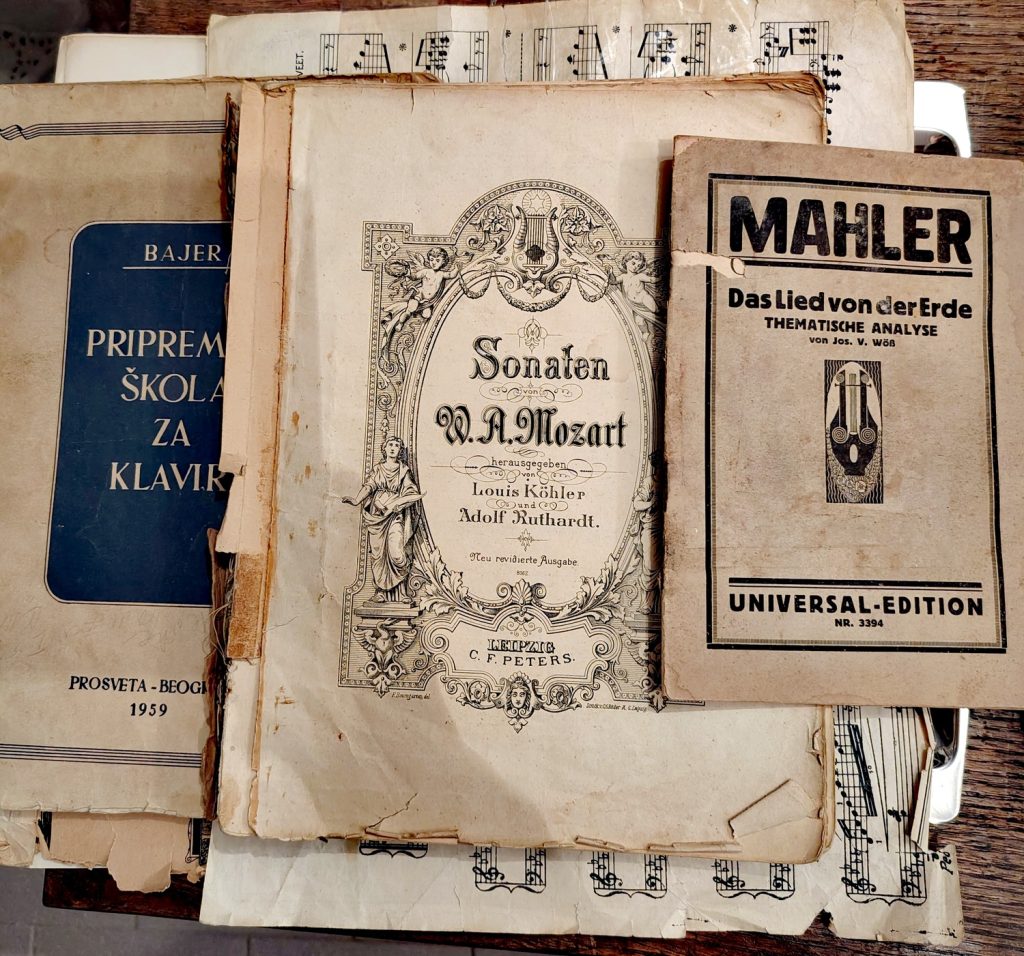
The National Institute and Museum – Ohrid received another valuable donation from the Robevci family. Mrs. Olivera Robevci Krsteva has donated personal items from her family to the Ohrid Museum in the last two years. These include old photographs, household items, a piano, a violin, sheet music, books, medical instruments, stamps, a camera, a medal, a metronome, smoking utensils, women’s accessories, a clock with a bone and other items. With this donation, the museum collection has been enriched by another 50 items, and thus the Robevci family fund has reached a number of over 200 items.
The items were received in the ethnological department by the senior curator Olivera Misheva, where the majority of the fund is kept, and a large part of them are exhibited in the museum building, the Robevci House.
The National Institute and Museum – Ohrid expresses its great gratitude for the honor and trust of Mrs. Olivera Robeva Krsteva for the permanent donation of the objects to the Ohrid Museum.
The donated objects represent a challenge for new research, protection and presentation of a part of the cultural heritage for future generations, as witnesses of a time, a way of life and proof of the great contribution of significant figures to the history and culture of the city of Ohrid.

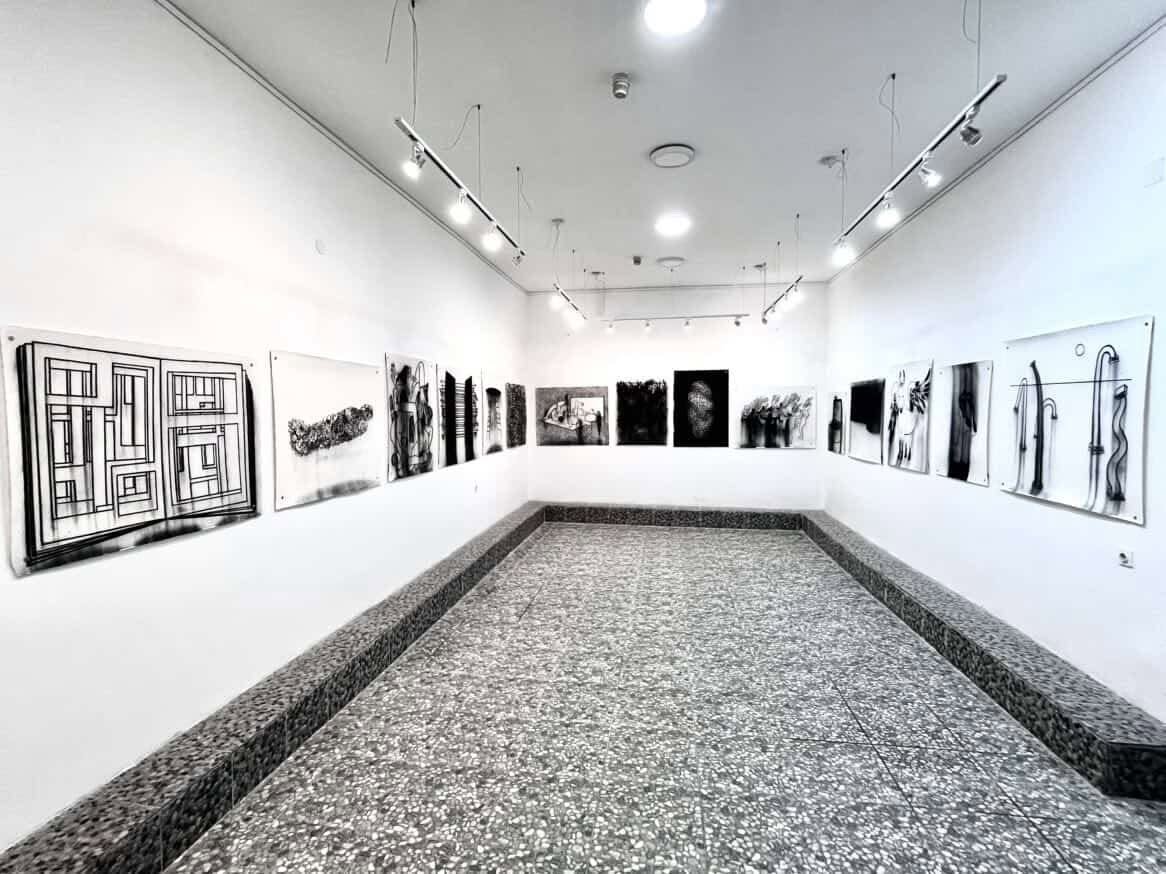
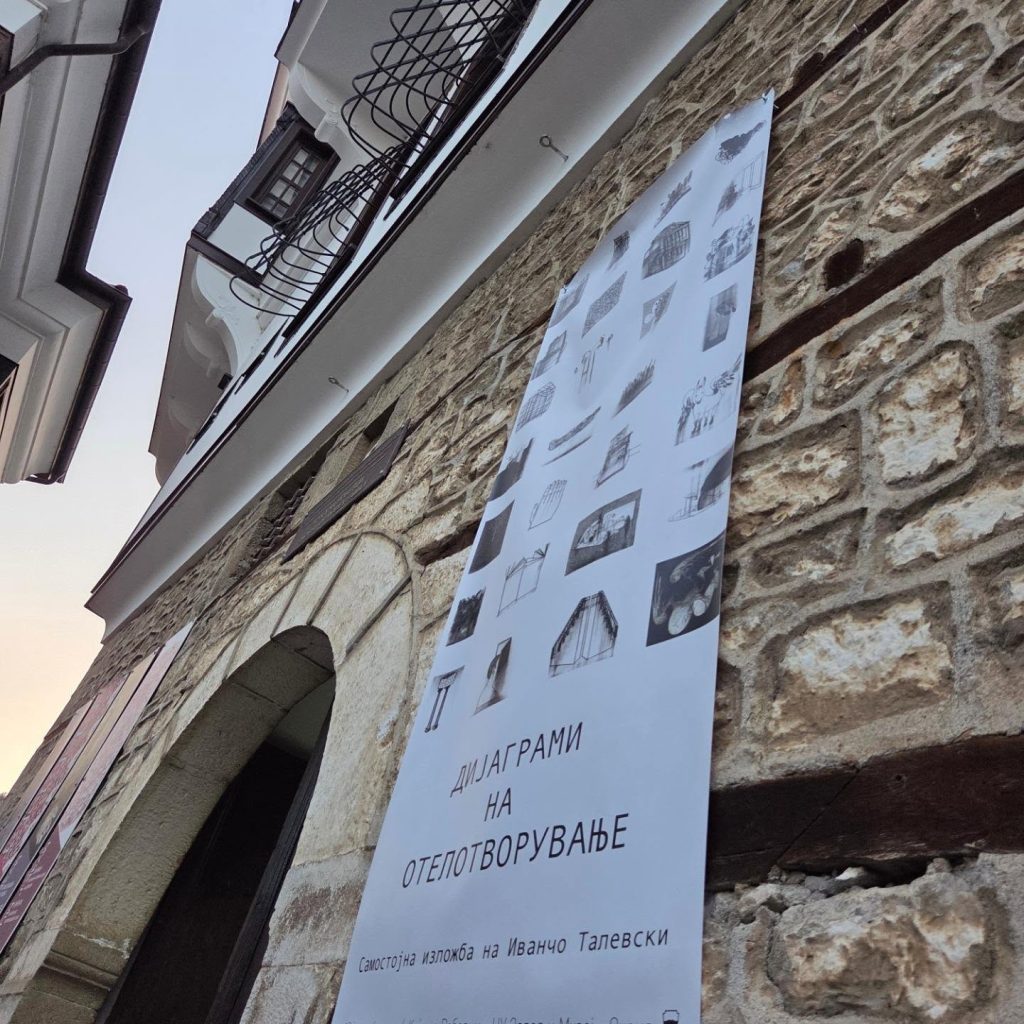
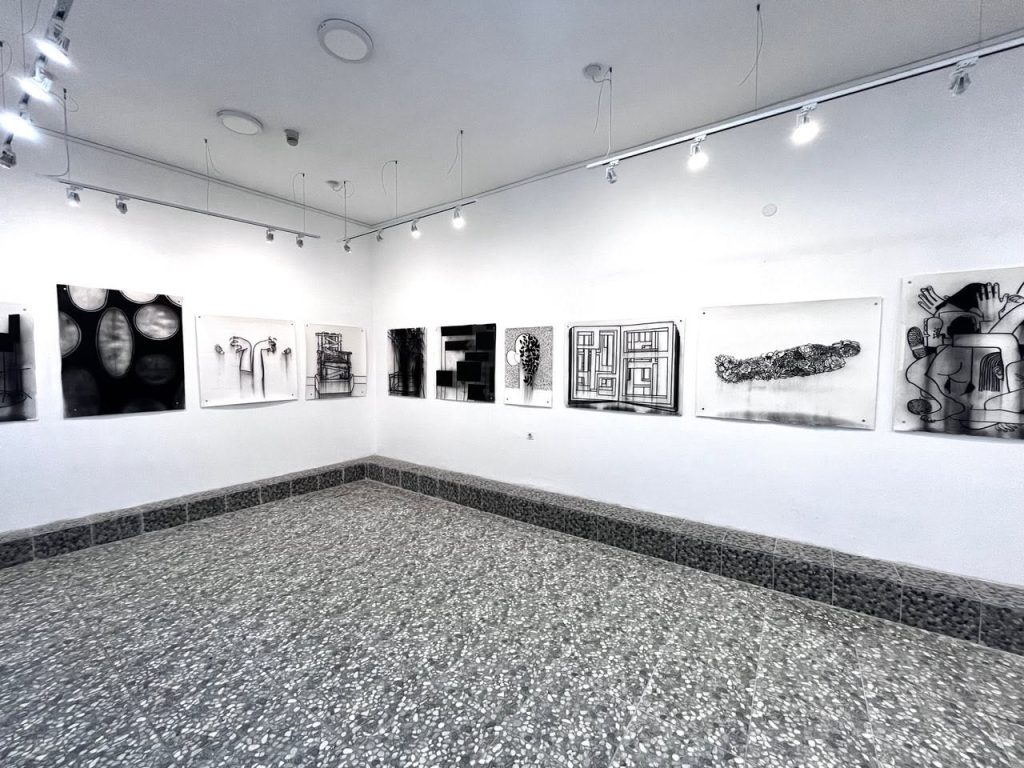
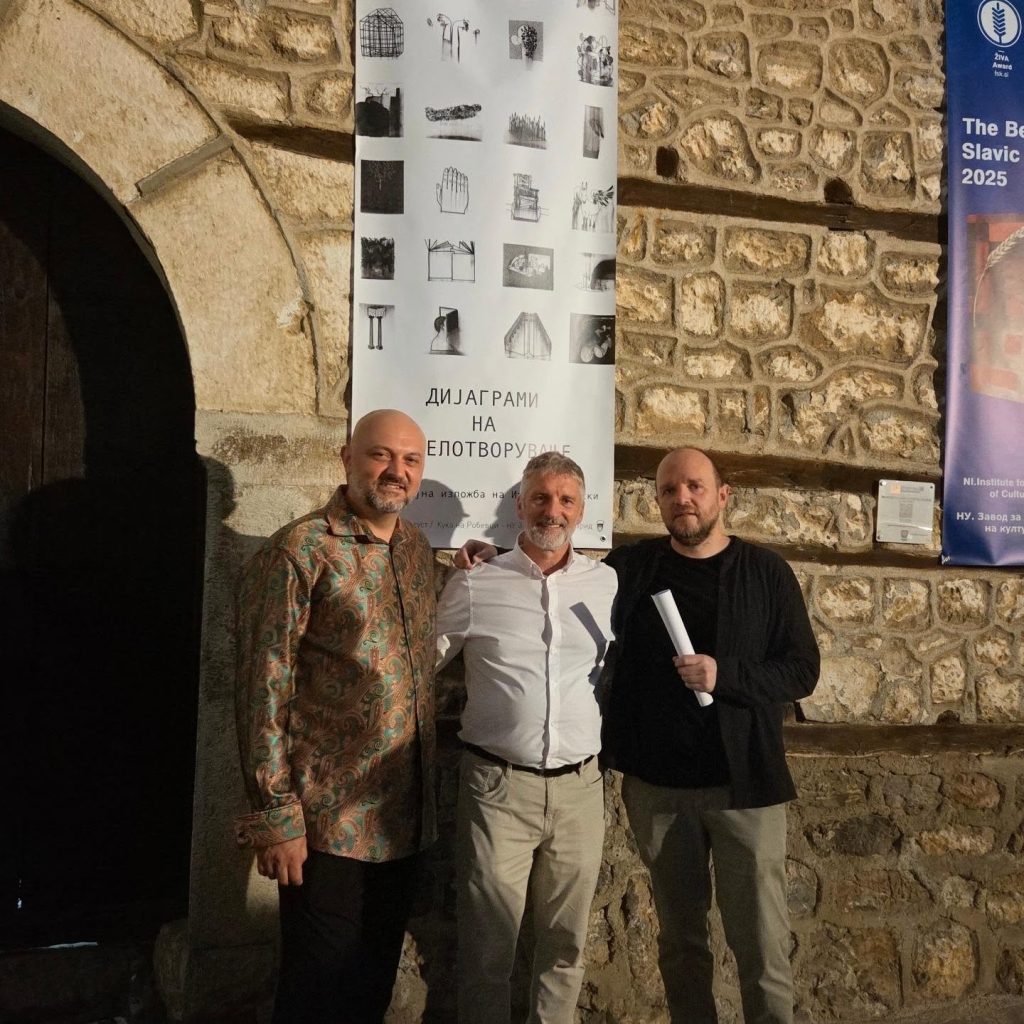
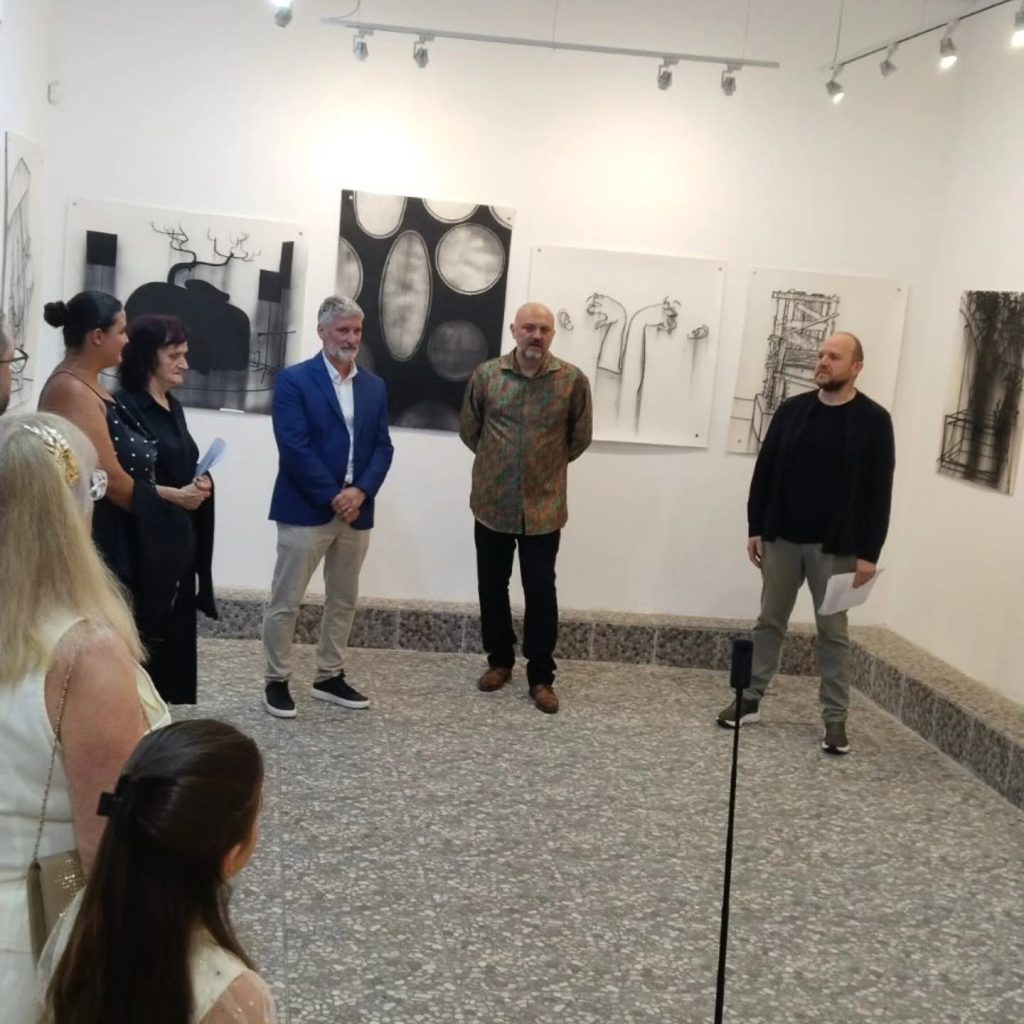
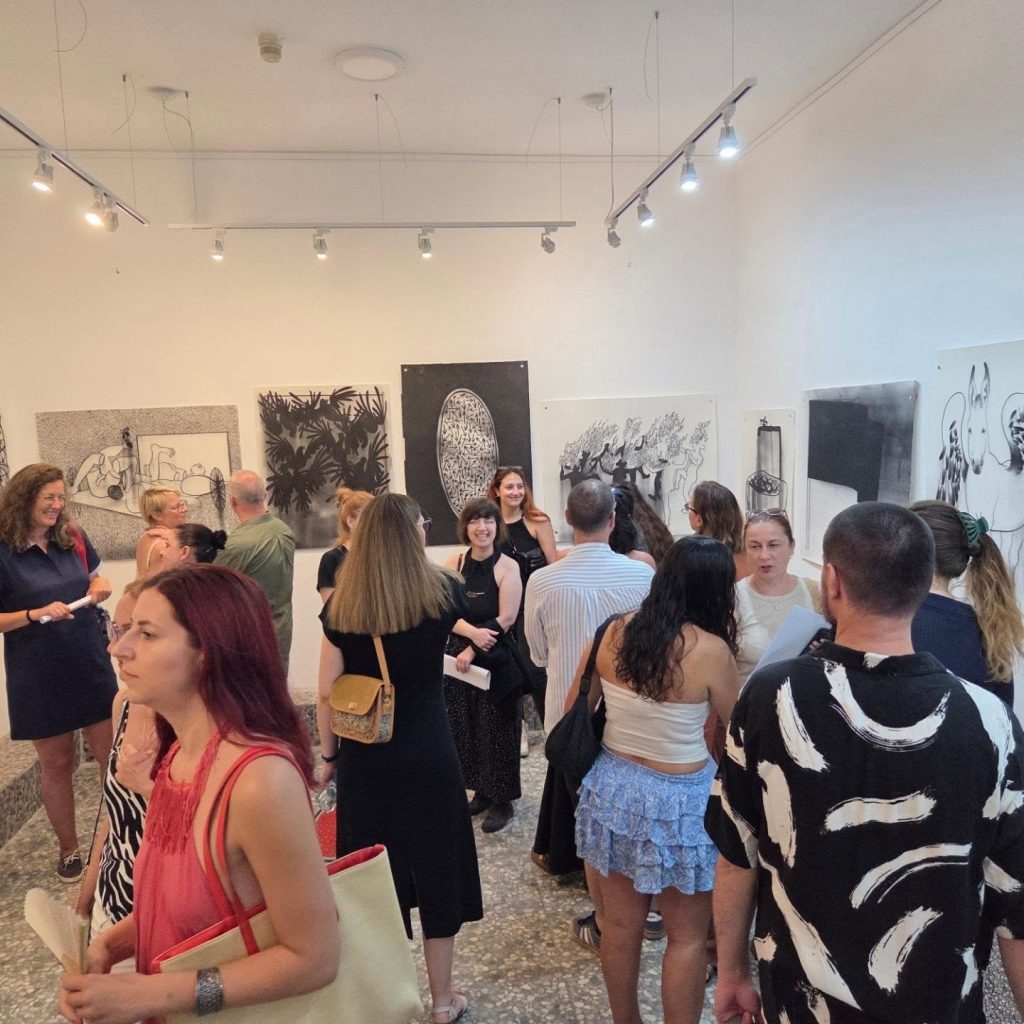
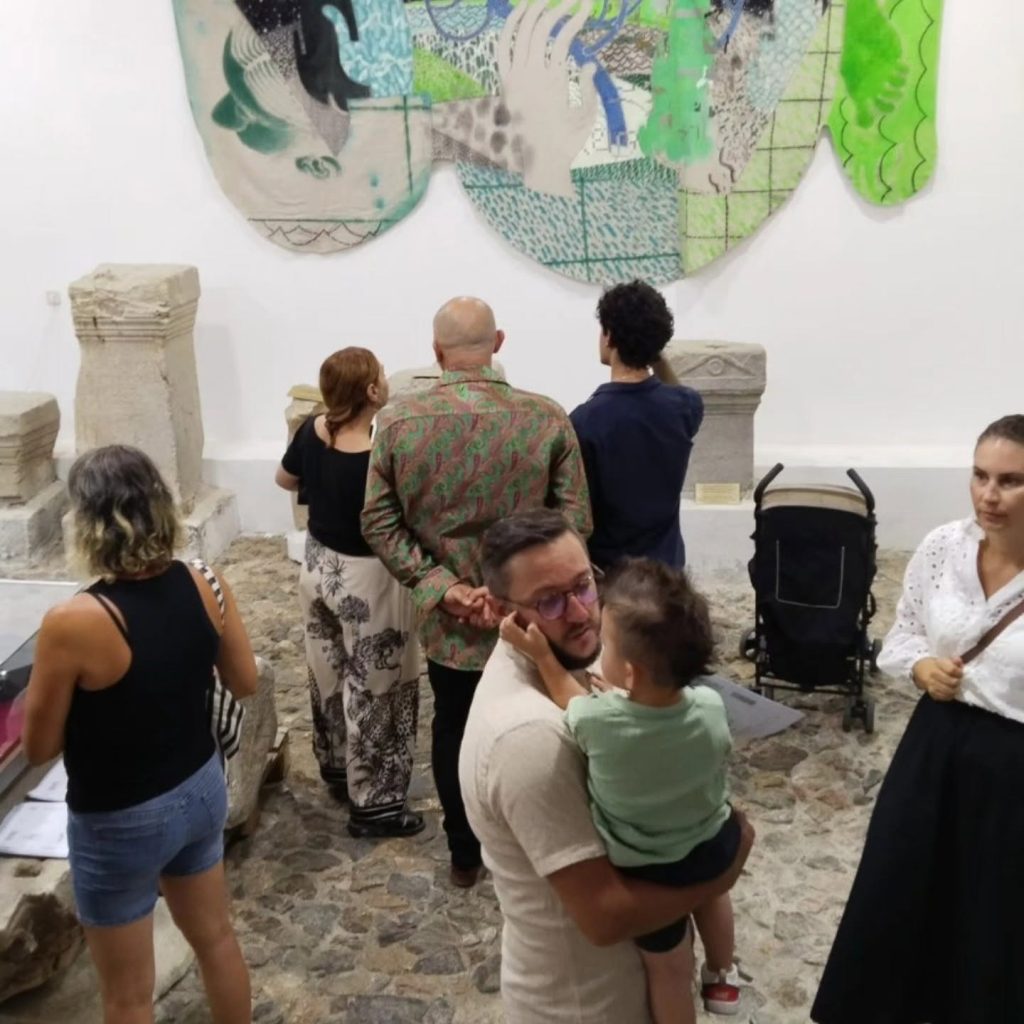
The solo exhibition “Diagrams of Embodiment” by the multidisciplinary artist Ivancho Talevski.

This is the author’s first solo exhibition in Ohrid.
Robevci House, Ohrid, NI Institute and Museum – Ohrid

Starting in 2015, during his frequent trips between Bitola and Philadelphia, Talevski has been recording time and space through his drawings, reacting to different experiences, social processes, events and locations.

The drawings arise from everyday walks through the two cities and create a kind of interspace in which different geographies, languages, memories and identities intersect. Through them, the author explores the relationships between the body and the ground, individual and collective memory, the past and possible futures.

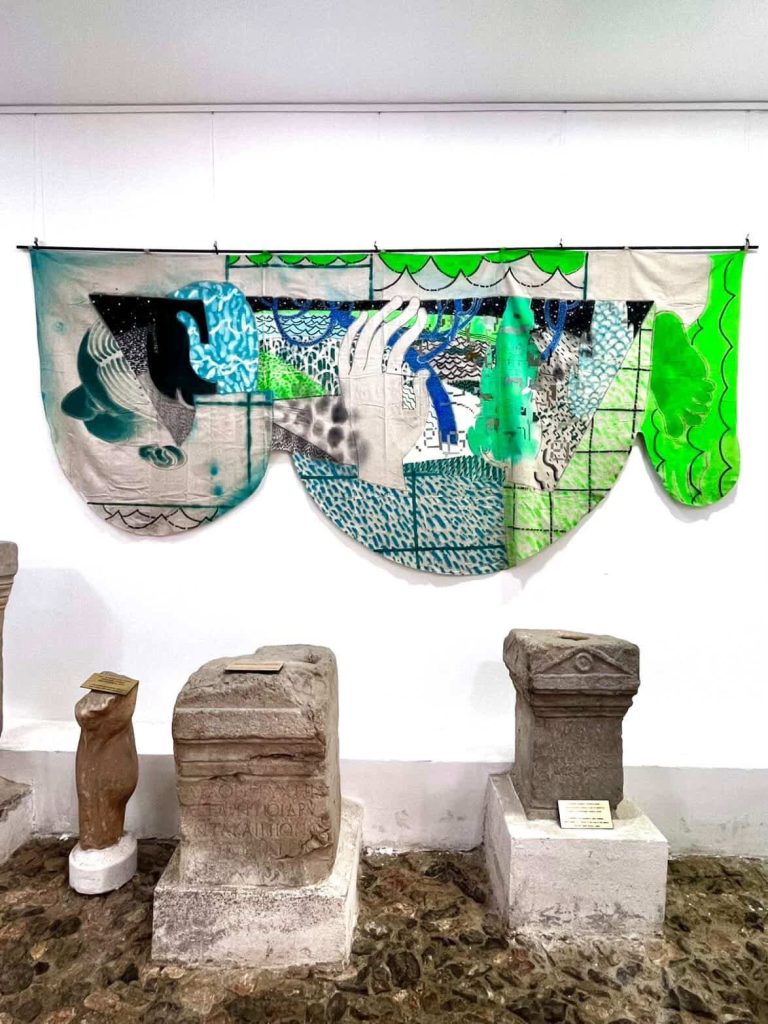
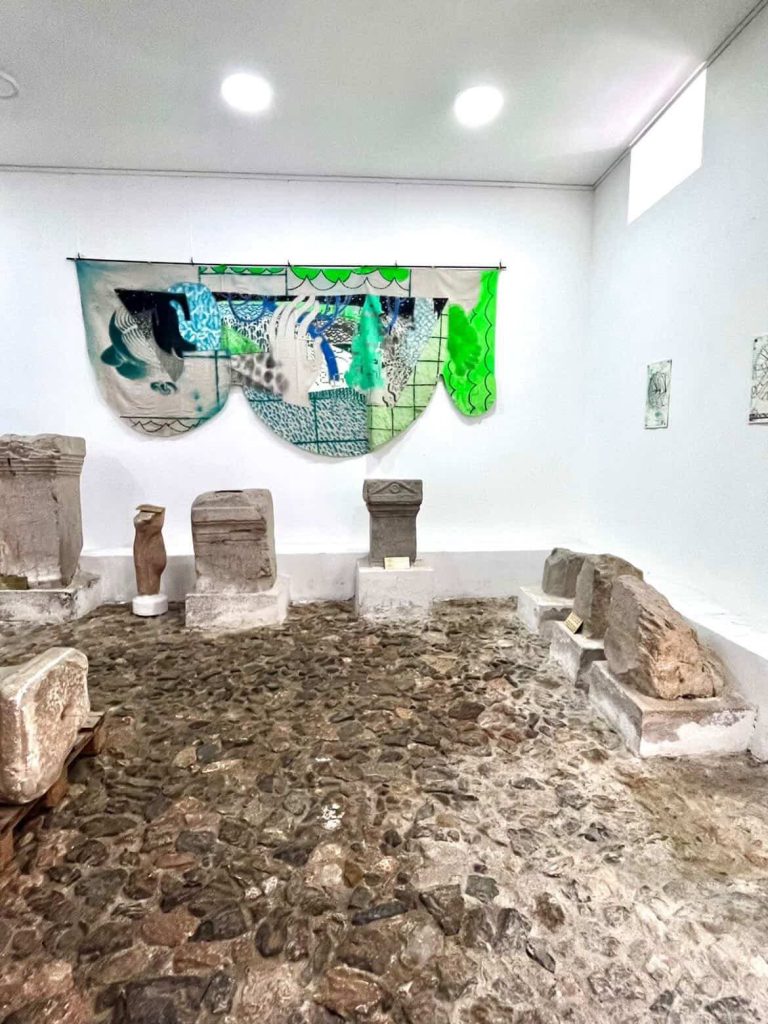
The exhibition project also includes the new work “Dremka mi se dreme”, created as an intersection between the language of the drawing and the author’s long-standing experimentation with pictorial expression.

Ivancho Talevski is a multidisciplinary artist and professor who lives and works between Bitola and Philadelphia, USA. His works and projects have been presented in numerous international museums, galleries, biennials and triennials in New York, Philadelphia, Los Angeles, Brussels, Seoul, Tokyo, Krakow, Taiwan, China and Skopje.

He has received several international awards, recognitions and grants, including support from the Pollock-Krasner Foundation, the Elizabeth Greenshields Foundation and the Sachs Foundation for Innovation in the Arts.

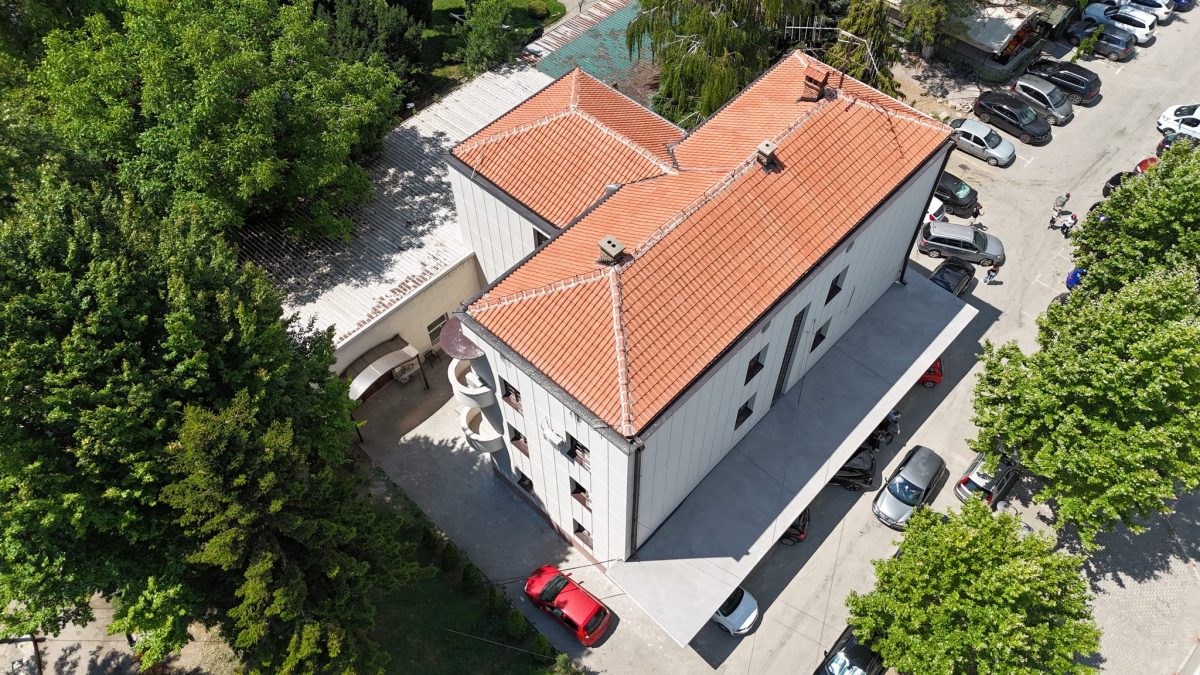
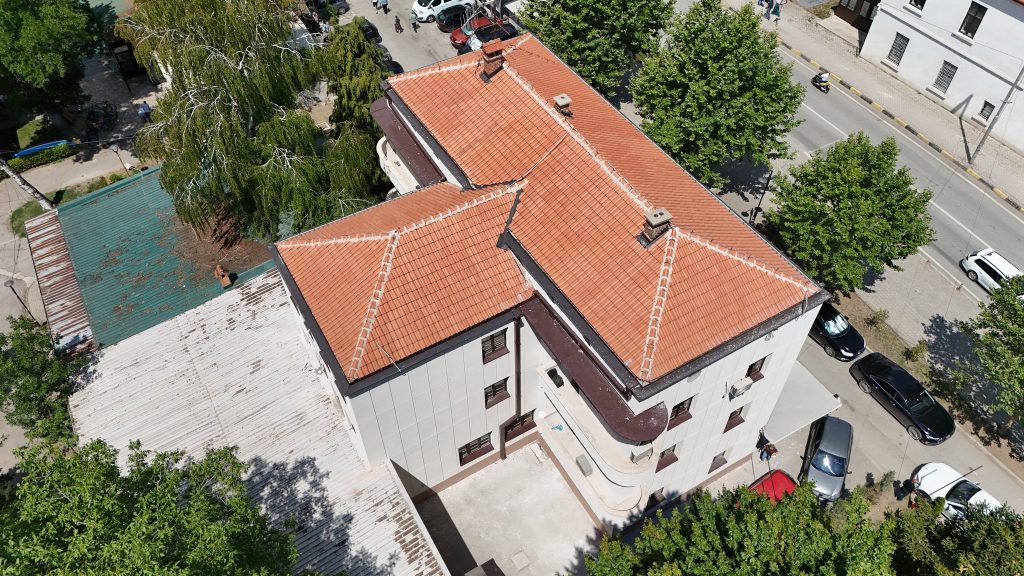
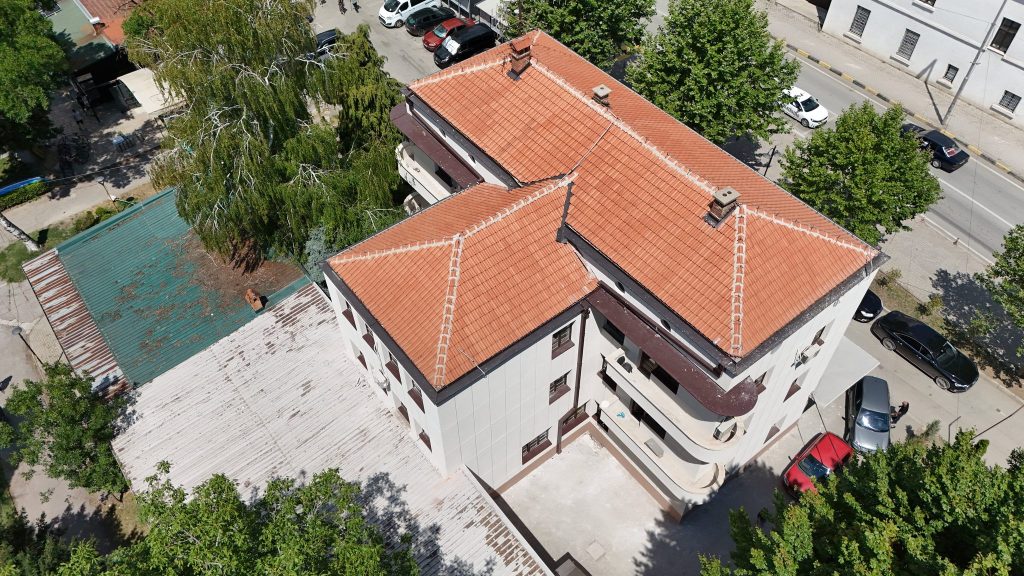
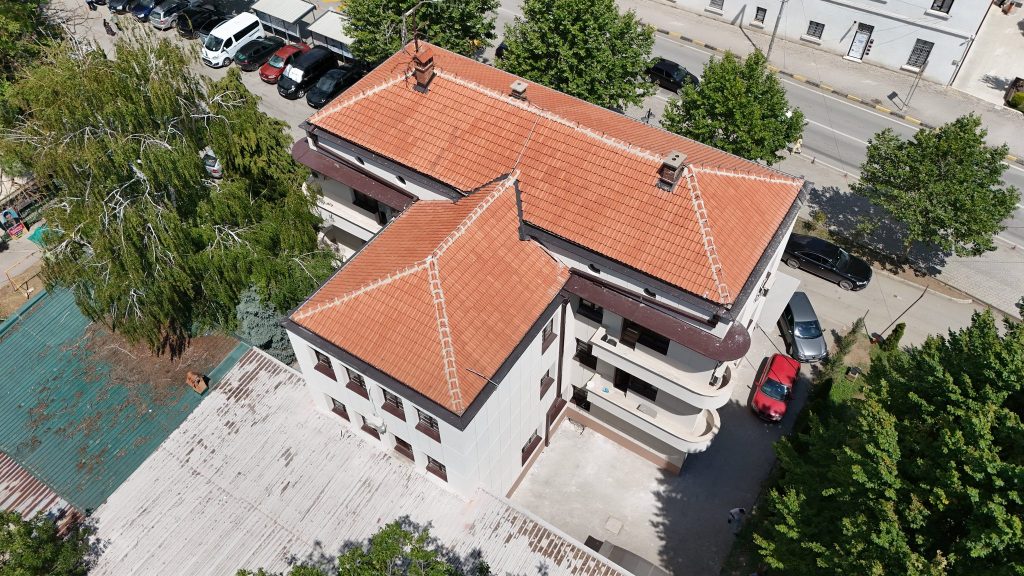
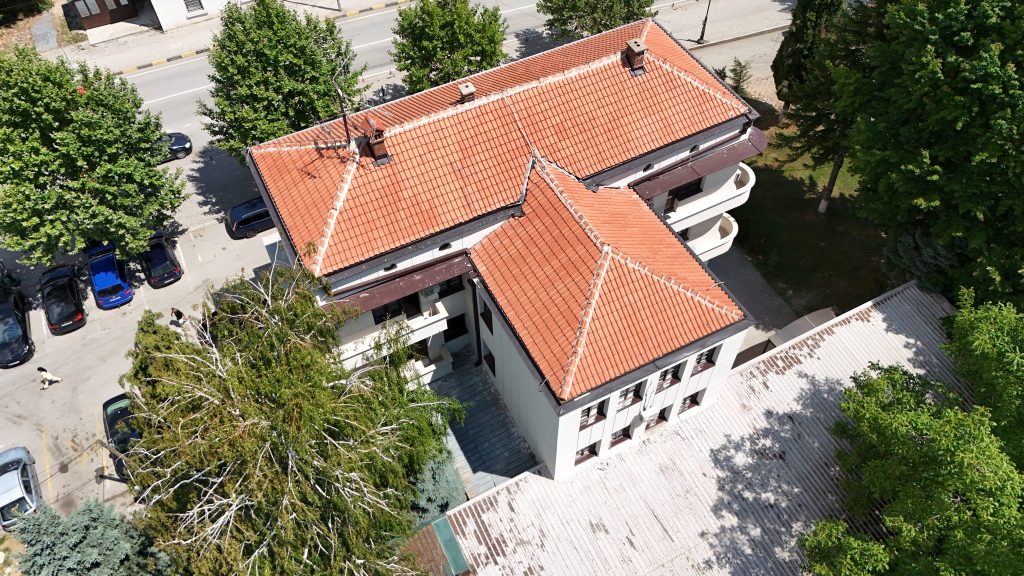
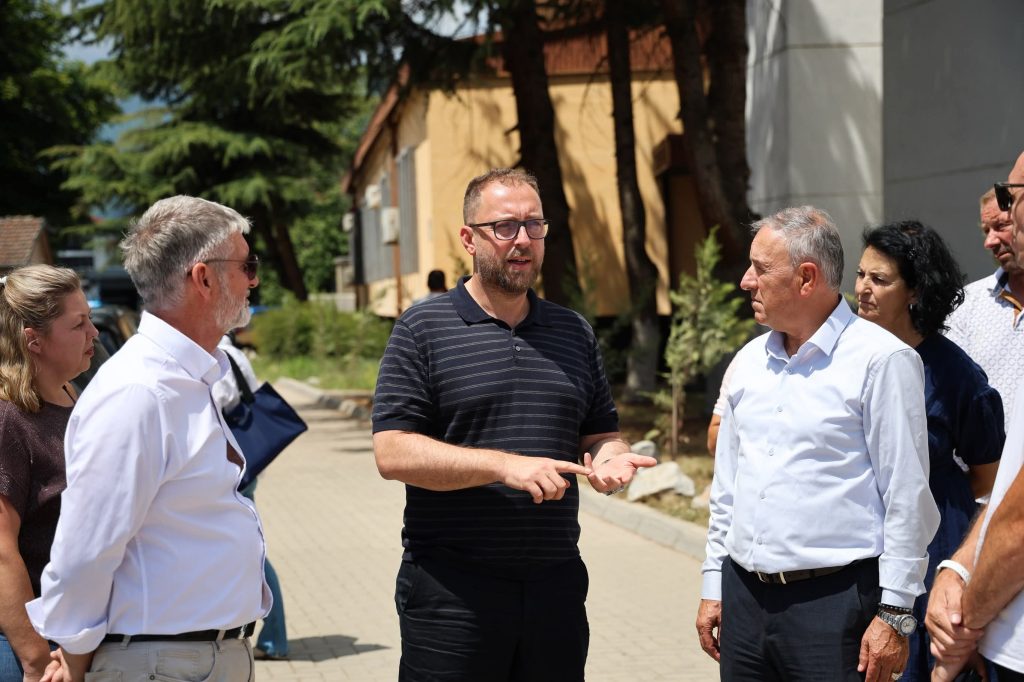
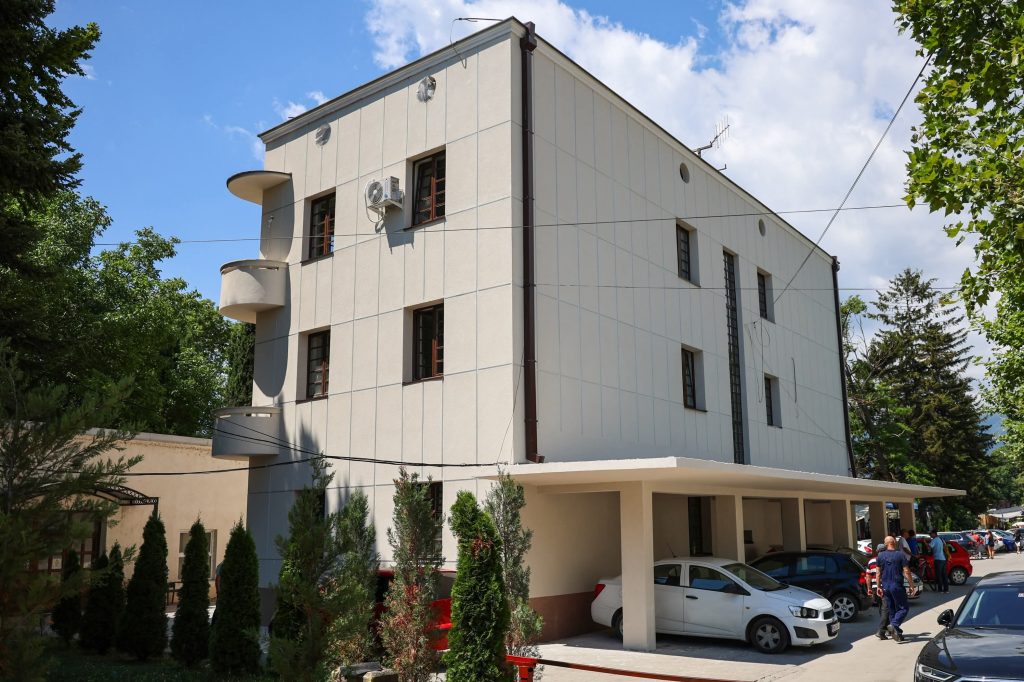
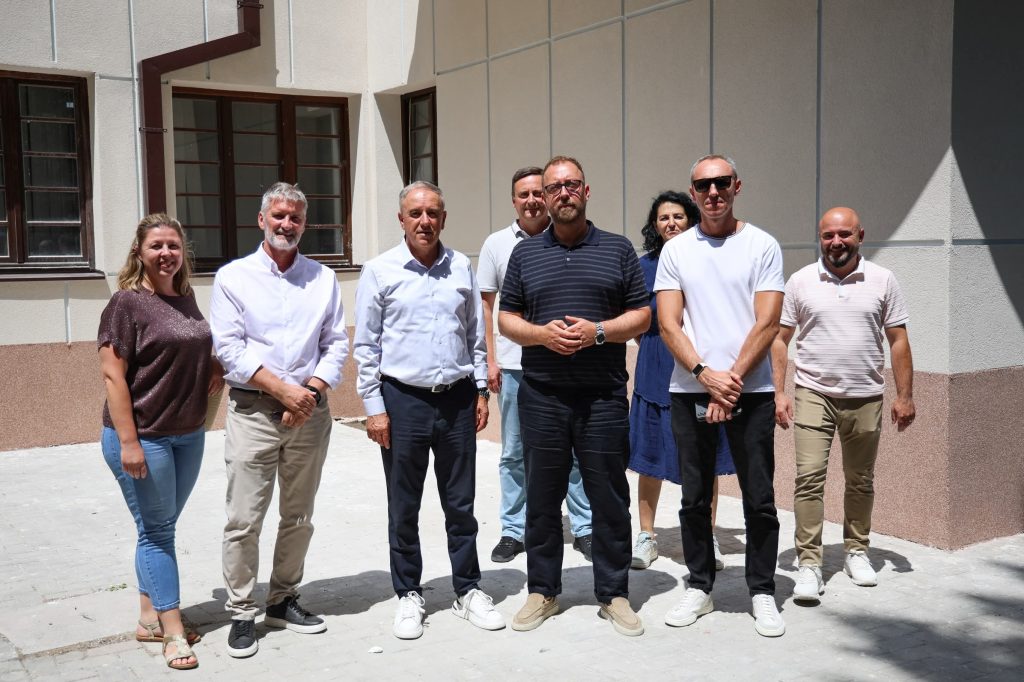
Conservation and Restoration Works on the “Ministry of Defence” Building — Struga

Conservation and Restoration Works on the “Ministry of Defence” Building — Struga
The building is a classic example of 20th-century urban architecture, constructed in 1934 for the needs of the Italian occupying forces, originally functioning as a customs terminal. After 1965, the building was taken over by the municipality, housing the municipal president, civil defence, and other municipal departments. It is currently used by the Ministry of Defence — RE Struga, the Civil Protection Centre, the Municipality, and other sectors.
The National Institution Zavod and Museum — Ohrid prepared the Basic Project for the reconstruction of the facade and roof of this building, for which the Administration for the Protection of Cultural Heritage issued a conservation permit in 2022.
The works are being carried out in several phases:

2022/2023 — roof reconstruction and replacement of the roof covering
2024/2026 — carpentry works, replacement of exterior joinery, and construction of a new facade

All interventions are in accordance with the project programme and aim to preserve this individually protected cultural heritage site, declared by a Protection Decision with an appropriate protection regime.
The conservation and restoration works are in their final phase and will be fully completed upon the completion of conservation interventions on the entrance section.
For the realisation of the project, the Ministry of Culture and Tourism has approved a total of 9,114,000 MKD (from 2022 to date). Approximately 7,624,539 MKD has been spent so far, with total expenditure upon full completion expected to reach around 8,000,000 MKD.
Through these conservation and restoration activities, the further deterioration of yet another significant building is being prevented — a building that, with its characteristic location directly on the lakeshore at the outlet of the Black Drim River from Lake Ohrid, enriches the ambient landscape of the city of Struga.

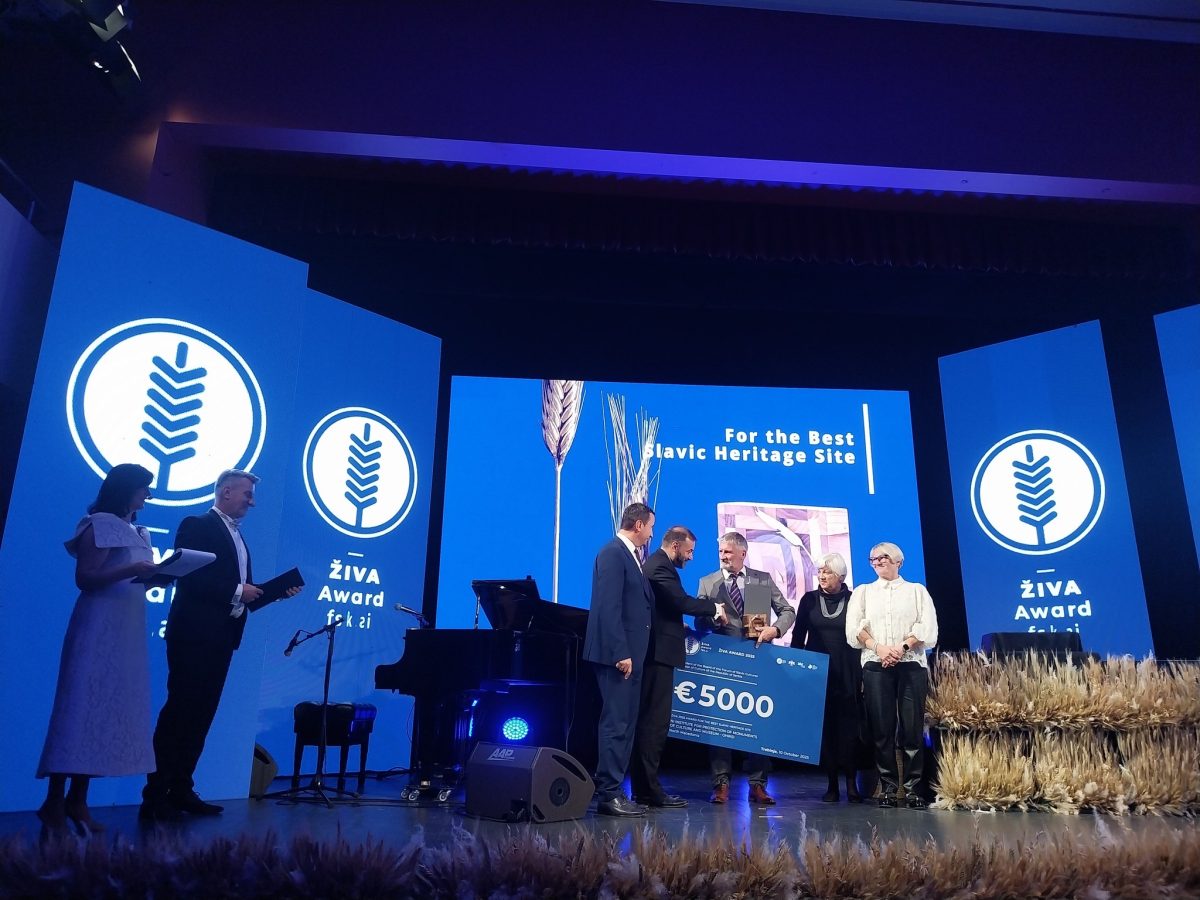
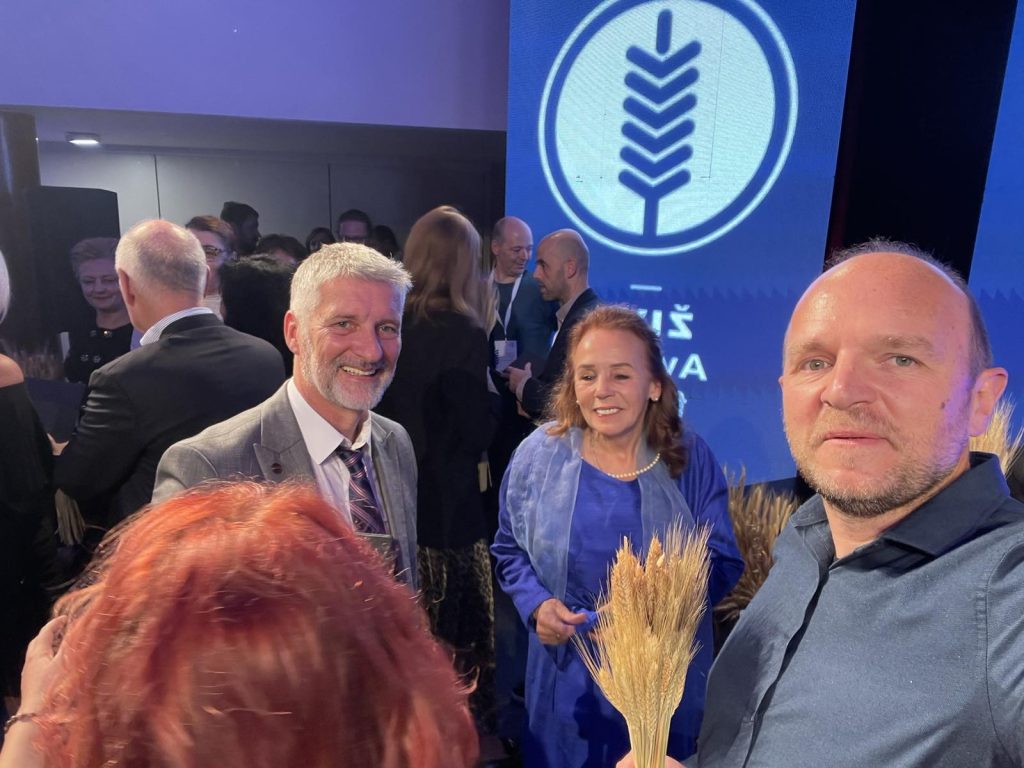
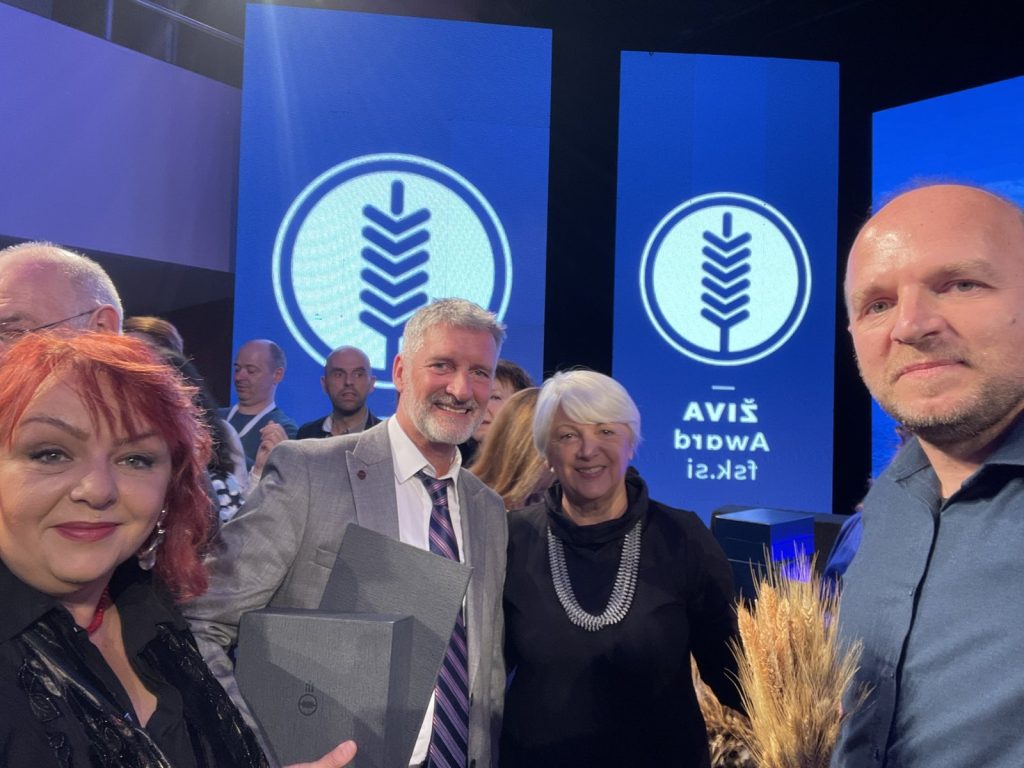
The Forum of Slavic Cultures announces the winners of the 2025 Živa Awards – this year inTrebinje, Bosnia and Herzegovina

Between 8 and 11 October 2025, the Forum of Slavic Cultures (FSK) celebrated the 11th edition of the Živa Award with an international conference and the announcement of the winners in Trebinje, Bosnia and Herzegovina.
The Živa Award for the Best Slavic Museum, named after the Slavic goddess Živa who symbolises life, vitality and fertility, was established in 2014 by the FSK International Foundation. It was the initiative of FSK’s director, Dr Andreja Rihter, who is also the leader of the Živa Award project. Since then, the Živa Awards for the Best Slavic Museum and the Best Slavic Heritage Site (introduced in 2018) have become a unique transnational cultural platform dedicated to promoting the protection, preservation, education, communication and social role of Slavic museums and heritage sites. Today, the network has grown into a significant Slavic community comprising almost 250 museums and heritage sites across 13 Slavic countries.
The 2025 Živa Award event in Trebinje was held under the auspices of Nikola Selaković, Minister of Culture of the Republic of Serbia and President of the FSK Board, who contributed a special monetary prize for the Best Slavic Heritage Site winner.
The Živa Award and conference were hosted by the Municipality of Trebinje, represented by Mayor Mirko Ćurić, who provided substantial support alongside the director of the Museum of Herzegovina in Trebinje, Ivana Grujić, and several other organisers, including Sarita Vujković, director of the renowned Museum of Contemporary Art in Banja Luka and a member of the Živa Award Jury.
The fact that over 140 participants from 10 Slavic countries and 3 others took part in this event points to the vitality of the heritage community as well as the Živa Award’s growing reputation in Europe and beyond.
A special highlight of this year’s Živa edition was the introduction of the new Živa Award for Best in Preserving Slavic Heritage Worldwide. This new award broadens the Živa Award’s mission beyond the borders of the Slavic countries represented by the FSK. It recognises initiatives that preserve Slavic cultural heritage and identity worldwide. Even in its first year, four museums from Italy, Hungary, and the USA competed for this new award.
Other highlights included this year’s conference, Echoes of Heritage and the Future of Museums, which featured keynote lectures from distinguished experts Alessio Mazzolotti (Italy), Sandro Debono (Malta) and Roberto Zancan (Italy/Switzerland), as well as presentations by the 32 nominated museums. These presentations showcased the vital roles these museums play in bringing cultural heritage to life. They have become living, inclusive spaces of memory, dialogue and creativity. They are advocates of remembering the past in order to shape the future, time travellers who use technology, visual interpretation and storytelling to bring history to life, chroniclers who engage communities and record our present, and visionaries who embrace innovation and identify new trends to build a more resilient and responsible future. The museums have also demonstrated an awareness of the challenges and responsibilities ahead, including digital transformation, virtual exhibitions, 3D scanning, artificial intelligence, sustainability and environmental care.
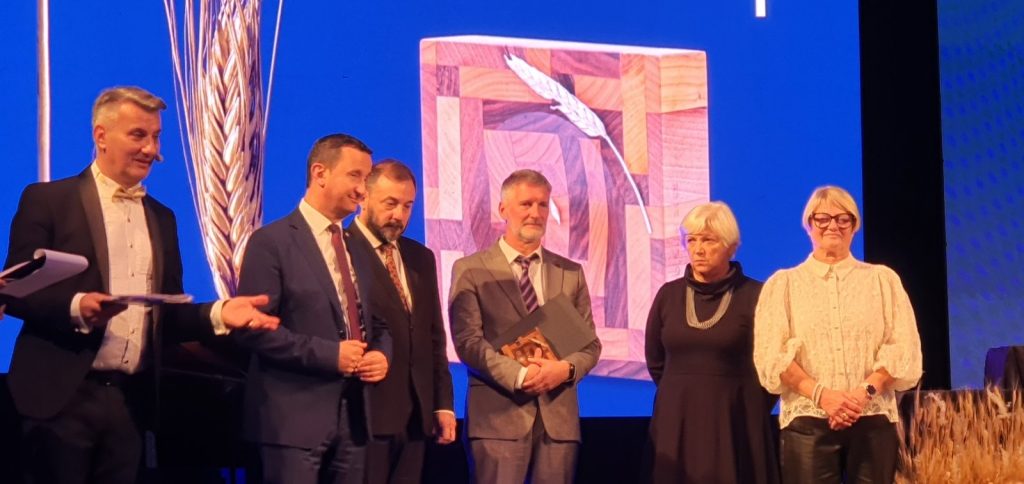
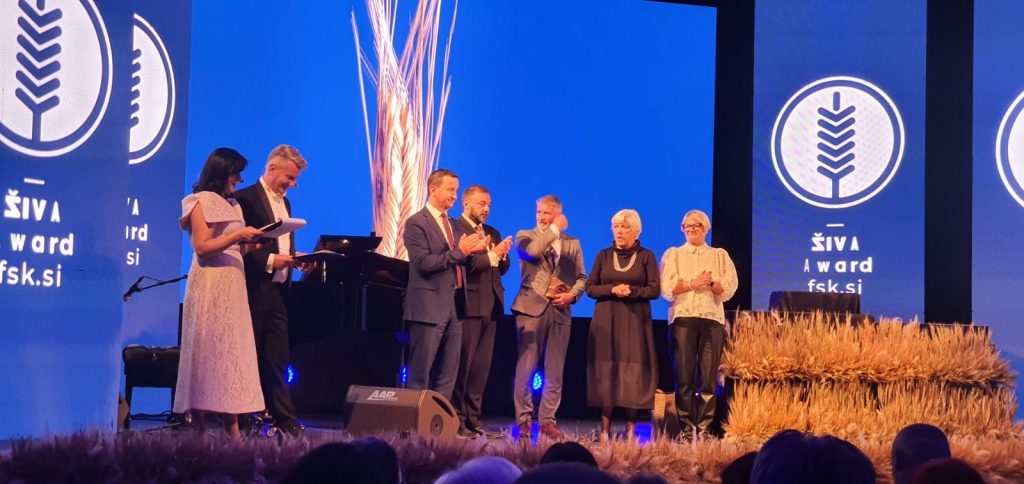
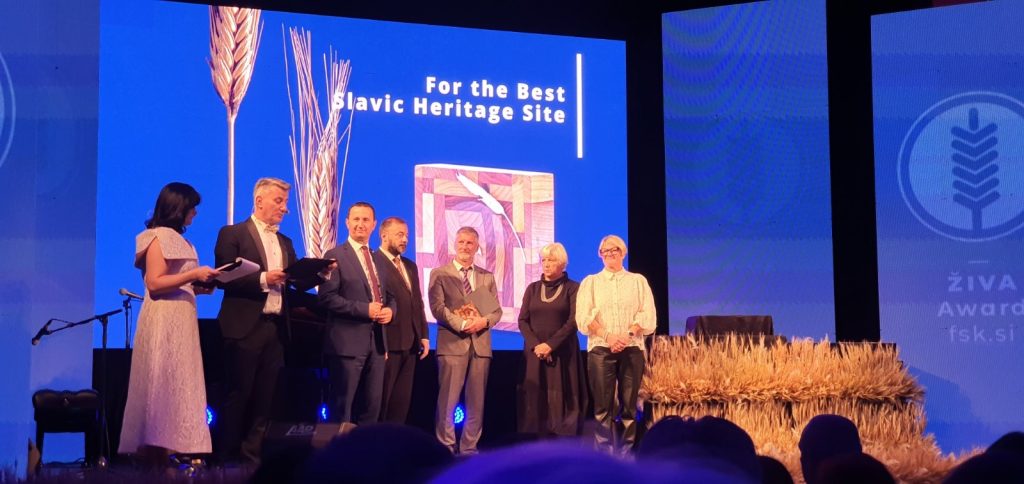
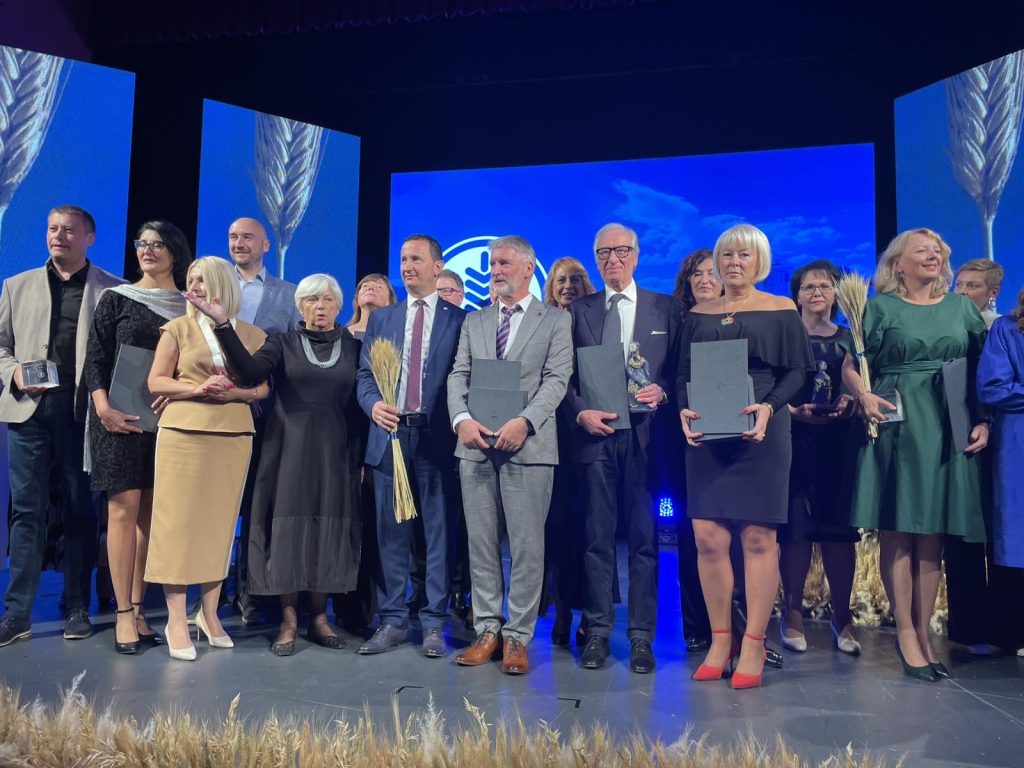
The 2025 Živa Award culminated on 10 October in Trebinje with an awards ceremony. This year, the Živa Award Jury – composed of 16 museum experts from various Slavic countries and the European Museum Academy (EMA) – honoured 13 museums from 11 countries with awards, recognitions and special diplomas.
The recipients of the Živa Awards 2025 are:
Živa Award 2025 for the Best Slavic Museum was granted to the Croatian Natural History Museum, Zagreb, Croatia
Živa Award 2025 for the Best Slavic Heritage Site was conferred on NI Institute for Protection of Monuments of Culture and Museum – Ohrid, Ohrid, North Macedonia.
Honourable Mention was granted to Lety u Písku. Memorial to the Holocaust of the Roma and Sinti in Bohemia, Písek, Czech Republic
Special Recognitions were awarded to:

Sybir Memorial Museum, Białystok, Poland: for Creativity
House of the Halubje Bell Ringers, Viškovo, Croatia: for Sustainability.
Regional Museum of Pljevlja, Pljevlja, Montenegro: for Leadership and Team Efficiency.
Armory Museum in Liw Castle, Liw, Poland: for Attention to Visitors and Openness.
Little Carpathian Museum in Pezinok, Pezinok, Slovakia: for Storytelling

Diplomas:
Special Diploma of Excellence was granted to:

Žitomislić Museum, Žitomislići, Bosnia and Herzegovina
Diploma for Preserving Cultural Heritage Worldwide was conferred on:

Kanizsai Dorottya Museum, Mohács, Hungary

Fisheries Museum of the Trieste Littoral, Santa Croce di Trieste, Italy

Museum of the People of the Resia Valley, Stolvizza, Italy

National Czech & Slovak Museum & Library Cedar Rapids, Iowa, USA

Forum of Slavic Cultures www.fsk.si
Contact:
Dr Andreja Rihter
Director
Forum of Slavic Cultures
Cesta 27. aprila 47, 1000 Ljubljana, Slovenia
M: + 386 41 798 221 E: andreja.rihter@fsk.si

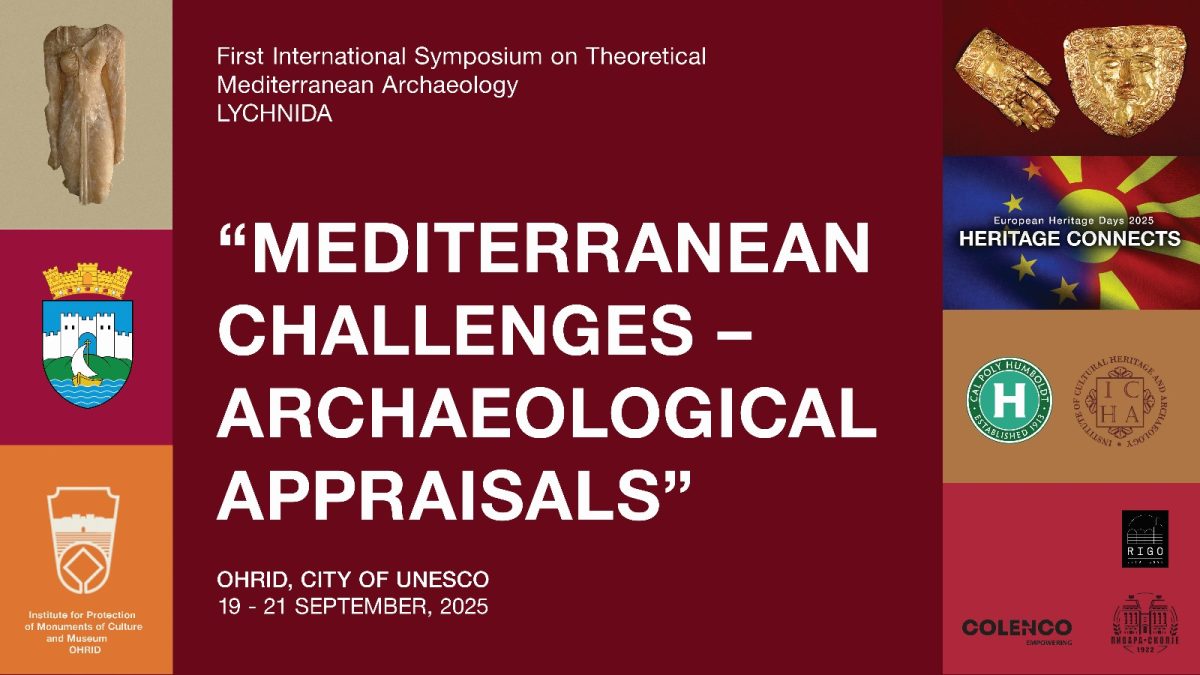
International Symposium on Mediterranean and Theoretical Archaeology – LYHNIDA

On the occasion of the European Heritage Days 2025, our Institution, in cooperation with Institute of Cultural Heritage and Archaeology and Humboldt University California is organizing the First International Symposium on Theoretical Mediterranean Archaeology – LYCHNIDA in Ohrid from September 19-21. International Director of the Symposium is Ambassador Prof. Dr. Ljuben Tevdovski from the Institute of History and Archaeology, Goce Delchev University – Shtip, President of the International Scientific Board is Academician Prof. Dr. Miguel John Versluys, from Laiden University and Vice-President Professor Dr. Emanuela Borgia from Sapienza University – Rome.

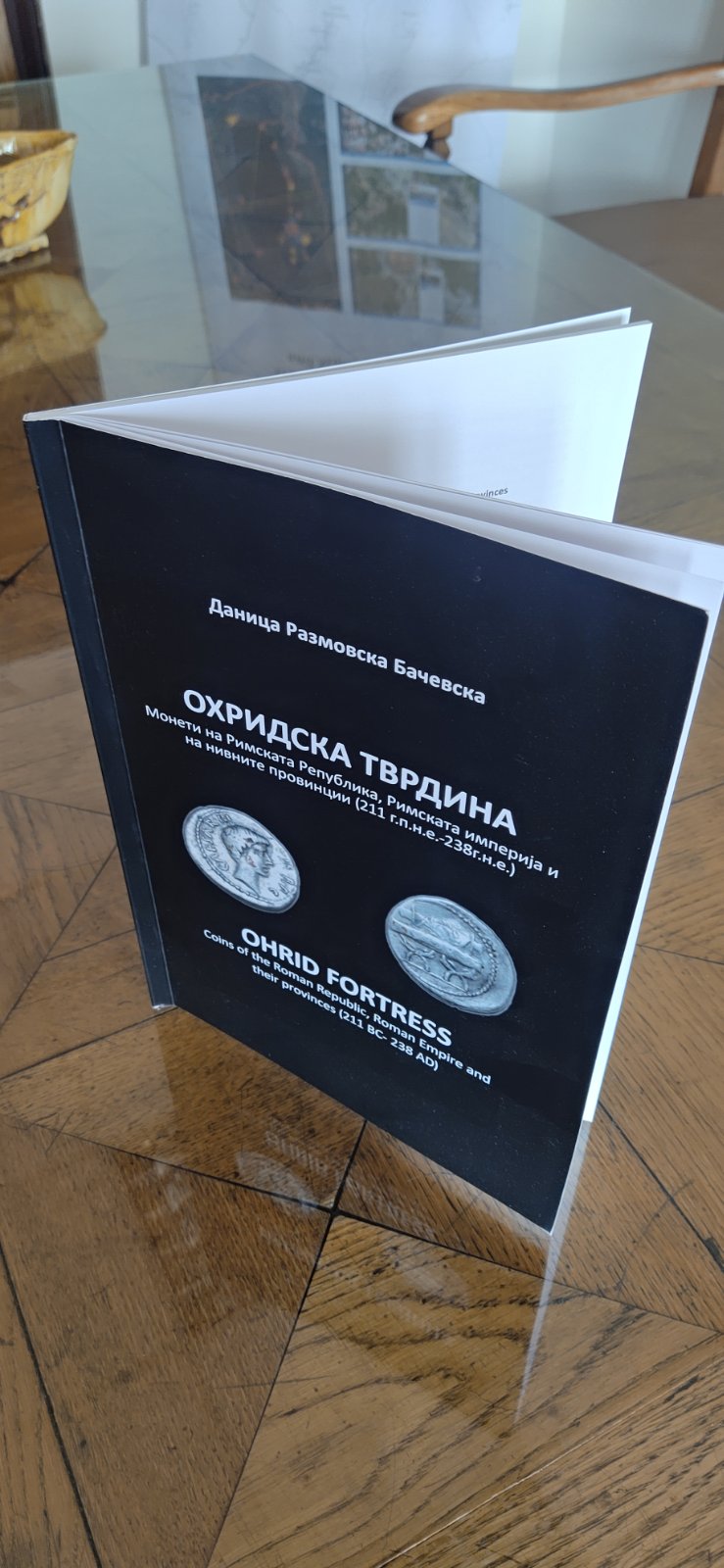
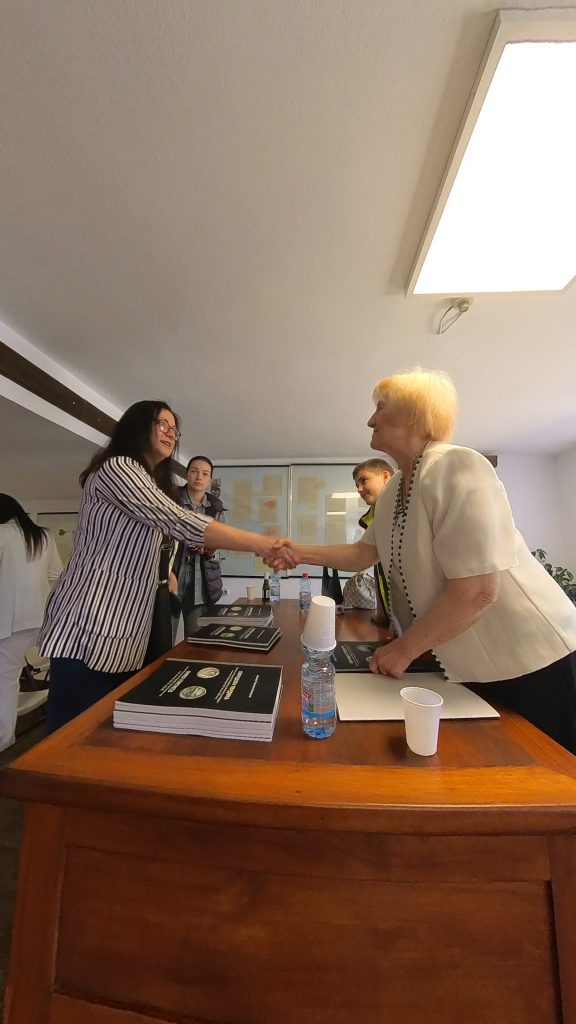
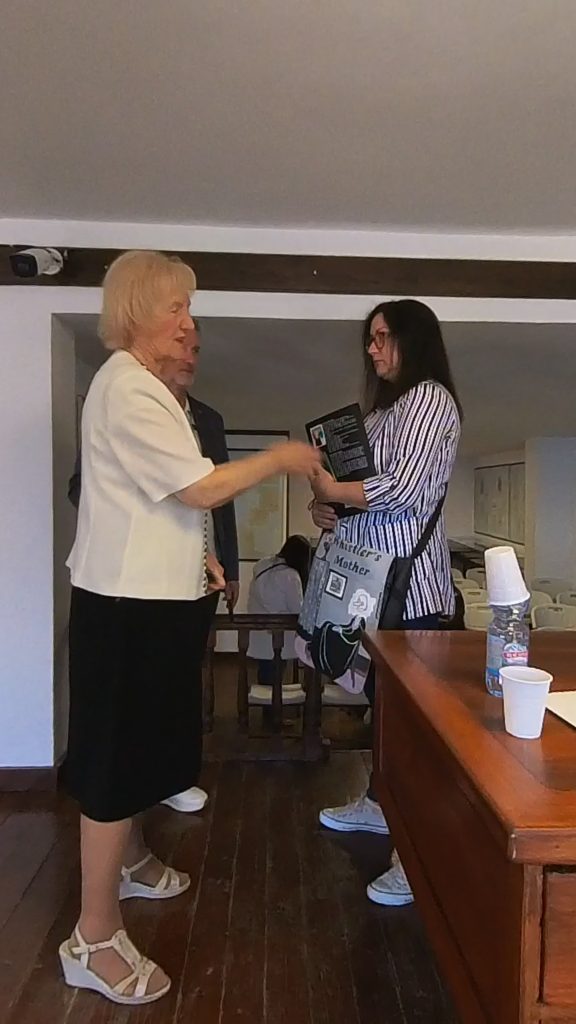
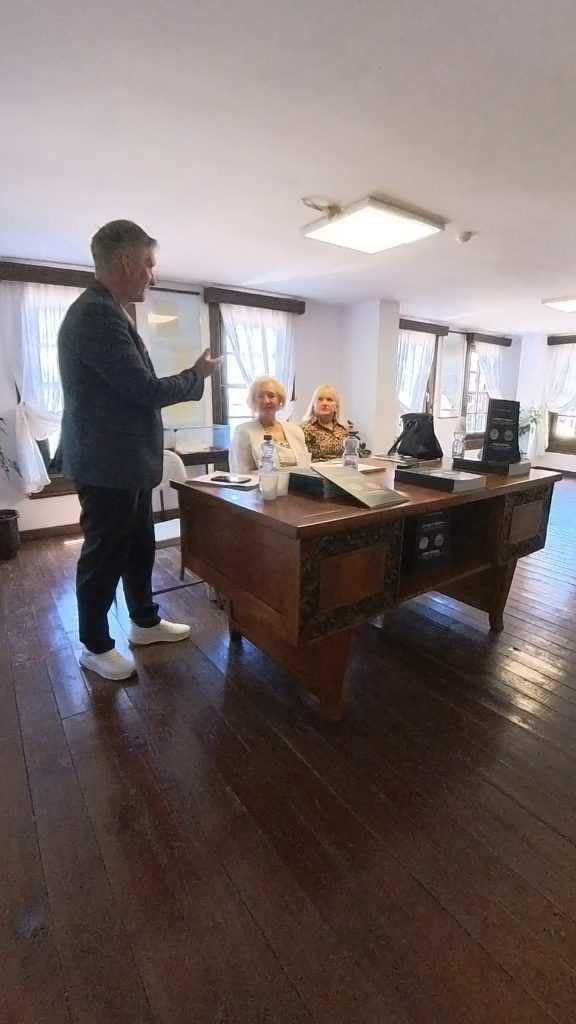
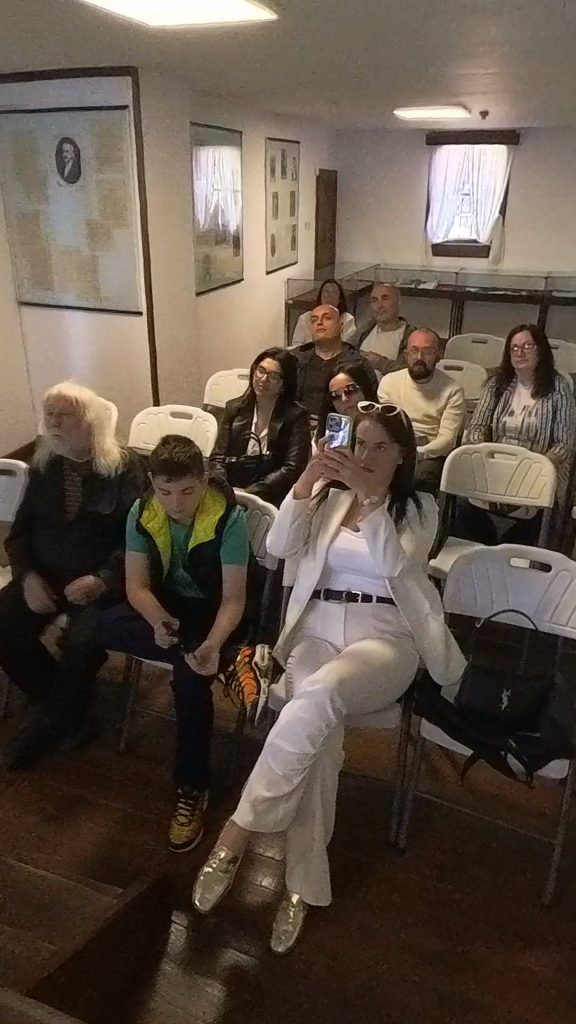
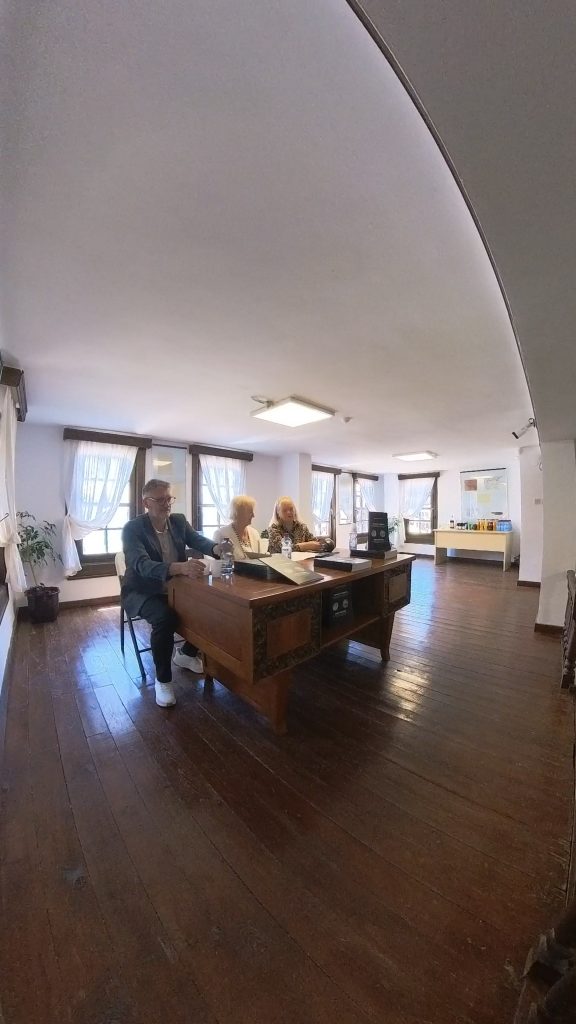
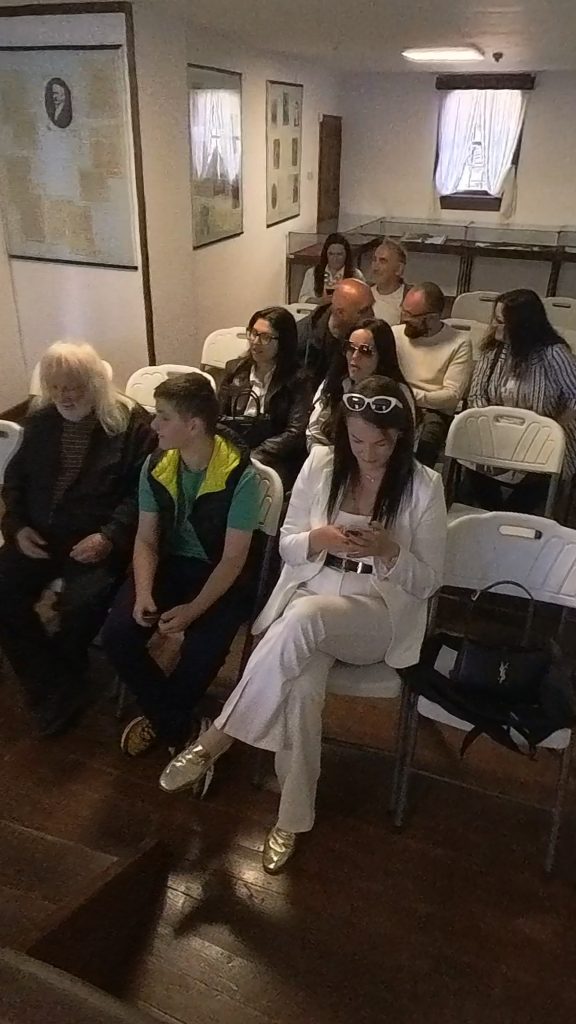
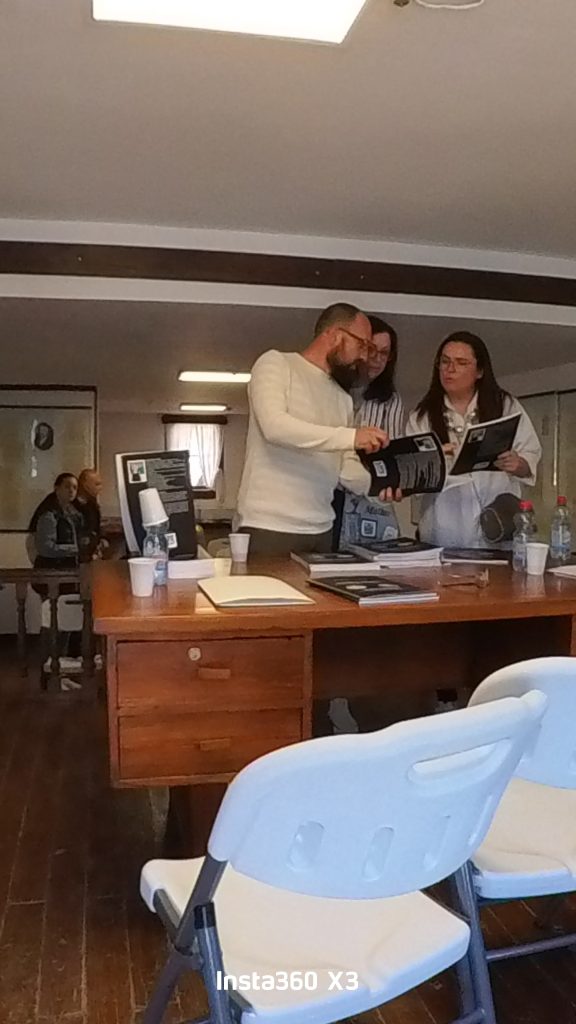
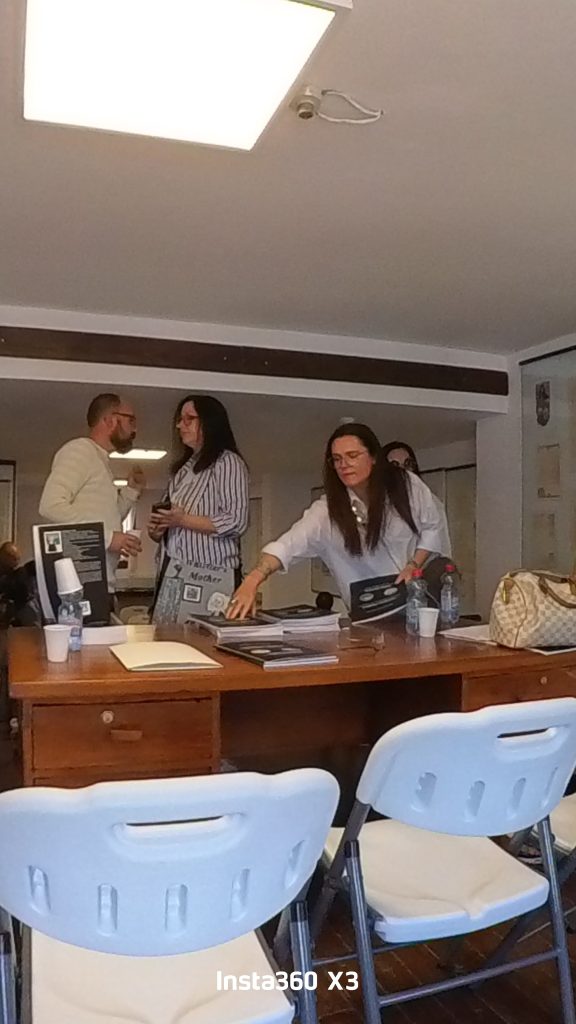
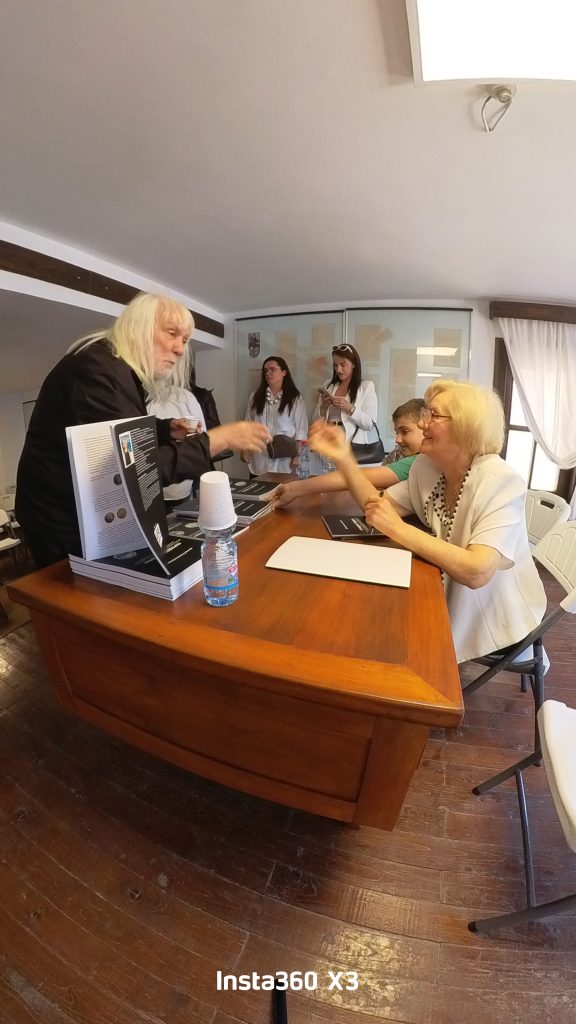
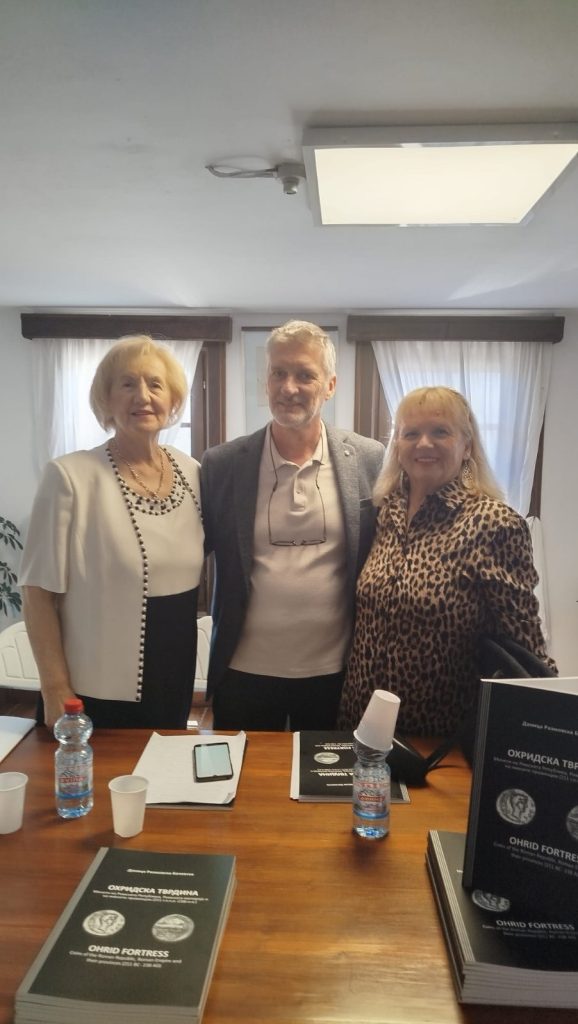
Book promotion: OHRID FORTRESS – Coins of the Roman Republic, the Roman Empire and their provinces (211 BC-238 AD)

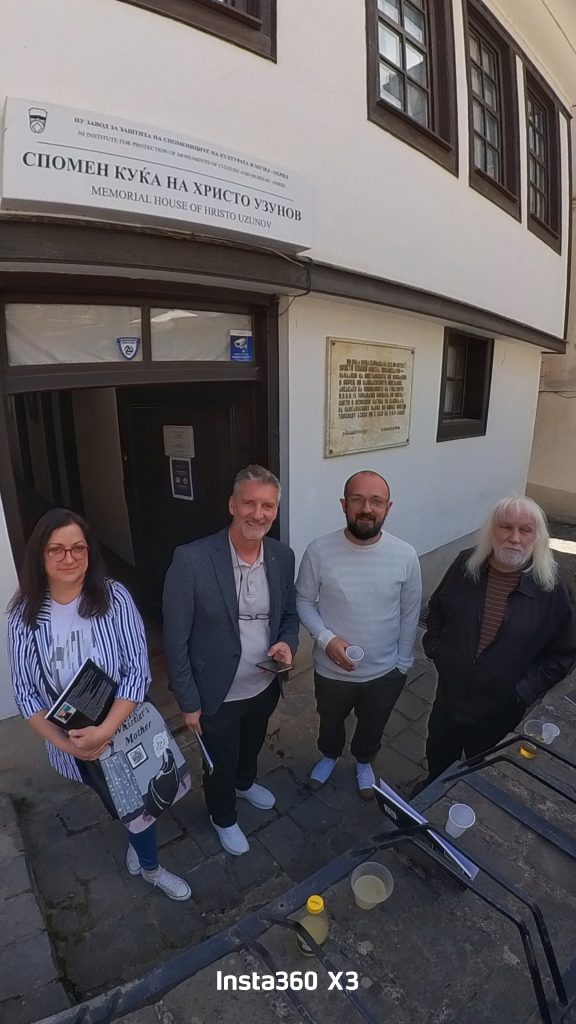
On the occasion of May 18, International Museum Day, the book was promoted OHRID FORTRESS – Coins of the Roman Republic, the Roman Empire and their provinces (211 BC-238 AD) By the author Danica Razmovska Bacevska.

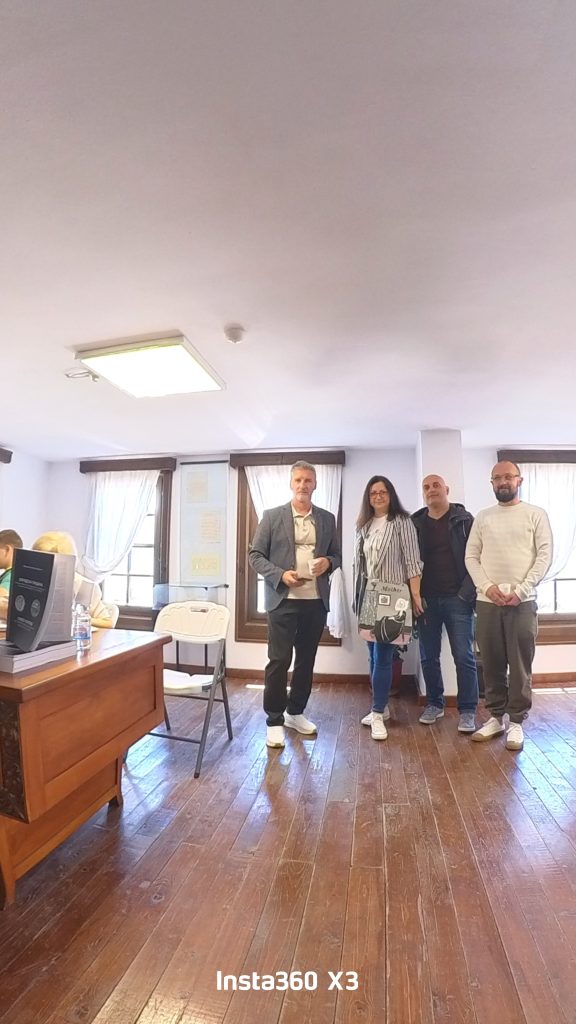
The promotion was held at the Hristo Uzunov Memorial House at 12:00, with the presence of colleagues, numismatics enthusiasts, and family members.

The host was the director, MA Goran Patchev, with a reference to the International Museum Day as a holiday of museums and a discussion about the universal idea of museums without borders as a topic of interest for this year’s celebration, i.e. the networking of museums that cooperate for the purpose of enriching and modernizing museum narratives and inclusiveness. In this sense, the cooperation in the museum networks of ICOM, the Balkan Museum Network (BMN) and the Network of European Fortified Cities (Forte Cultura) was mentioned.

The promoter, Jordanka Matova, spoke about the work and the author, and the author herself gave a detailed presentation of the content of the publication, which is undoubtedly of great importance for world numismatics.

The circulation of coins in the Ohrid Fortress from the 3rd century BC to the 3rd century AD confirms the fact of Lychnidos, as a regional center in the ancient period. The diversity and richness of the exhibited numismatic material from Lychnidos is a result of its geographical position and the mineral wealth in ancient Macedonia, which led to a strong monetary production that was the basis for the internal and external stock exchange in the trade of that time in these Ohrid Region.