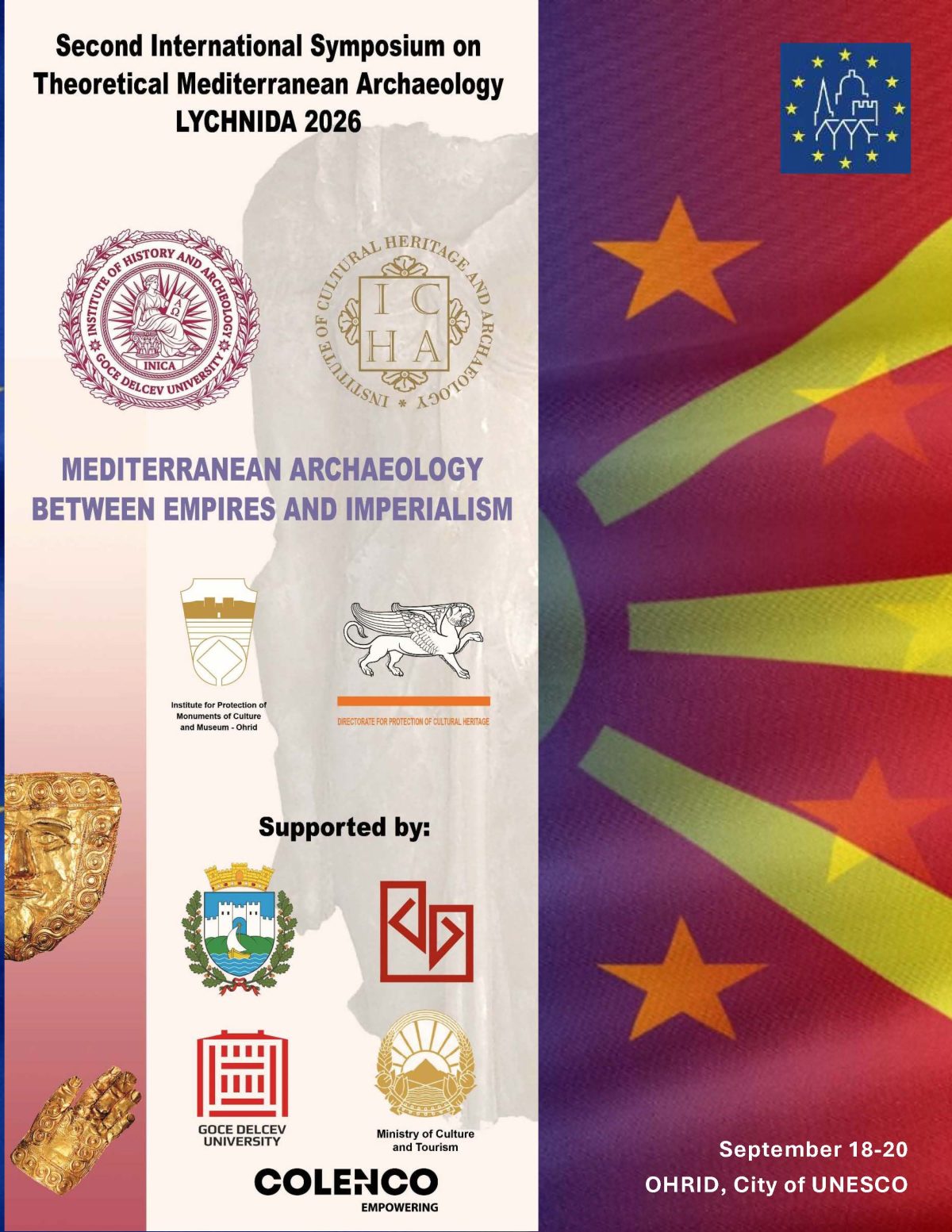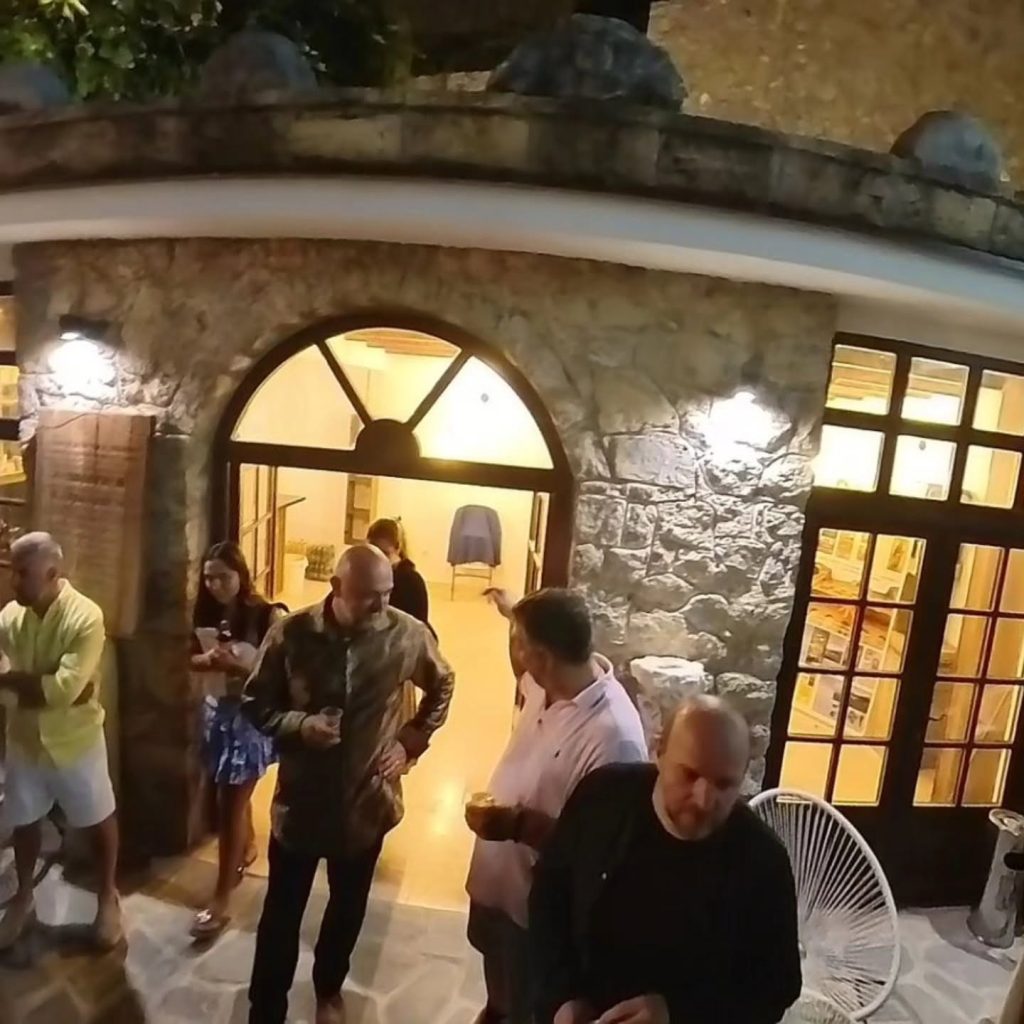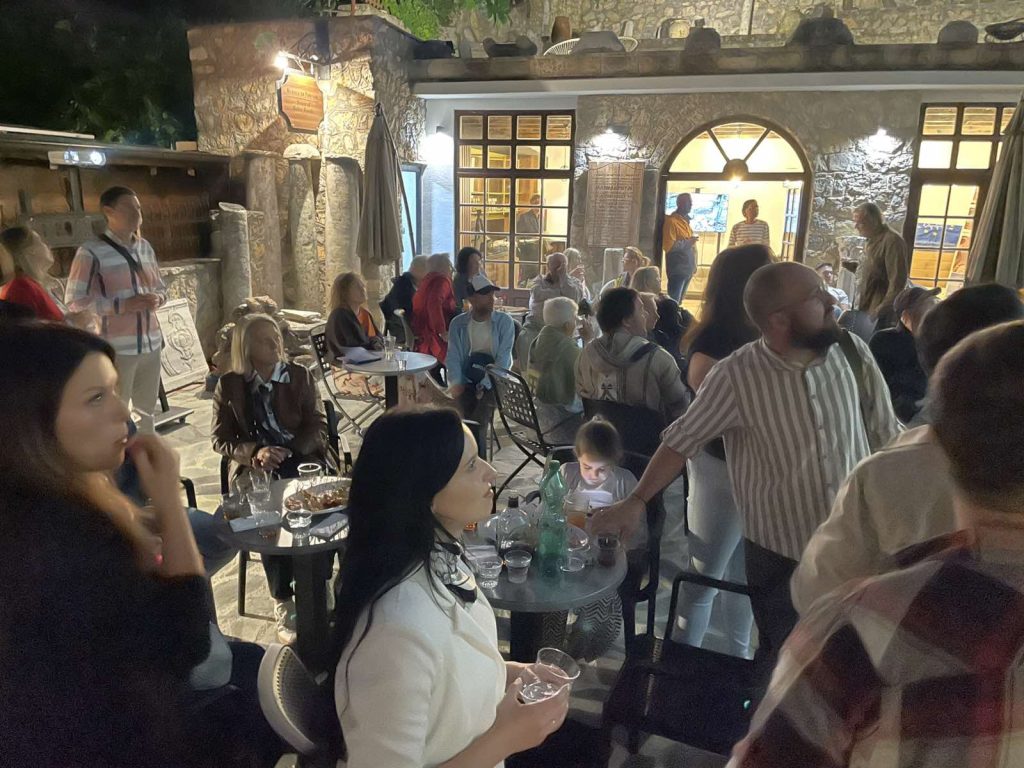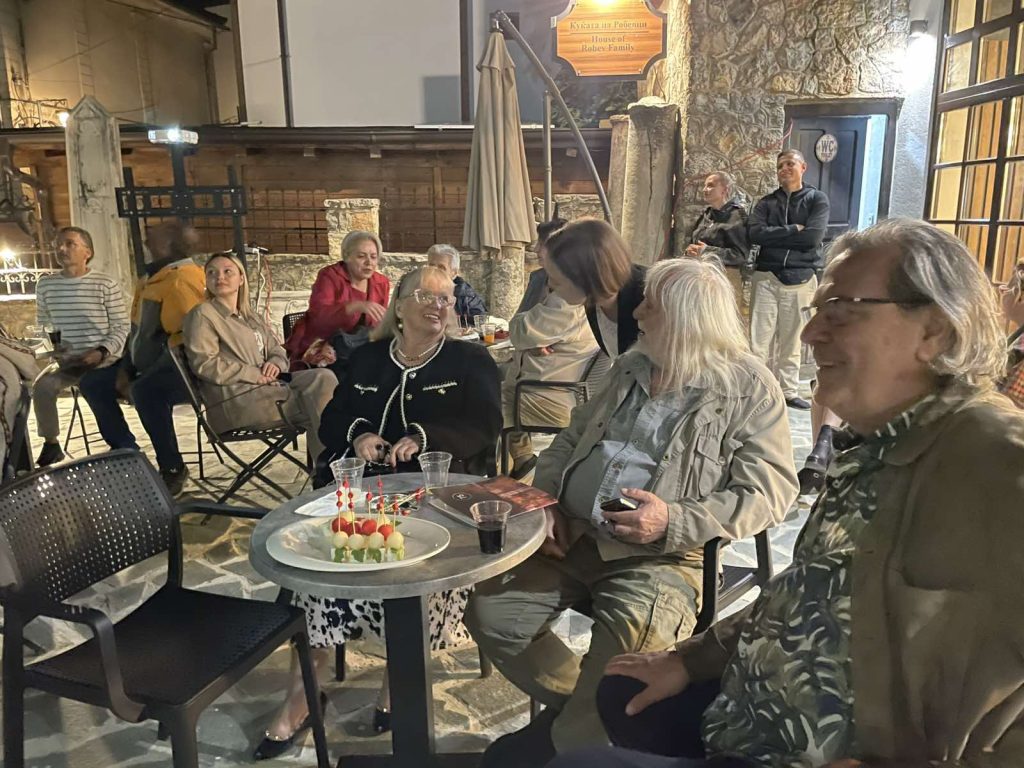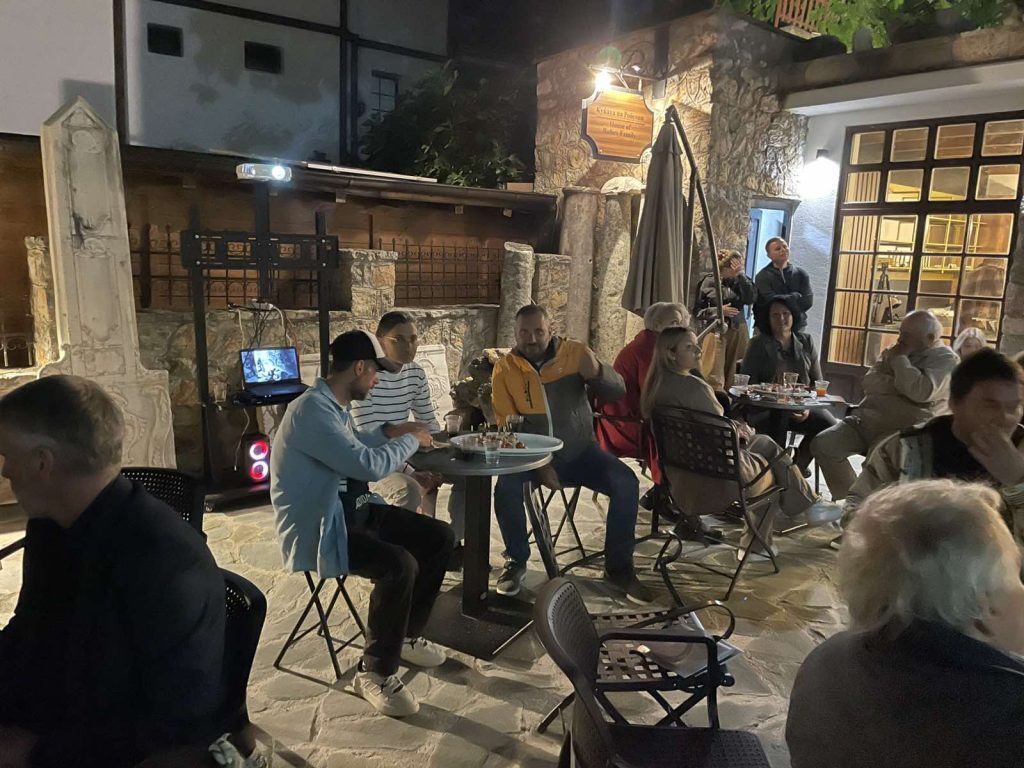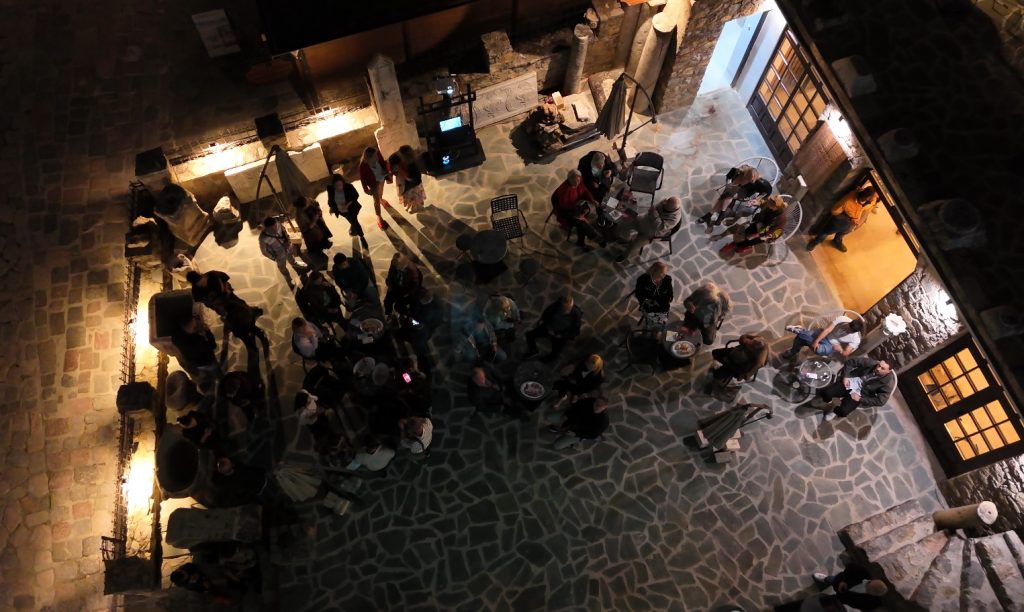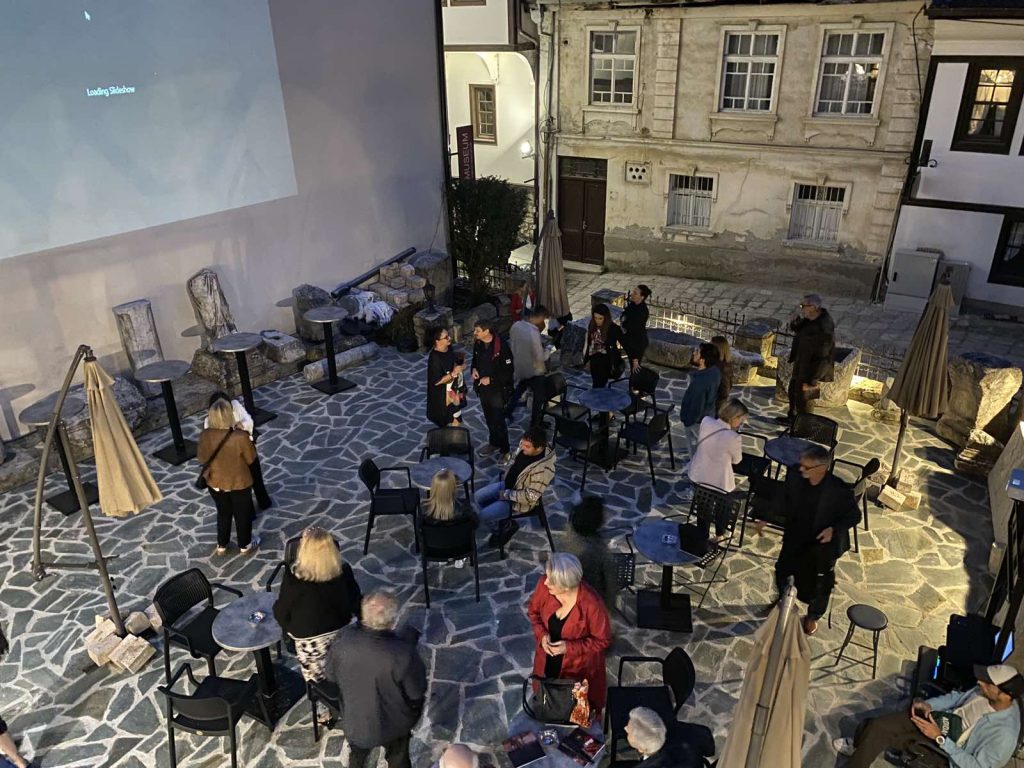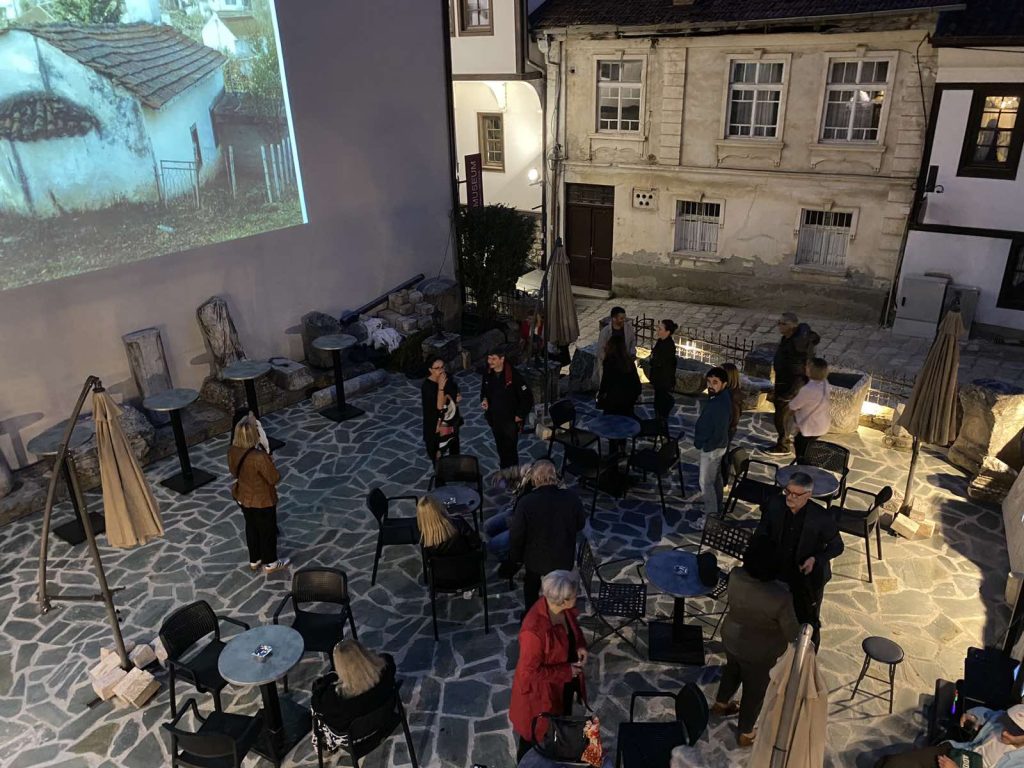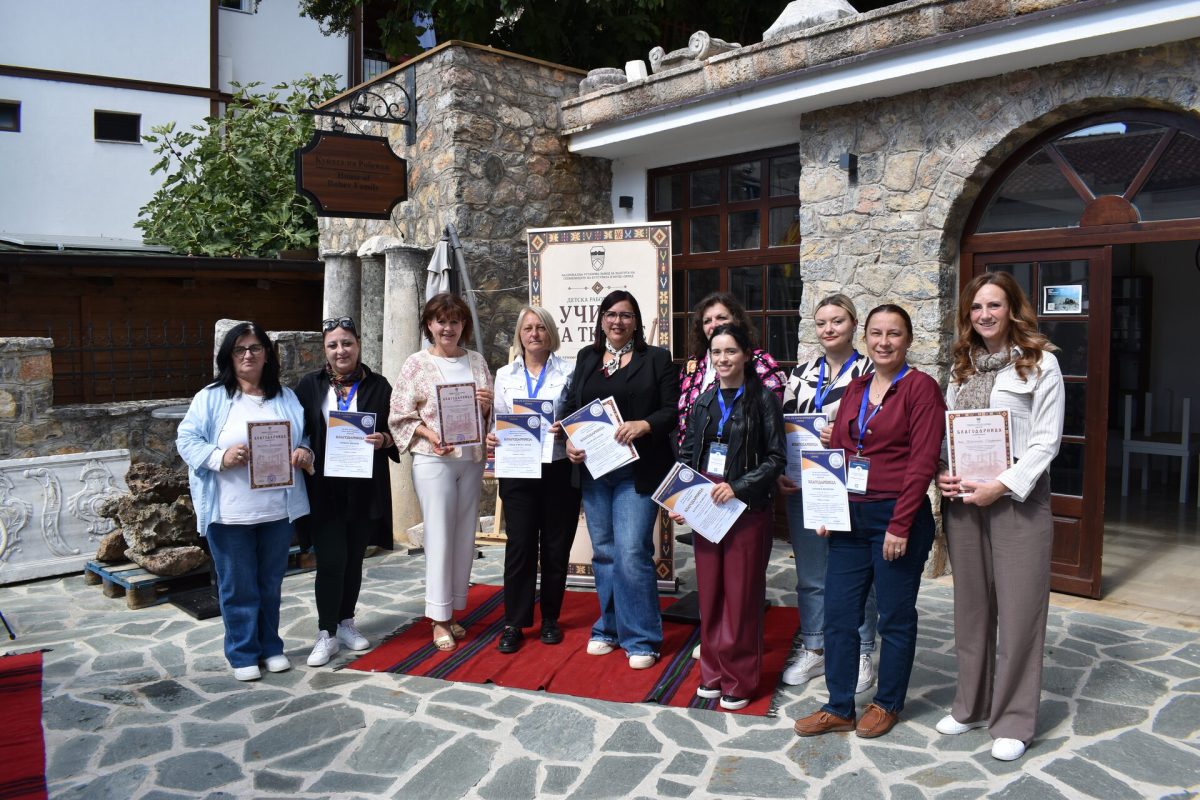
Second International Symposium on Theoretical Mediterranean Archaeology

Introduction

Mediterranean archaeology and imperialism are closely related. The ancient world itself was shaped by empires to a large degree, in particular from the period of around 500 BCE onwards. Our study of that Mediterranean world, moreover, was (and still is) formed by a variety of modern empires that located their beginnings in that Mediterranean past. The Roman Empire and its study probably constitute the most illustrative example hereof. As a result, often a ‘false sense of intimacy’ is created between the Mediterranean past and the imperial present. The Roman Empire, for instance, was often seen as good in the sense of being a mission civilicatrice (a colonial perspective) in the past, while it is nowadays, from a postcolonial perspective, not infrequently presented as a genocidal, imperialist slave society that annihilated local cultures.

The Aim of the THEMA Lychnida 2026

This meeting builds upon the successful inaugural event of the Symposium on Theoretical Mediterranean Archaeology – LYCHNIDA in 2025, which gathered over 60 theorists of archaeology and archaeological and museum professionals from 25 countries – from USA to Syria. The first symposium brought together fundamental analyses, engaging debates and methodological rigor in addressing contemporary Mediterranean and global challenges, reinvigorating archaeology as scientific discipline, fostering cultural understanding, and safeguarding humanity’s collective heritage.

The aim of this year’s meeting of the THEMA Lychnida is to critically analyze the notion of imperialism as a lens to understanding the Mediterranean past and heritage as well as our study of them in the present. Questions central to the debate include: Was their imperialism(s) the same as ours? Can or should we replace the concept of imperialism with notions like connectivity, network and globalization? To what extent is this ‘false sense of intimacy’ obstructing our scholarly interpretations? Should ideologically motivated views of the ancient empires (“good Romans” versus “bad Romans”) be allowed to play a role in the formulation of a research agenda for the field? How have different scholarly traditions from different countries dealt with this dilemma? How do you deal with the close relation between Mediterranean archaeology and imperialism in your own (academic and museum or heritage) work?

We look forward to welcoming scholars and students of archaeology and related fields to continue this important dialogue in Ohrid – the eternal “City of Light”.

President of the International Scientific Board

Vice President of the International Scientific Board

Vice President of the International Scientific Board and Director of THEMA Lychnida

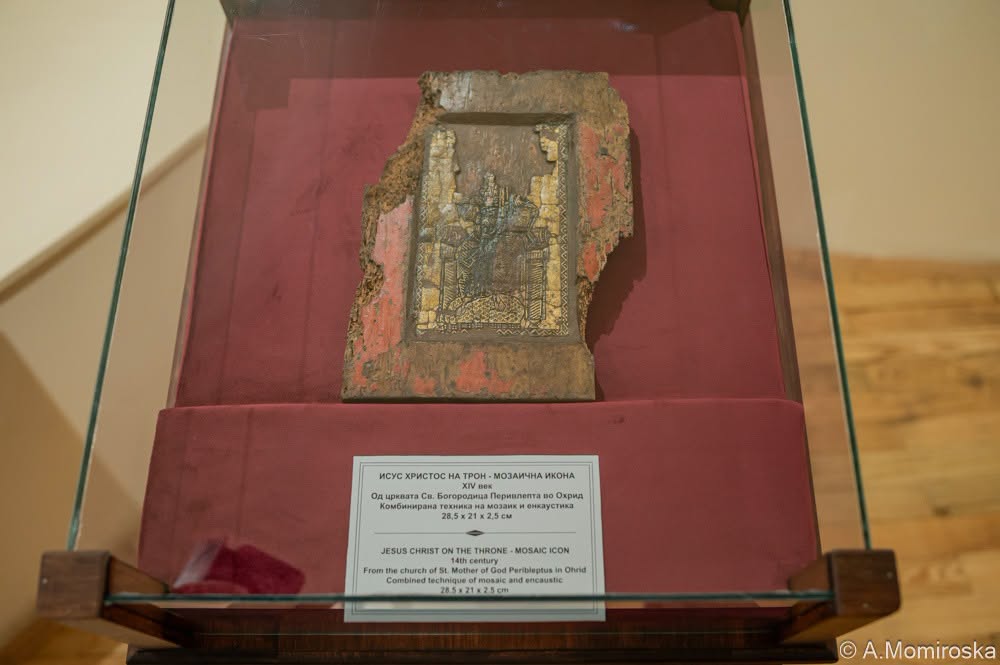
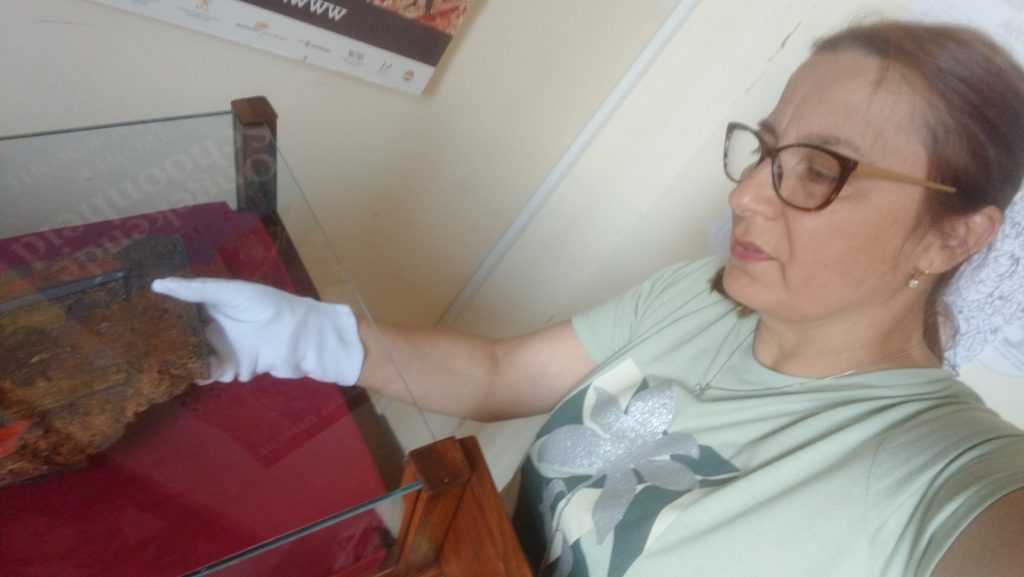
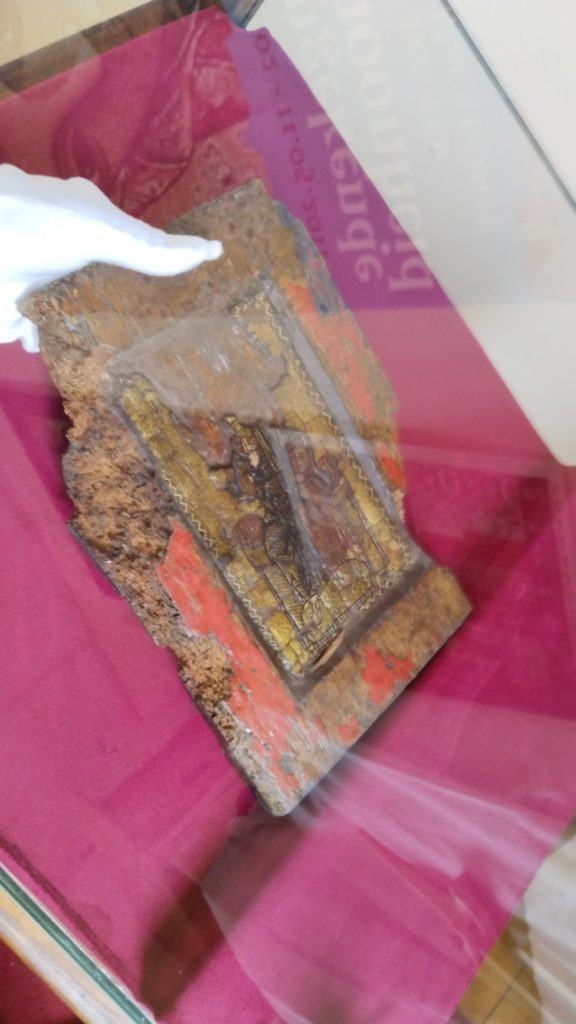
The mosaic icon “Jesus Christ on the throne” shines in the Icon Gallery in Ohrid

The unique and unique mosaic icon in Macedonia was presented to the Macedonian public for the first time as part of the commemoration of the 75th anniversary of organized museum activities in the city by the NU Institute for the Protection of Cultural Monuments and the Ohrid Museum, and on the occasion of the celebration of the 1110th anniversary of the death of Saint Kliment Ohriski.

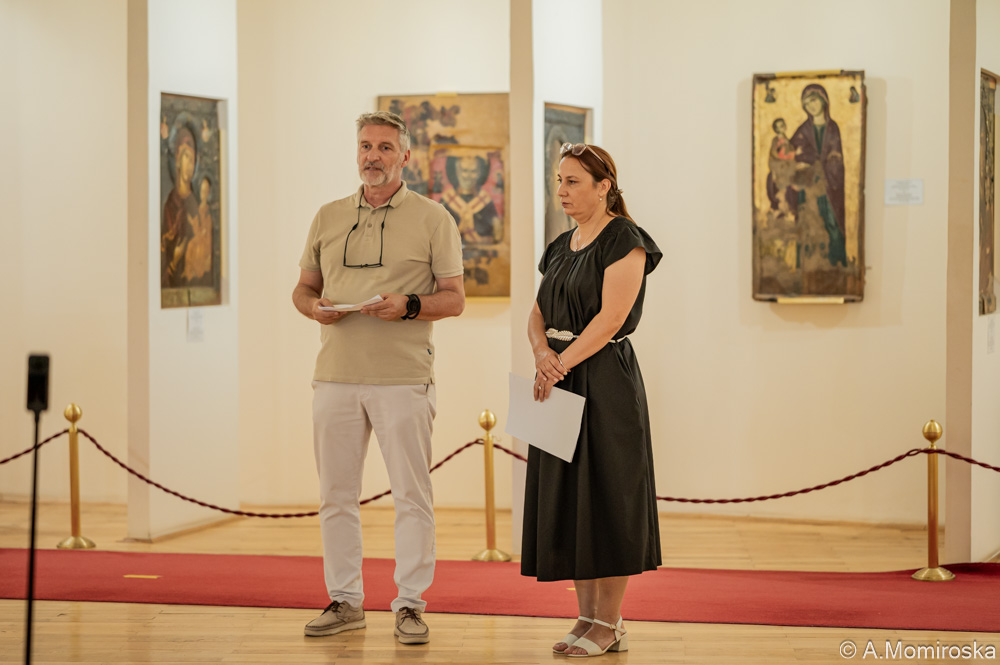
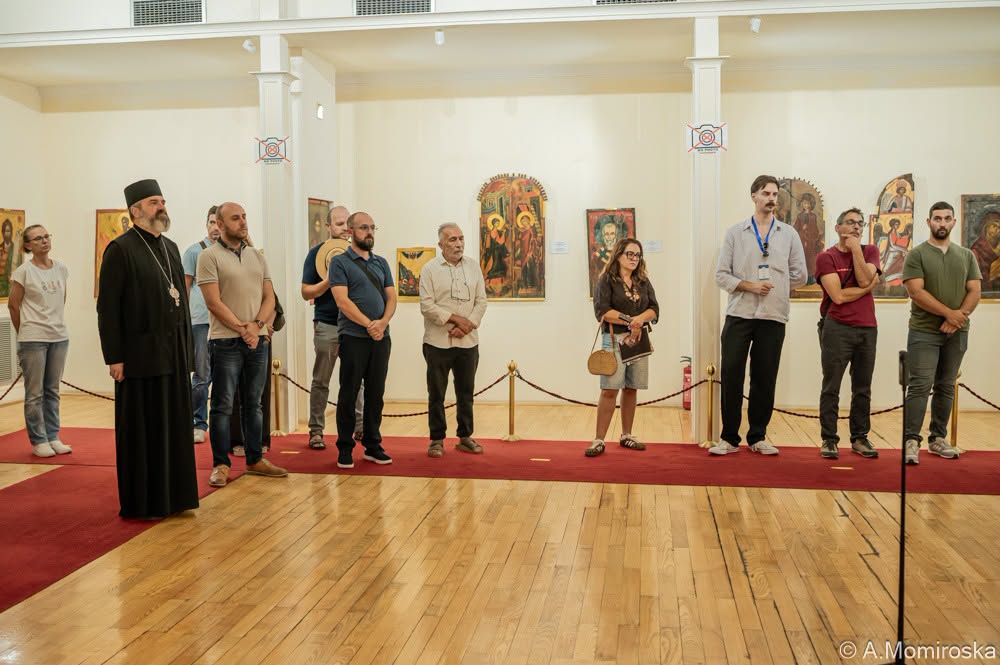
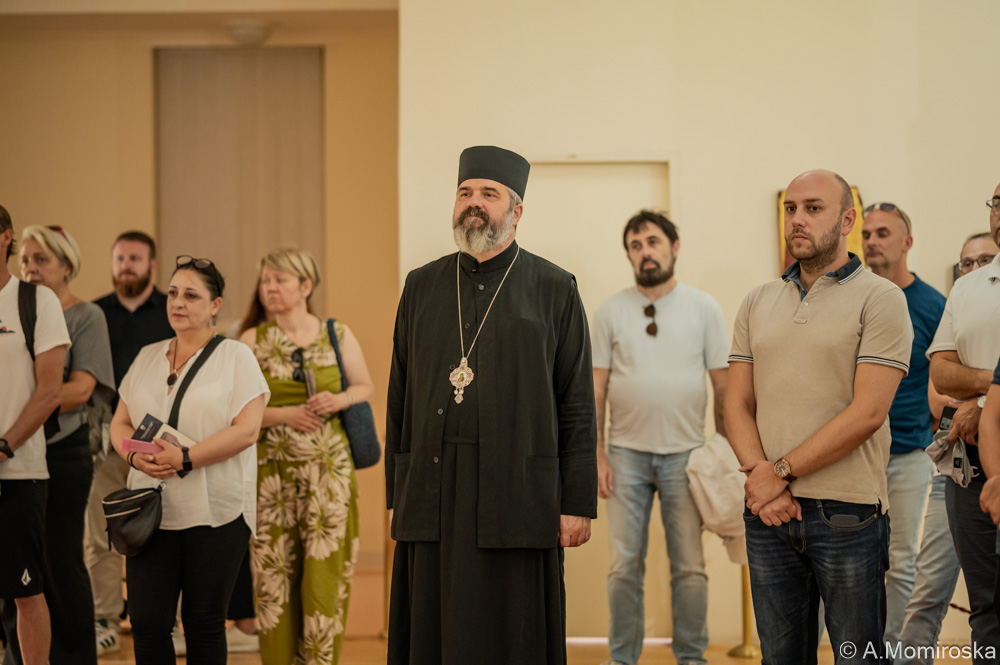
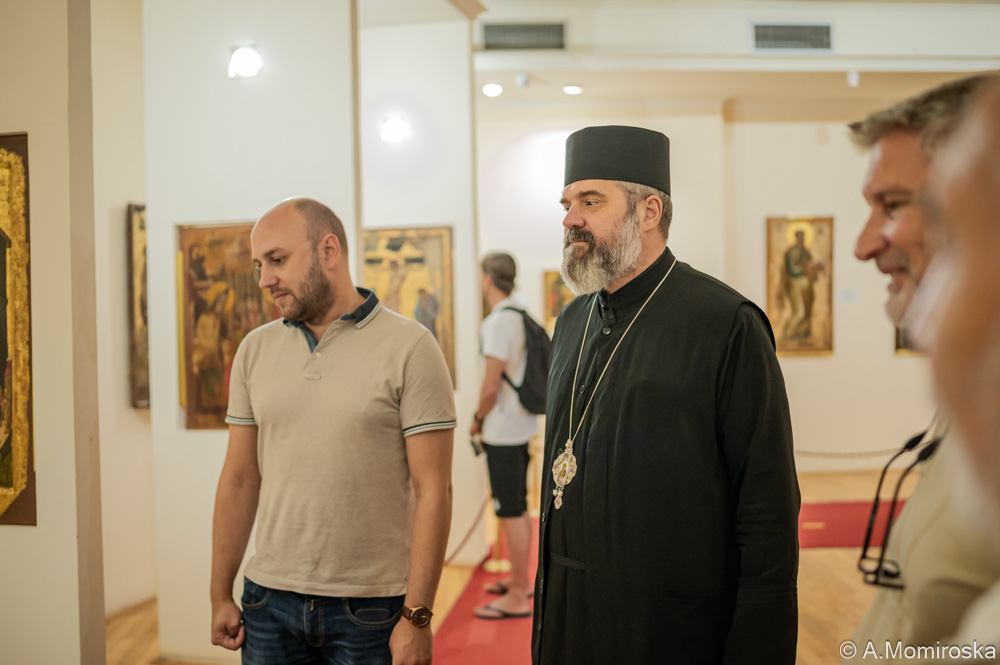
The promotion was opened by the Director, M.Sc. Goran Patčev, with greetings to those present, His Eminence the Metropolitan of Debar-Kičevski, Mr. Georgij, and other representatives of the institution, cultural workers and visitors.

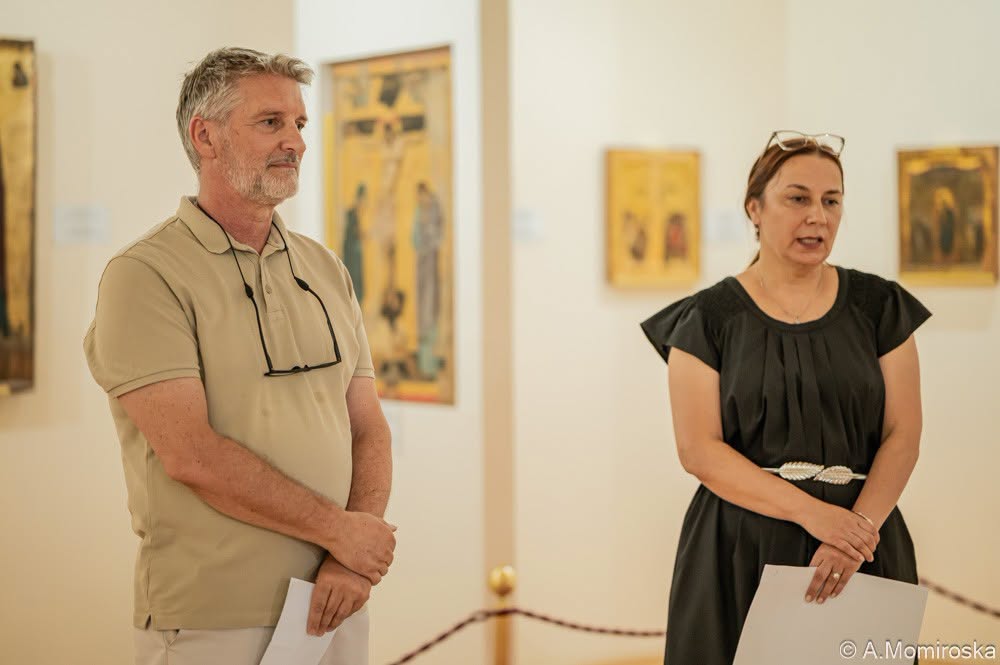
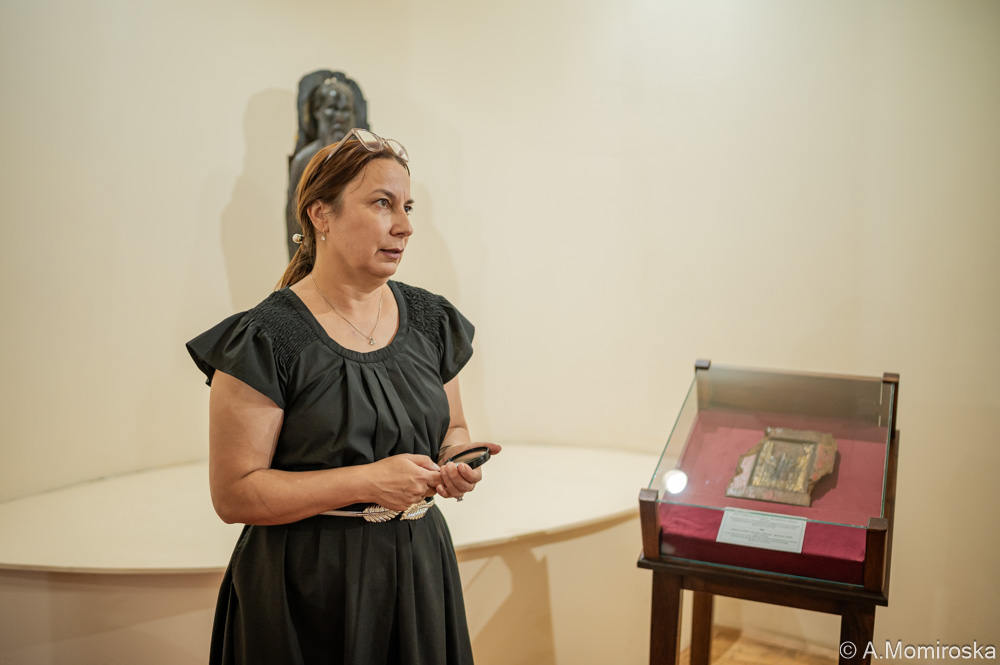
Art historian Katerina Velkoska spoke about the value and meaning of mosaic icons, who pointed out that in 1960, during the recording of icons in the church of St.Bogorodica Perivlepta in Ohrid, this mosaic icon was discovered in the southern chapel of the church next to other icons. At that time, the icon was dated as being from the 14th century, but it may be older.

On the icon with dimensions 28.5x21x2.5, Jesus Christ is represented sitting on the throne.

The mosaic technique represents the most complex and expensive medium of fine art in the Byzantine period, so small mosaic icons belong to a certain class of people and are a product of court art. This icon here in Ohrid was most likely brought as a gift from Constantinople or Thessaloniki.

Mosaic icons are among the rarest forms of Byzantine iconography. Today, significant examples are preserved in several of the world’s largest museum collections, in the Louvre in Paris, the Metropolitan Museum in New York, the Bode Museum in Berlin and the Byzantine and Christian Museum in Athens.

In Ohrid, a city that for centuries represented one of the most important centers of Orthodox spirituality and Byzantine culture in the Balkans, this rare mosaic icon represents yet another precious proof of its place in the history of European and Byzantine cultural heritage.
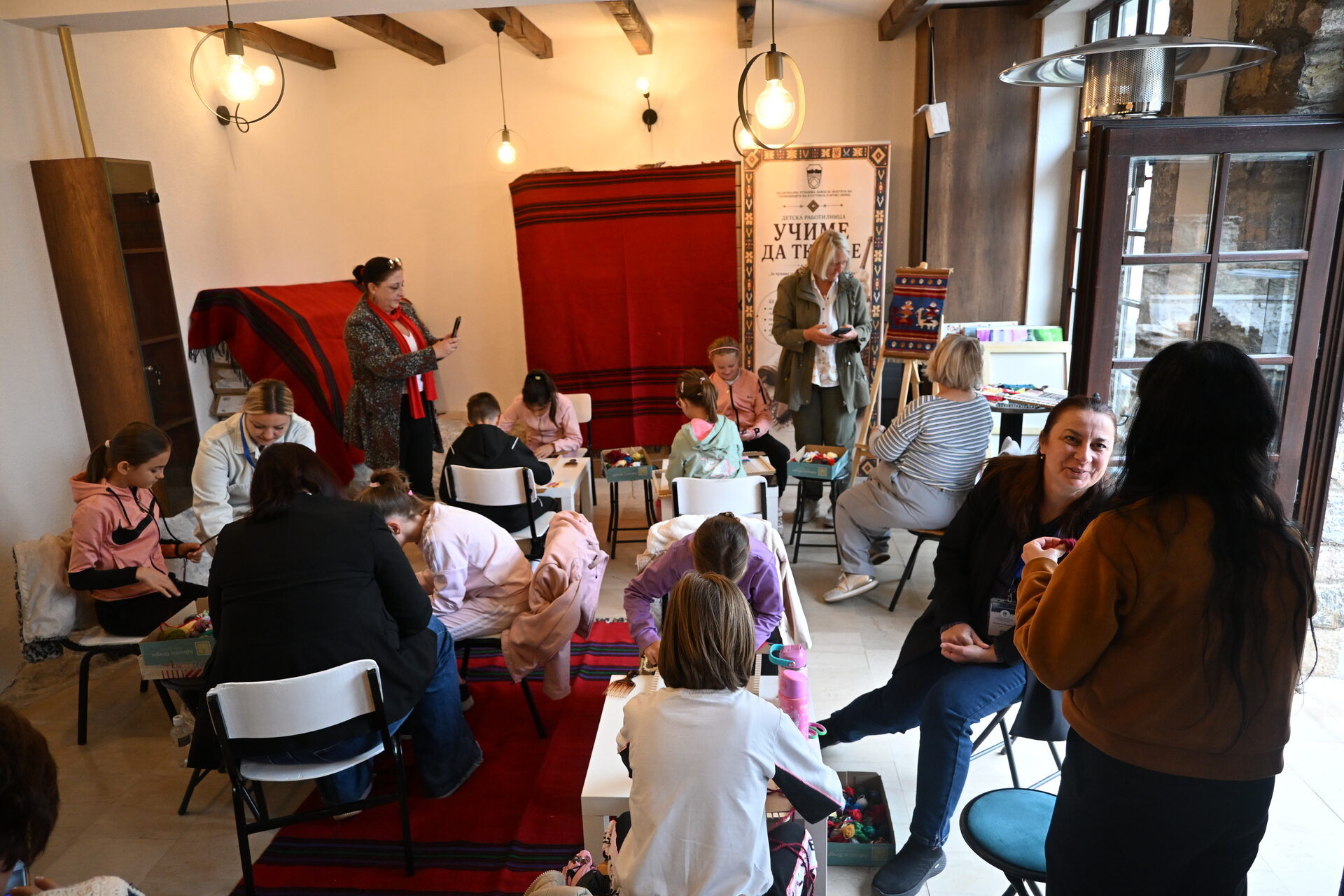
This project is part of the annual program for the work of institutions financially supported by the Ministry of Culture and Tourism. The project “Current maintenance of the collection of icons and other liturgical objects” was realized by the department curator, art historian Katerina Velkoska.

Valuable donation from the heirs of the Robevci family to the Museum in Ohrid

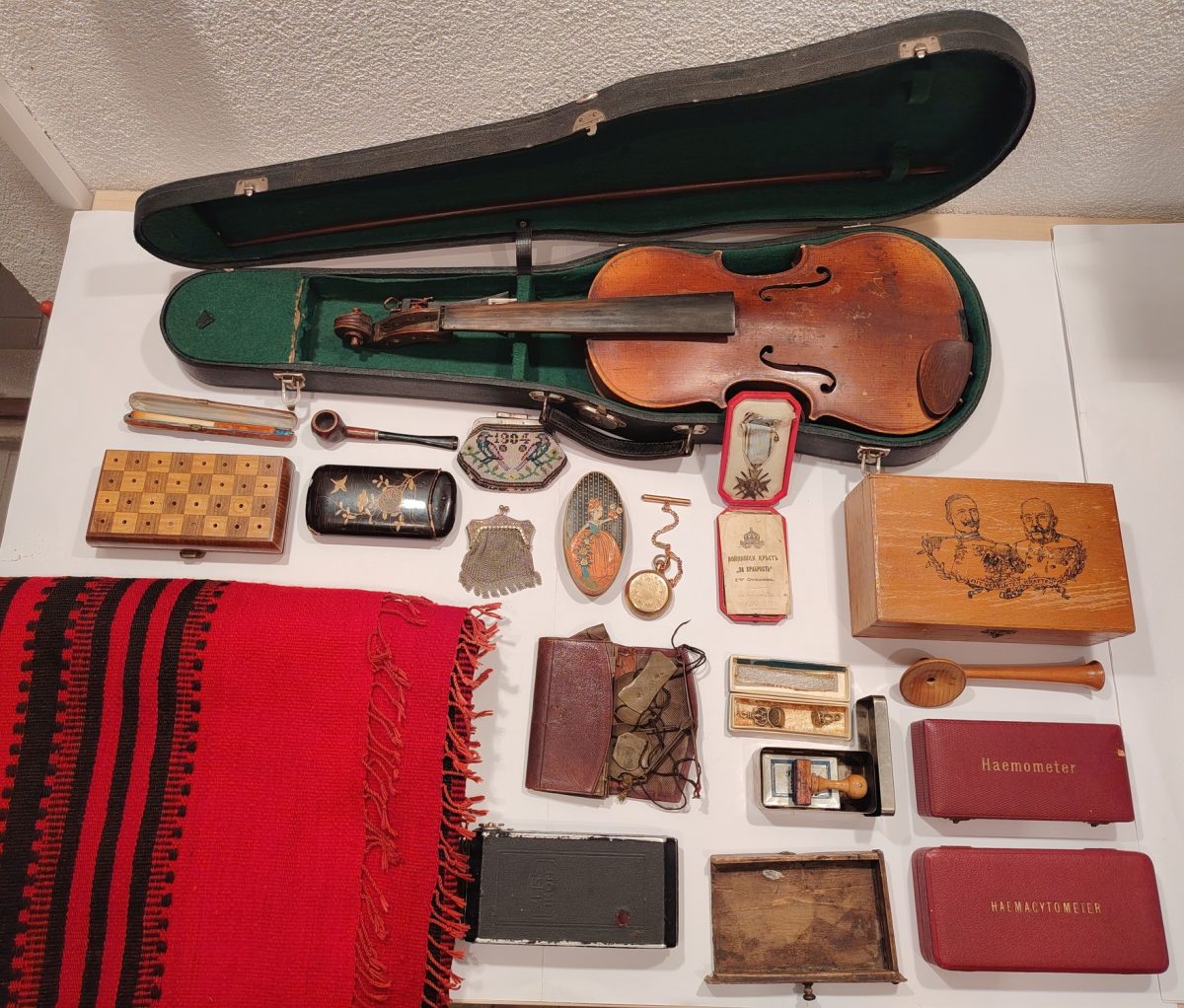
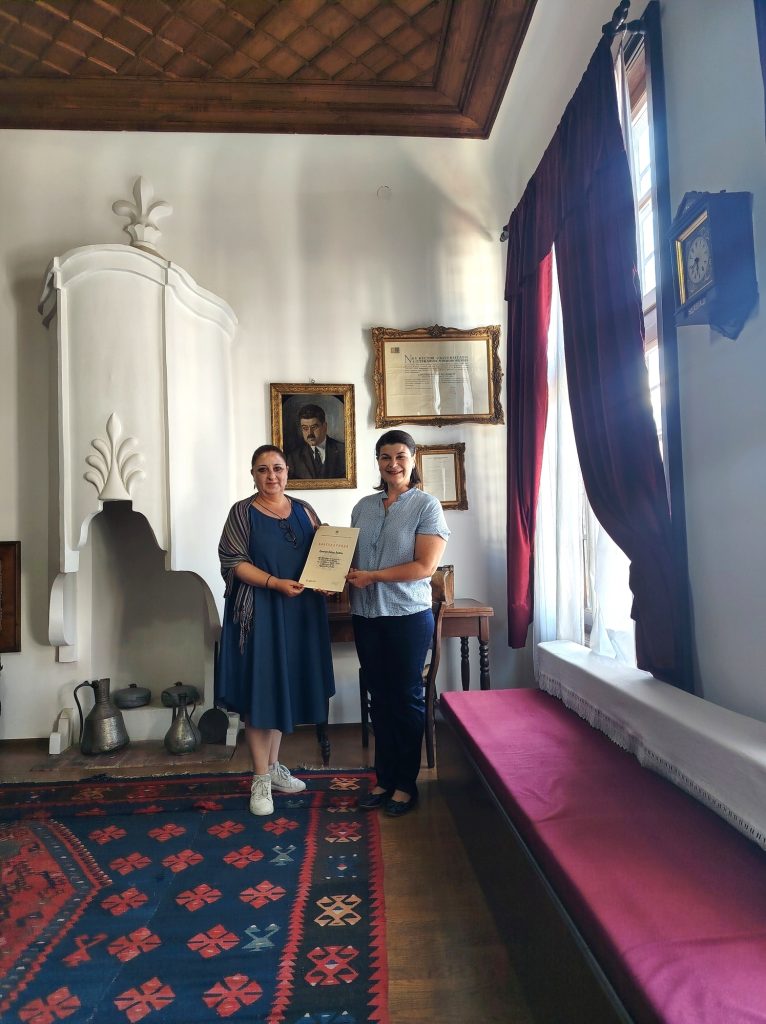
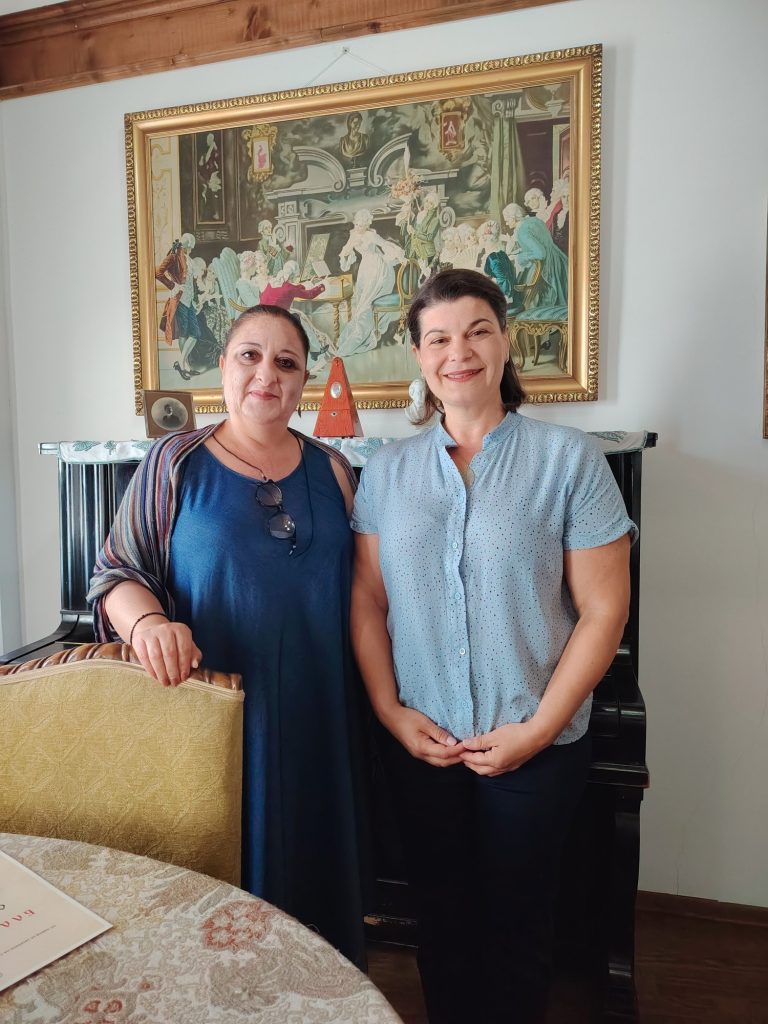
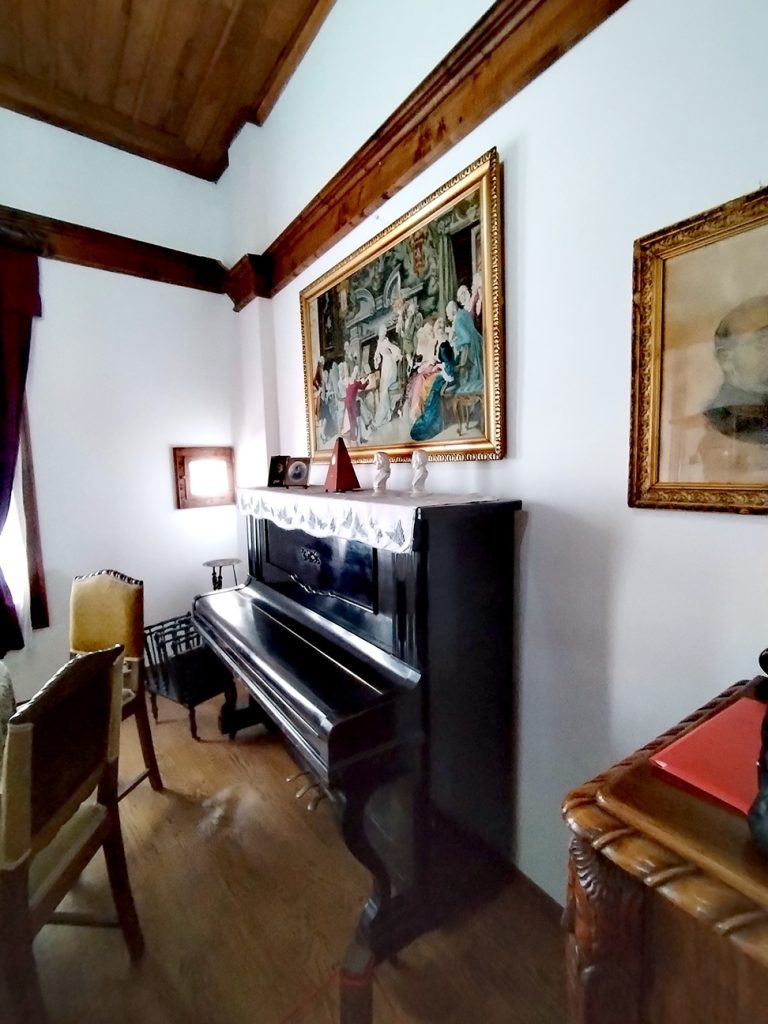
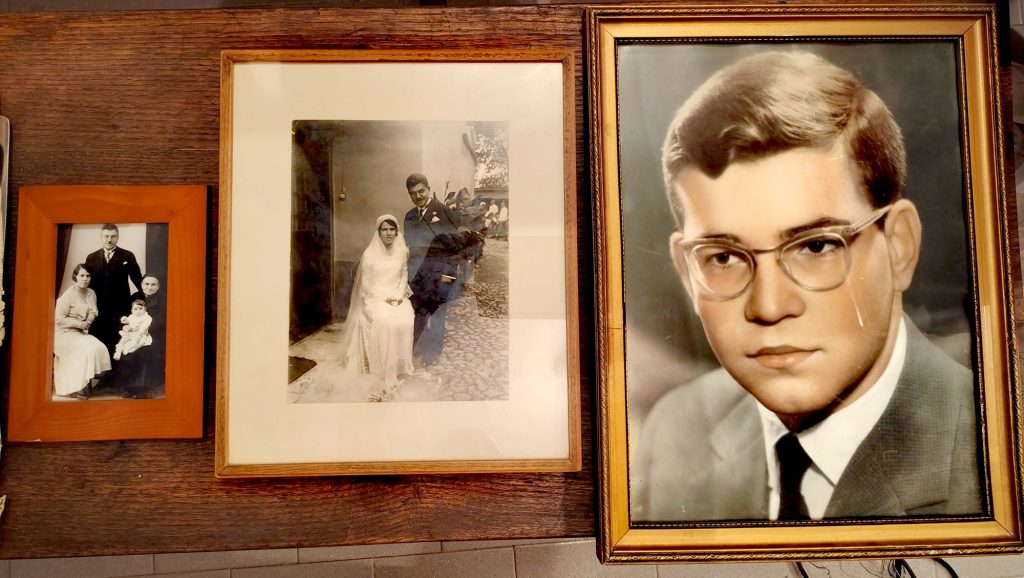
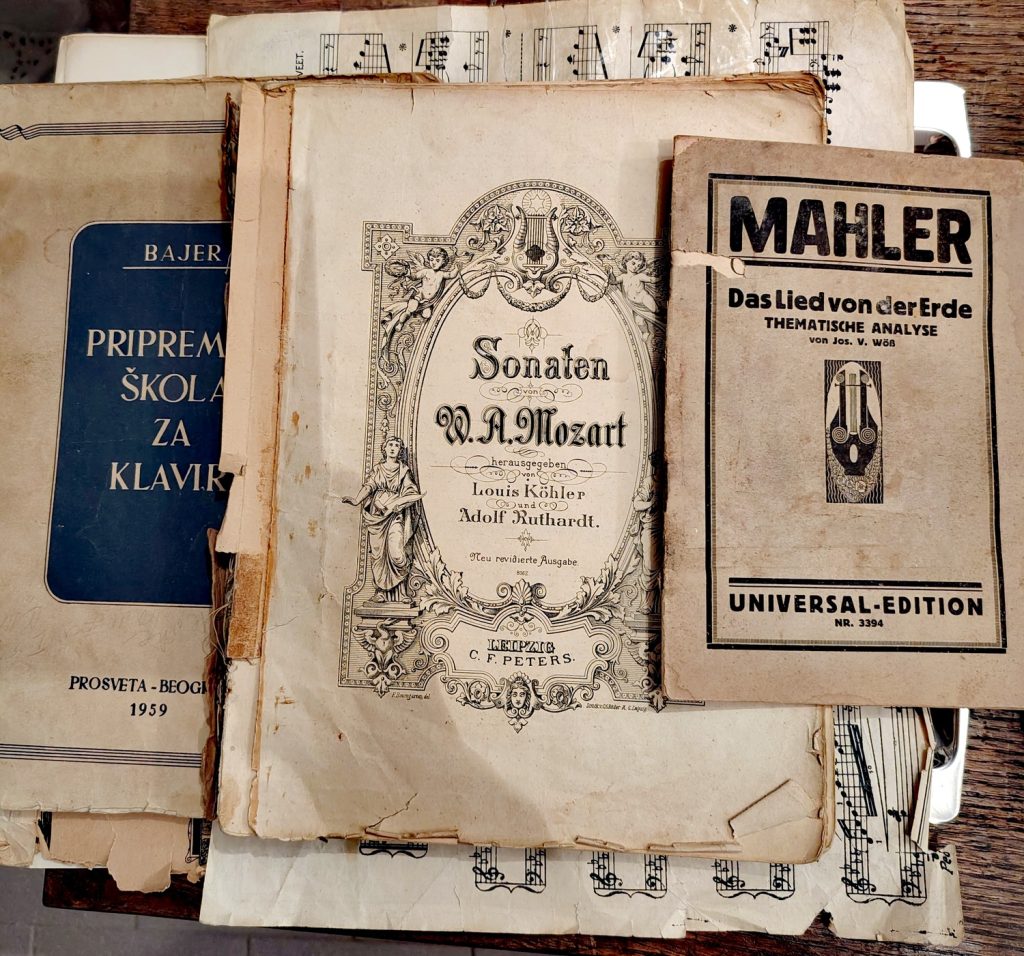
The National Institute and Museum – Ohrid received another valuable donation from the Robevci family. Mrs. Olivera Robevci Krsteva has donated personal items from her family to the Ohrid Museum in the last two years. These include old photographs, household items, a piano, a violin, sheet music, books, medical instruments, stamps, a camera, a medal, a metronome, smoking utensils, women’s accessories, a clock with a bone and other items. With this donation, the museum collection has been enriched by another 50 items, and thus the Robevci family fund has reached a number of over 200 items.
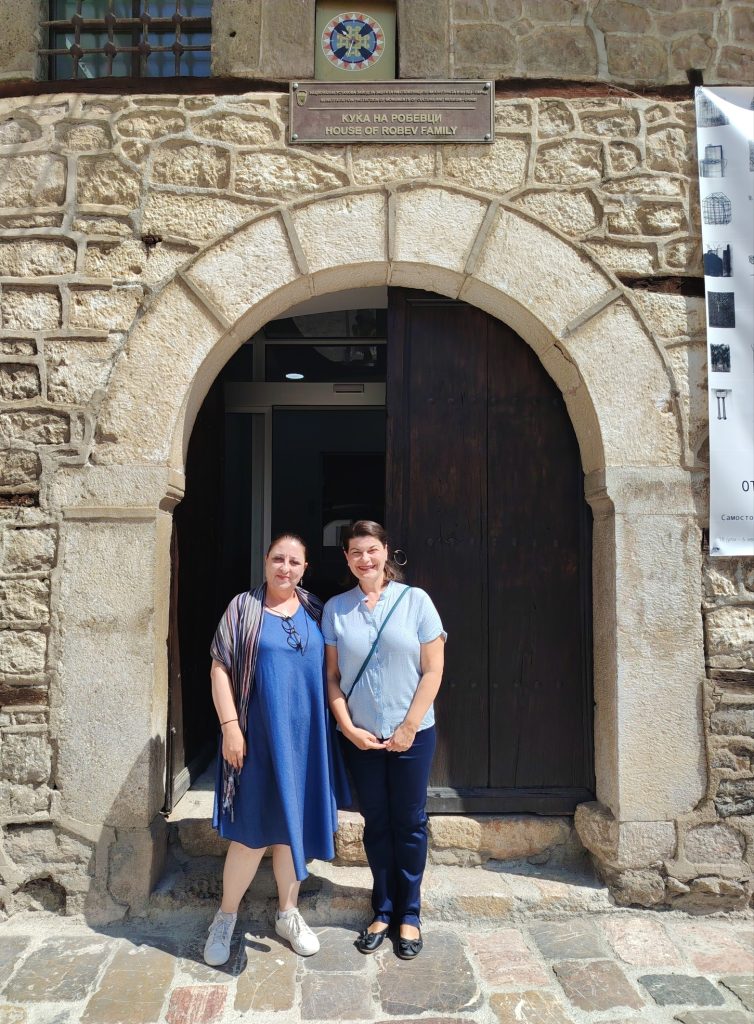
The items were received in the ethnological department by the senior curator Olivera Misheva, where the majority of the fund is kept, and a large part of them are exhibited in the museum building, the Robevci House.
The National Institute and Museum – Ohrid expresses its great gratitude for the honor and trust of Mrs. Olivera Robeva Krsteva for the permanent donation of the objects to the Ohrid Museum.
The donated objects represent a challenge for new research, protection and presentation of a part of the cultural heritage for future generations, as witnesses of a time, a way of life and proof of the great contribution of significant figures to the history and culture of the city of Ohrid.

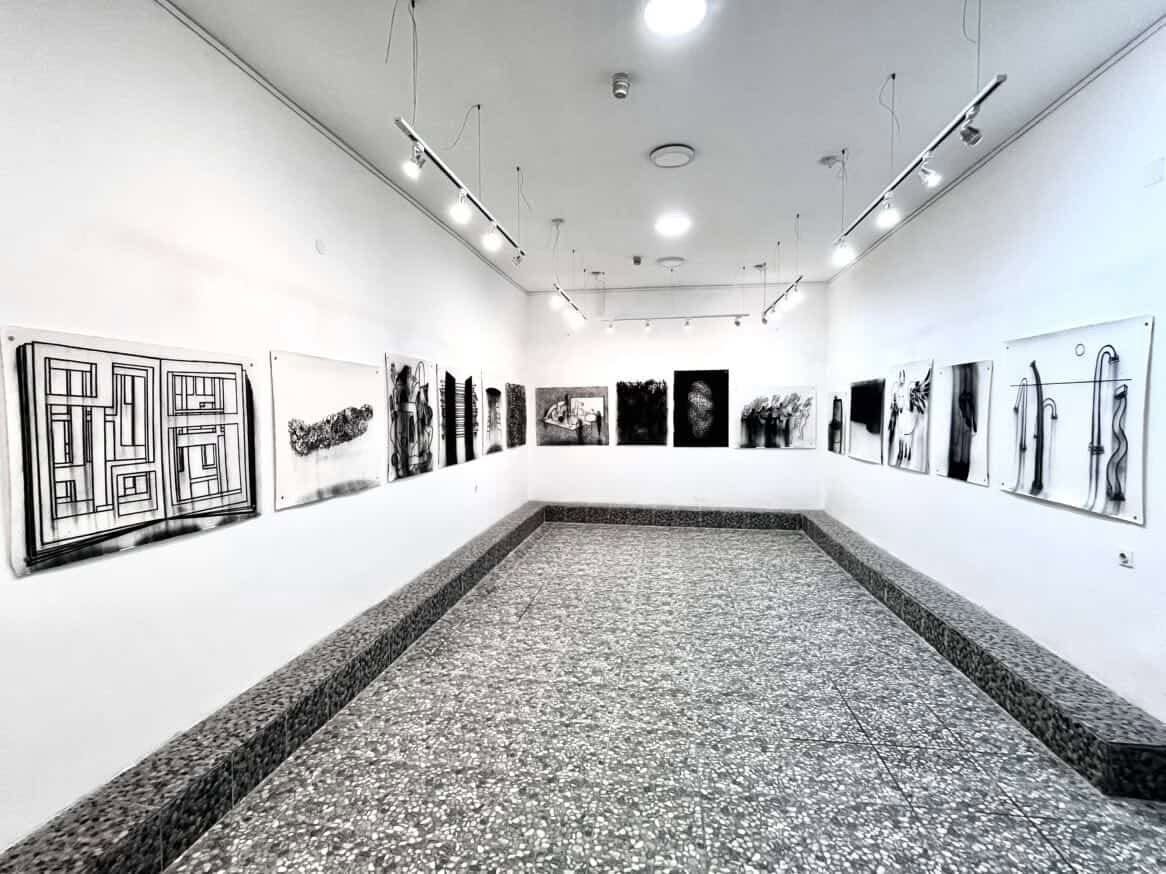
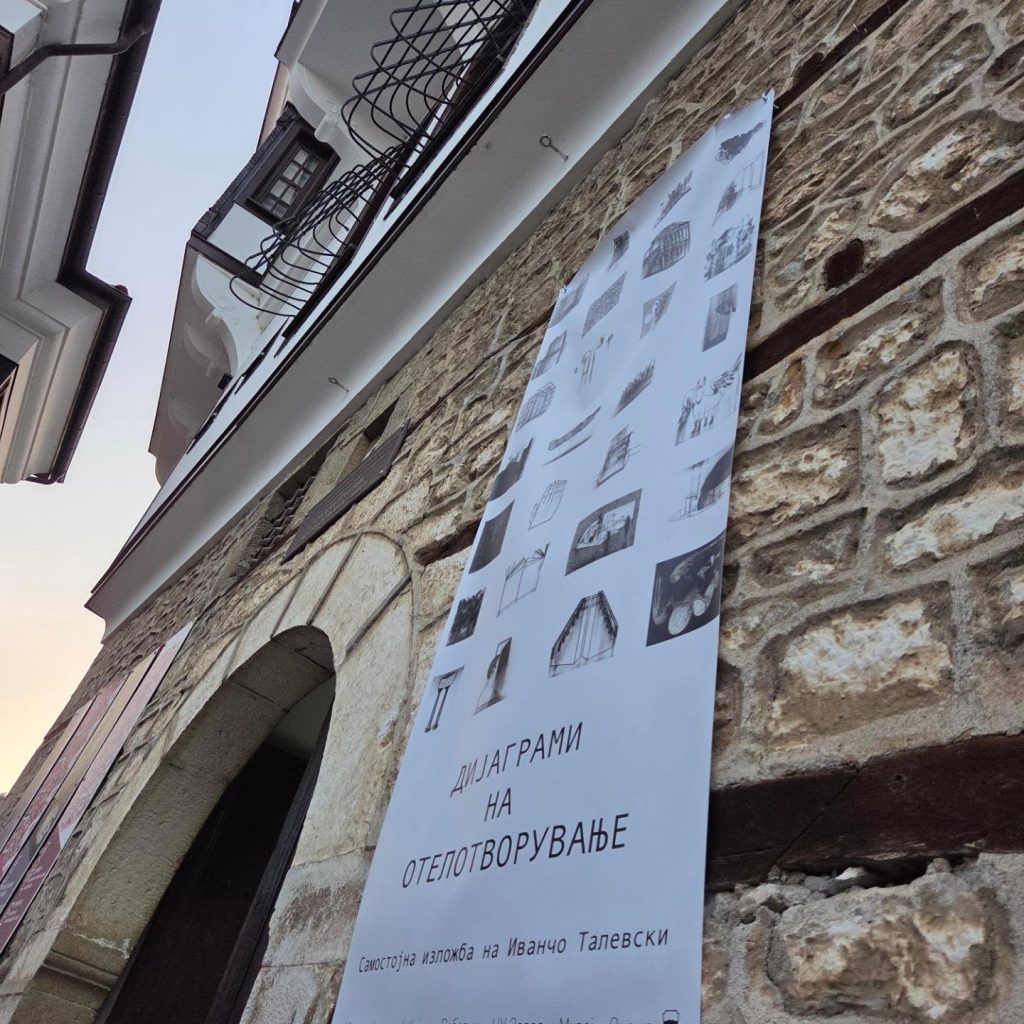
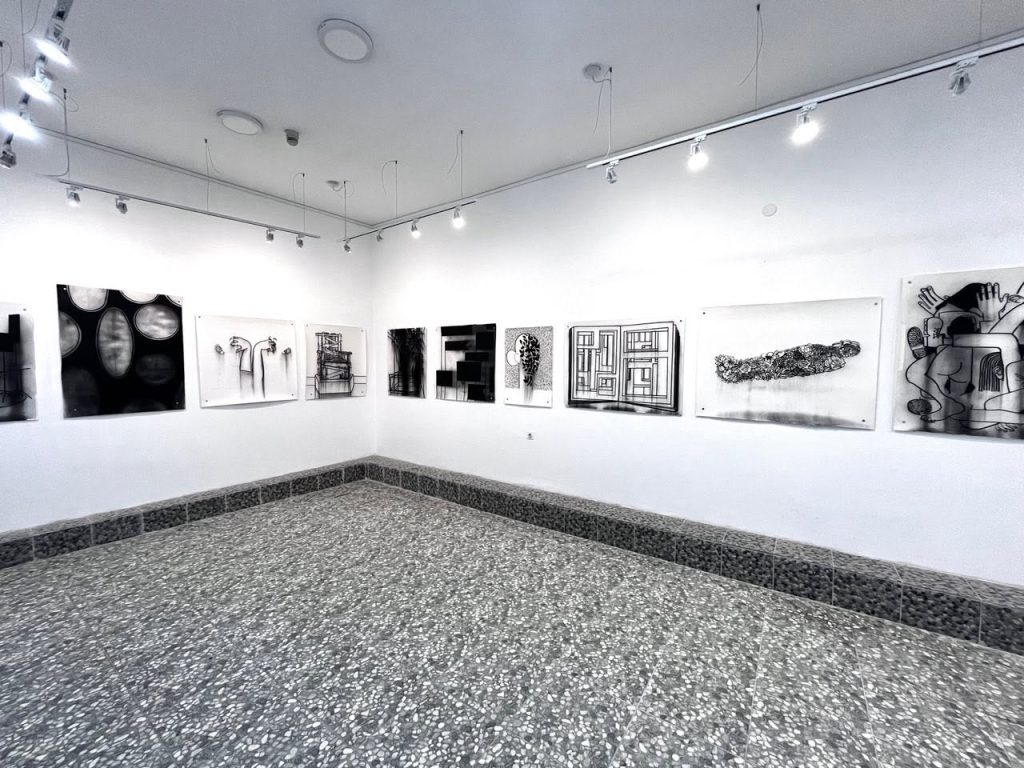
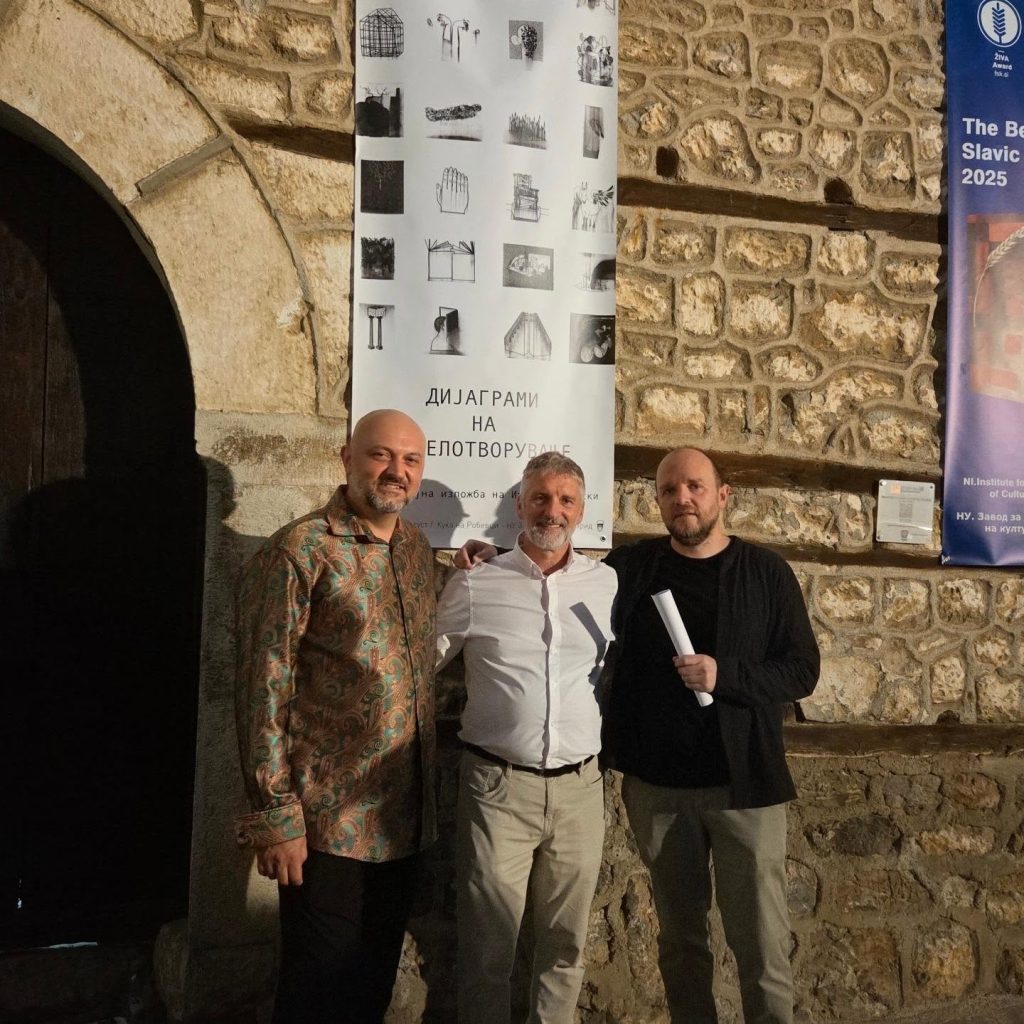
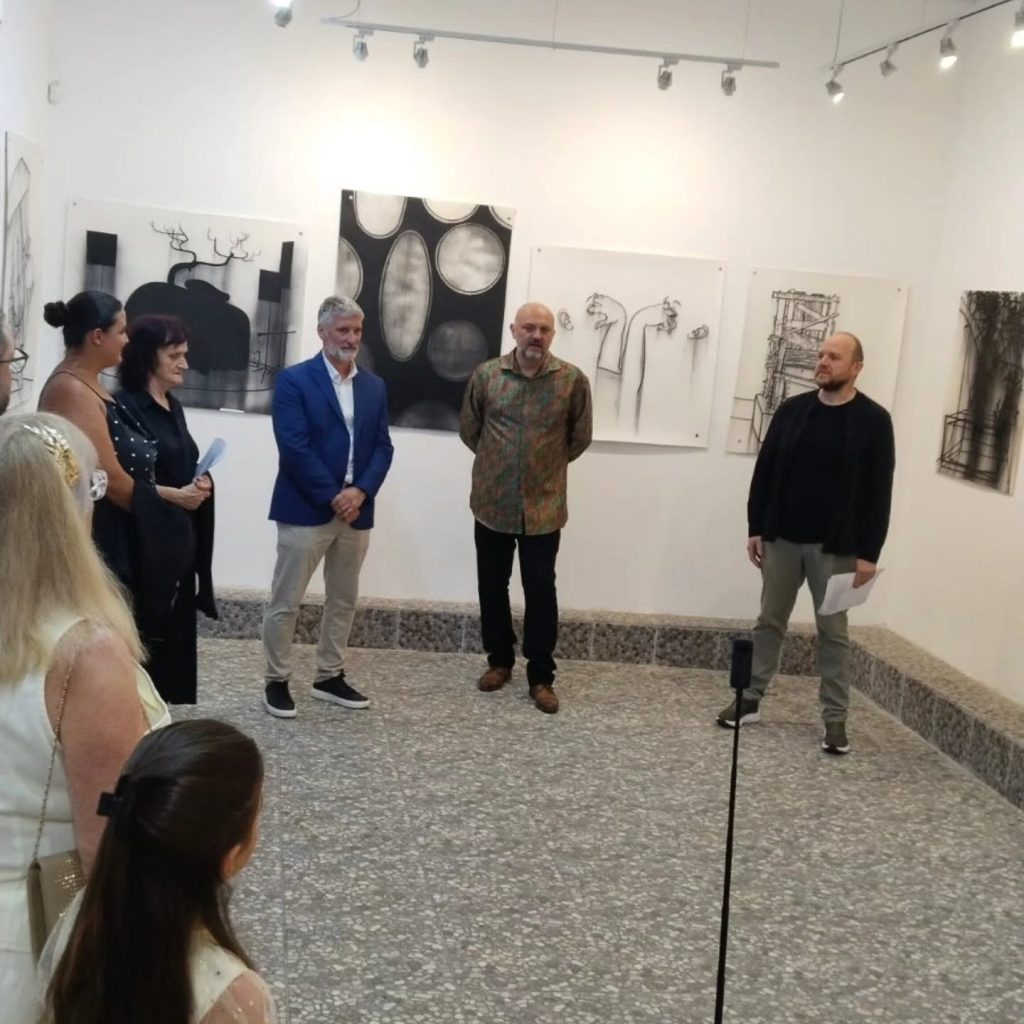
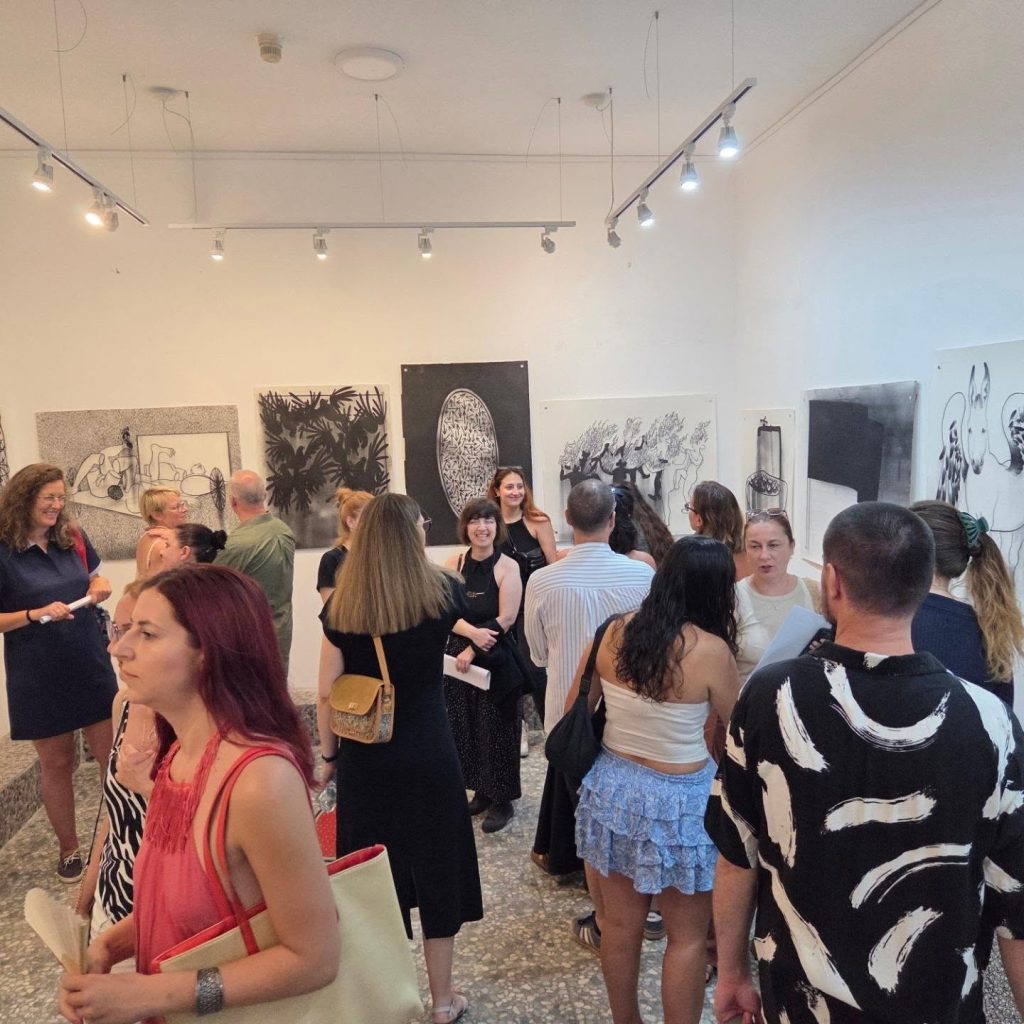
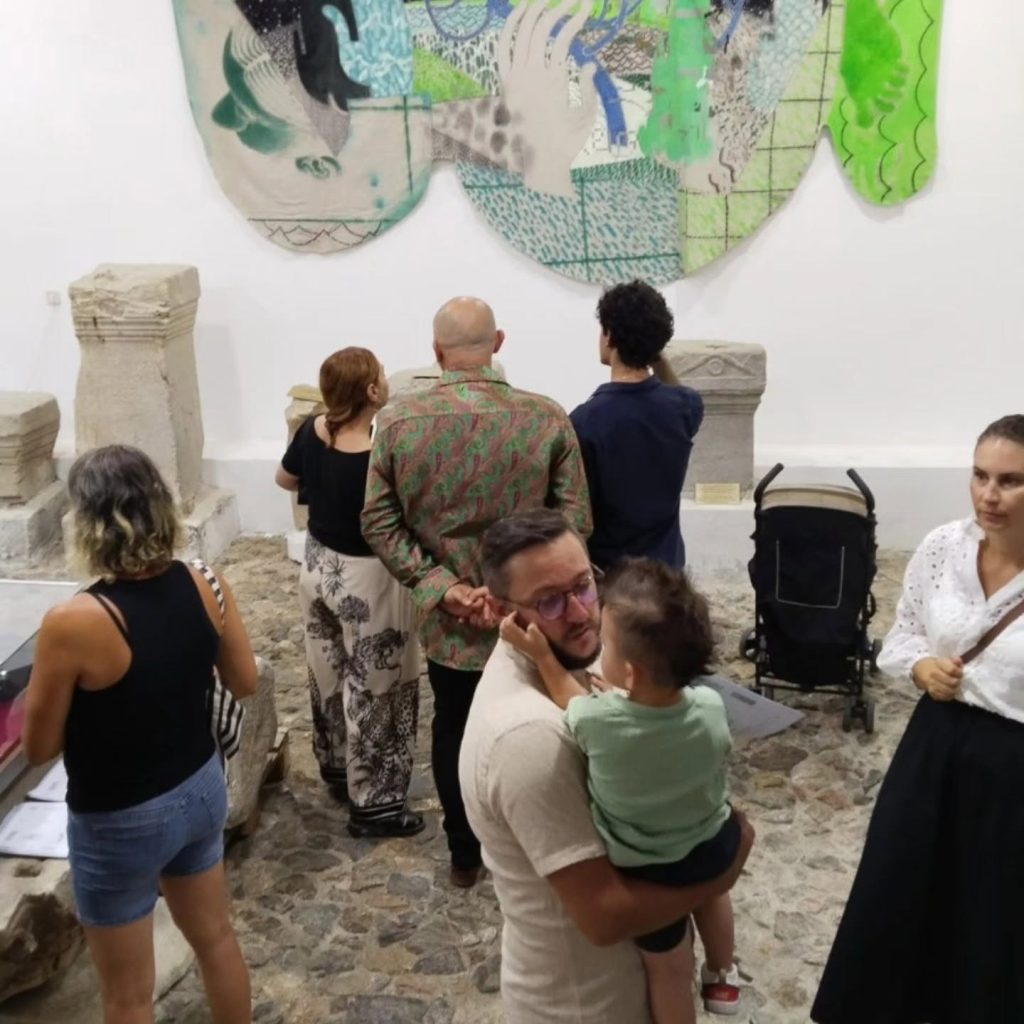
The solo exhibition “Diagrams of Embodiment” by the multidisciplinary artist Ivancho Talevski.

This is the author’s first solo exhibition in Ohrid.

Robevci House, Ohrid, NI Institute and Museum – Ohrid

Starting in 2015, during his frequent trips between Bitola and Philadelphia, Talevski has been recording time and space through his drawings, reacting to different experiences, social processes, events and locations.

The drawings arise from everyday walks through the two cities and create a kind of interspace in which different geographies, languages, memories and identities intersect. Through them, the author explores the relationships between the body and the ground, individual and collective memory, the past and possible futures.

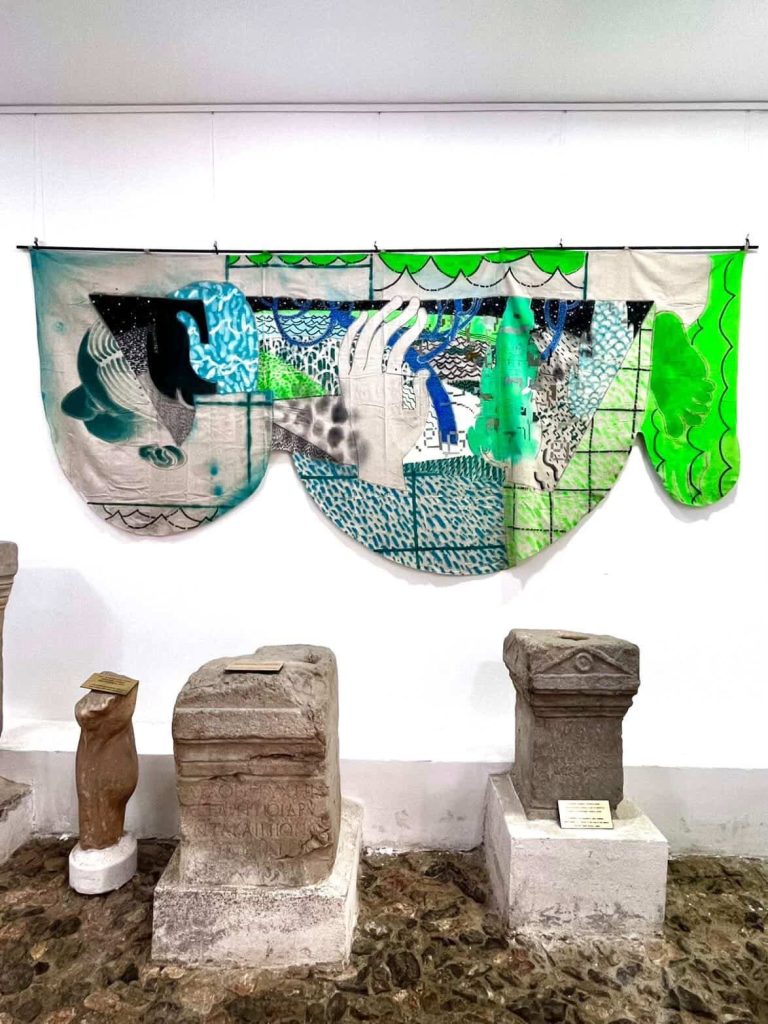
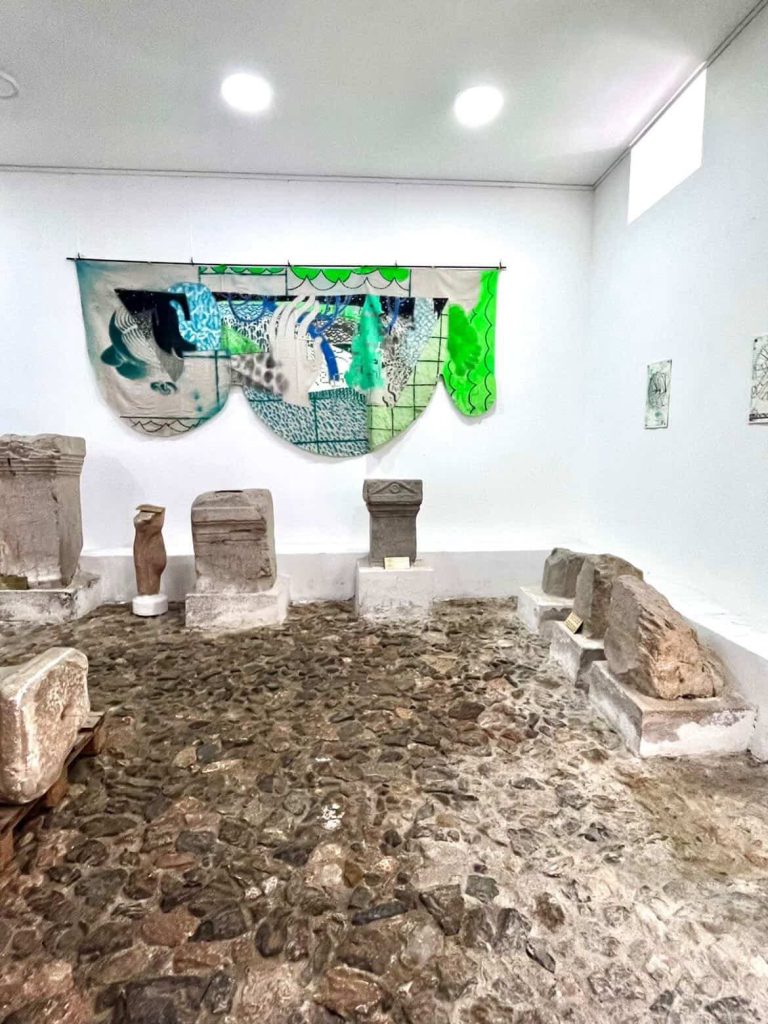
The exhibition project also includes the new work “Dremka mi se dreme”, created as an intersection between the language of the drawing and the author’s long-standing experimentation with pictorial expression.

Ivancho Talevski is a multidisciplinary artist and professor who lives and works between Bitola and Philadelphia, USA. His works and projects have been presented in numerous international museums, galleries, biennials and triennials in New York, Philadelphia, Los Angeles, Brussels, Seoul, Tokyo, Krakow, Taiwan, China and Skopje.

He has received several international awards, recognitions and grants, including support from the Pollock-Krasner Foundation, the Elizabeth Greenshields Foundation and the Sachs Foundation for Innovation in the Arts.

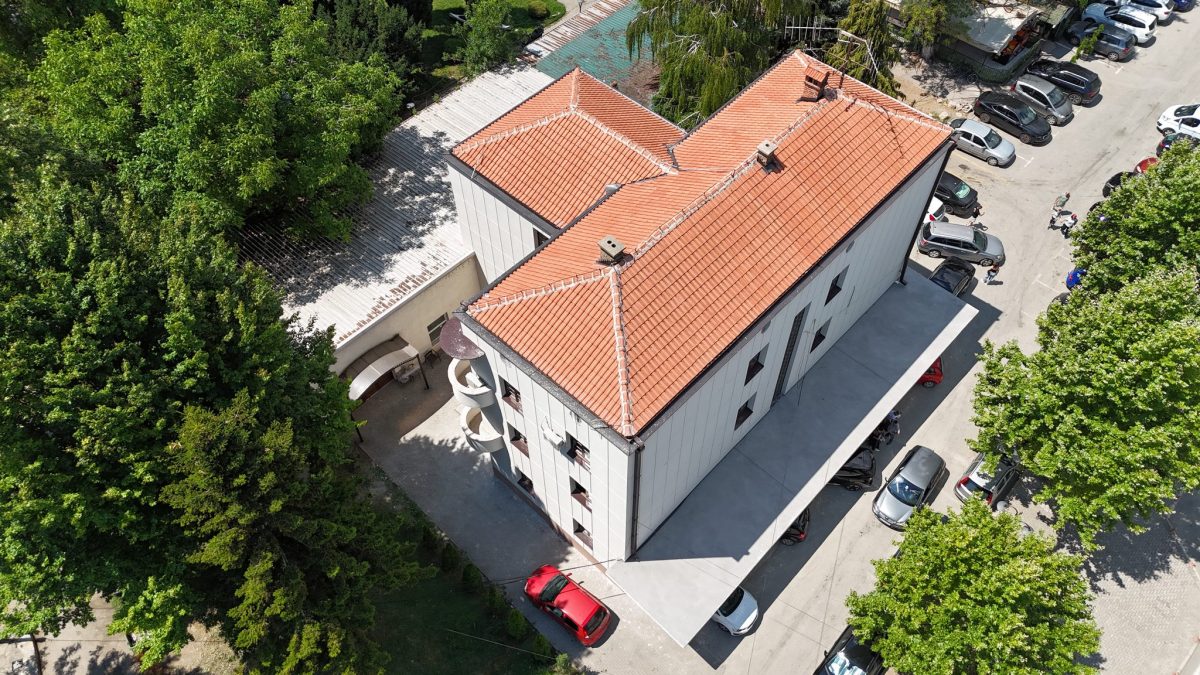
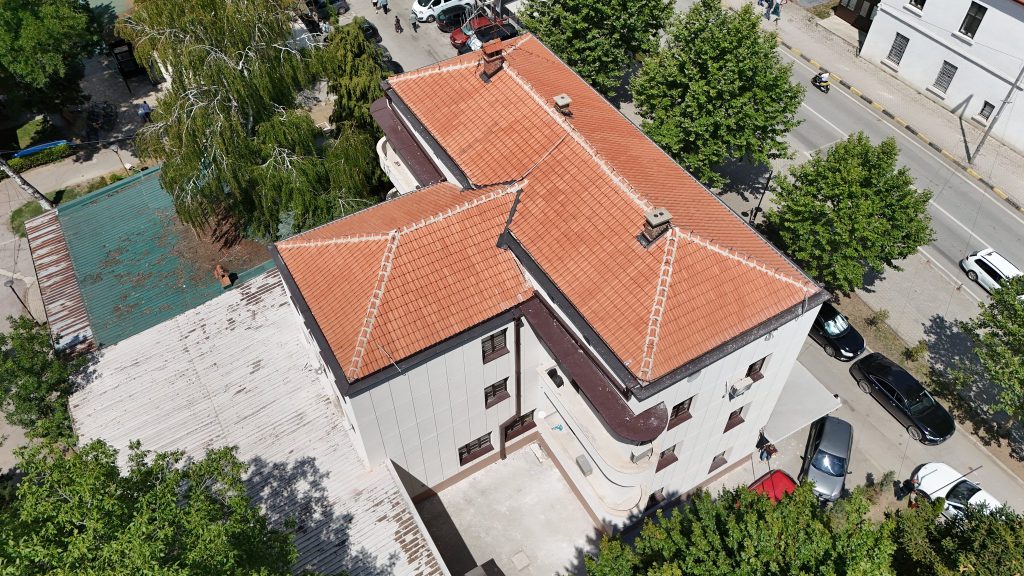
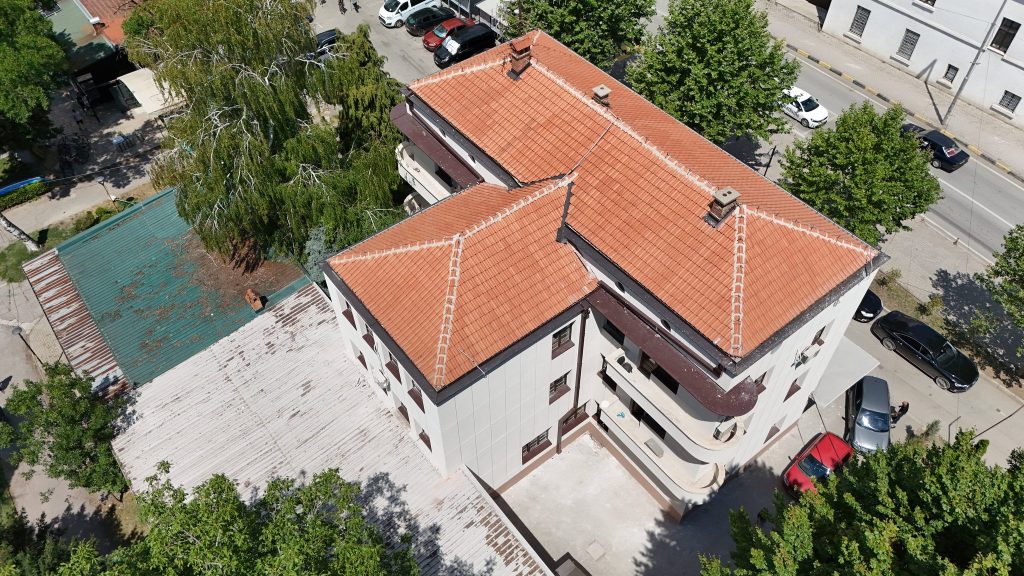
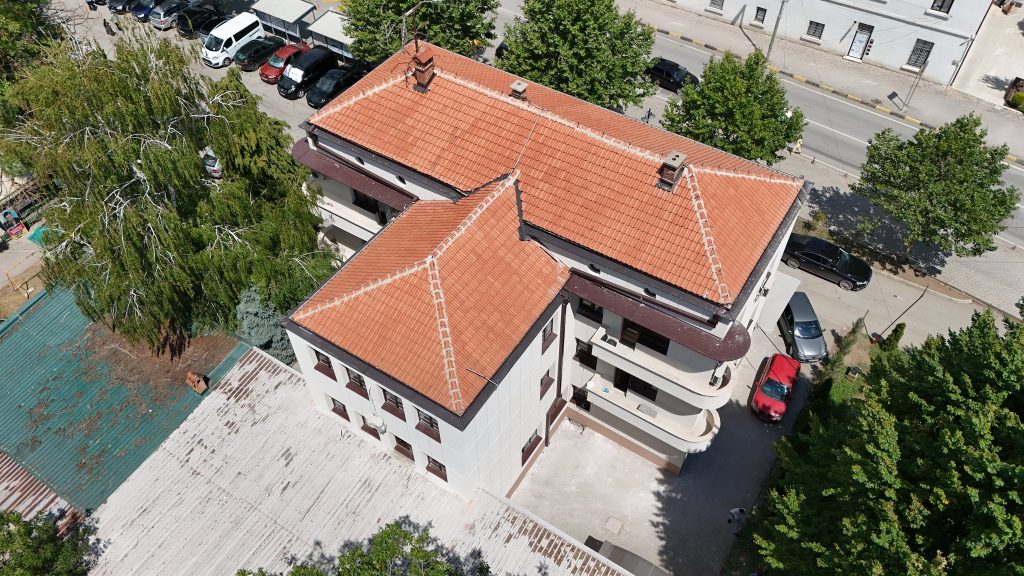
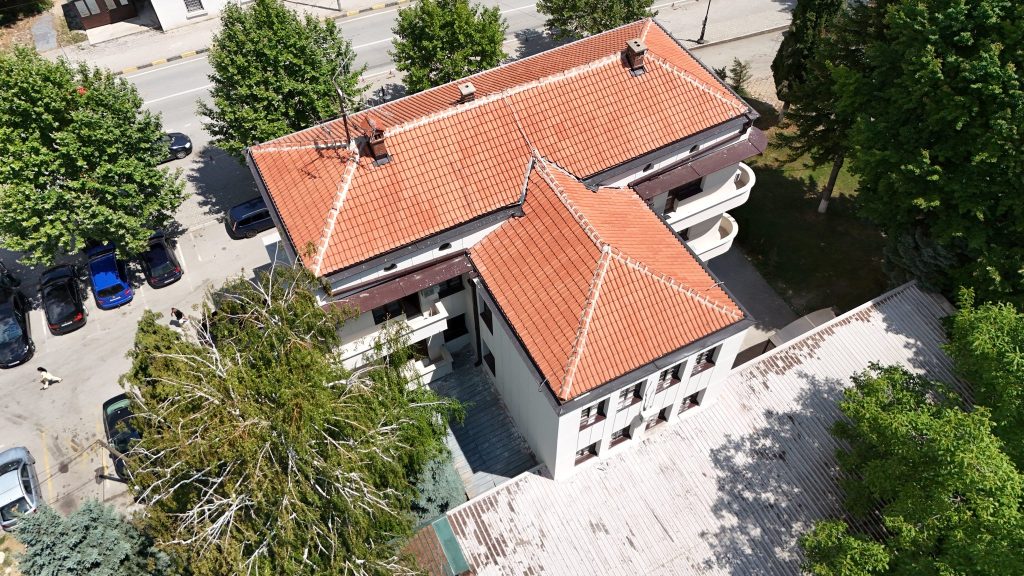
Conservation and Restoration Works on the “Ministry of Defence” Building — Struga

Conservation and Restoration Works on the “Ministry of Defence” Building — Struga
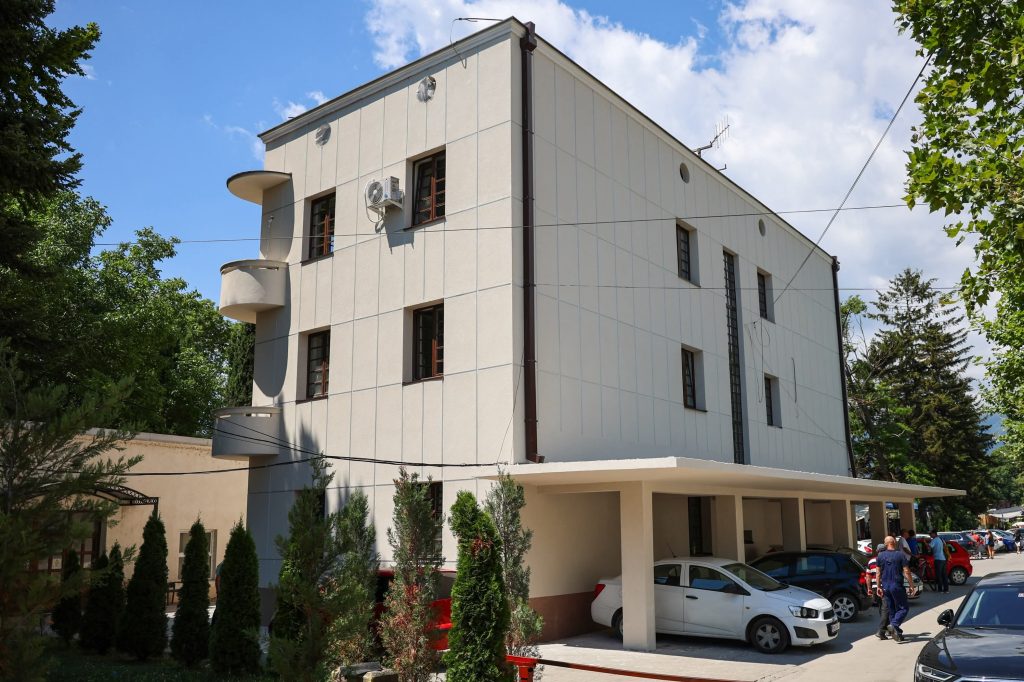
The building is a classic example of 20th-century urban architecture, constructed in 1934 for the needs of the Italian occupying forces, originally functioning as a customs terminal. After 1965, the building was taken over by the municipality, housing the municipal president, civil defence, and other municipal departments. It is currently used by the Ministry of Defence — RE Struga, the Civil Protection Centre, the Municipality, and other sectors.
The National Institution Zavod and Museum — Ohrid prepared the Basic Project for the reconstruction of the facade and roof of this building, for which the Administration for the Protection of Cultural Heritage issued a conservation permit in 2022.
The works are being carried out in several phases:

2022/2023 — roof reconstruction and replacement of the roof covering
2024/2026 — carpentry works, replacement of exterior joinery, and construction of a new facade

All interventions are in accordance with the project programme and aim to preserve this individually protected cultural heritage site, declared by a Protection Decision with an appropriate protection regime.
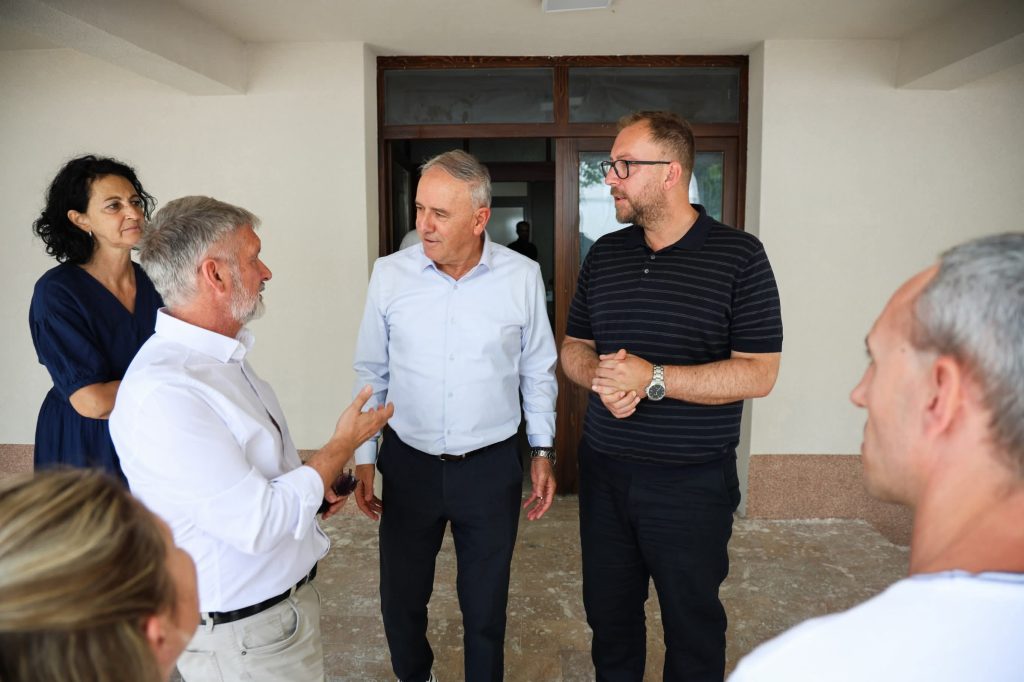
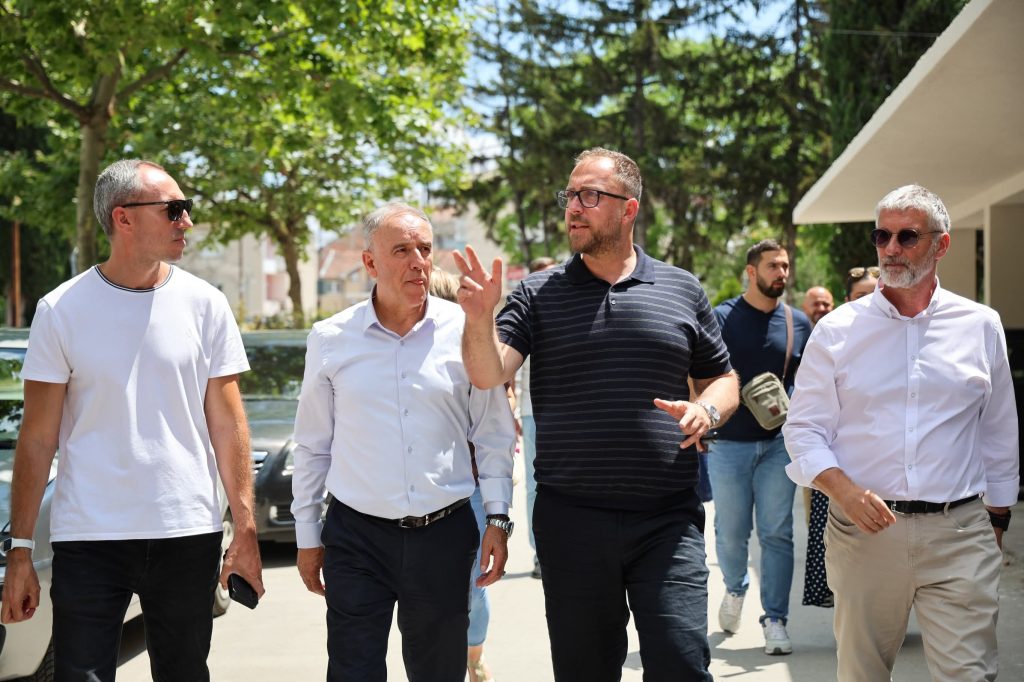
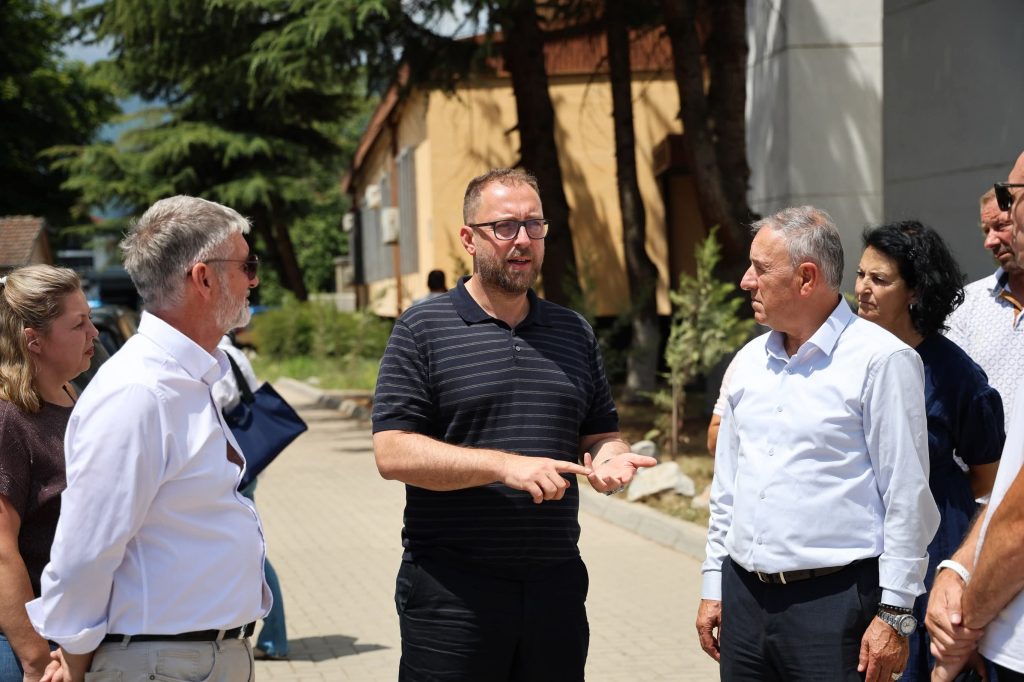
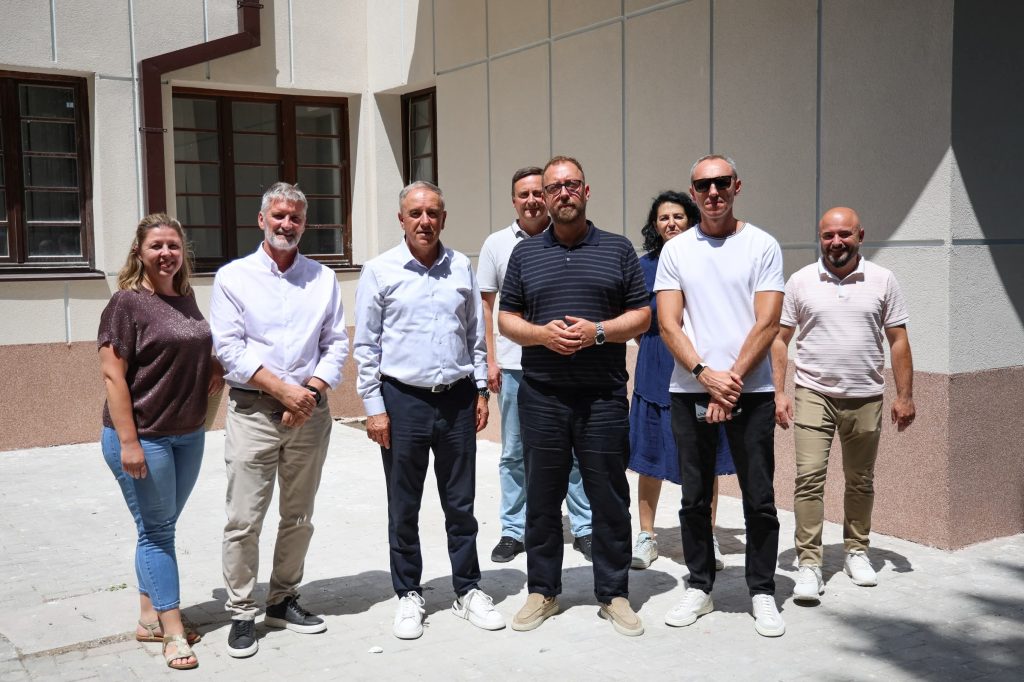
The conservation and restoration works are in their final phase and will be fully completed upon the completion of conservation interventions on the entrance section.
For the realisation of the project, the Ministry of Culture and Tourism has approved a total of 9,114,000 MKD (from 2022 to date). Approximately 7,624,539 MKD has been spent so far, with total expenditure upon full completion expected to reach around 8,000,000 MKD.
Through these conservation and restoration activities, the further deterioration of yet another significant building is being prevented — a building that, with its characteristic location directly on the lakeshore at the outlet of the Black Drim River from Lake Ohrid, enriches the ambient landscape of the city of Struga.

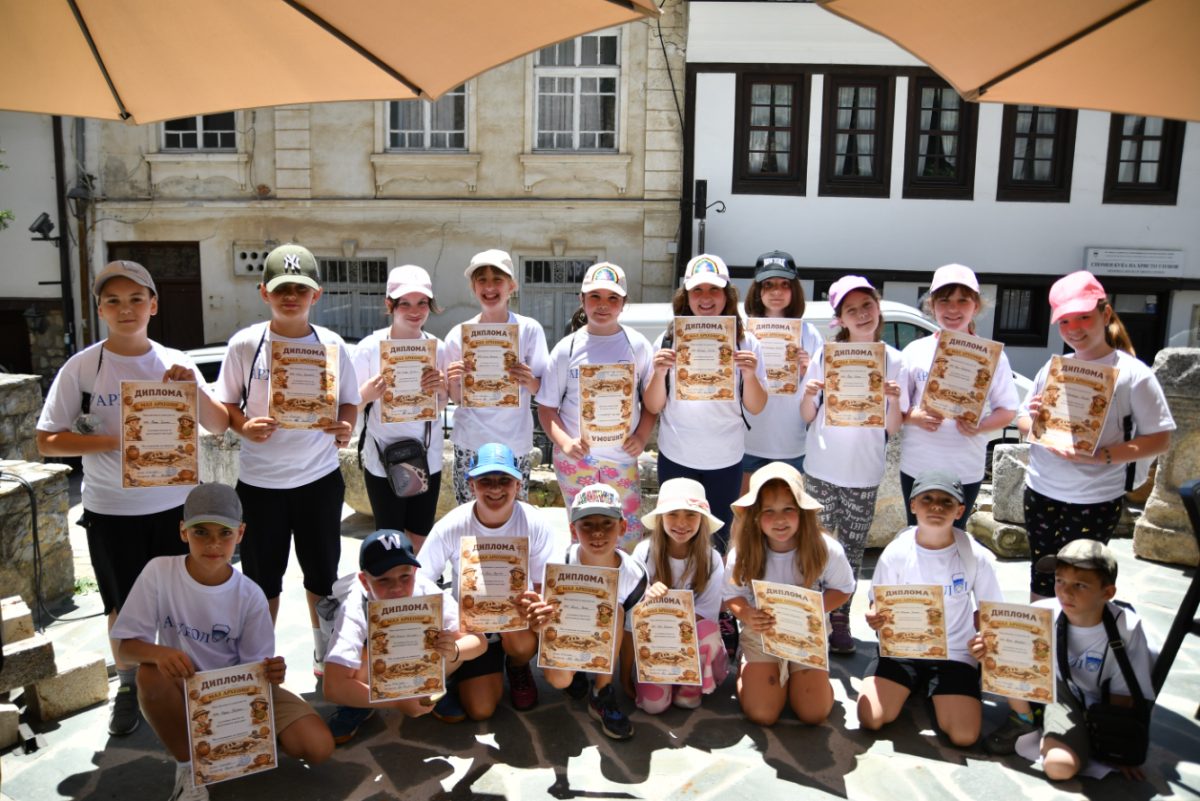
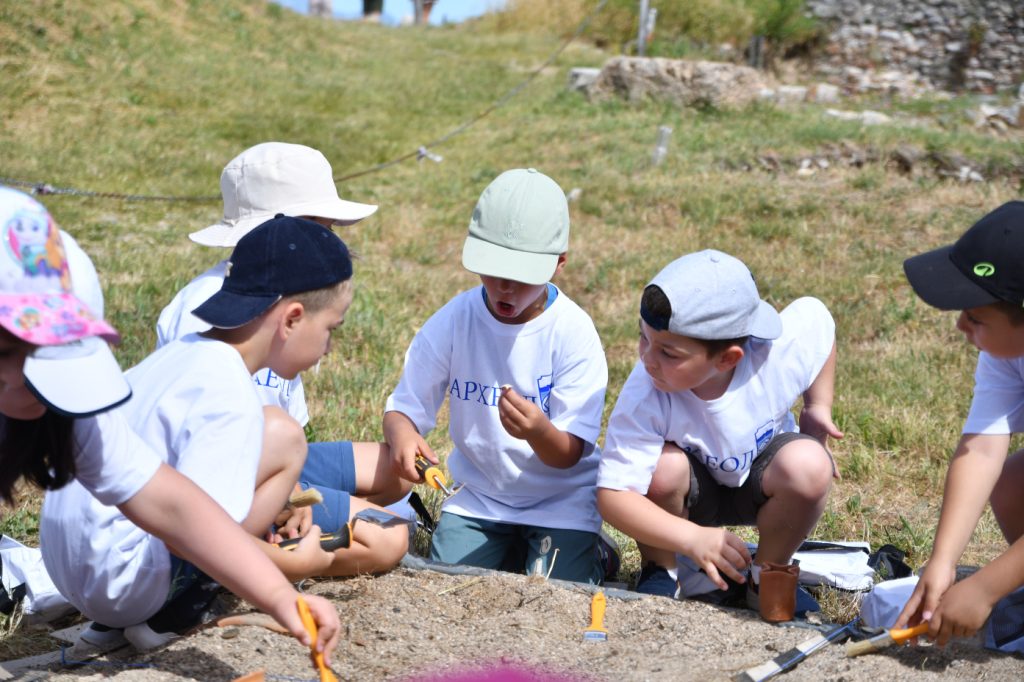
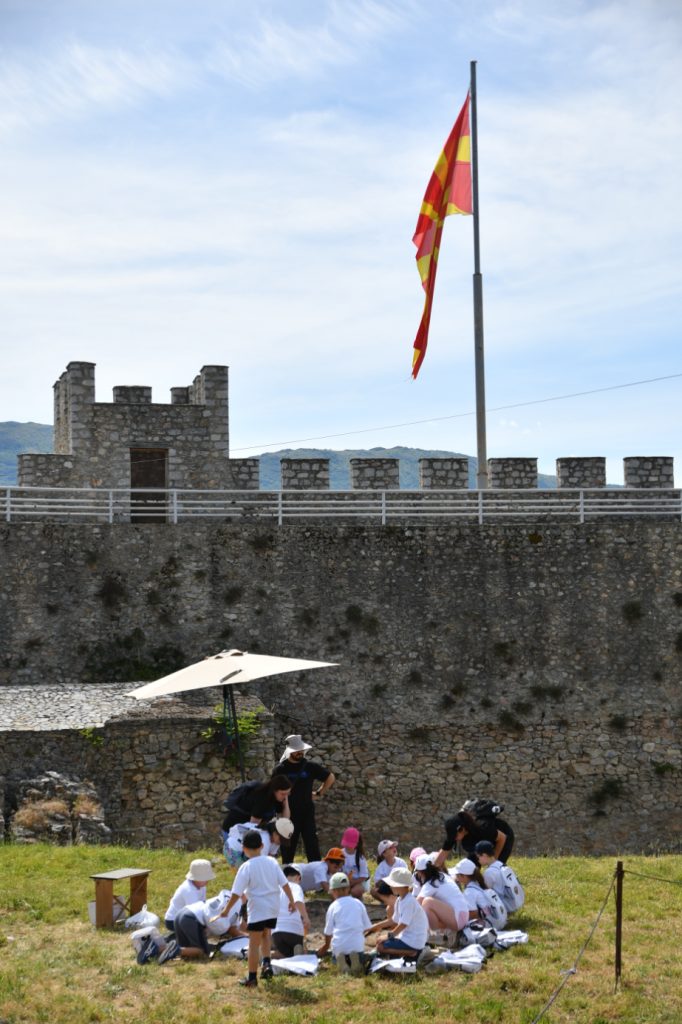
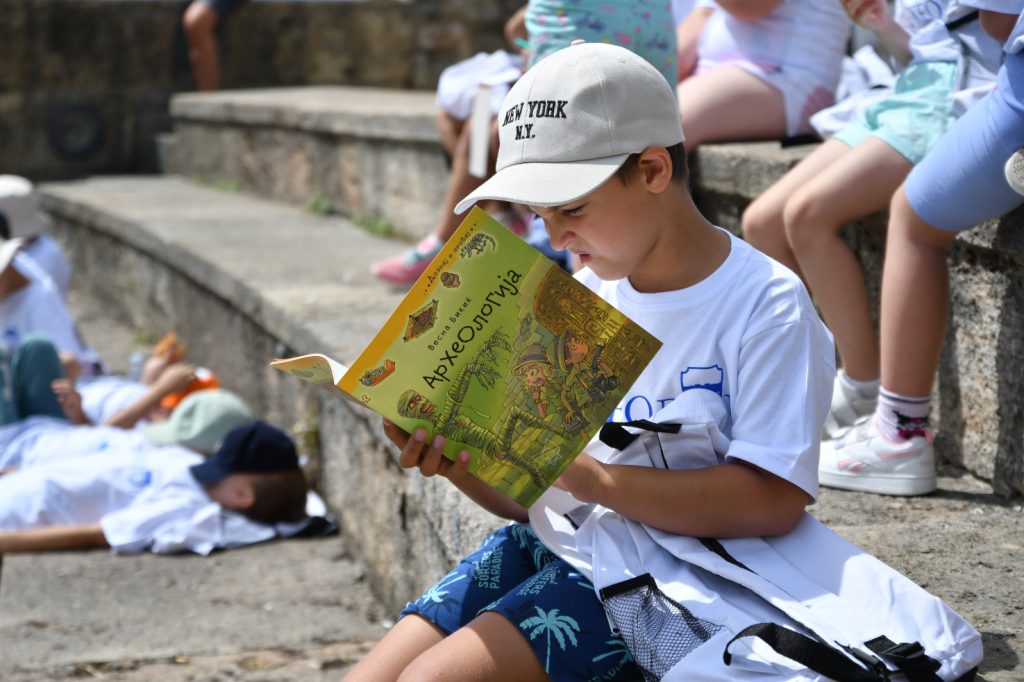
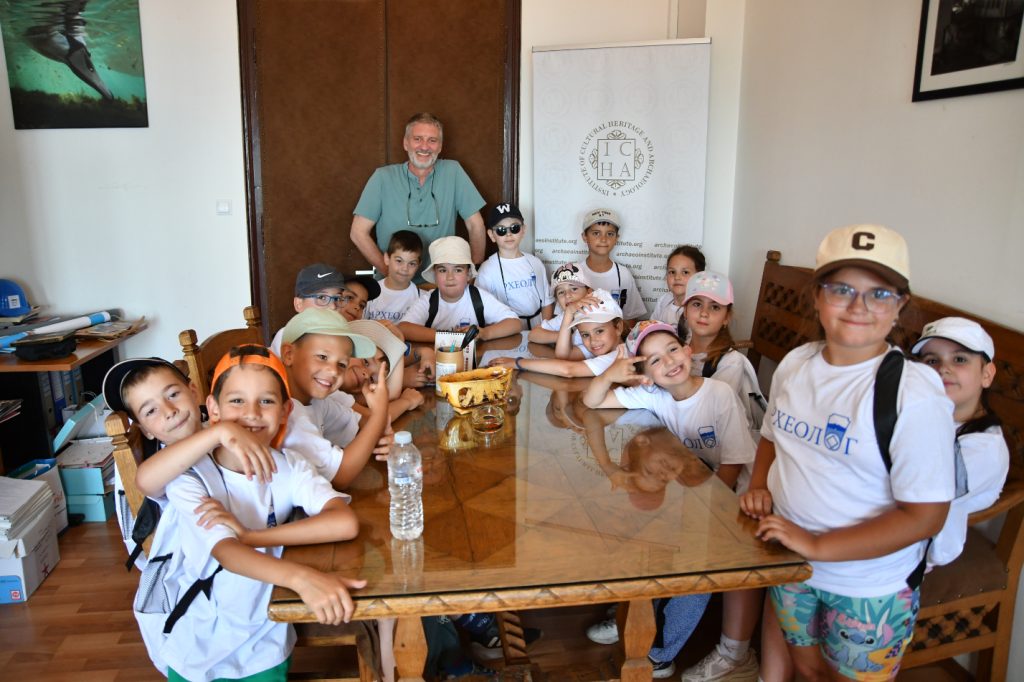
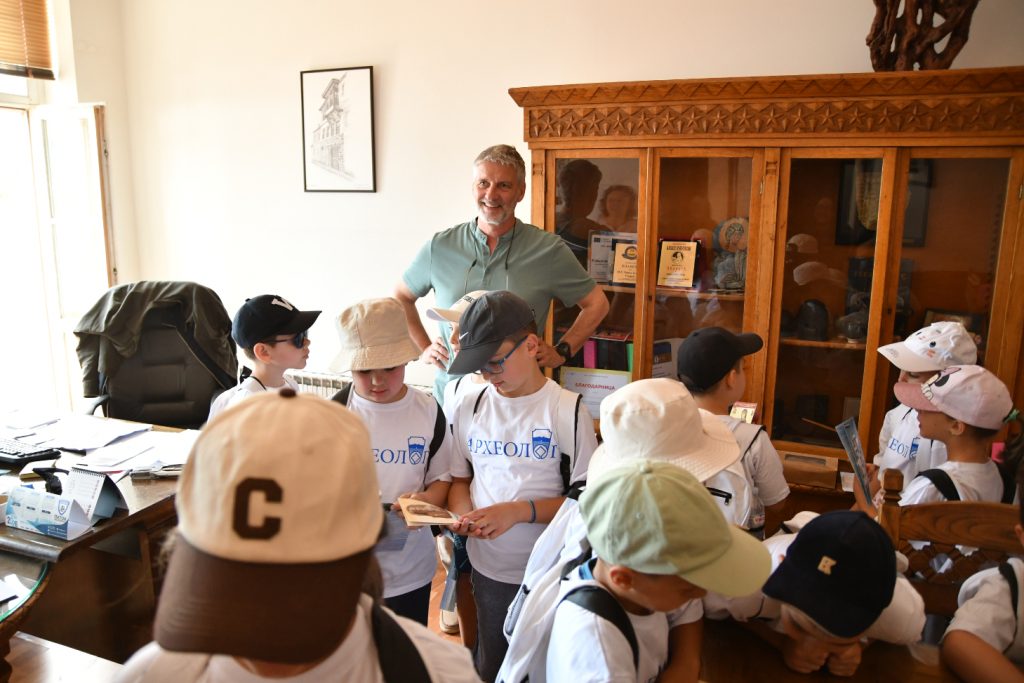
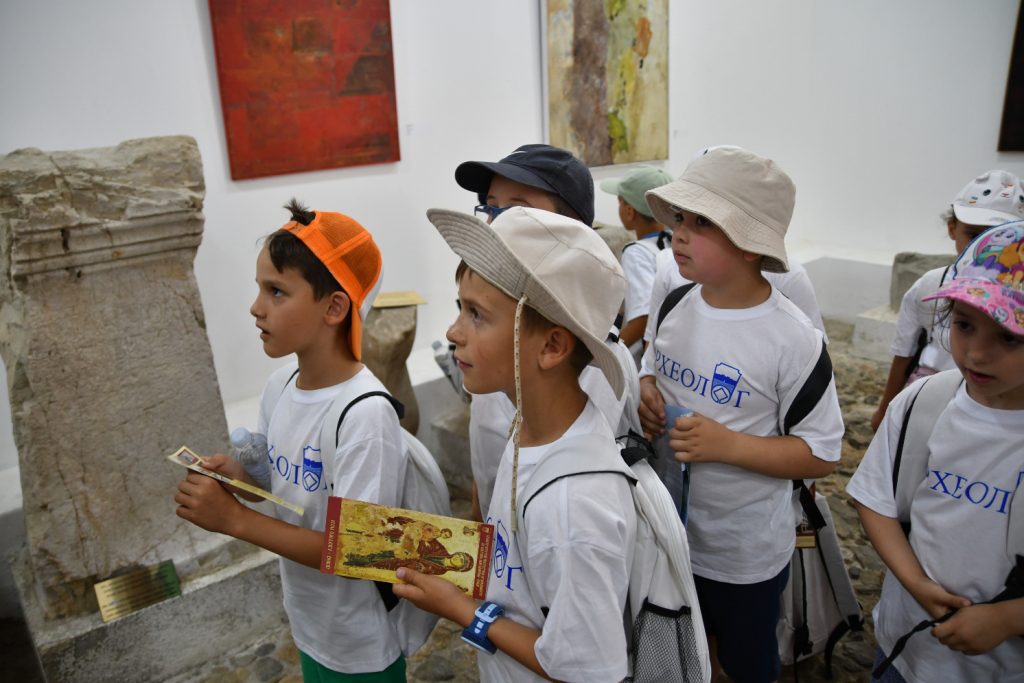
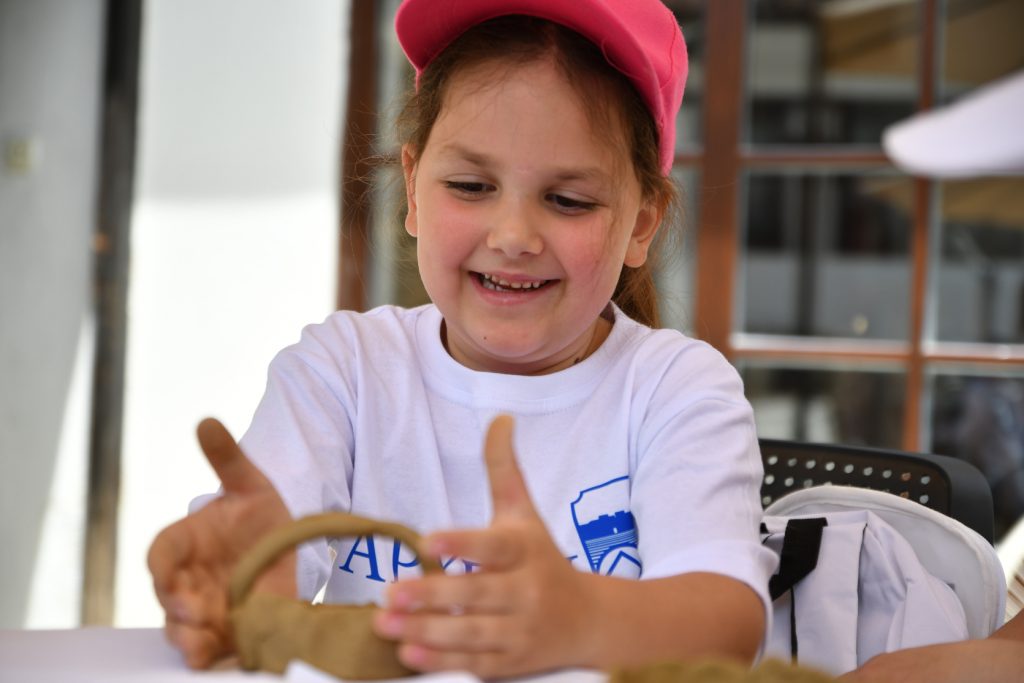
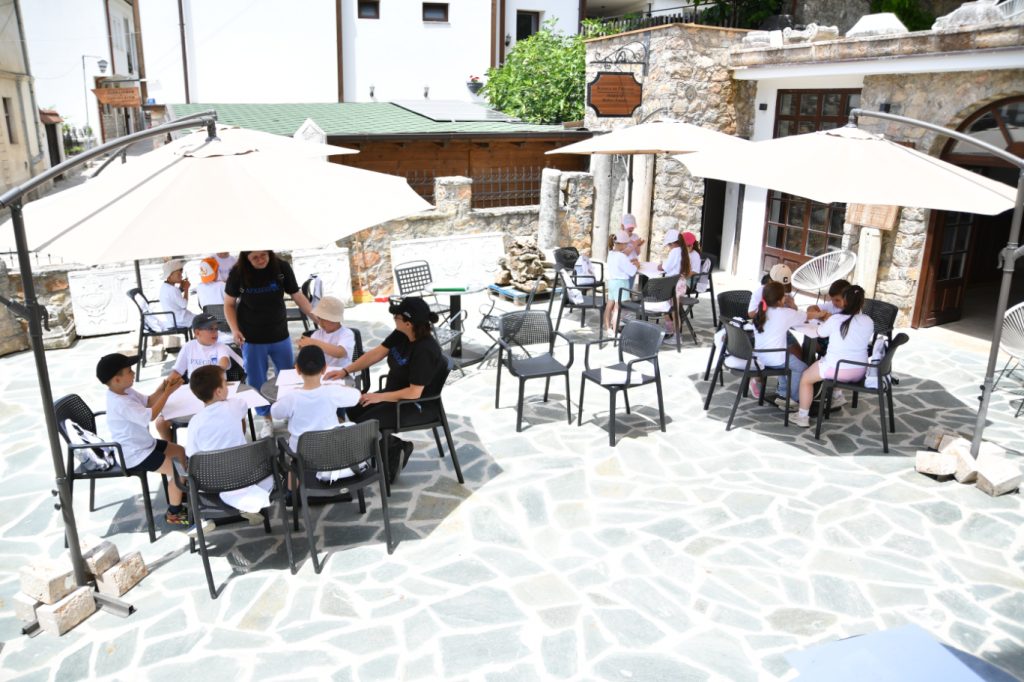
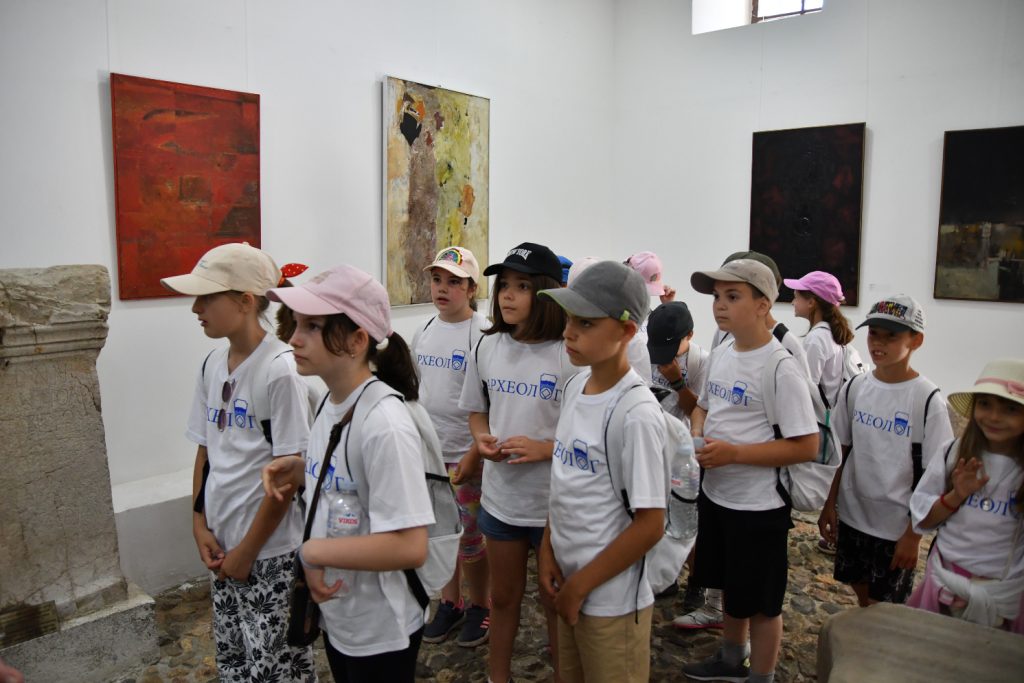
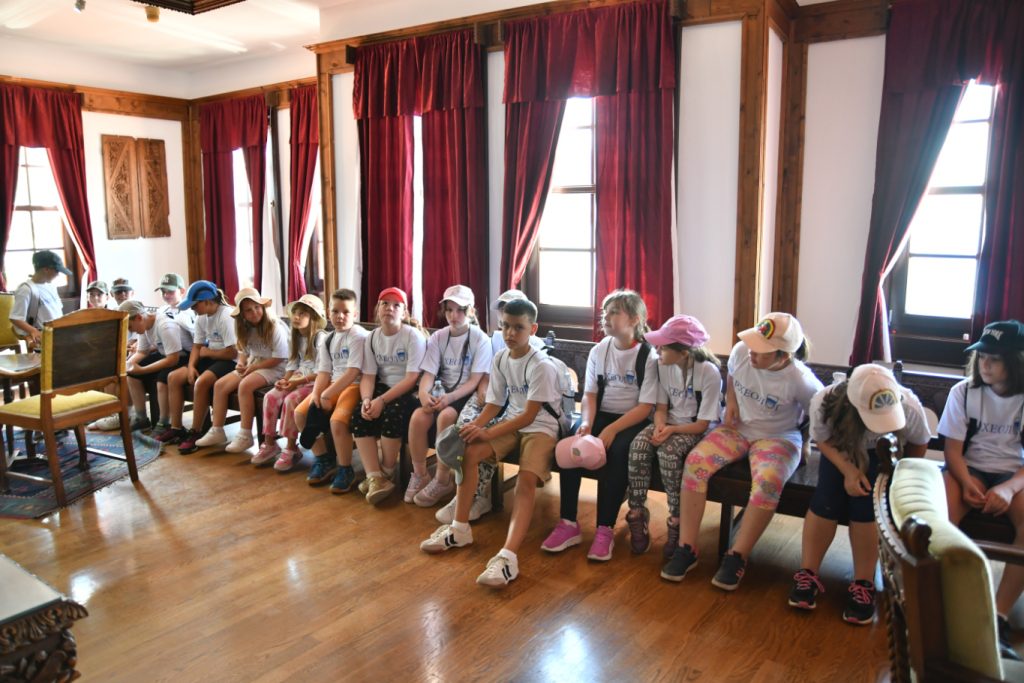
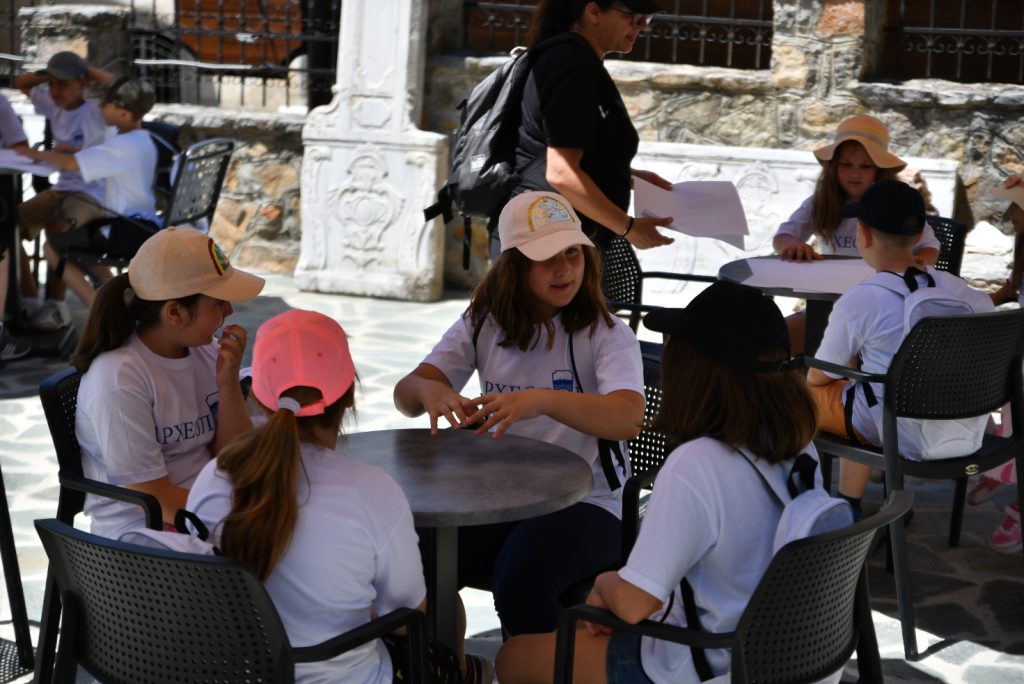
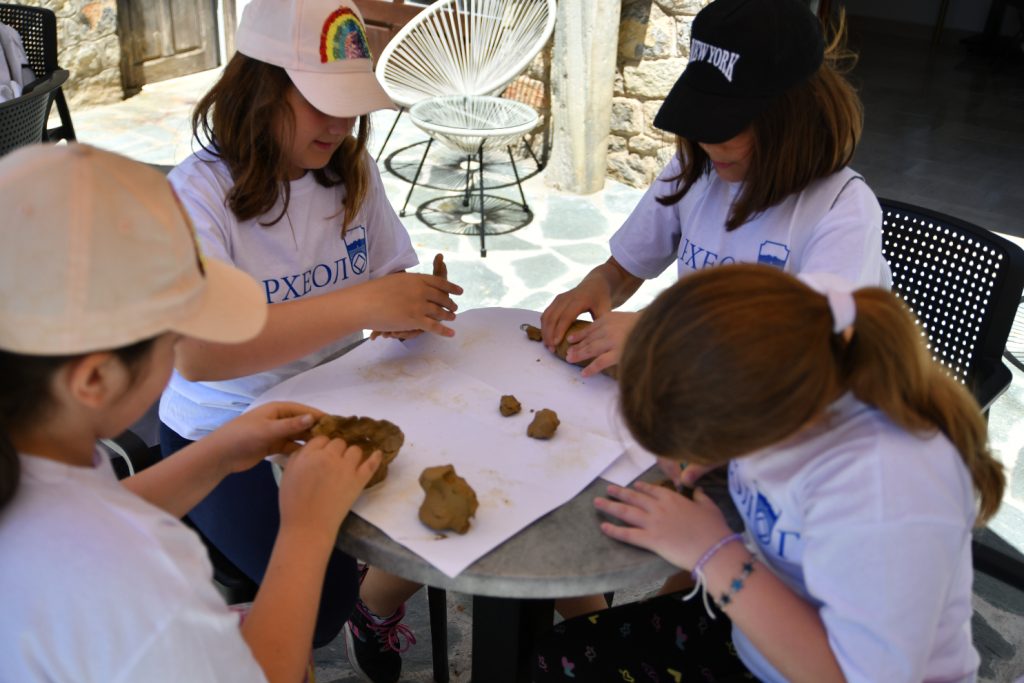
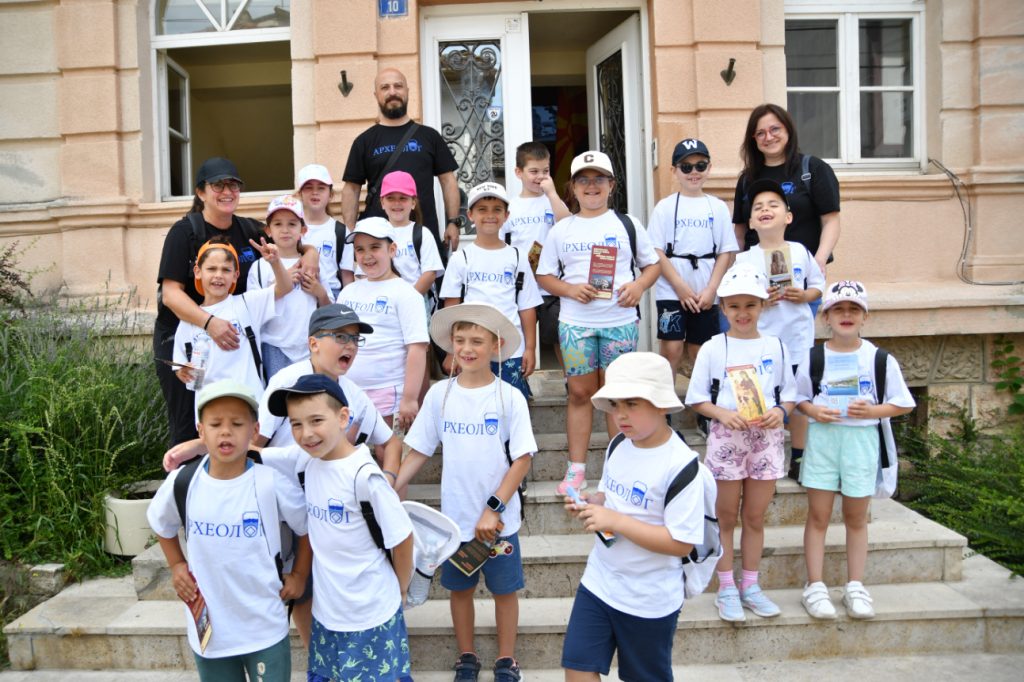
Meet the Future Archaeologists!

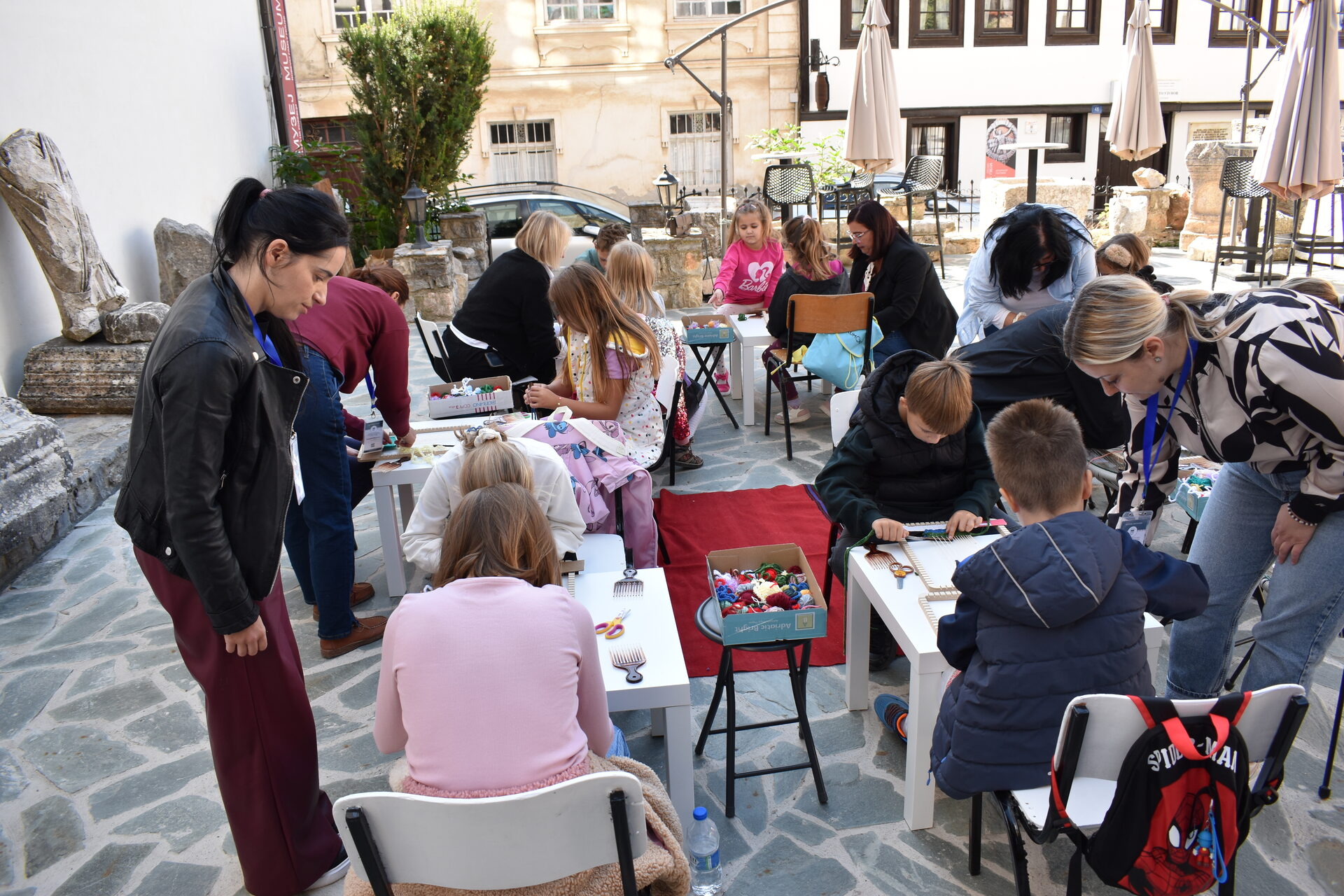
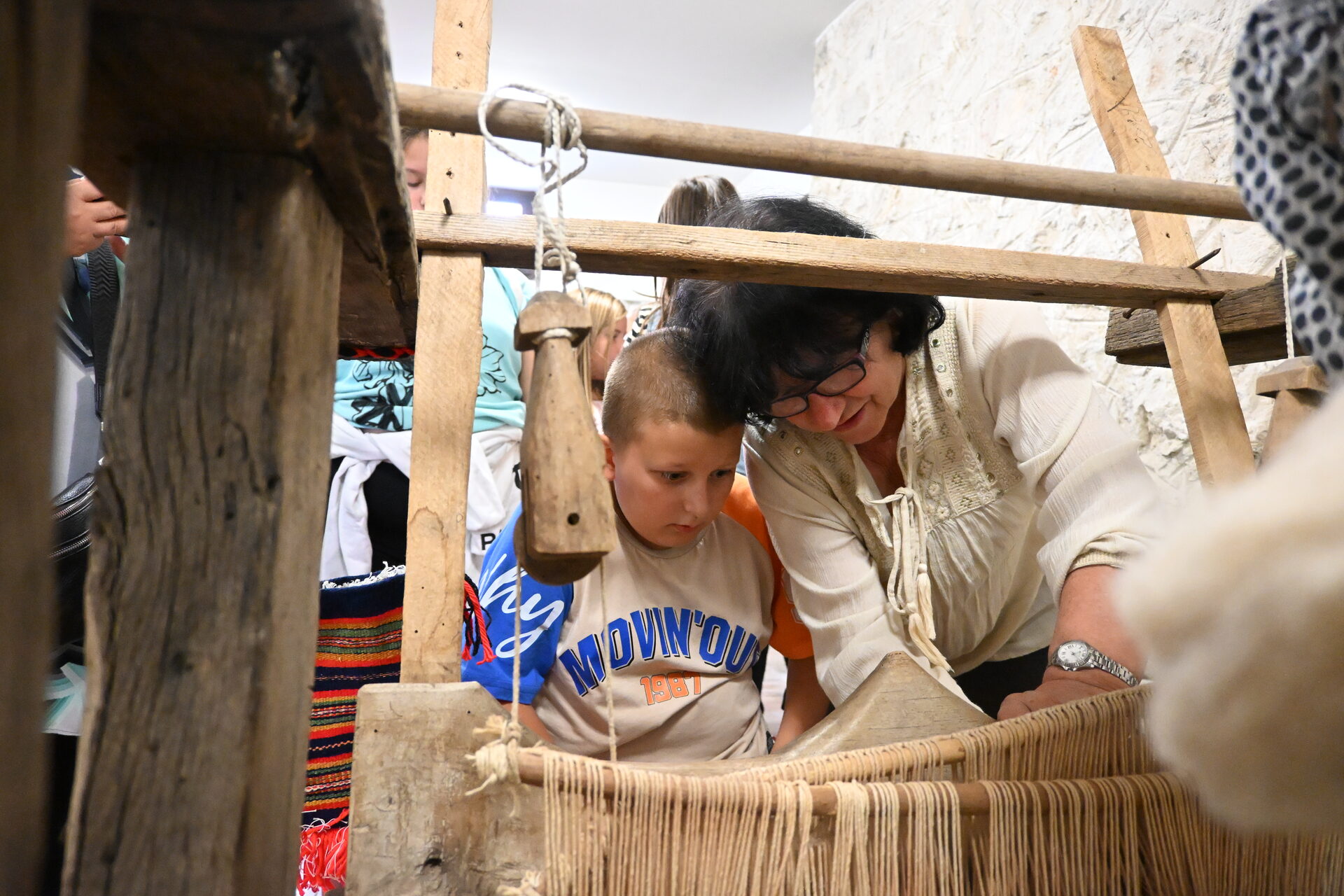
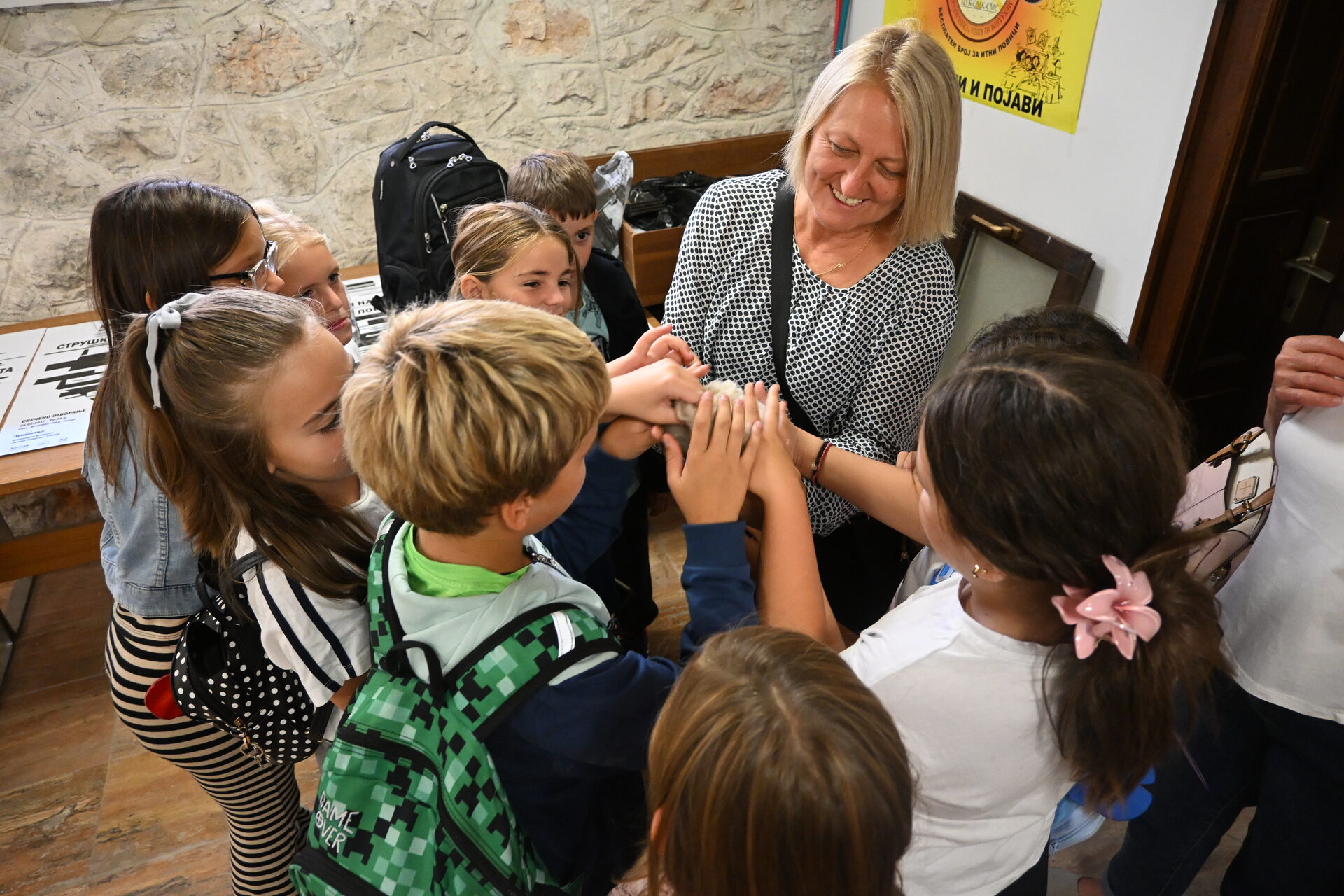
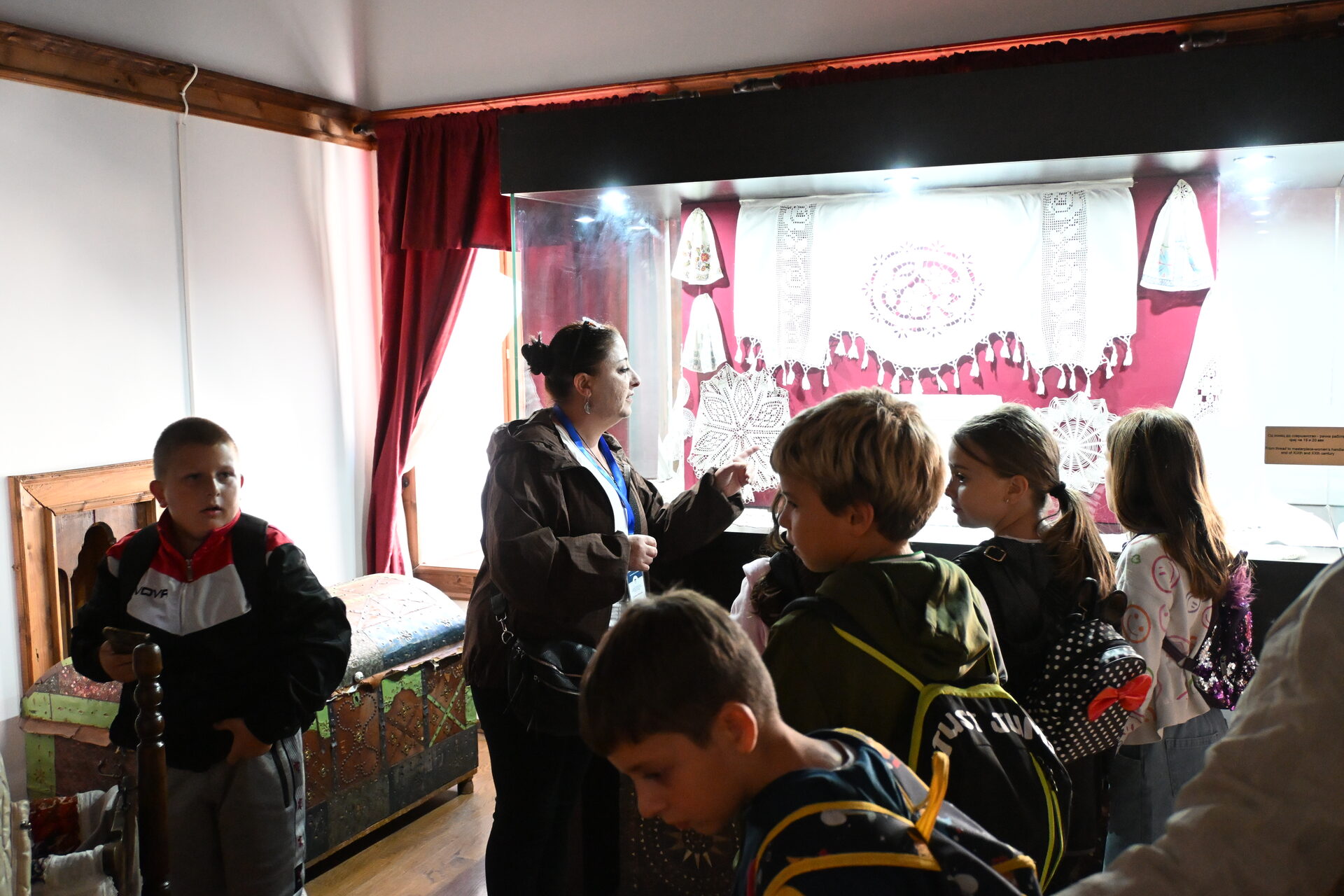
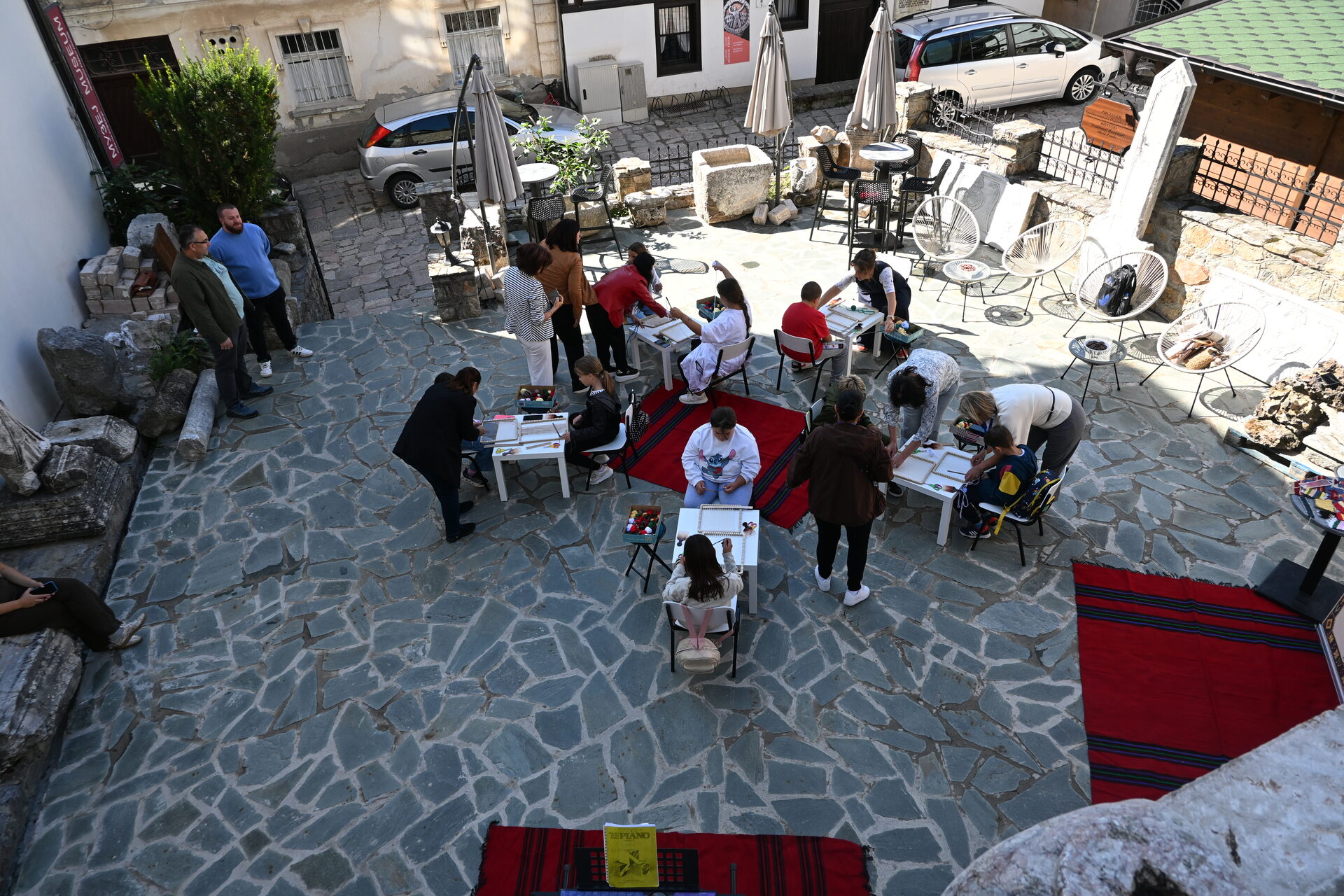
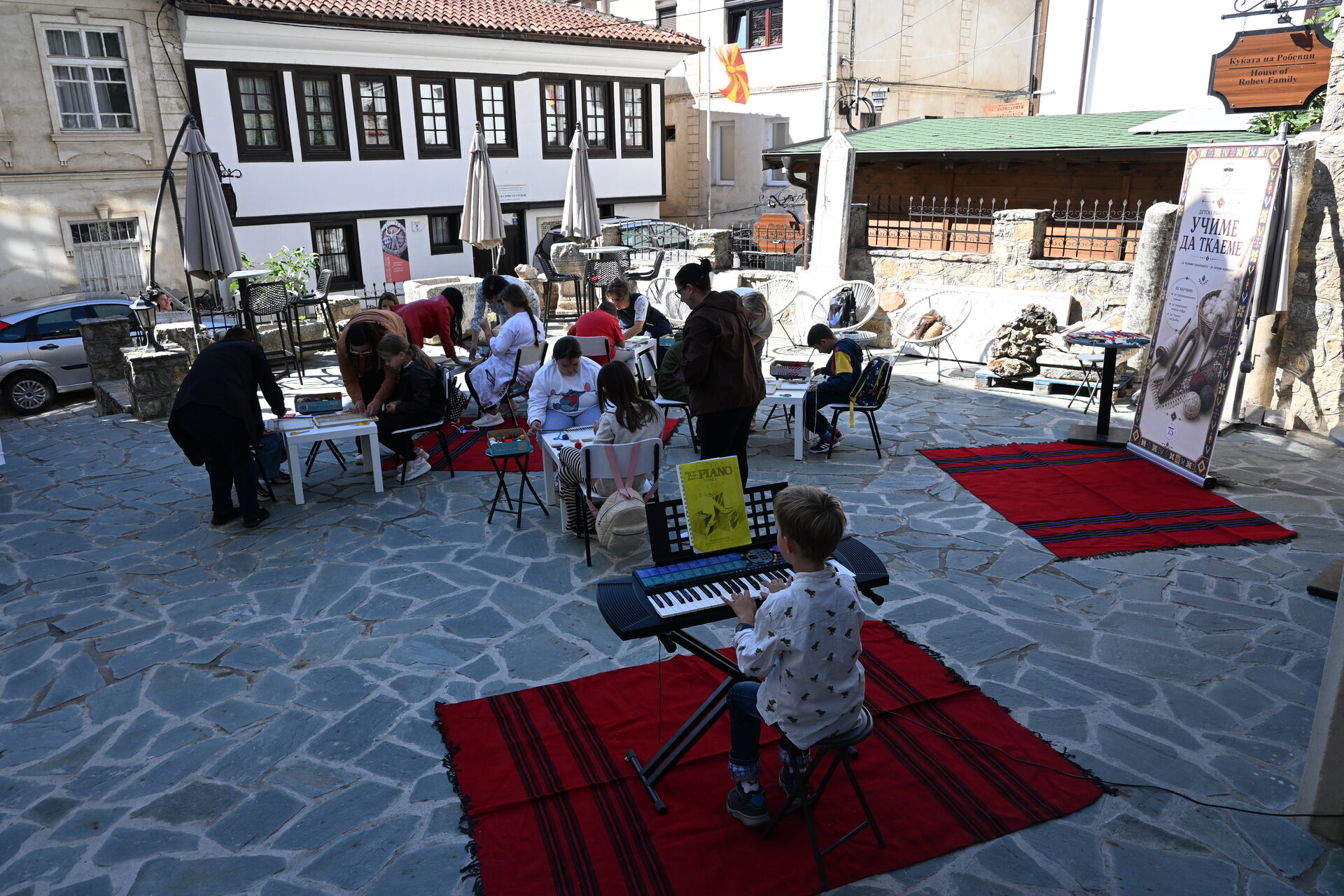
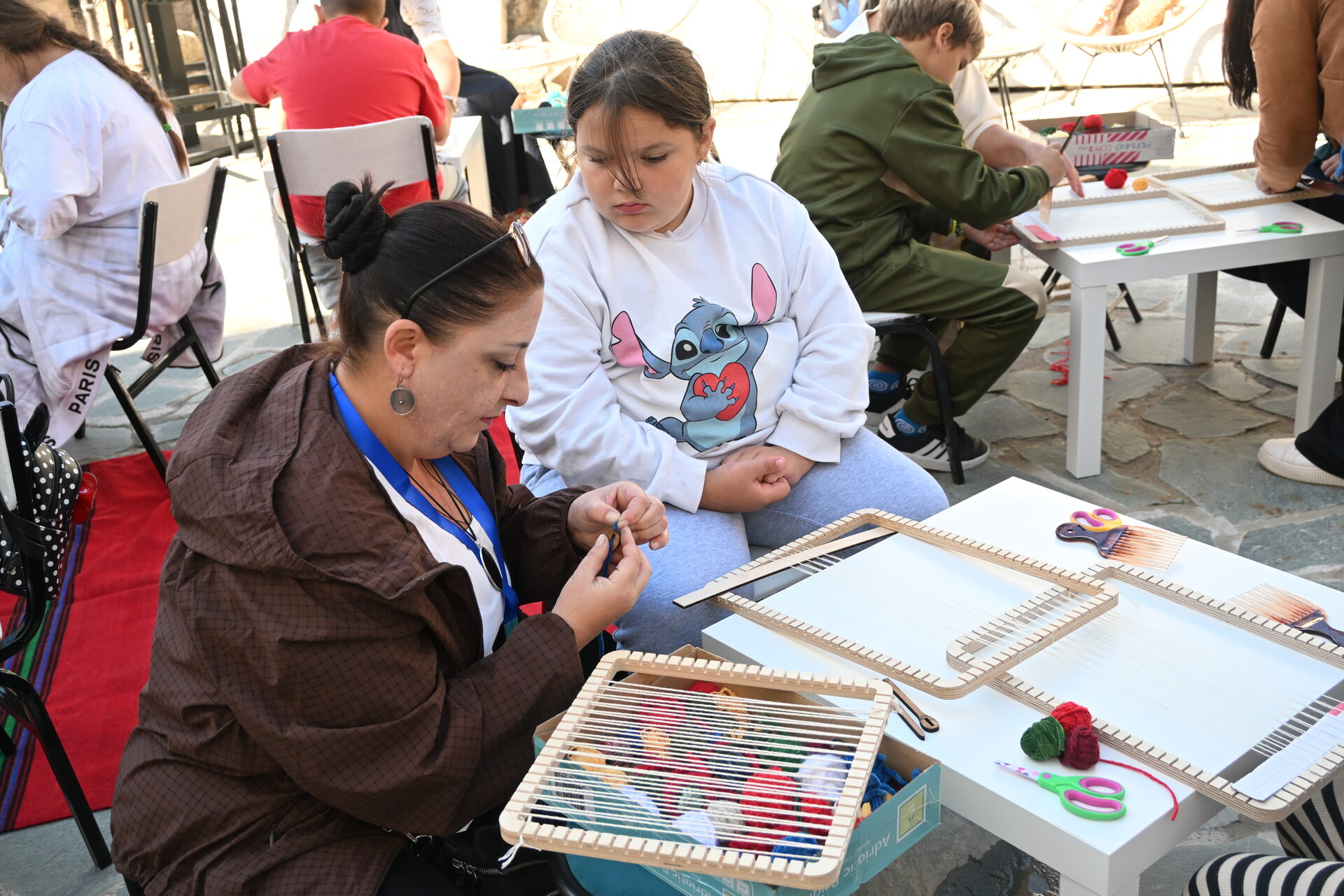
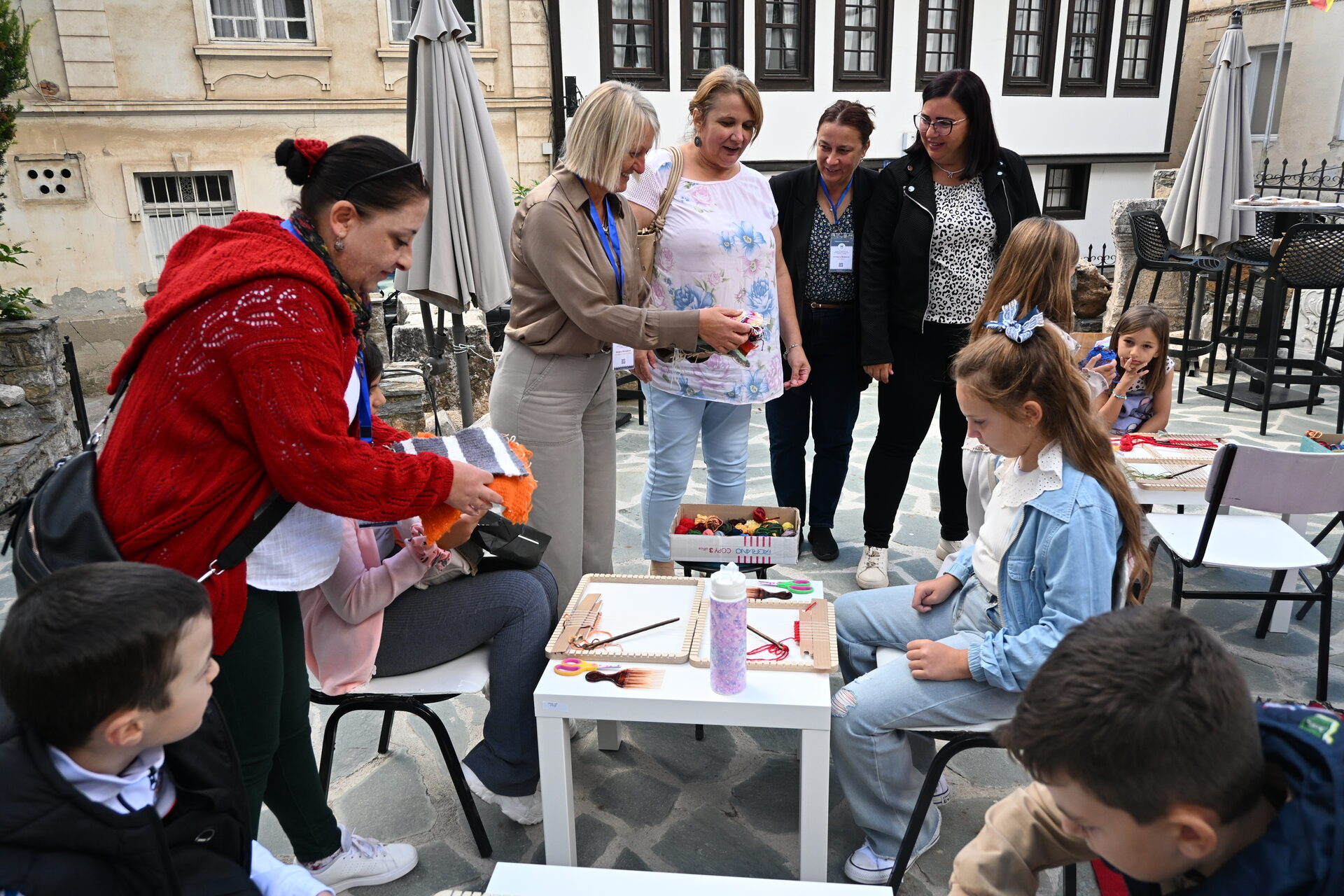
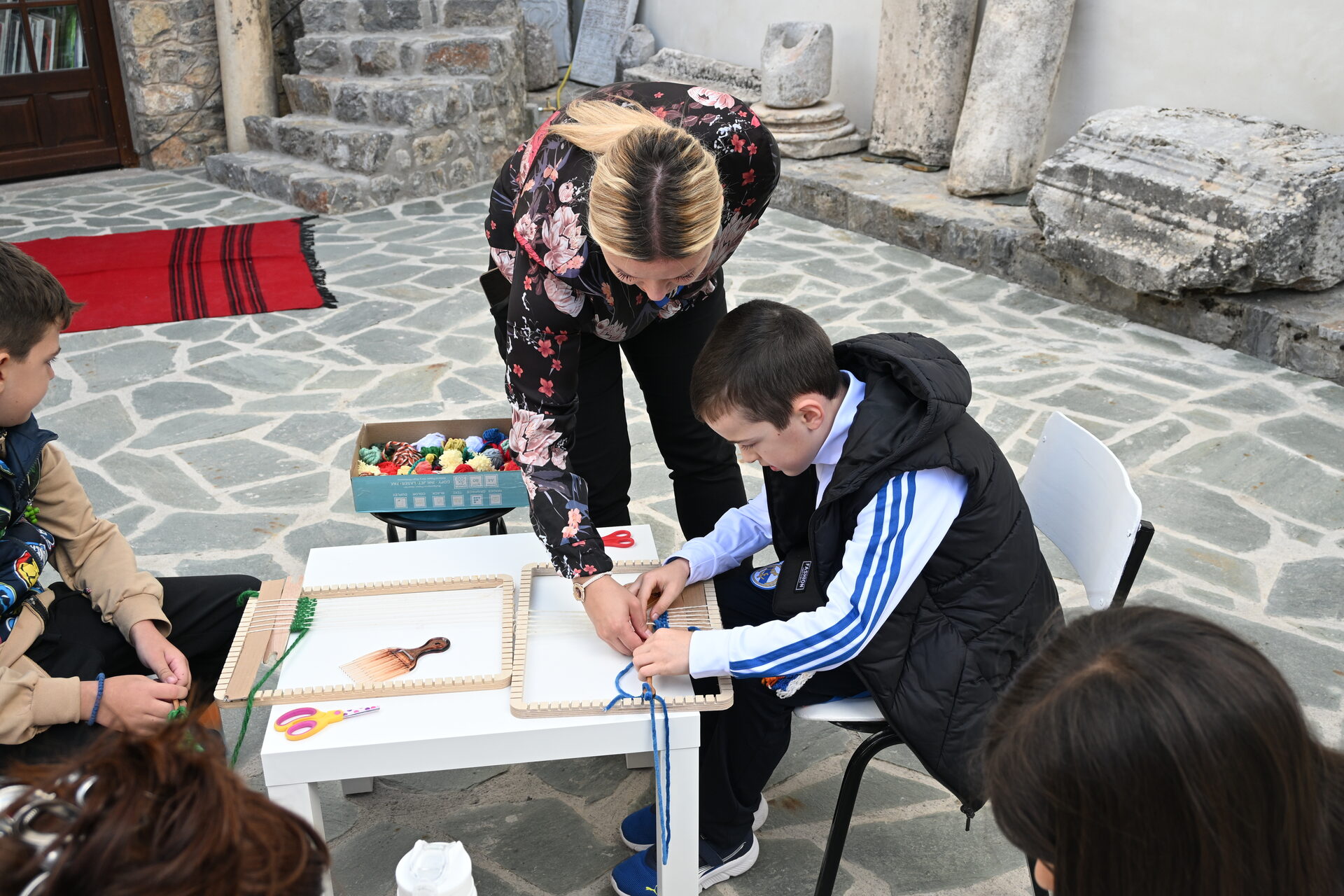
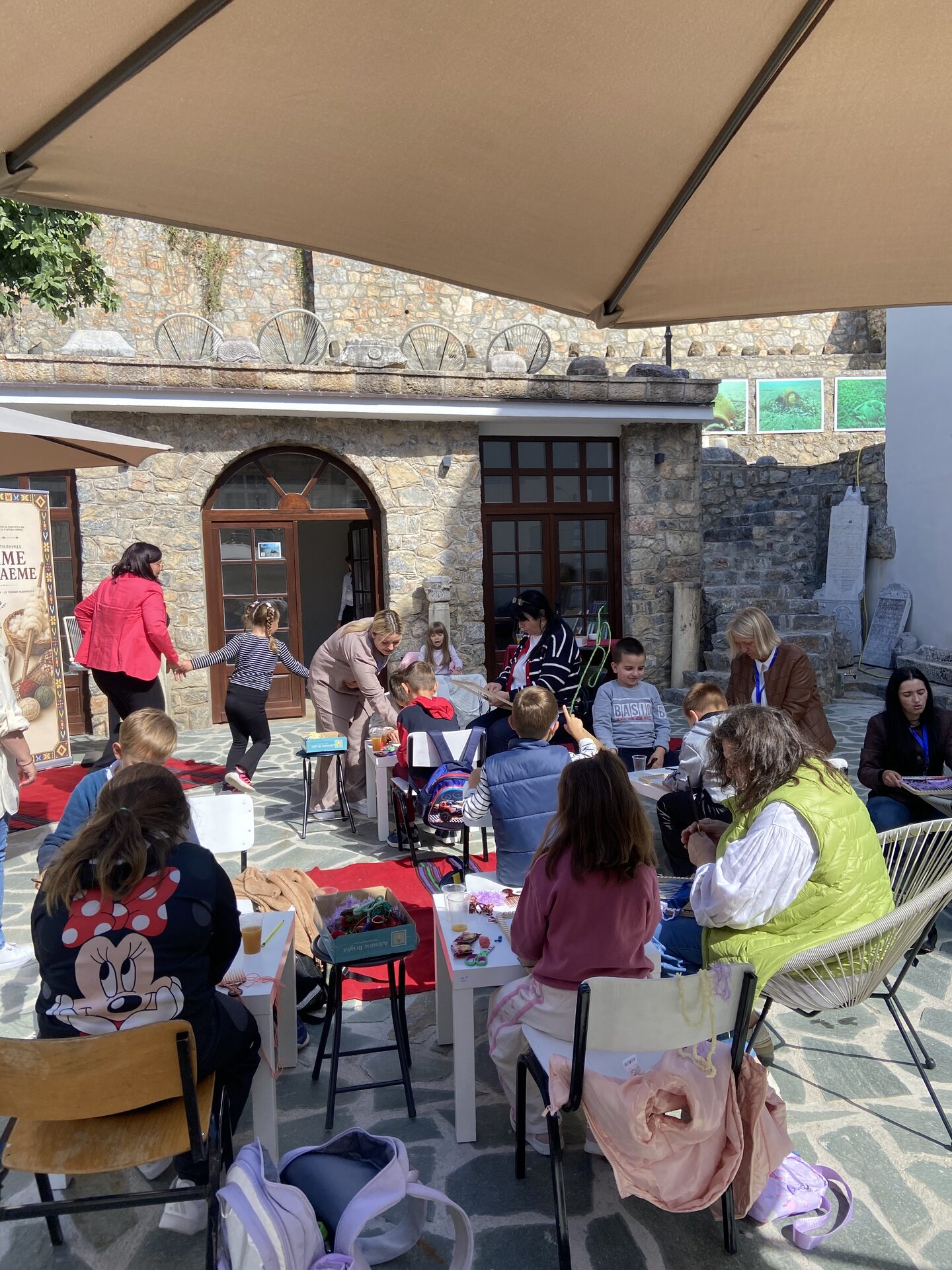
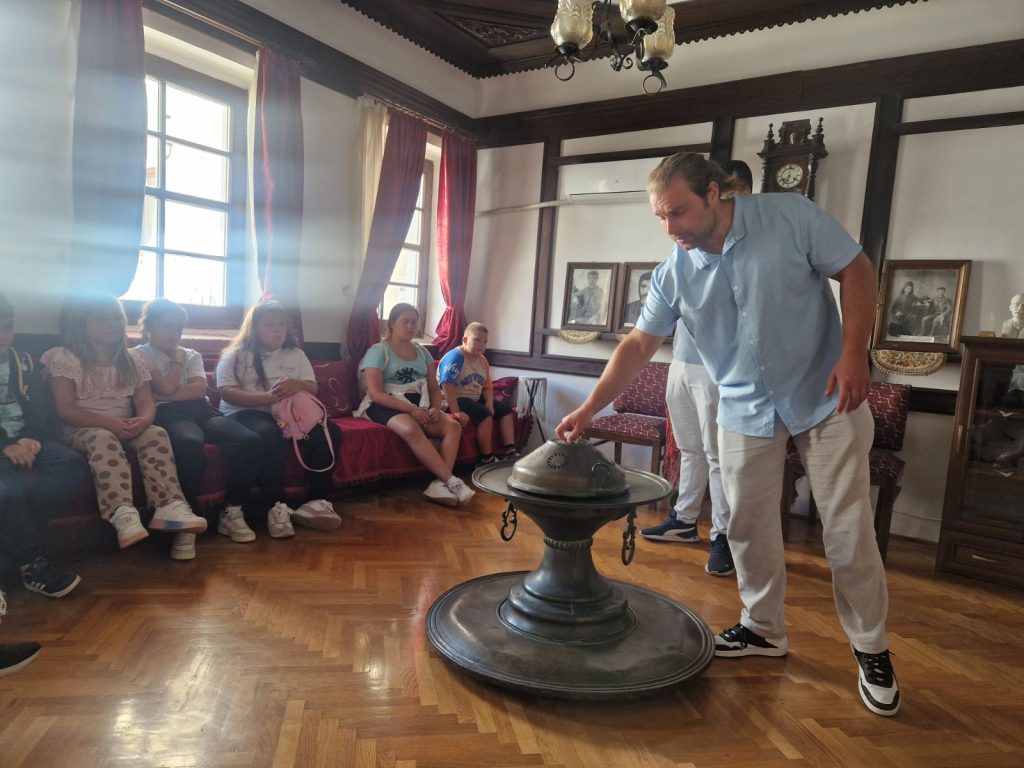
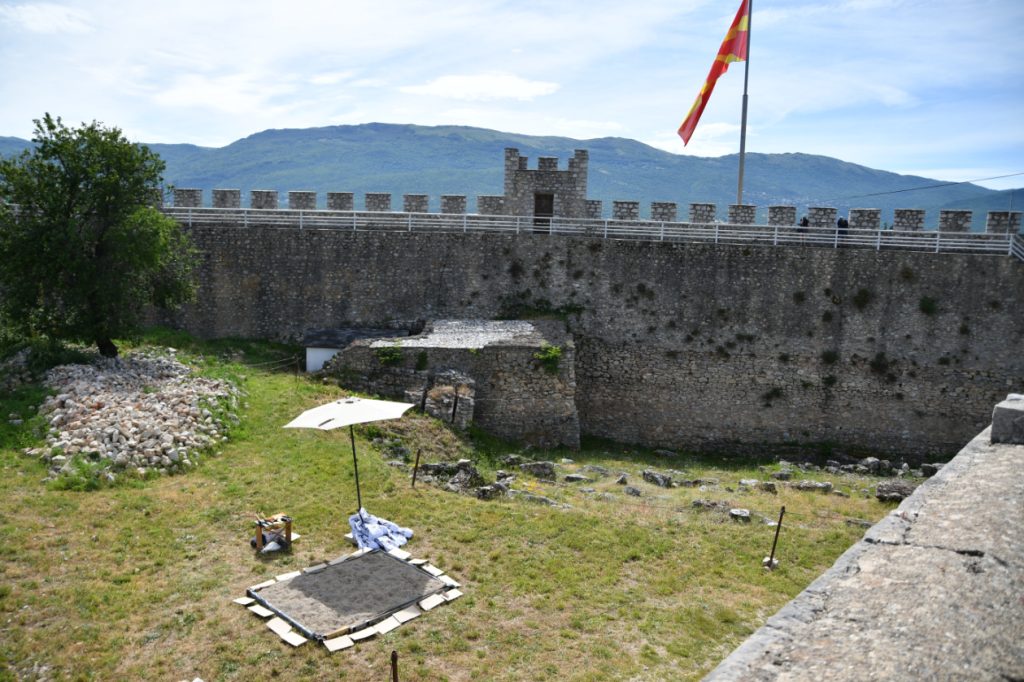
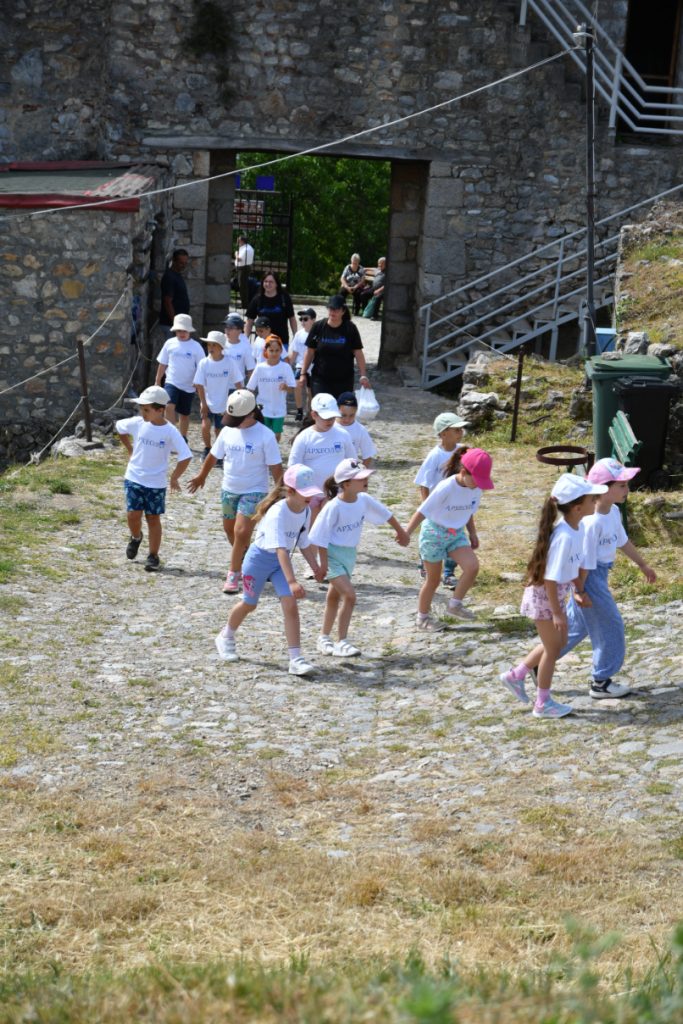
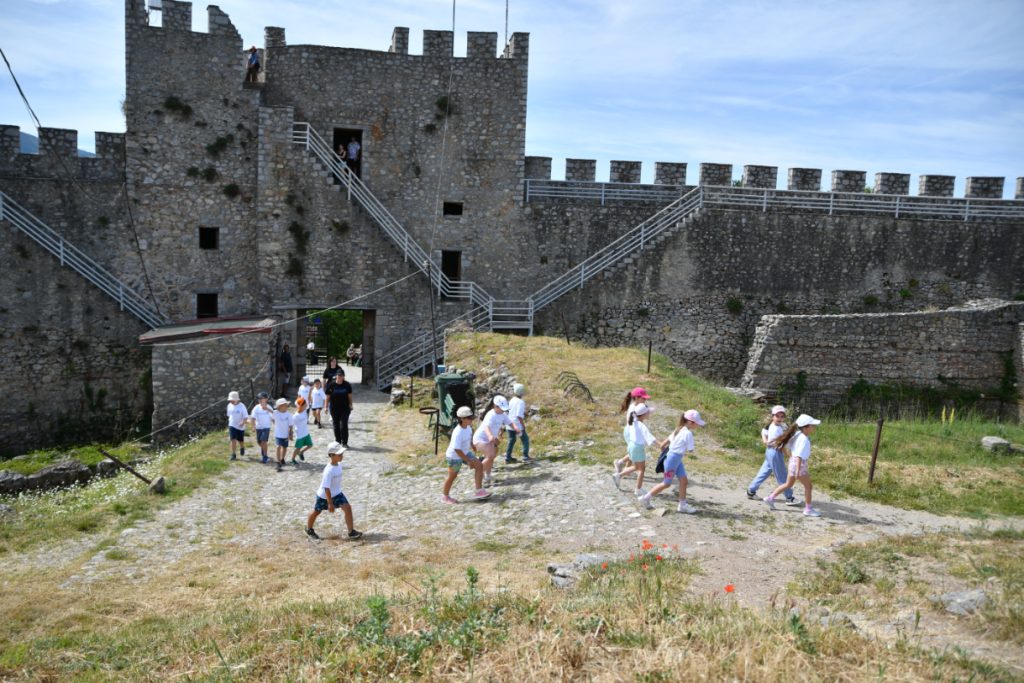
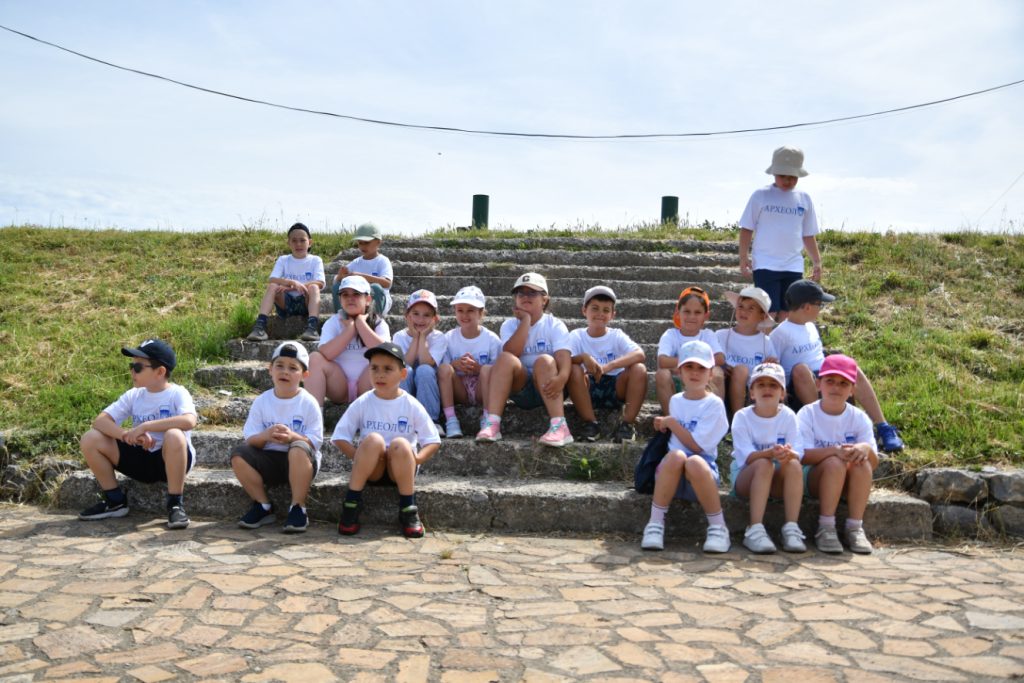
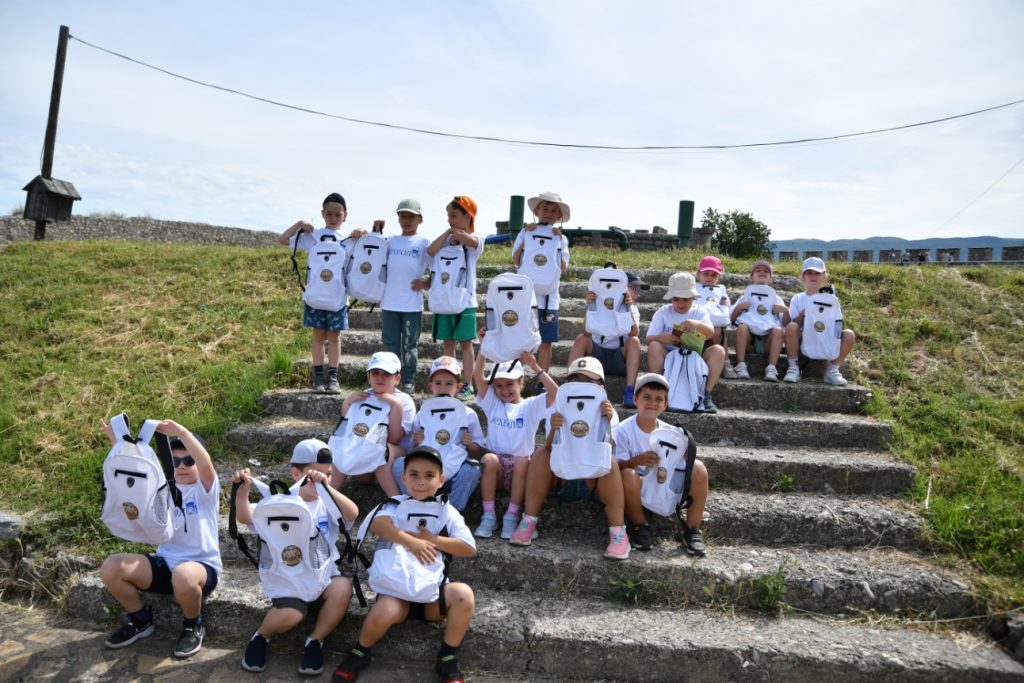
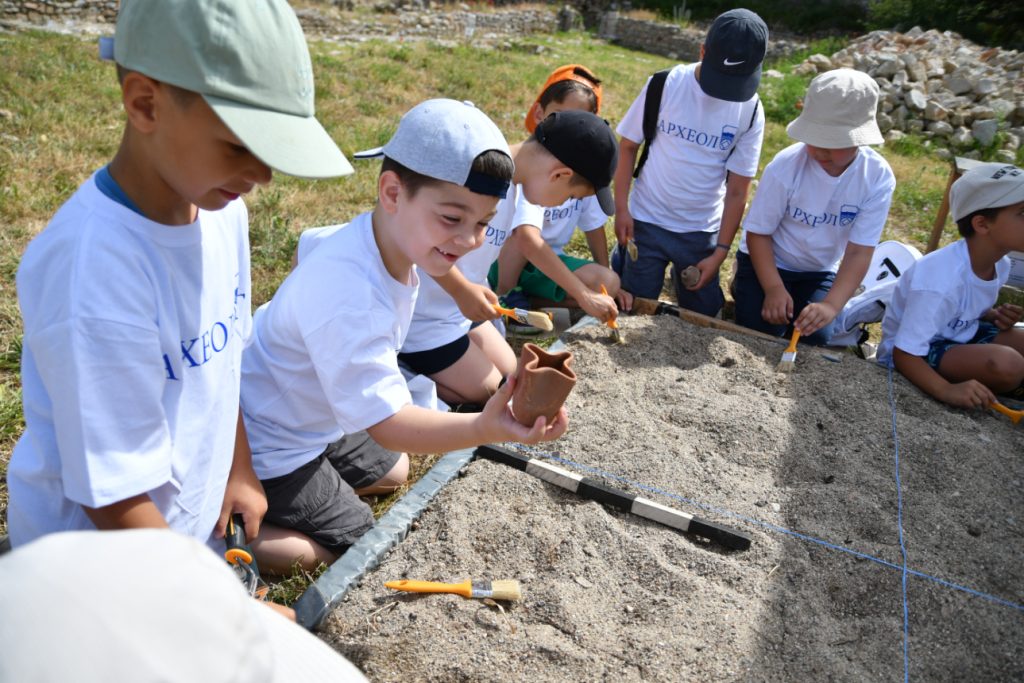
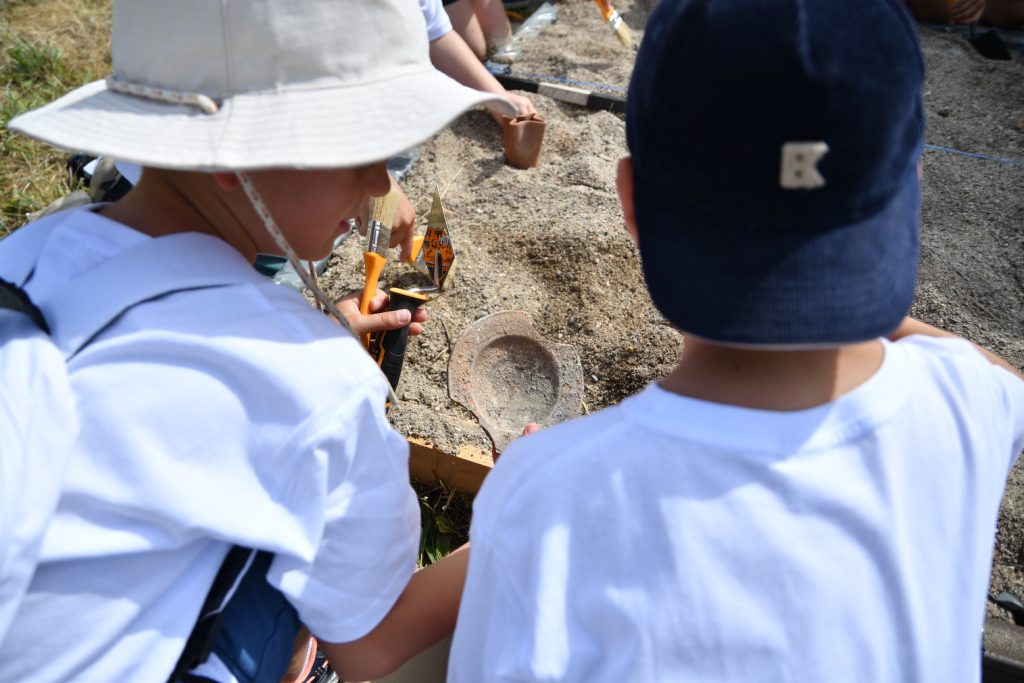
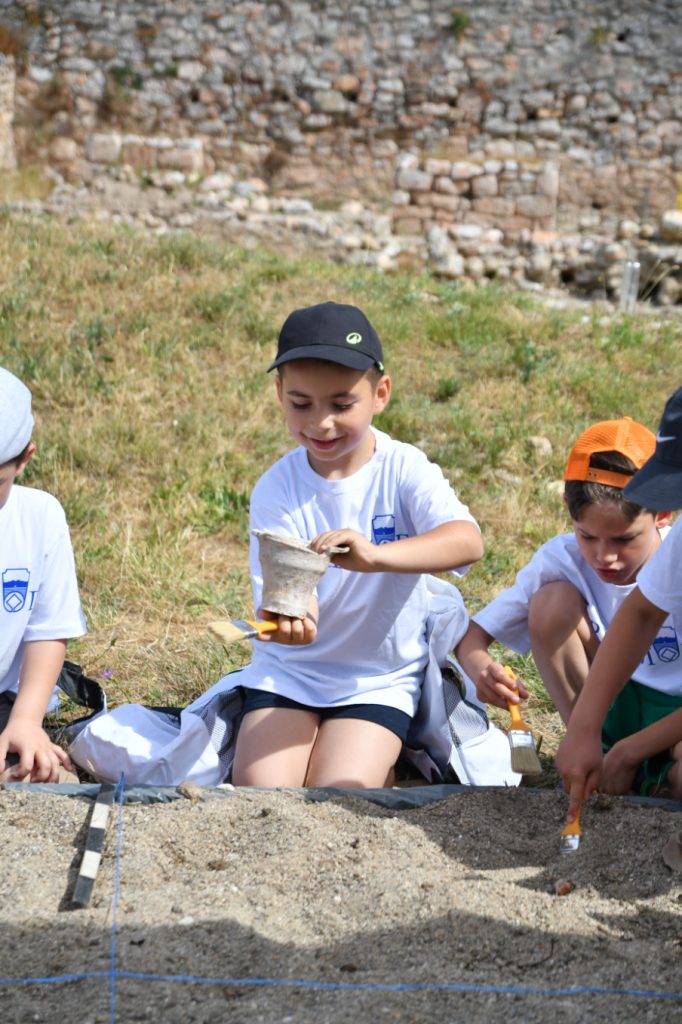
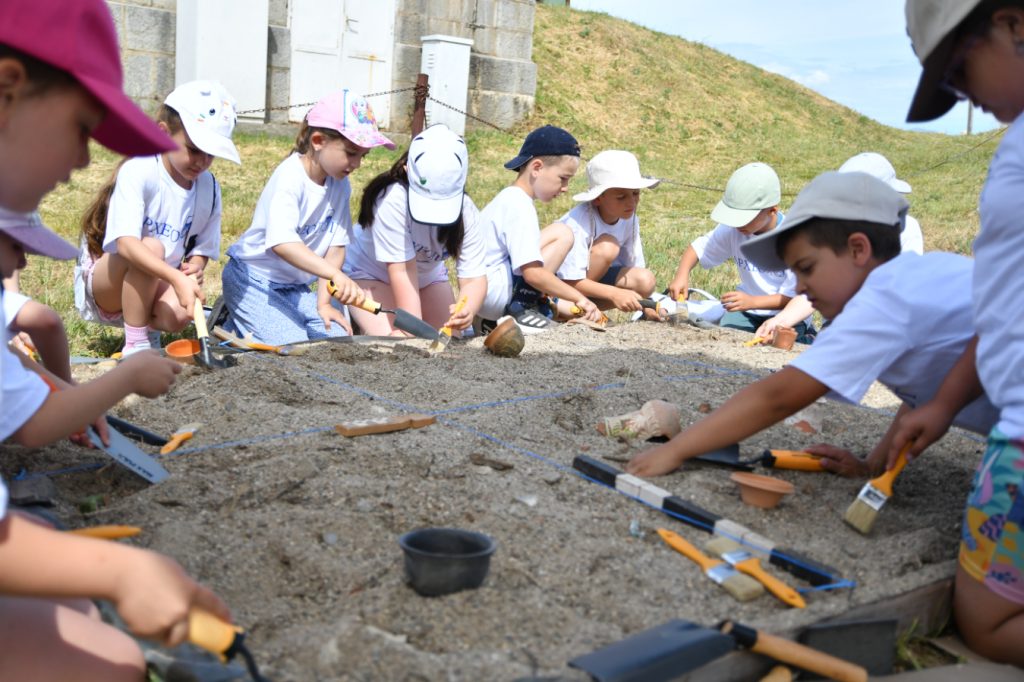
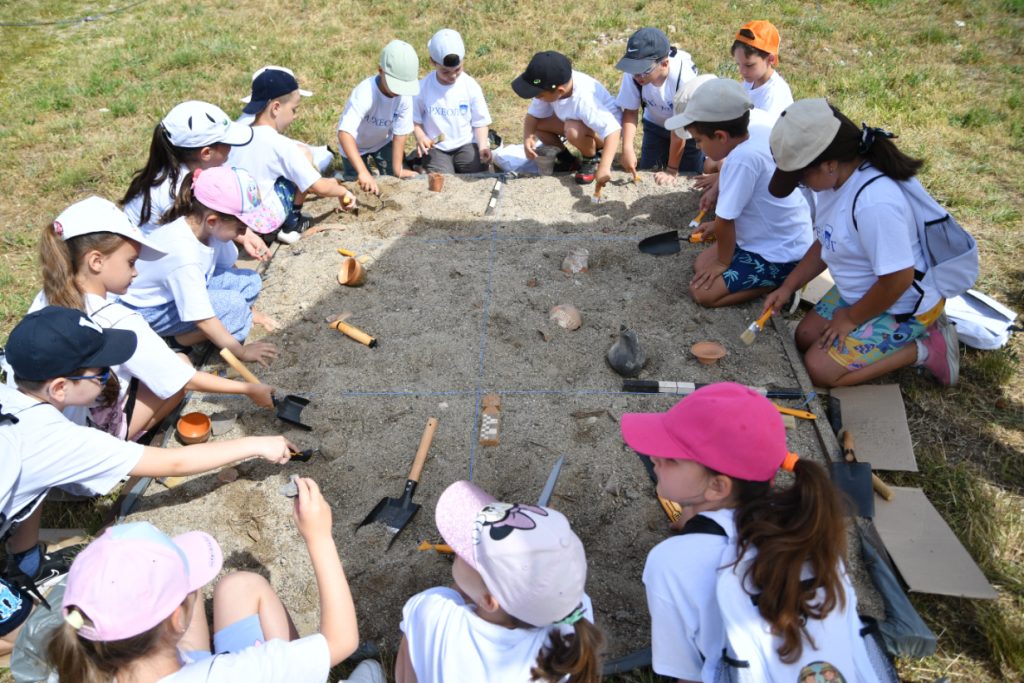
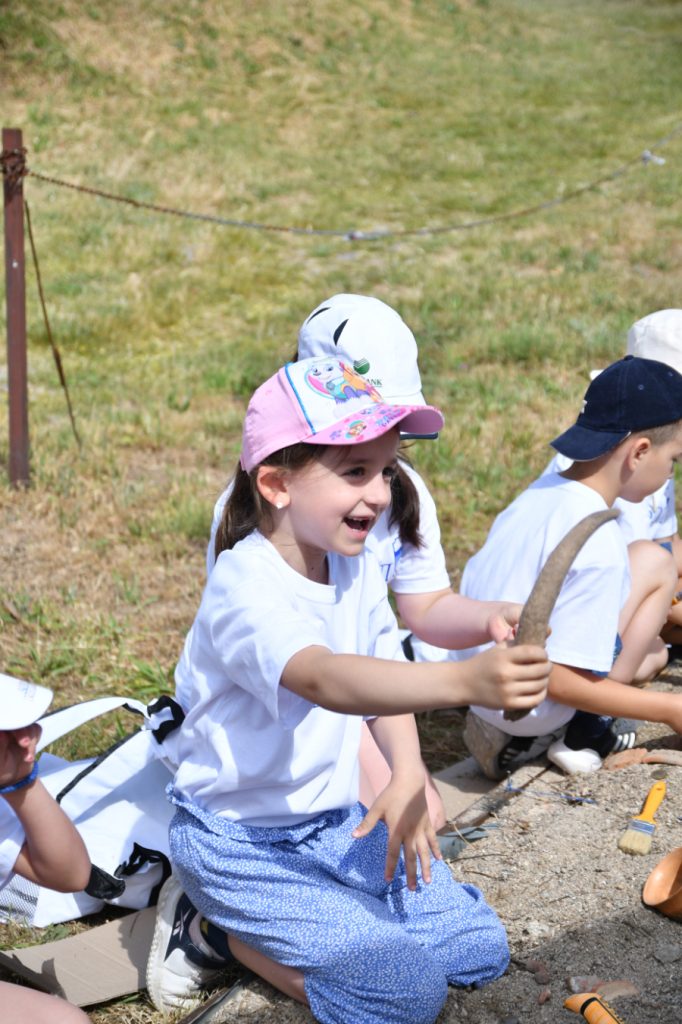
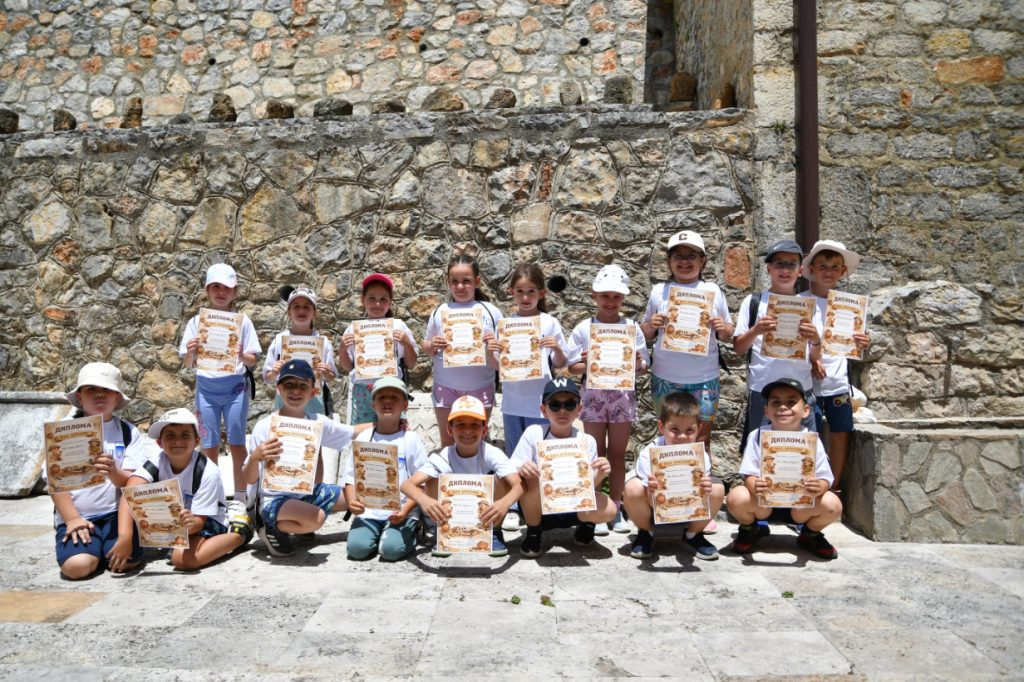
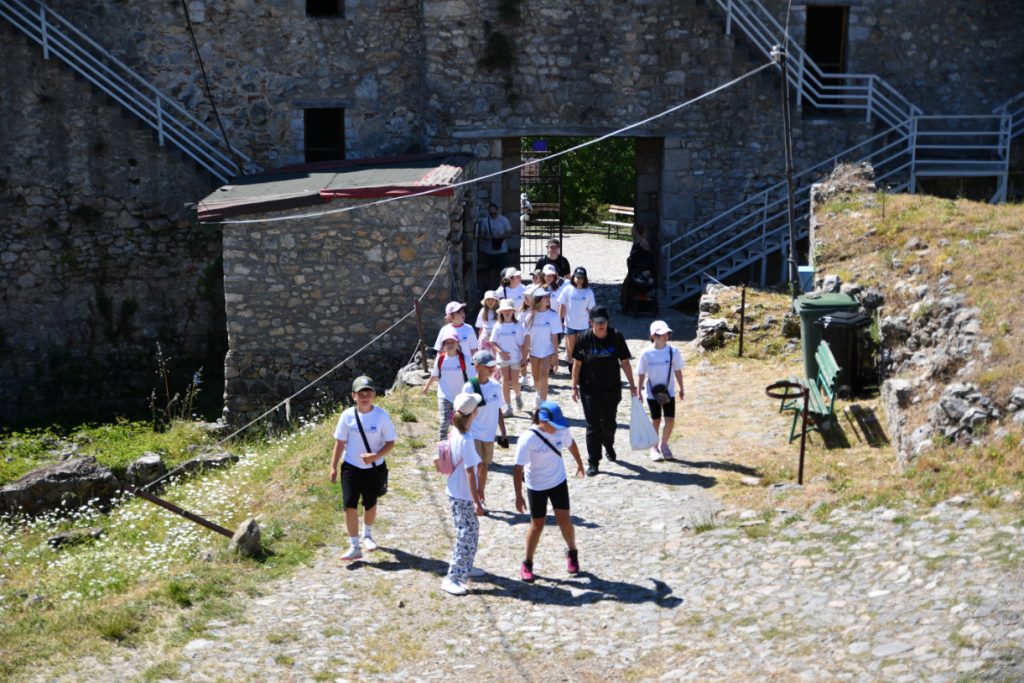
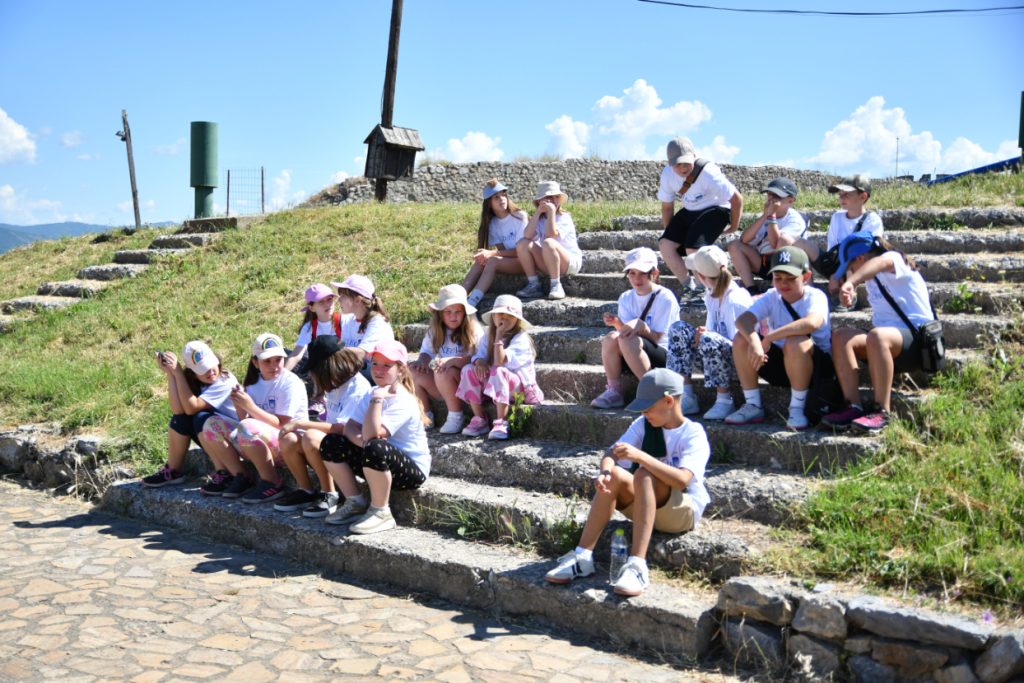
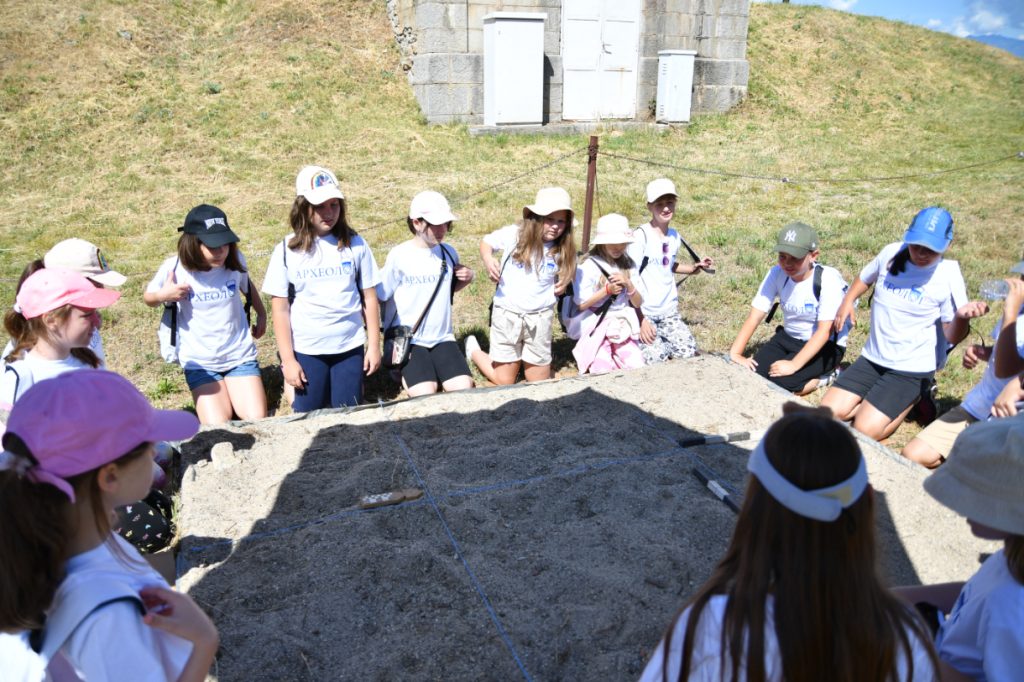
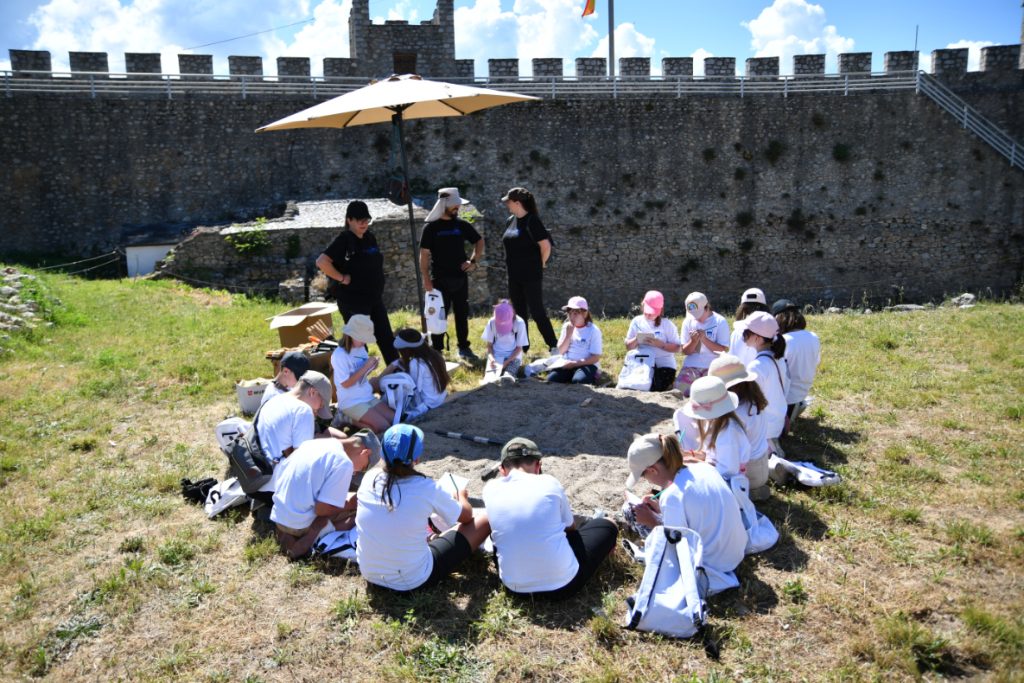
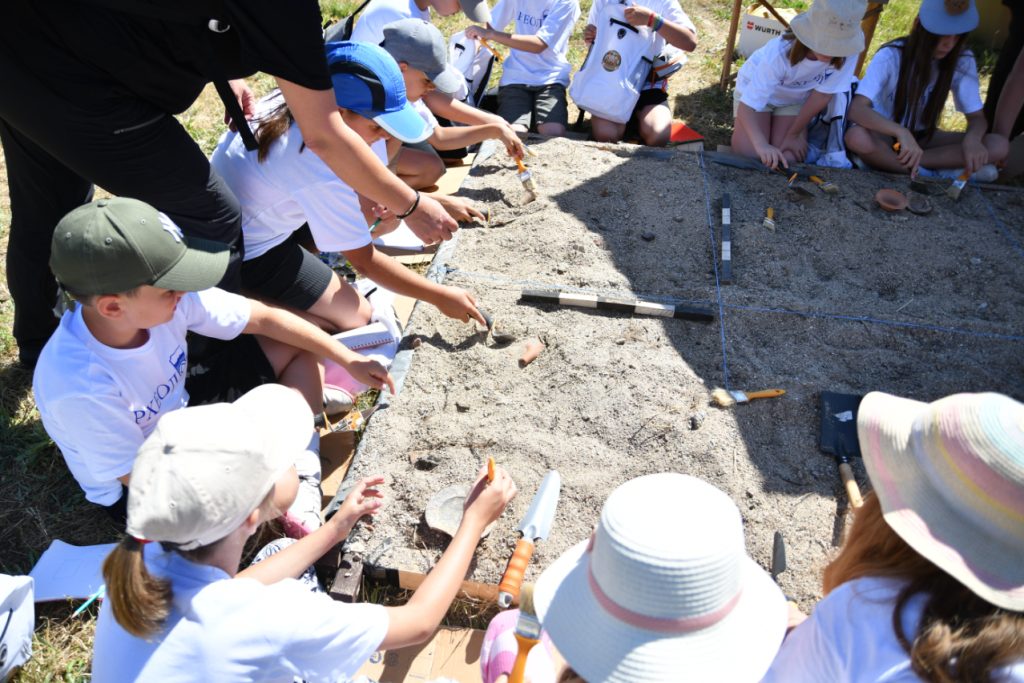
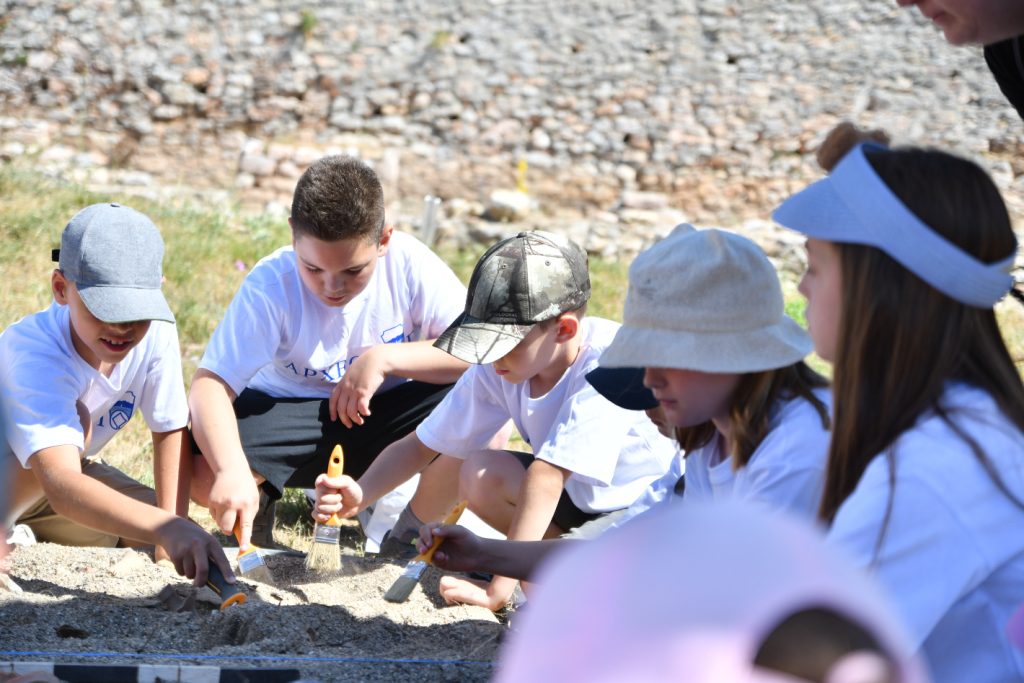
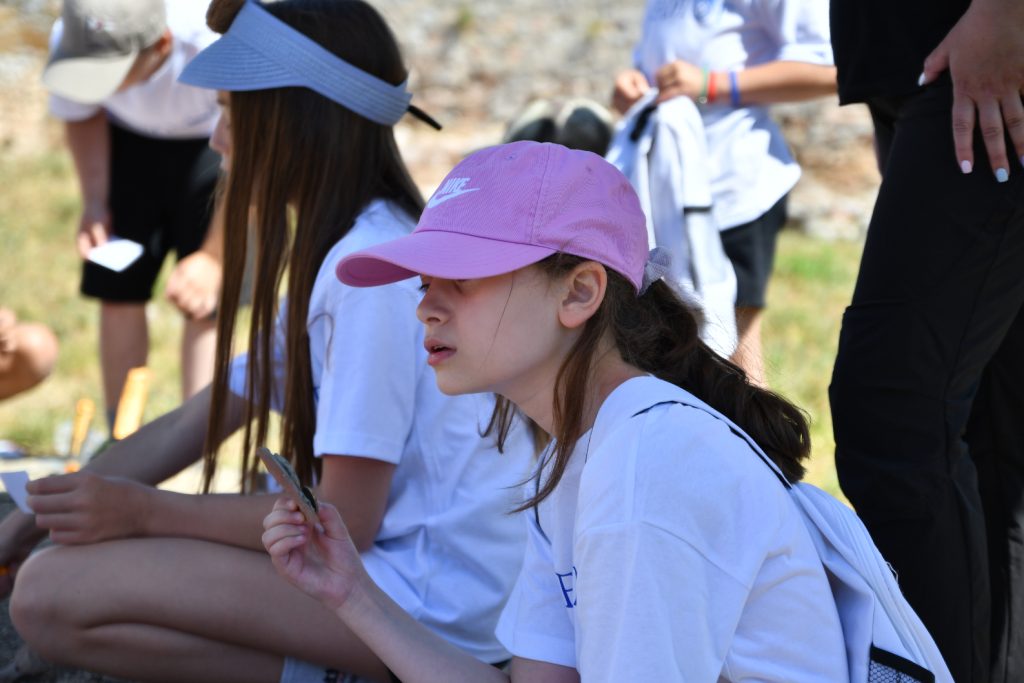
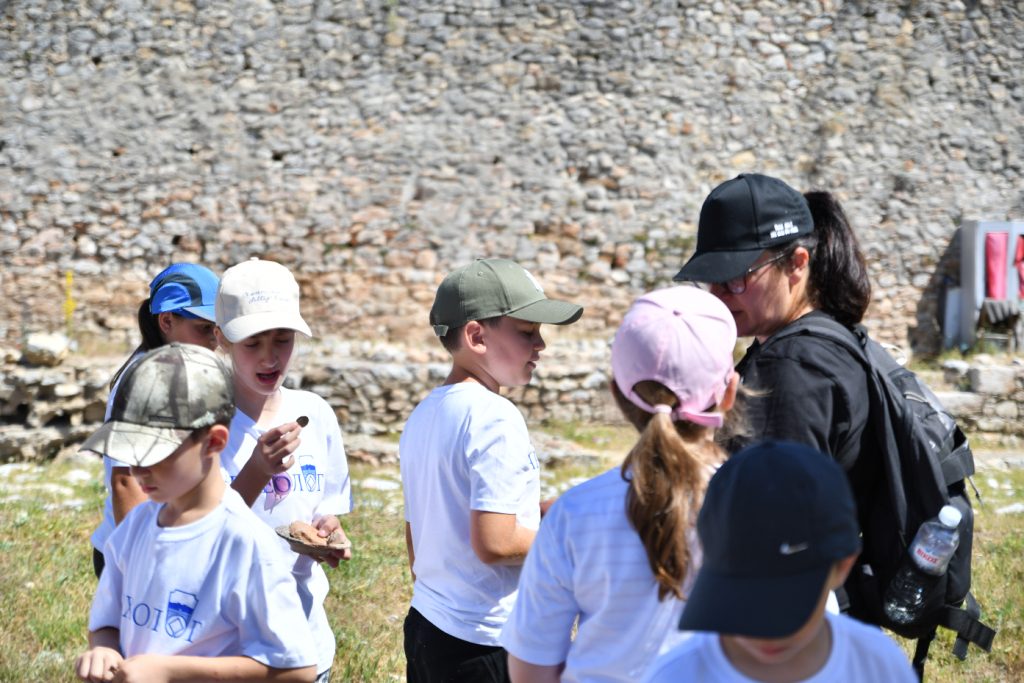
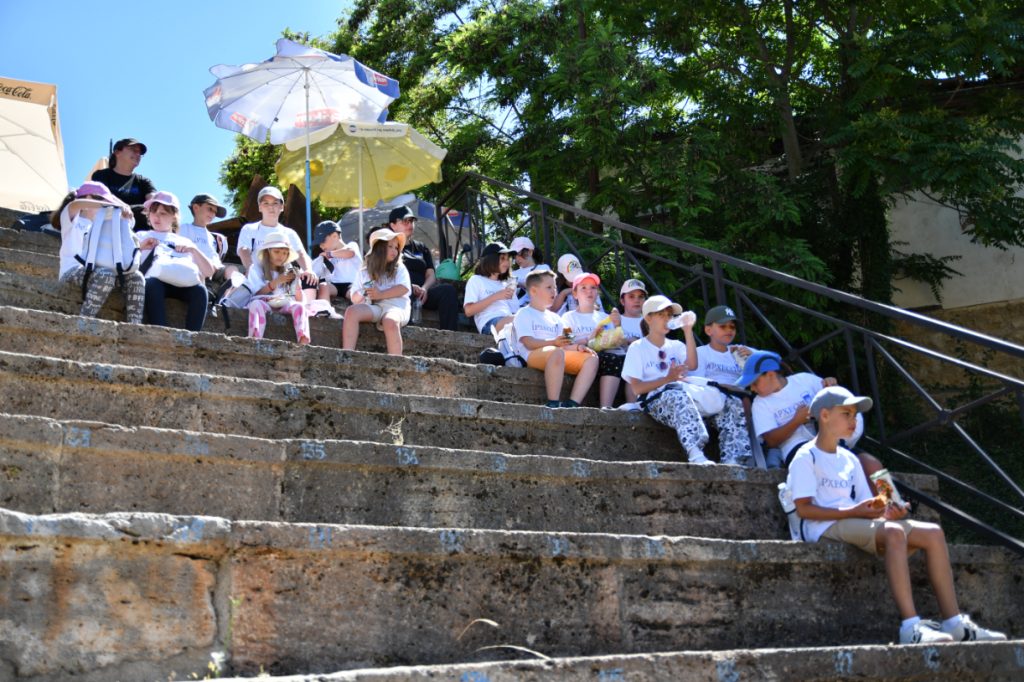
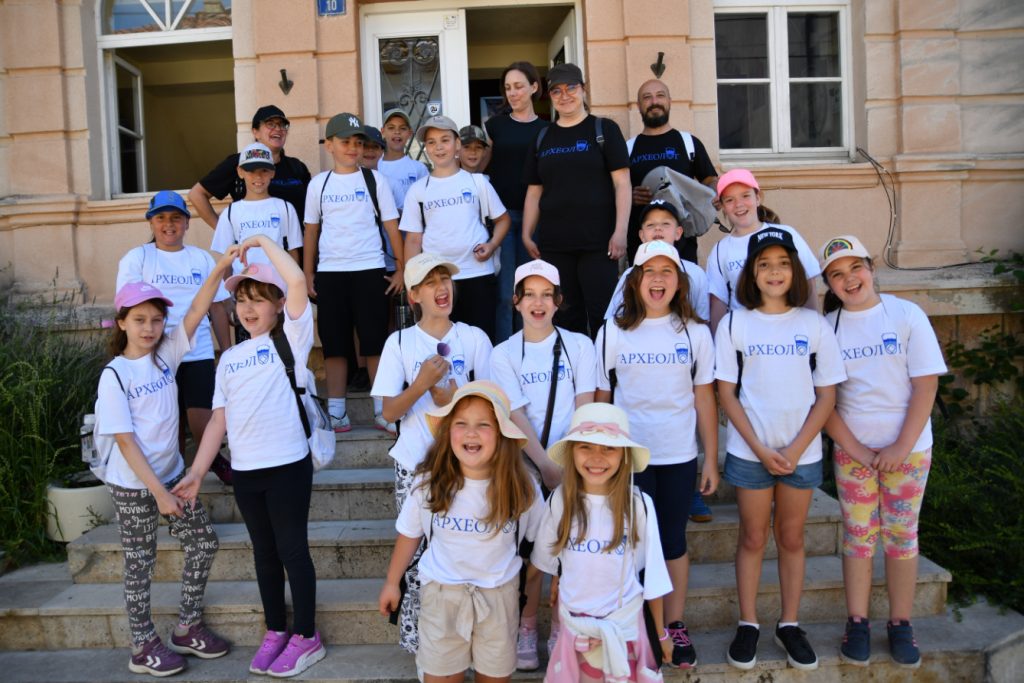
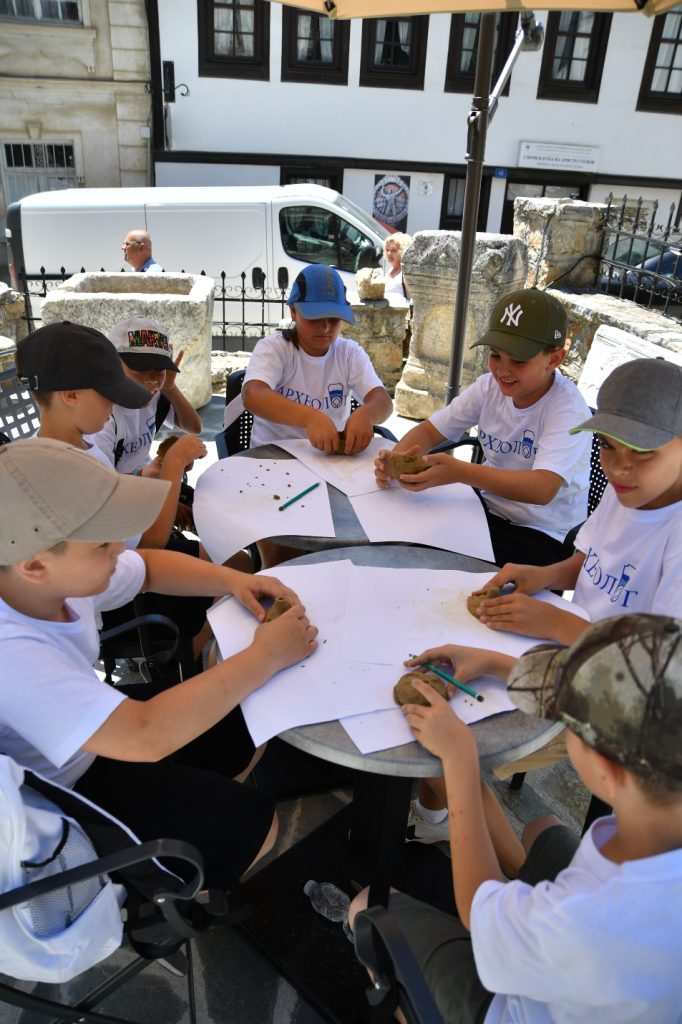
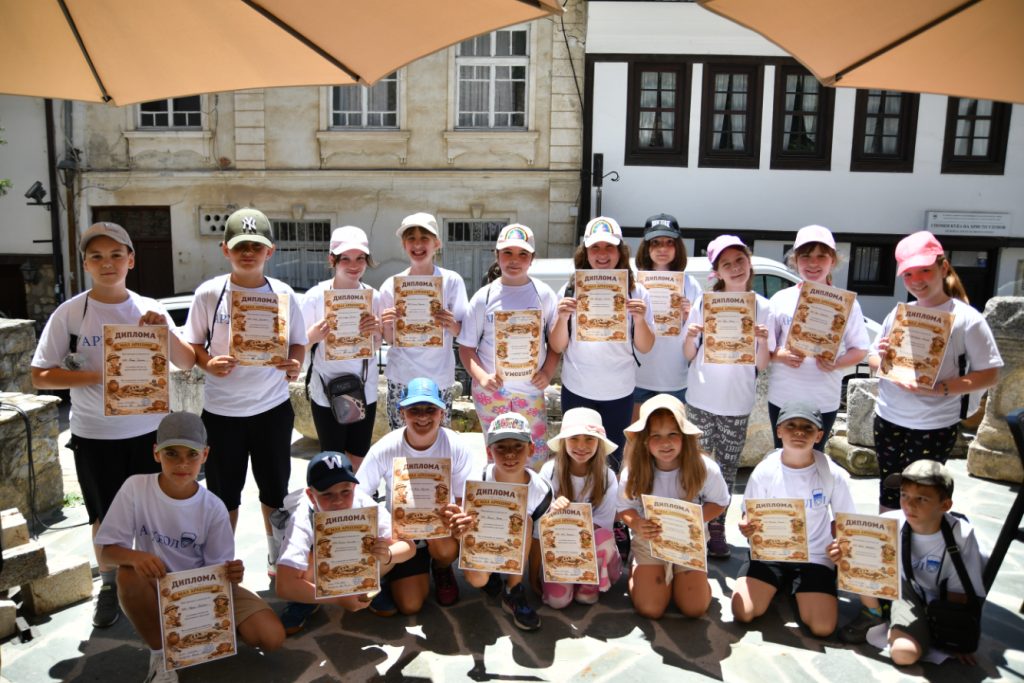
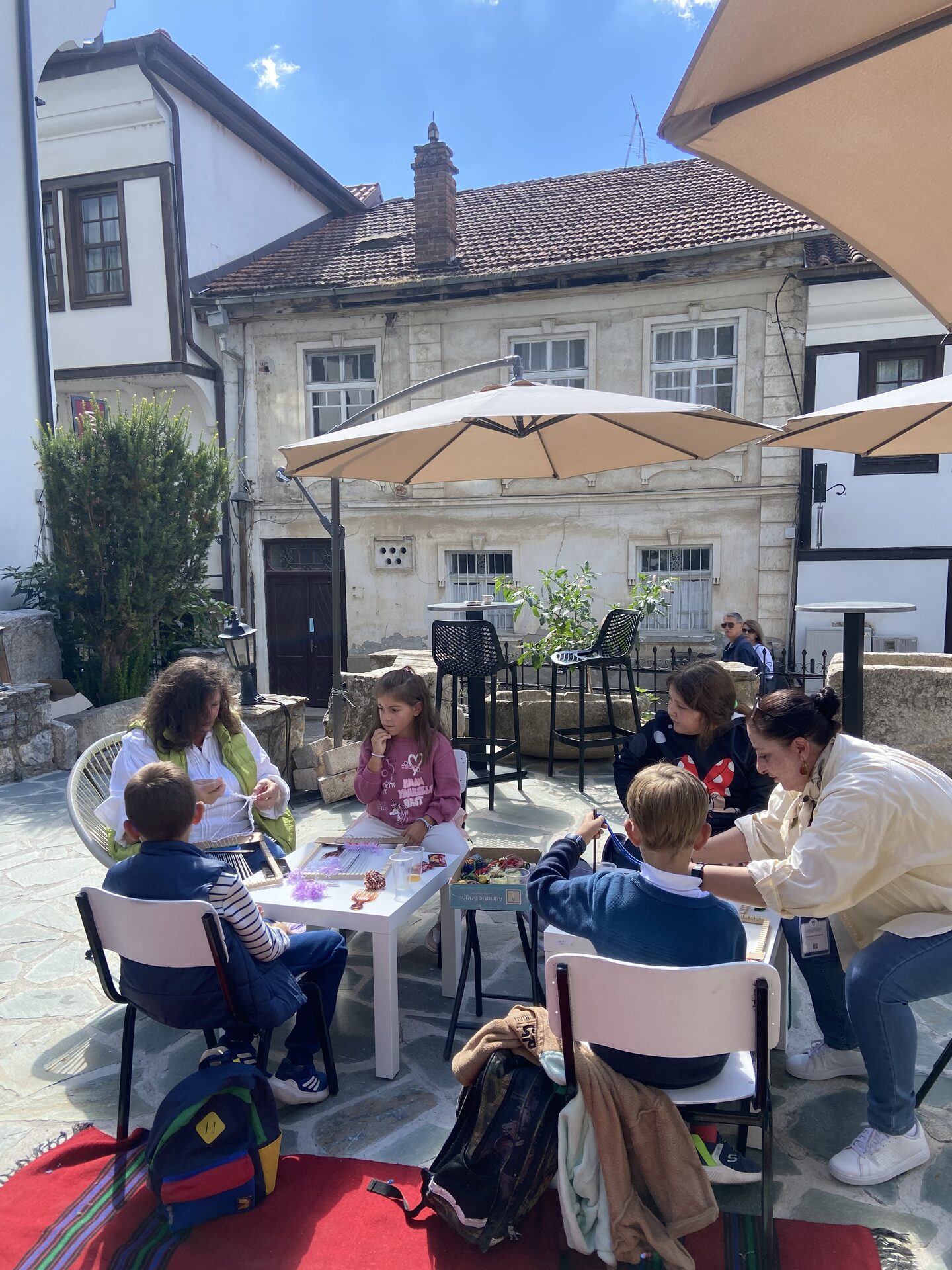
On the occasion of the 75th anniversary of the National Institution Institute for Protection of Cultural Monuments and Museum – Ohrid, we organized an educational workshop for school-age children. Through practical and theoretical activities, the students were introduced to the profession of archaeologist, methods of archaeological research, ways of life in the past, and the significance of cultural heritage.
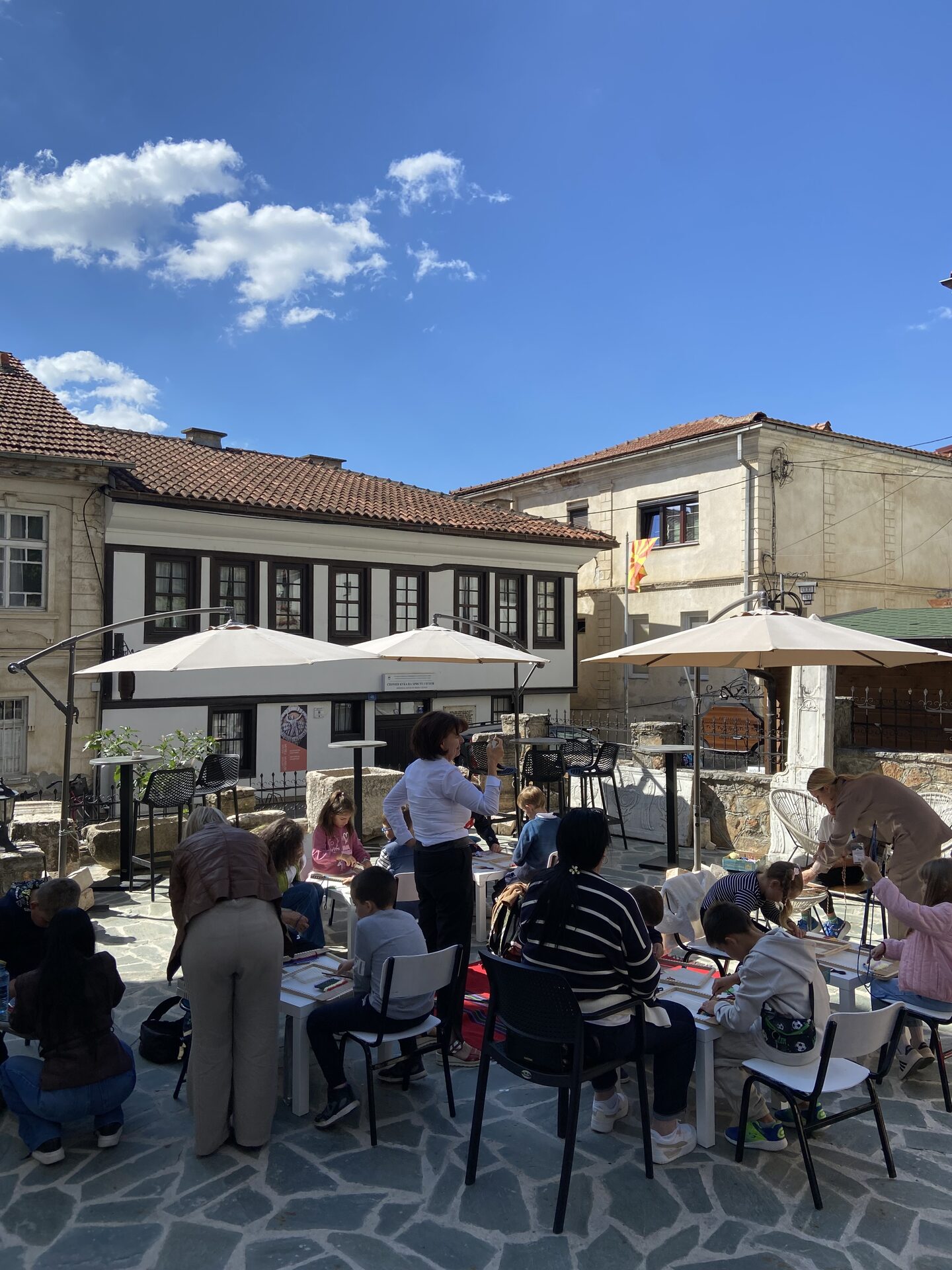
On June 16 and 17, through play and hands-on work, the children got closer to archaeology and the importance of preserving cultural heritage for future generations.

Perhaps among them are hidden the future guardians and researchers of our cultural treasures.

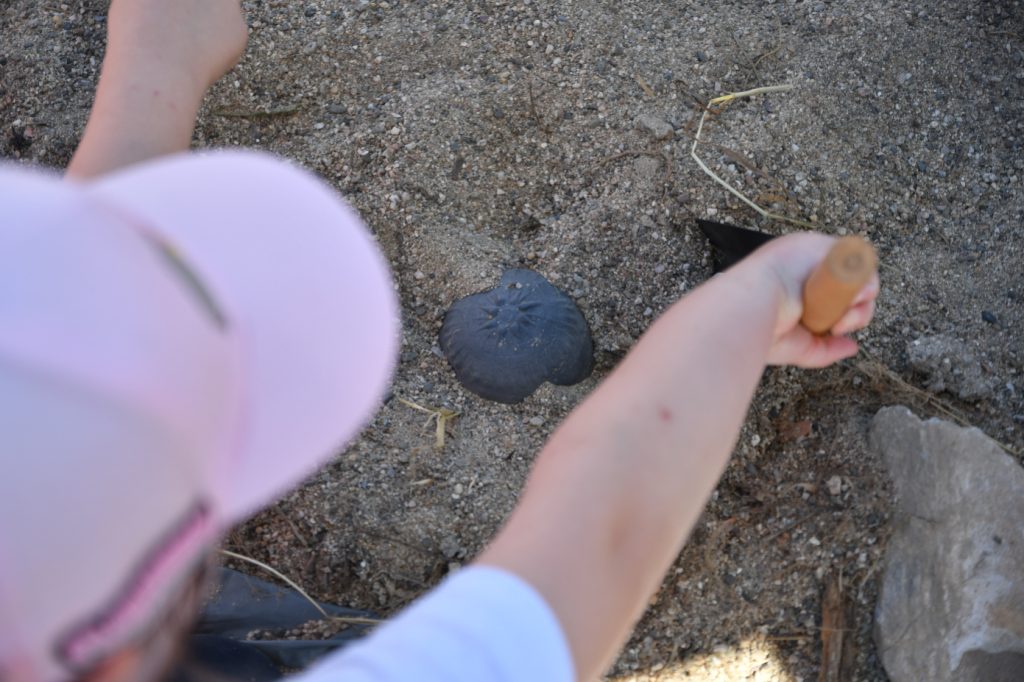
Behind us is a fulfilling day filled with many smiles, new knowledge and small archaeological discoveries, which sparked curiosity and interest in the rich cultural heritage among the youngest participants.

The project is part of the annual programme supported by the Ministry of Culture and Tourism.

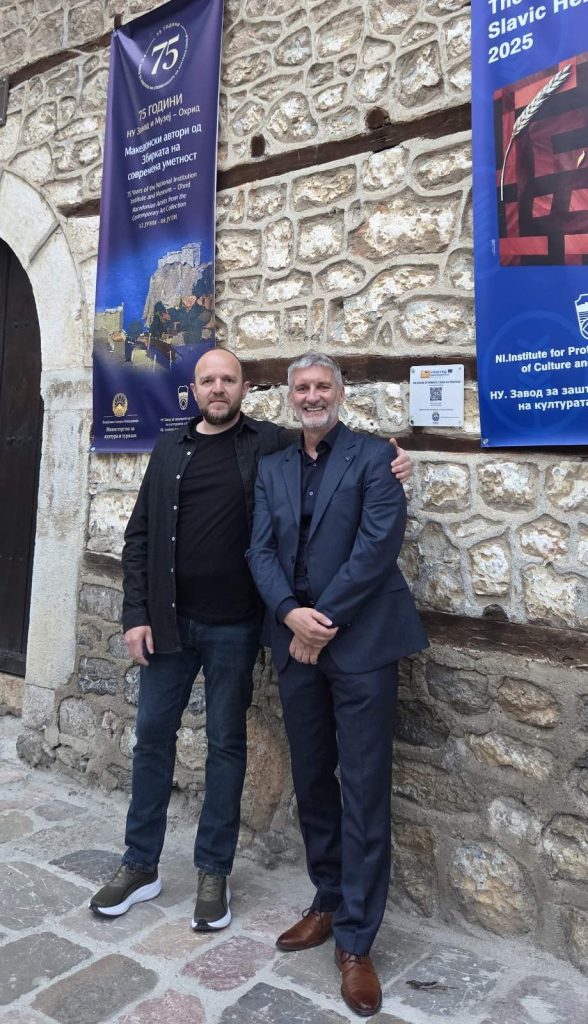
75th Anniversary of the Founding of the National Institution Institute and Museum – Ohrid.


Jubilees are moments when time takes on a special meaning—moments that recognize the effort, dedication, and values created across generations.

It is with great honor that we mark the 75th anniversary of the founding of the National Institution Institute for the Protection of Monuments of Culture and Museum – Ohrid. For more than seven decades, this institution has stood as one of the most vital guardians of the cultural and historical heritage of Ohrid and Macedonia.

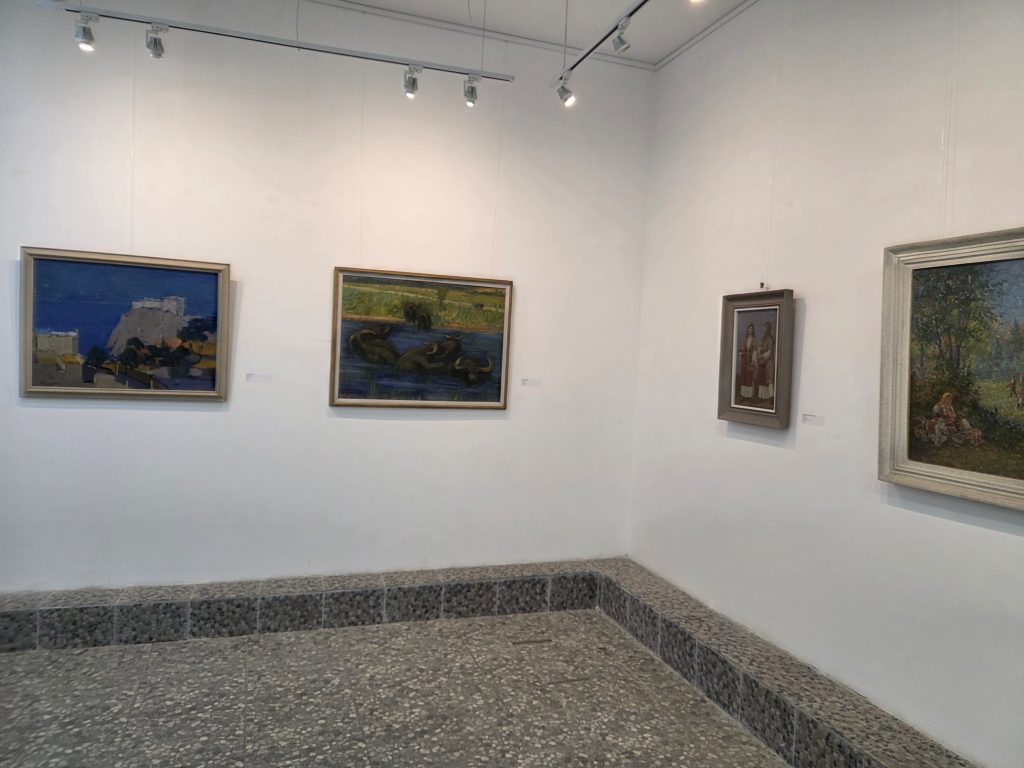
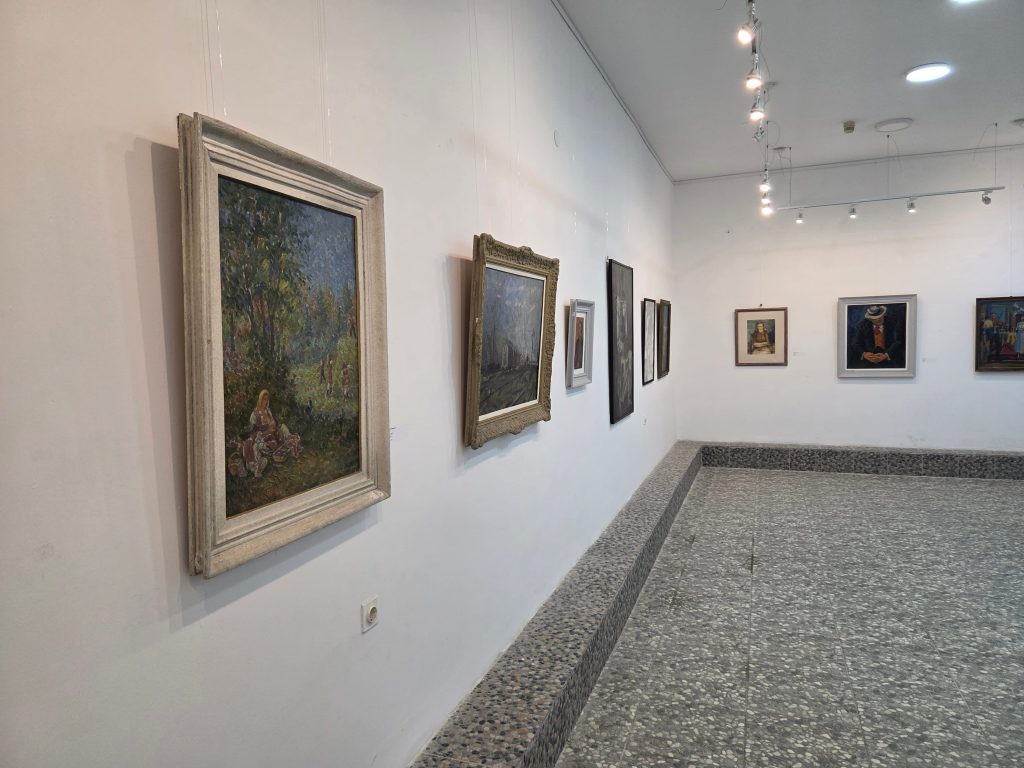
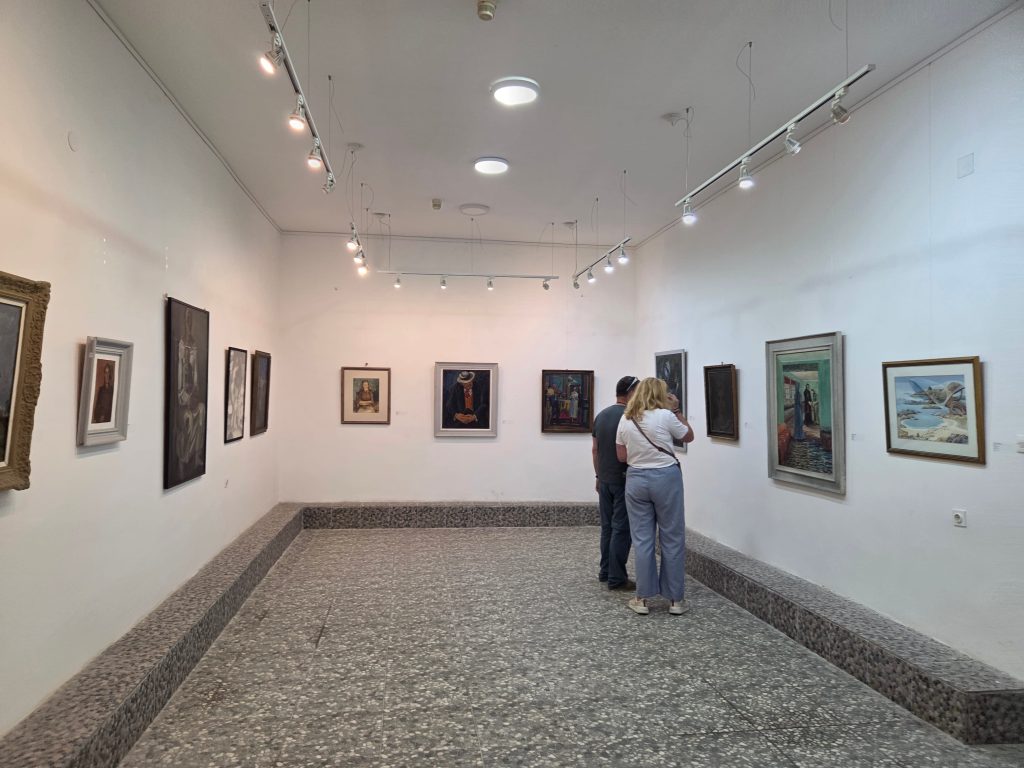
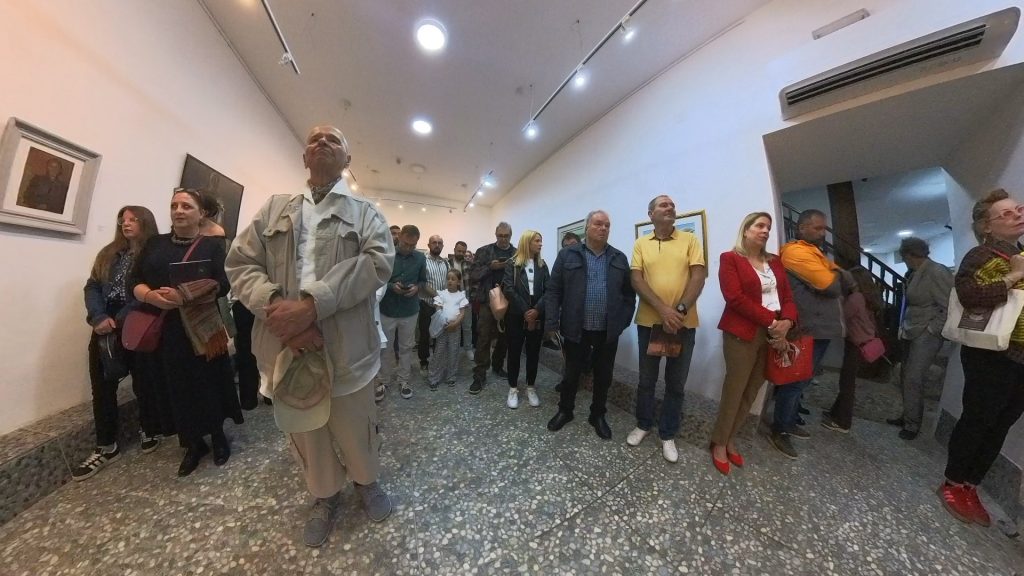
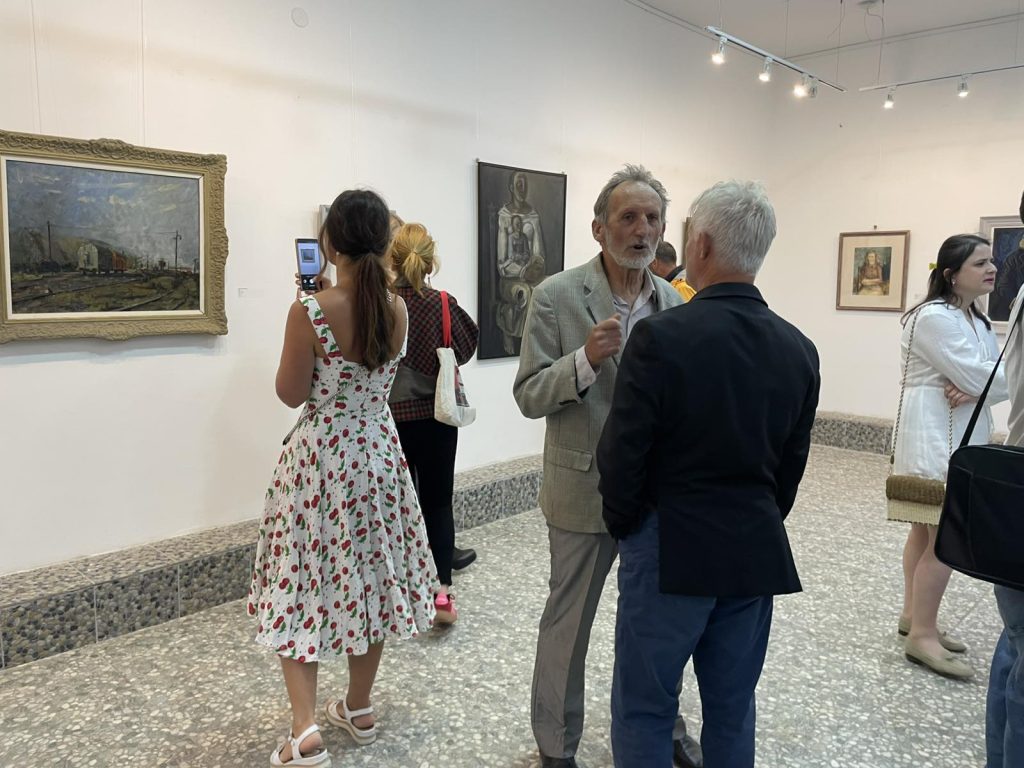
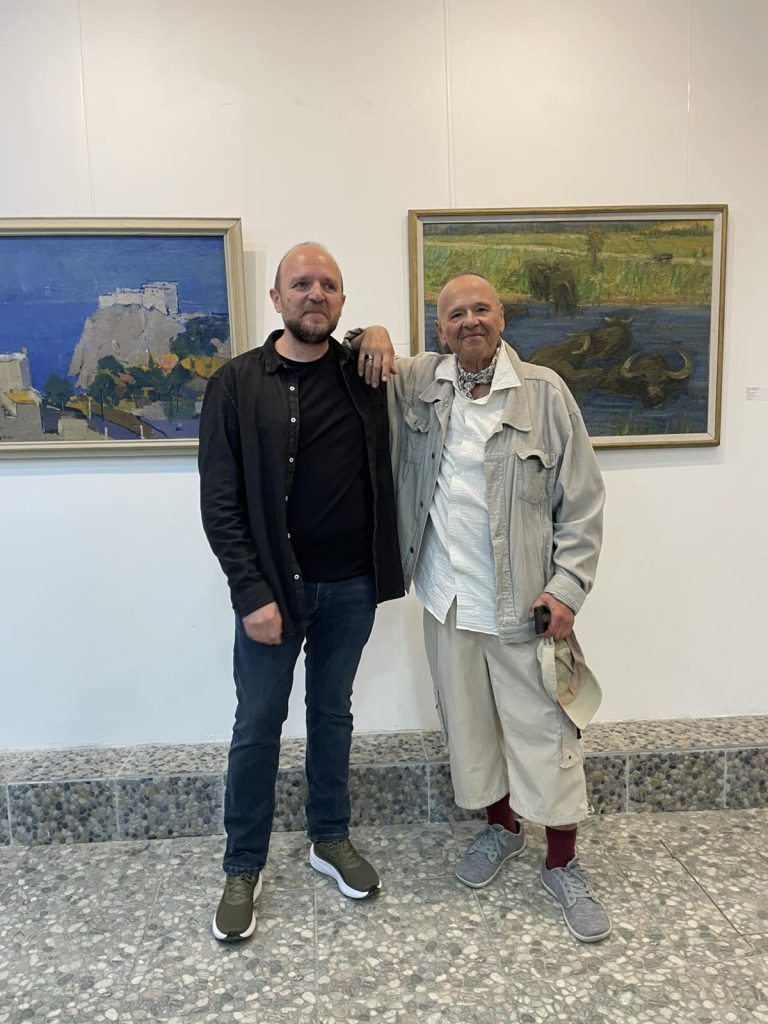
This jubilee exhibition, “Macedonian Artists from the Contemporary Art Collection,” serves as a symbolic reminder of some of the most significant works through which several essential and clearly defined paths in the development of 20th-century Macedonian art can be traced. However, it is also an occasion to recall numerous projects realized over the past 75 years across various other fields, such as conservation and restoration interventions, archaeological research, museum exhibitions, scientific projects, and activities aimed at the protection, presentation, and promotion of cultural heritage. In addition to providing a cross-section of artists and their creations, the exhibition tells the story of our continuous care for the monuments, artifacts, and spiritual values that shape the identity of the Ohrid region.
Special gratitude is extended to all past and present employees, professional associates, and external partners who, with their knowledge, enthusiasm, and professional commitment, have left a lasting value in the work of the institution. Their labor is built into every preserved fragment of the past and into every new step toward the future.

May this catalog and exhibition be not only a reminder of what has been accomplished, but also an inspiration to continue the mission—preserving, researching, and worthily presenting our cultural heritage for the generations to come.


300 Years of the Clock Tower in Ohrid – A Symbol of Time and Cultural Heritage

On the occasion of the 300th anniversary of the construction of the Clock Tower in Ohrid, a significant jubilee was marked today – 300 years of the Clock Tower in Ohrid, one of the most recognizable symbols of our city and a silent witness to the centuries that have passed through its streets.

For three centuries, the Clock Tower has been measuring the time of Ohrid – the time of its people, its traditions, its spirituality and cultural development. It is not merely an architectural structure, but a part of the collective memory and identity of the city, a monument that connects us to the past and reminds us of our obligation to preserve this heritage for future generations.

It was declared a cultural monument by Decision of the then Municipal Institute for Protection of Cultural Monuments Ohrid on 28.03.1968 (58 years ago).

As the National Institution Institute for Protection of Cultural Monuments and Museum – Ohrid, an institution dedicated to the protection, research and promotion of cultural heritage, we are proud to be part of this commemoration. Our mission is to preserve these values not only as material testimonies, but as a living part of the spirit of Ohrid.

The Clock Tower in Ohrid, with its simple architecture built by Čavaš Dol Sulejman Aga from Shkodër in 1726, erected above the city marketplace near the Church of St. Mother of God Kamensko in the Deboj locality, has unjustly been neglected over the years.

Our institution has an obligation to monitor the condition of the monument and to prepare an Elaboration for its revaluation with a proposal for a special Protection Regime.

On this occasion, Director Mr. Goran Pačev expressed sincere gratitude to the initiator and to all institutions, associates, experts and citizens who contribute to the preservation of our invaluable heritage.
May this great jubilee serve as a reminder that time passes, but the values we preserve remain to bear witness for us.
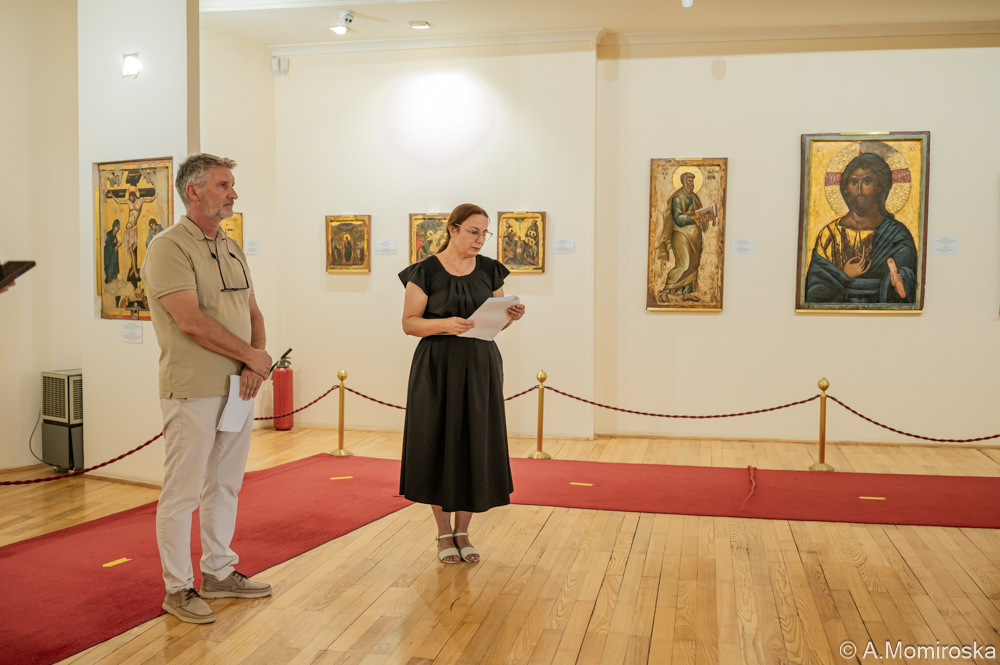
Visit of Croatian Prime Minister Andrej Plenković to the Gallery of Icons.
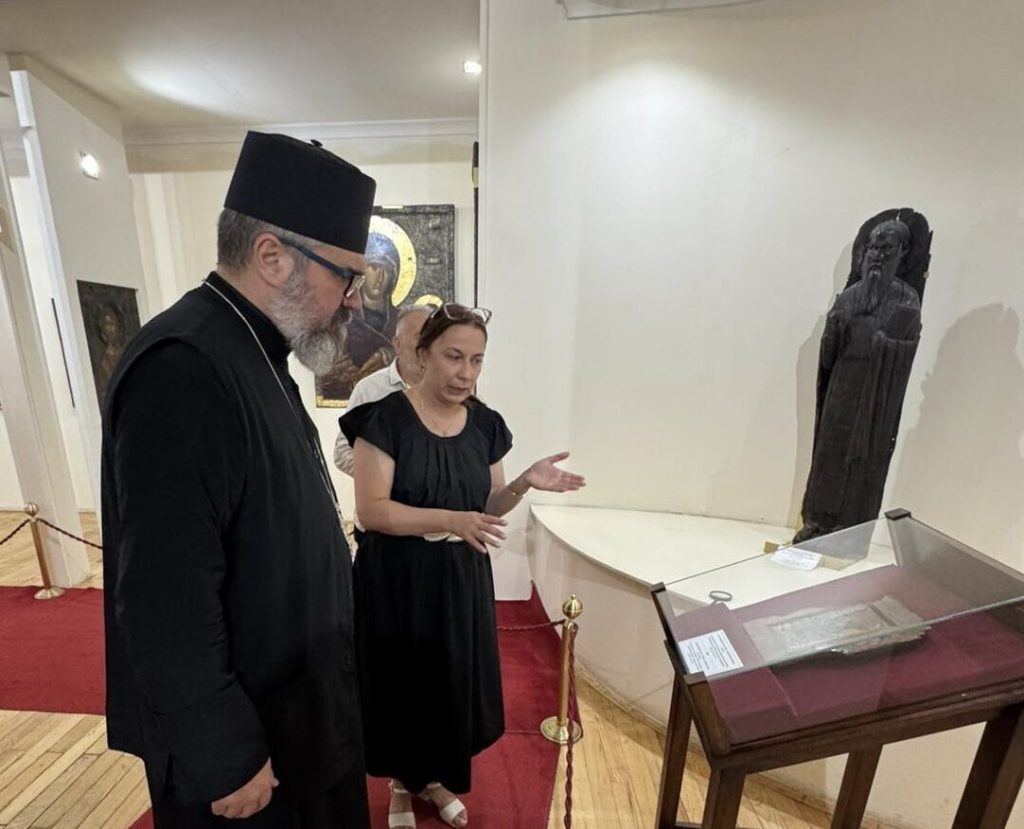
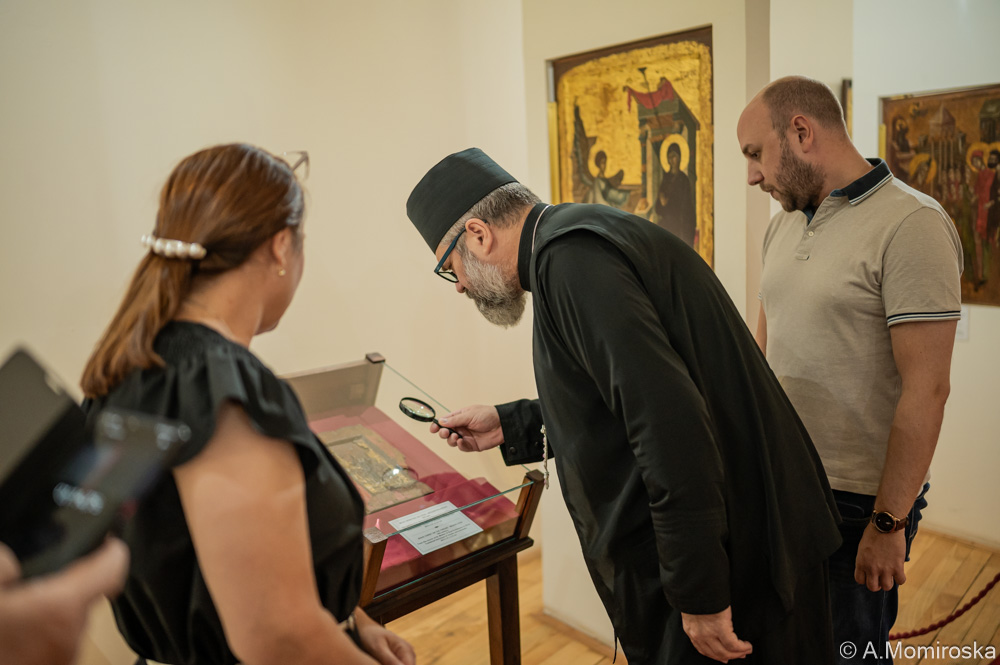
The Macedonian and Croatian delegations, led by Prime Minister Hristijan Mickoski and his counterpart Andrej Plenković, today visited the ambient ensemble of the church complex “St. Mother of God Perivlepta” and the Gallery of Icons. They were welcomed by our institution’s Director Goran Pačev and curator Katerina Risteska Velkоska, as well as curator-archaeologist Atanas Kipro, who presented the rich treasury of the Gallery of Icons to the guests.