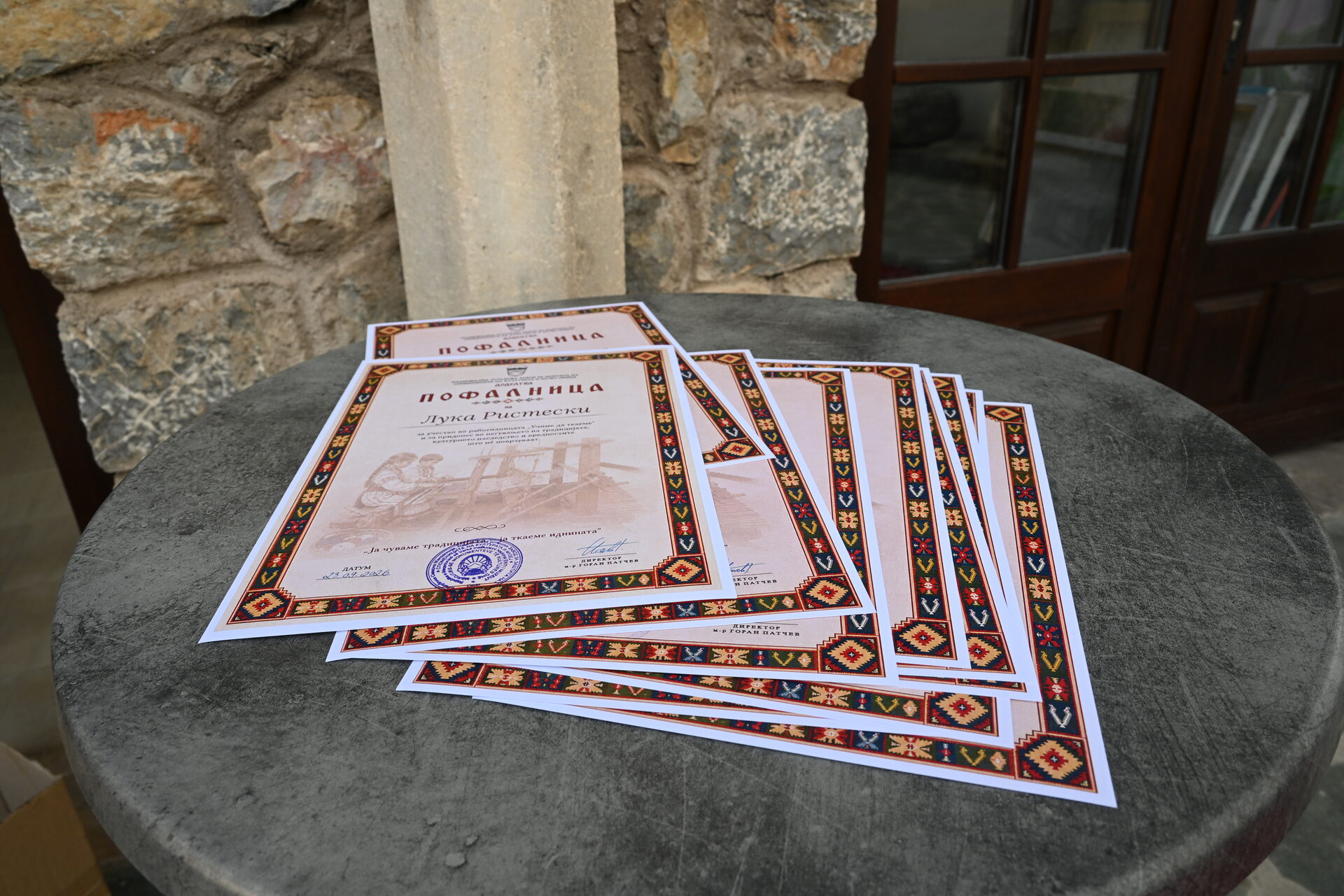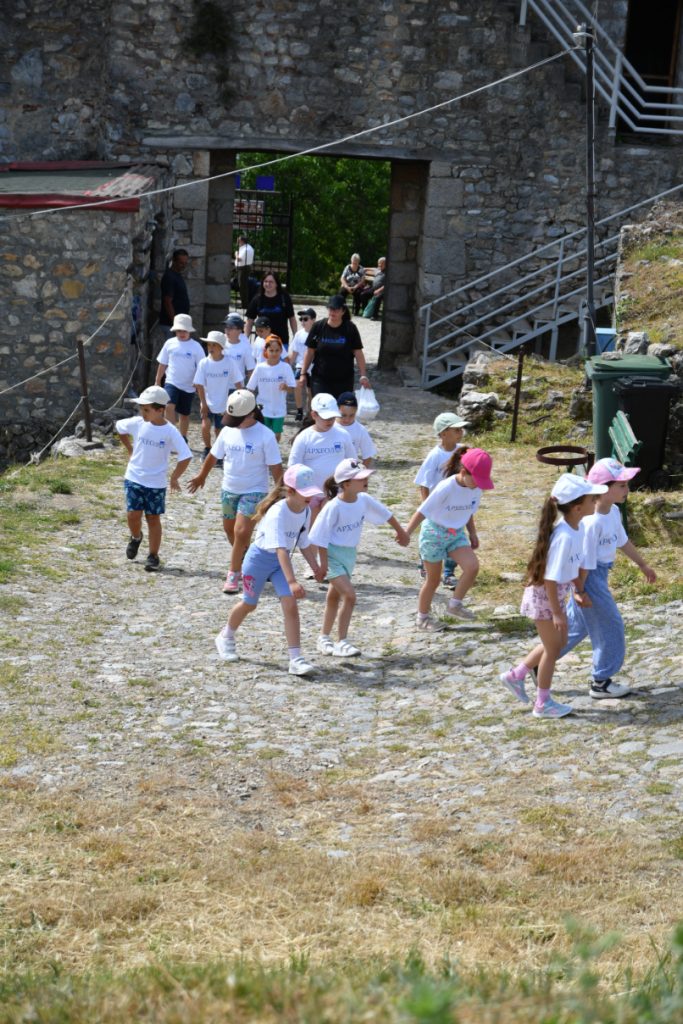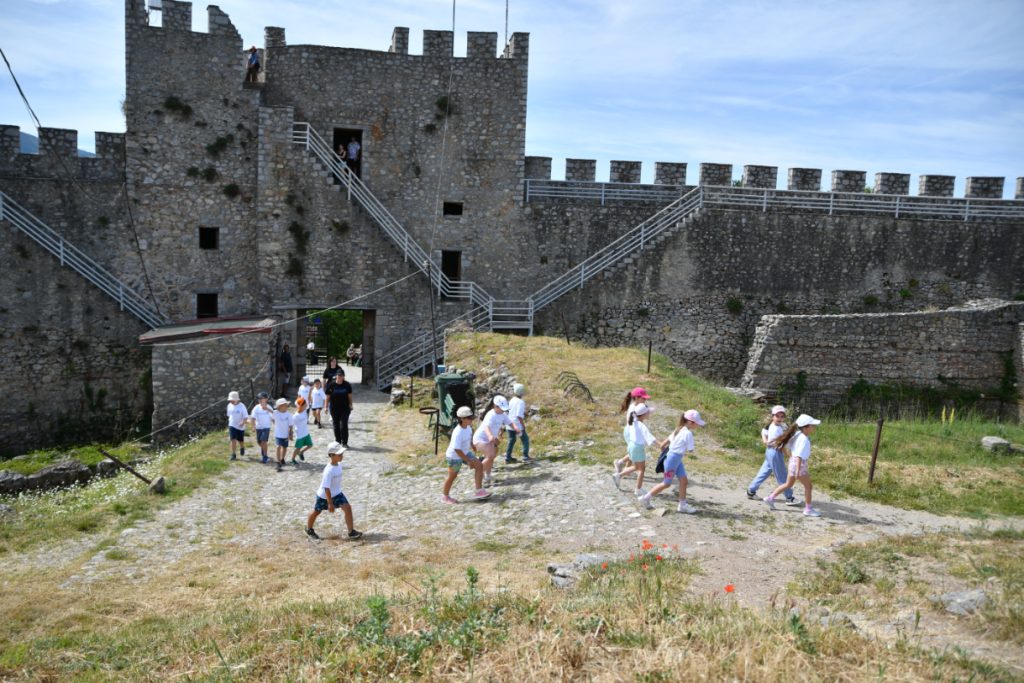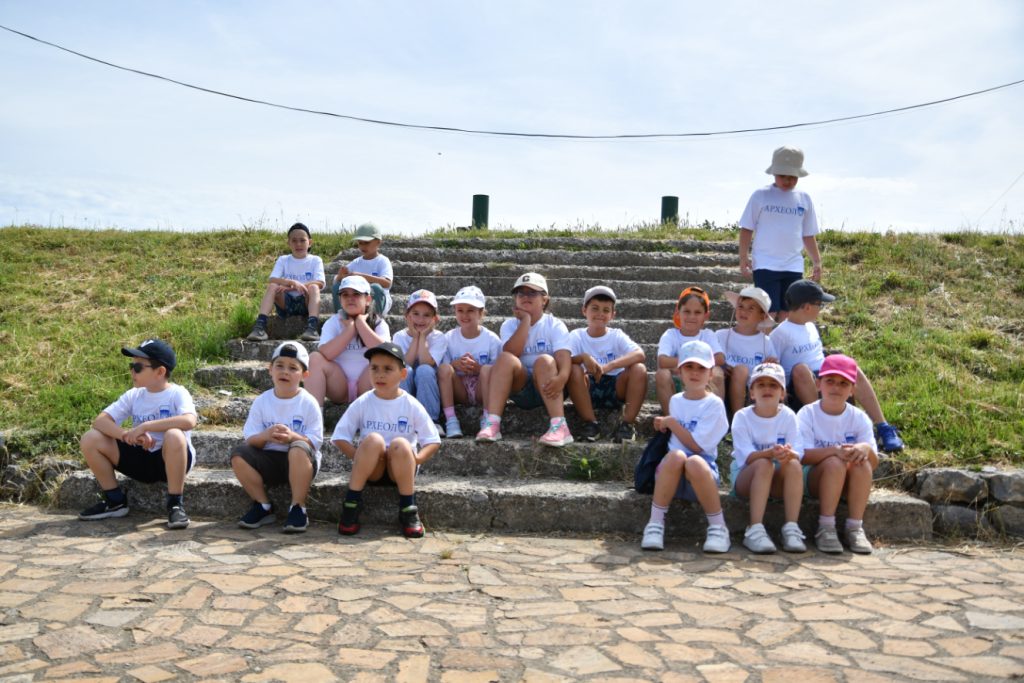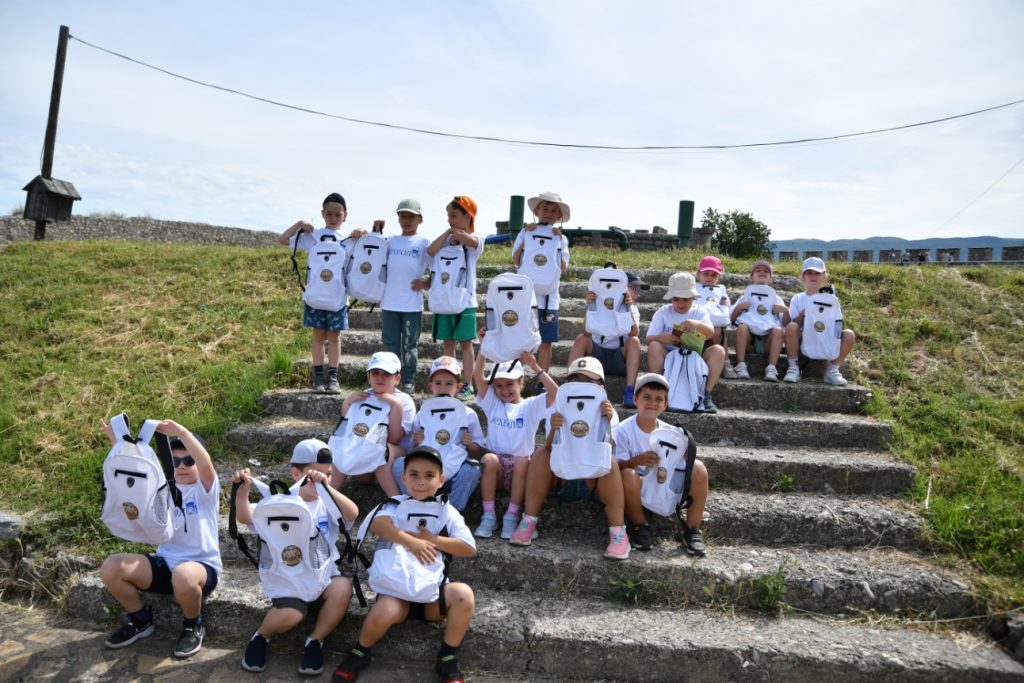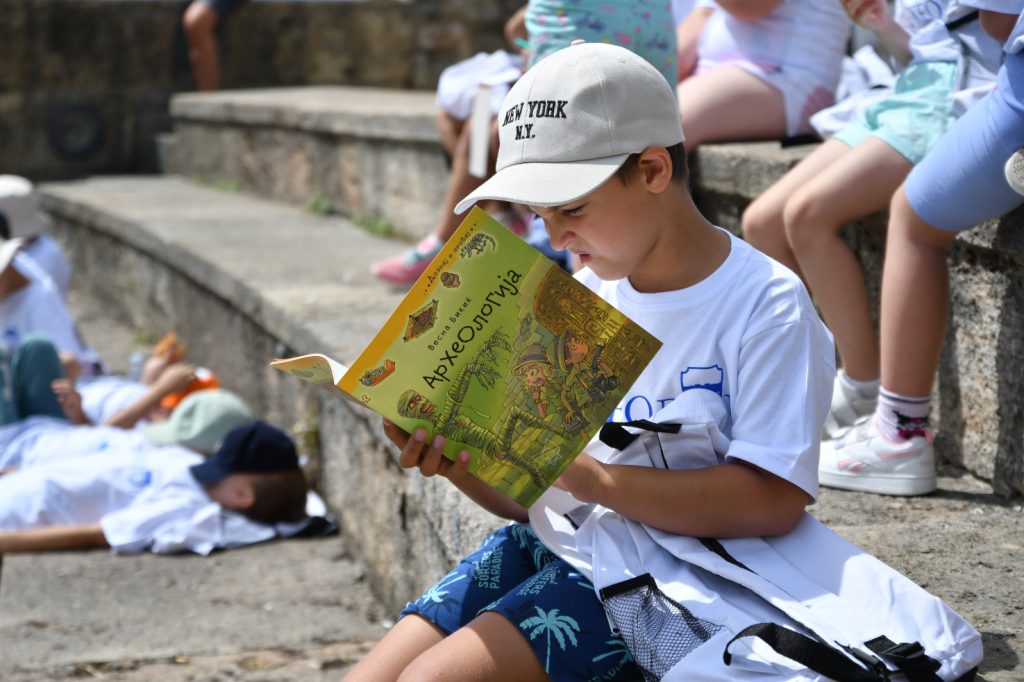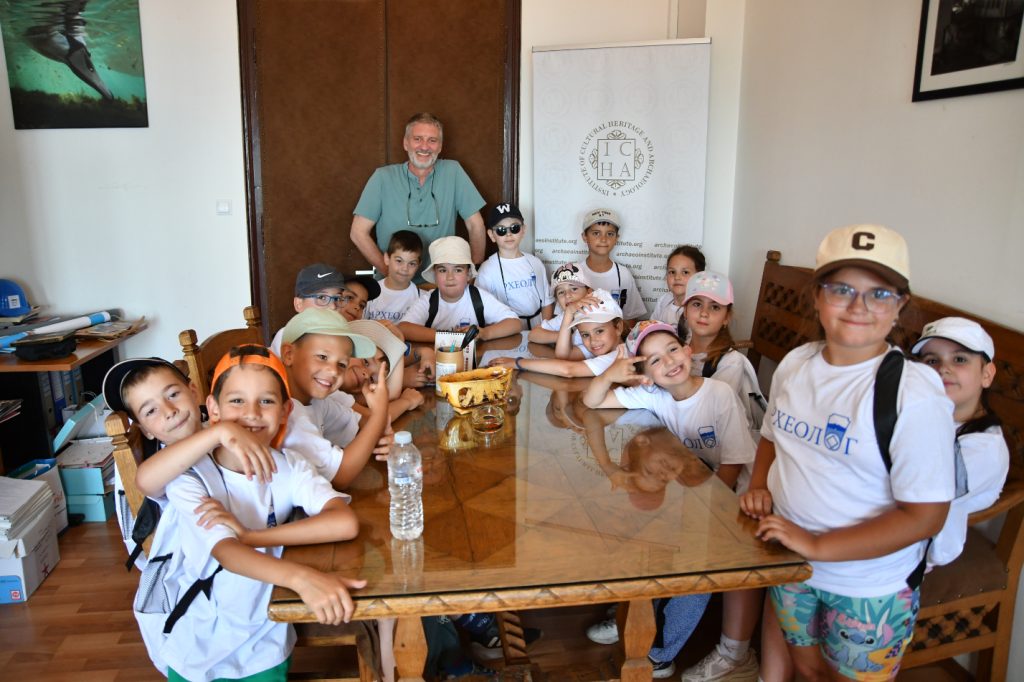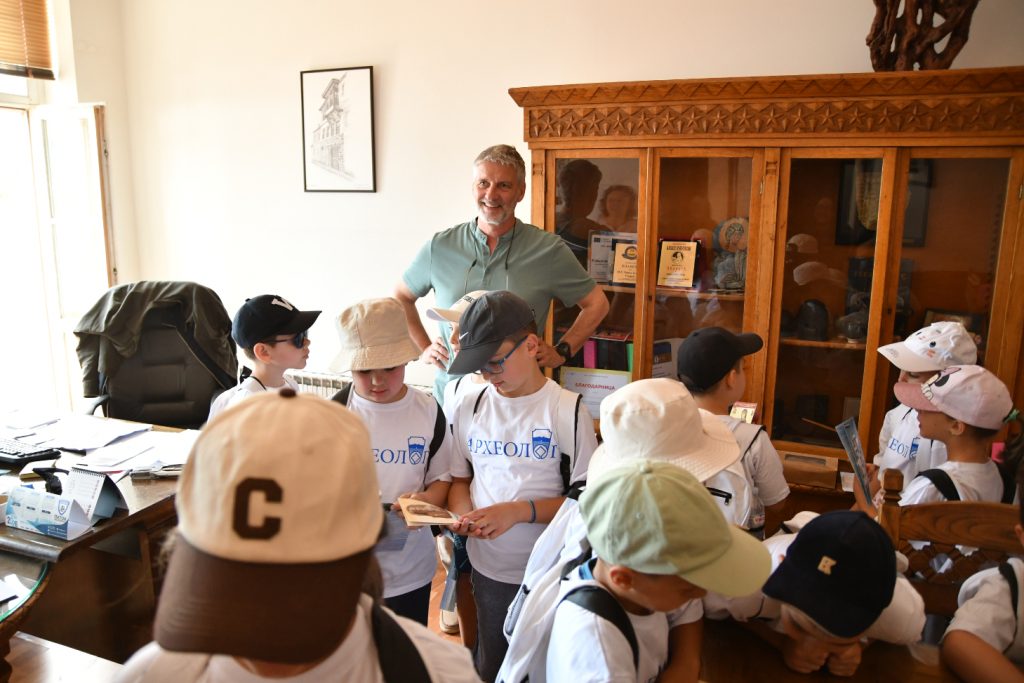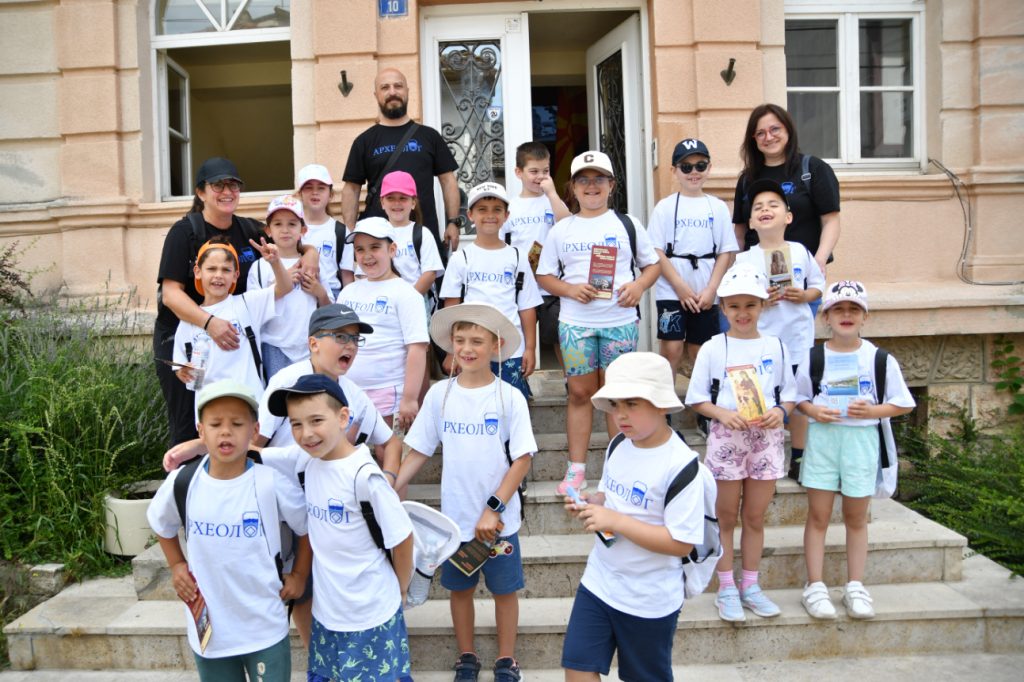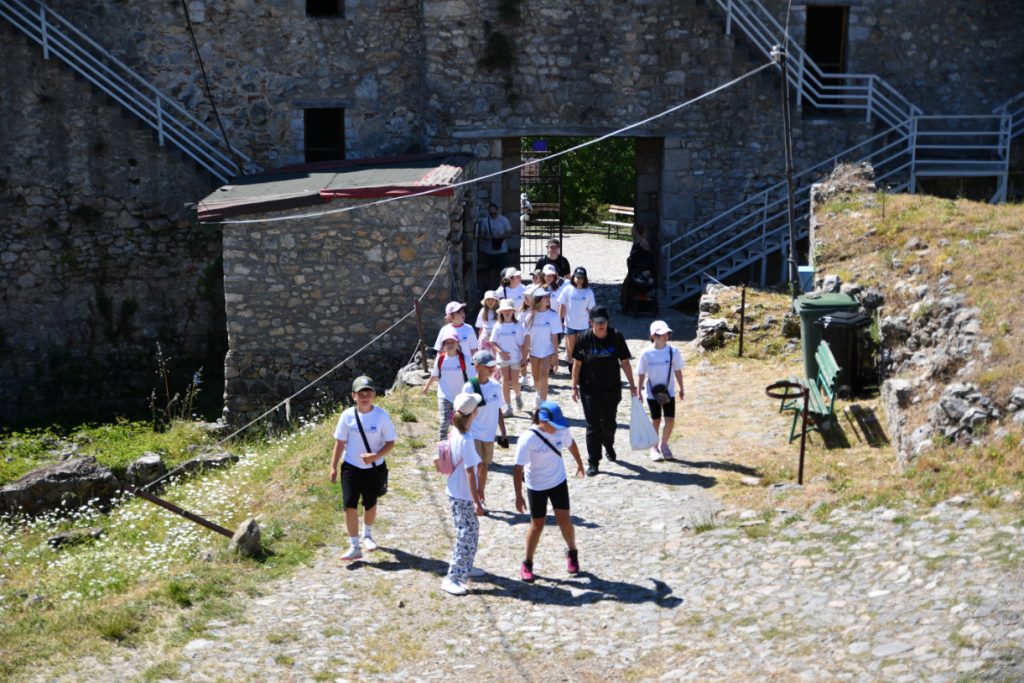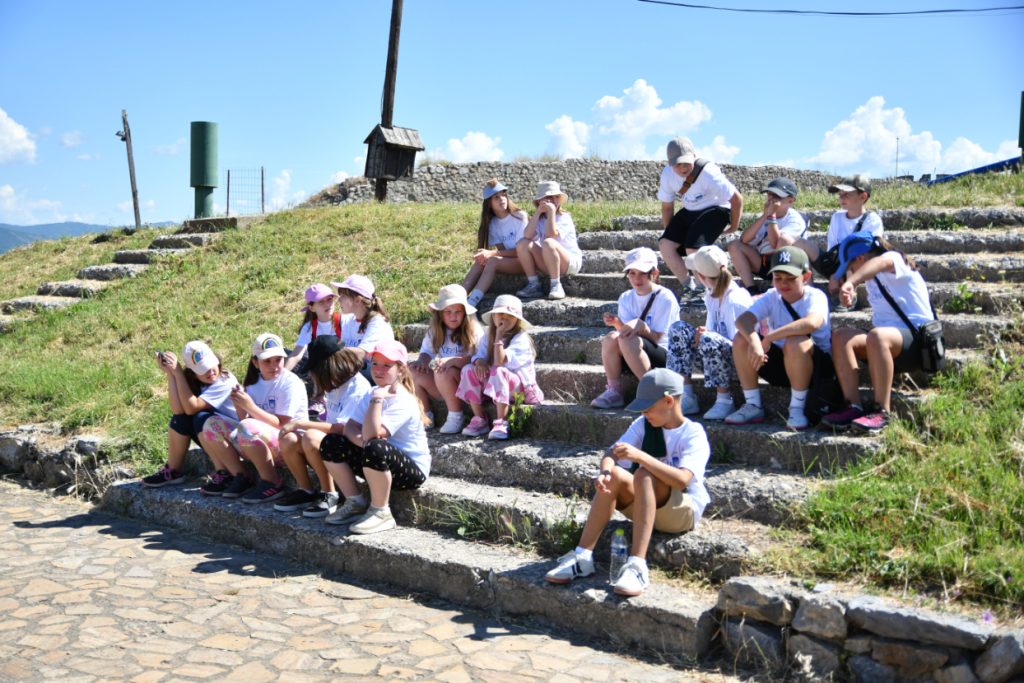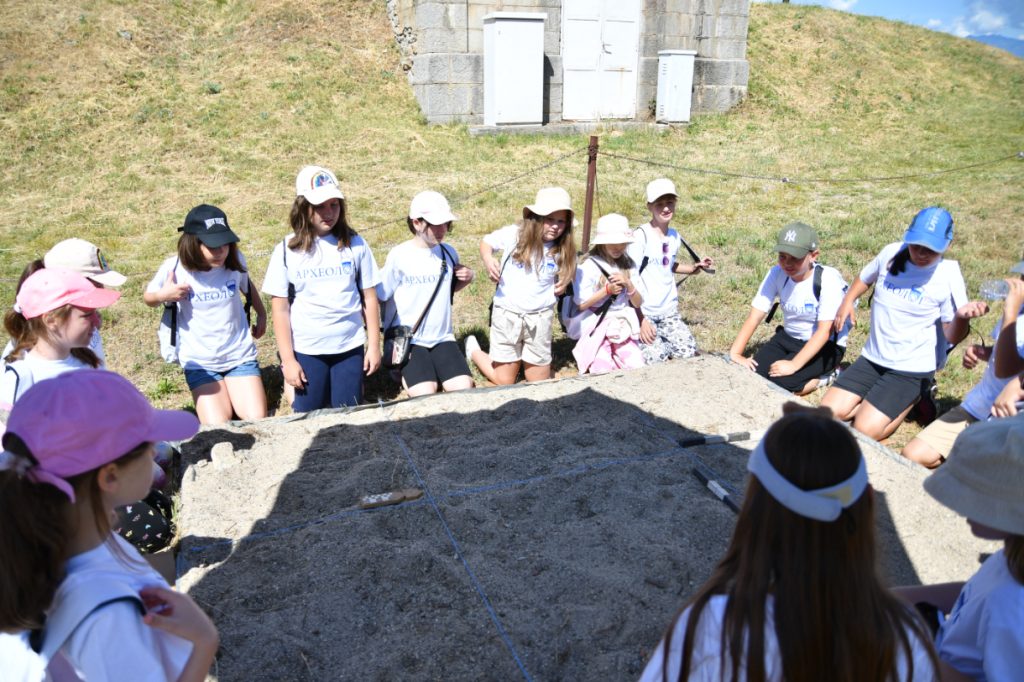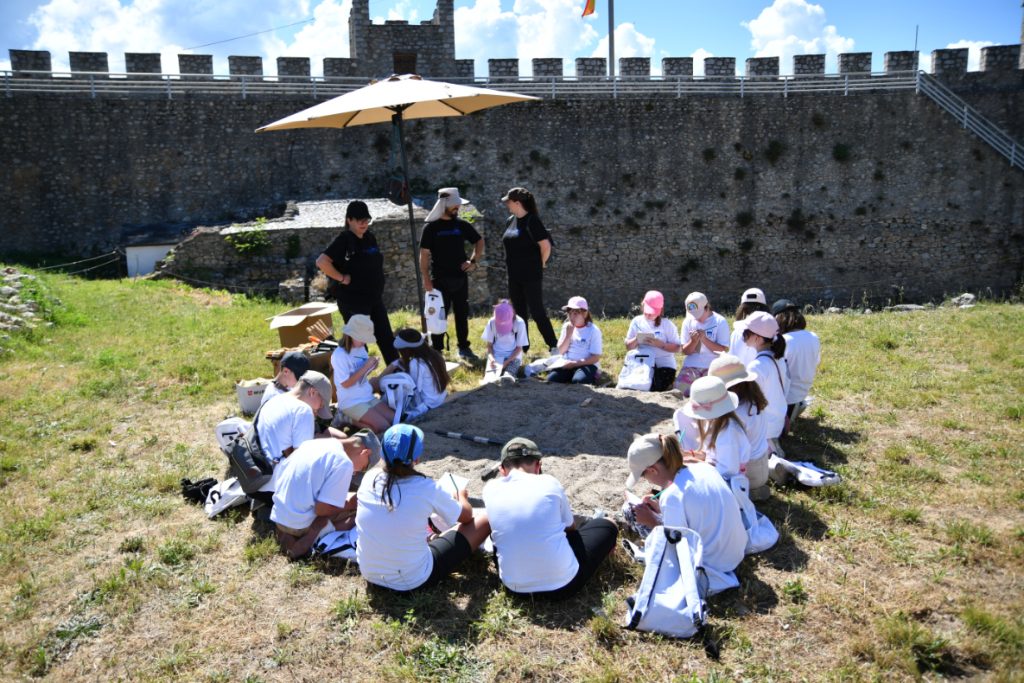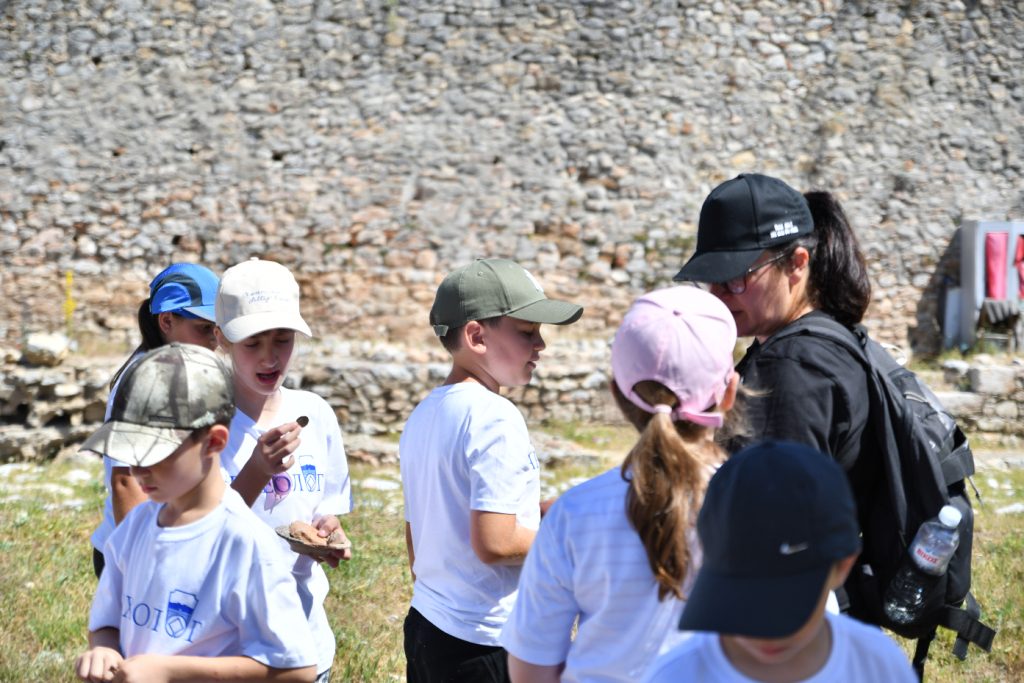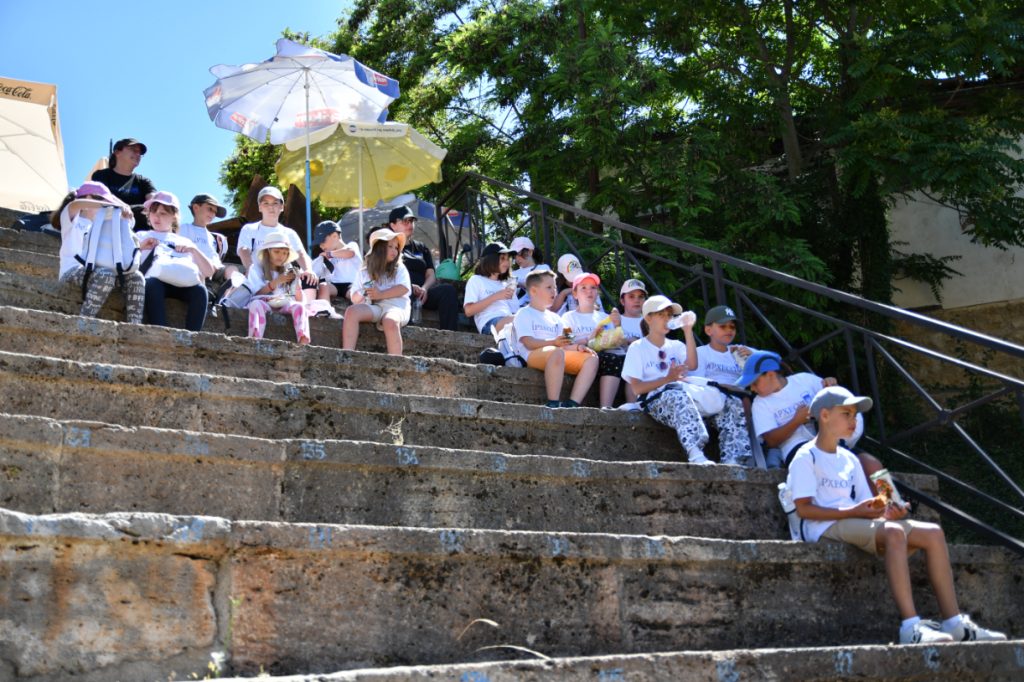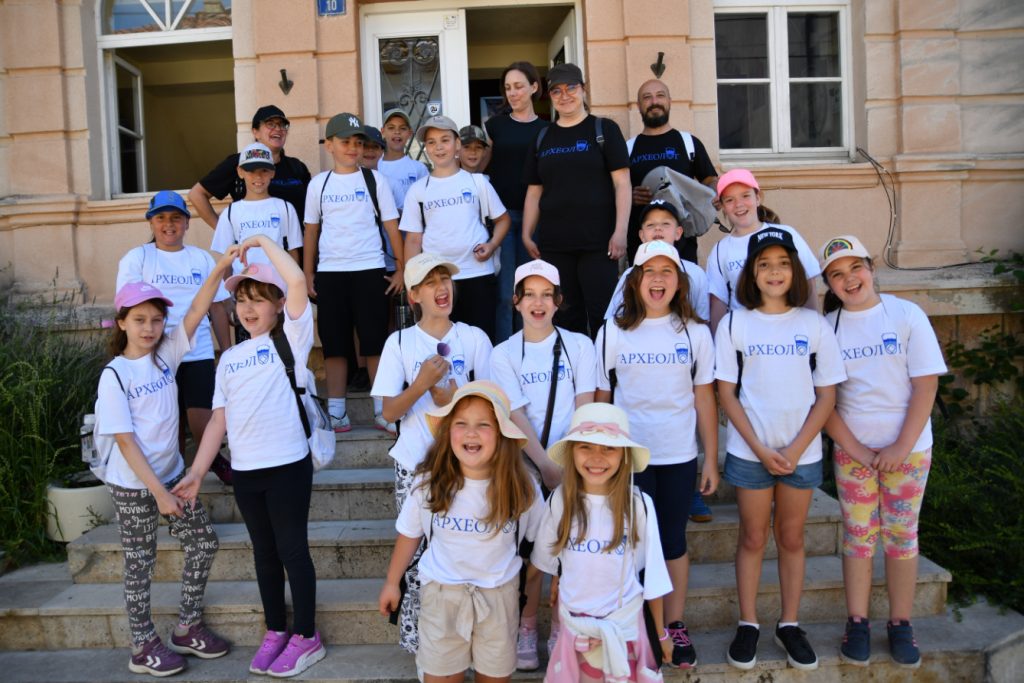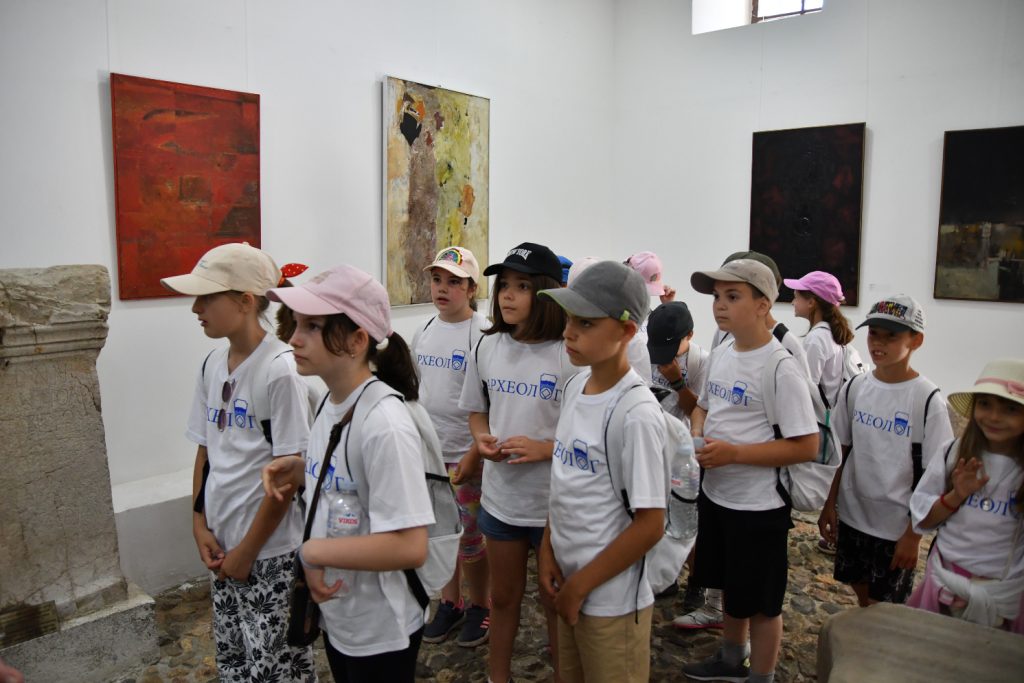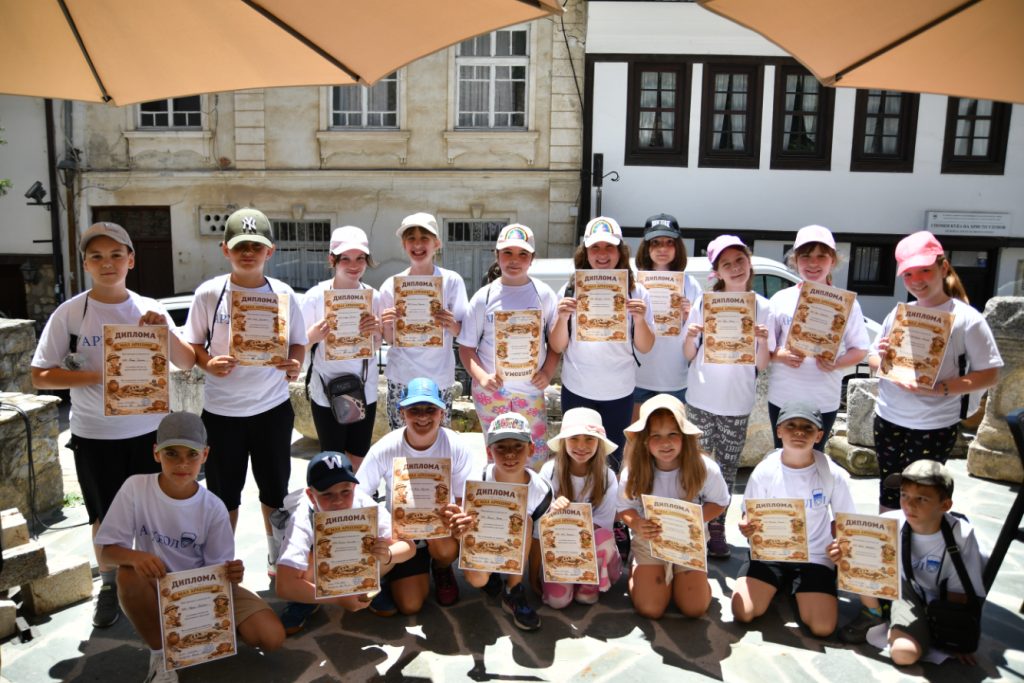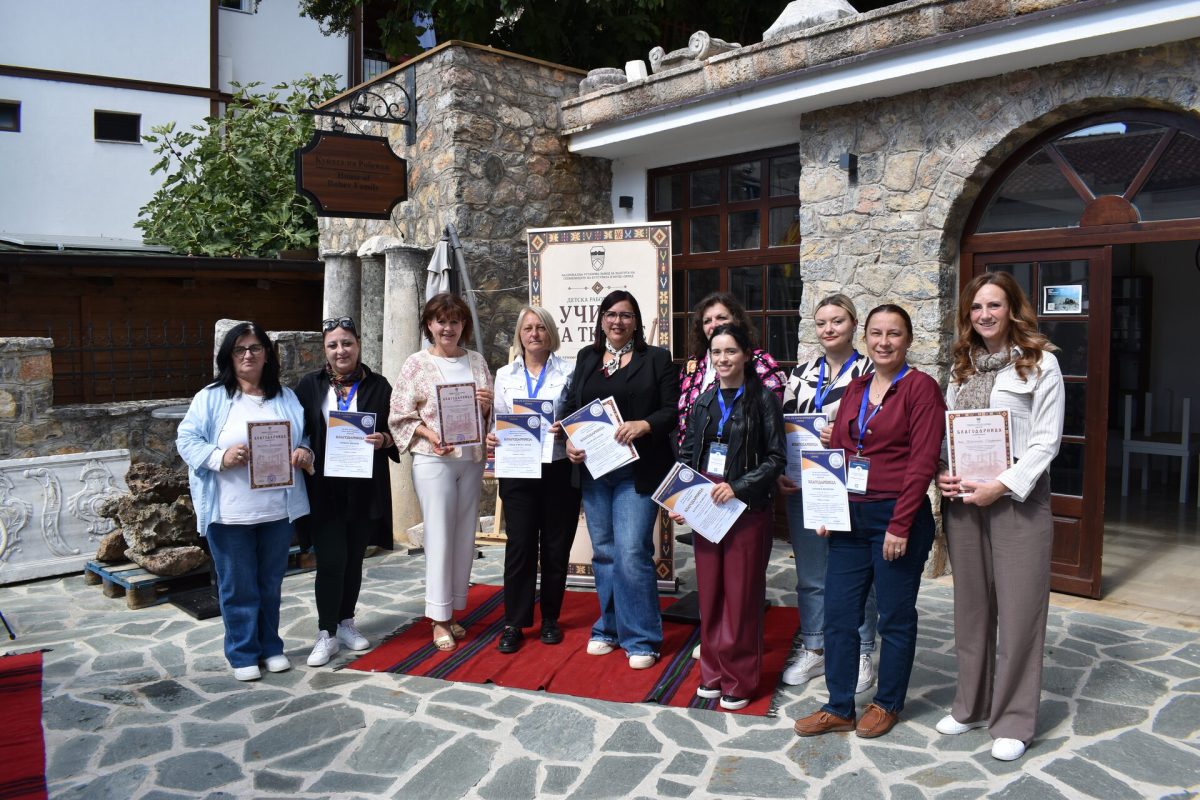
As part of its annual programme for 2026, the Institute and Museum of Ohrid carried out the project “Learning to Weave”.
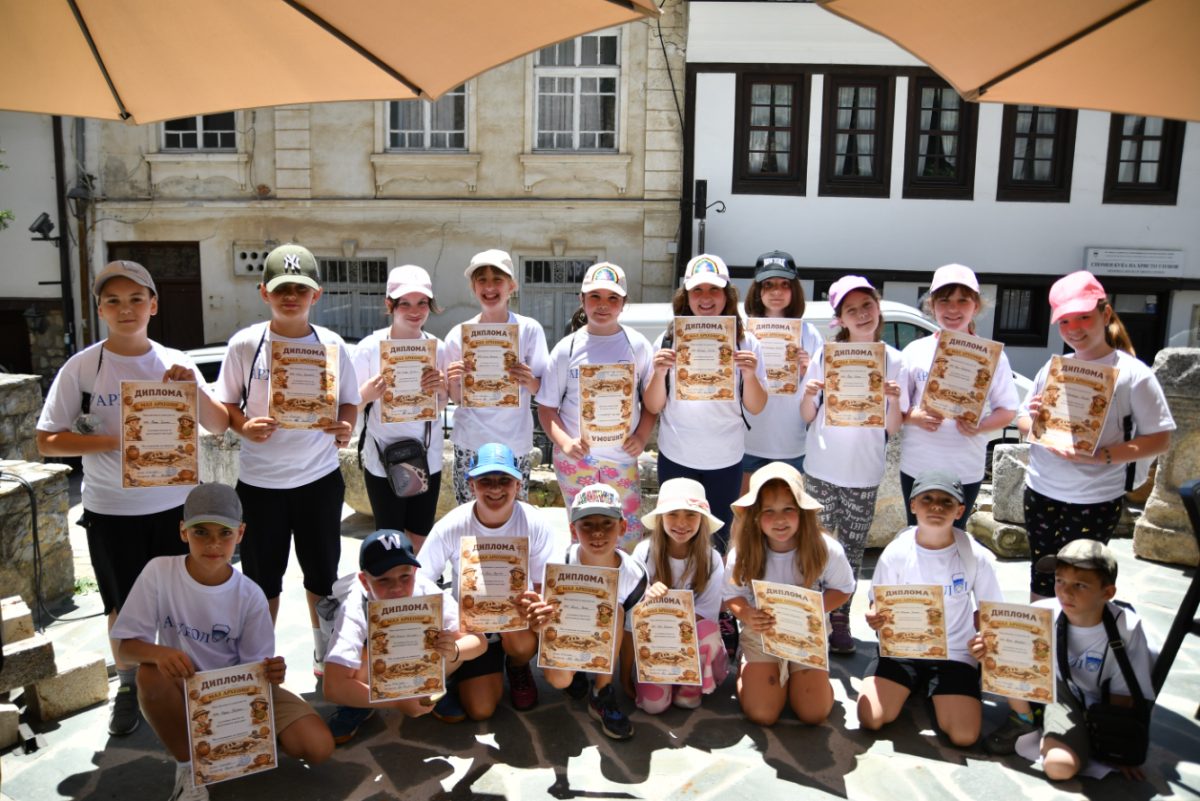
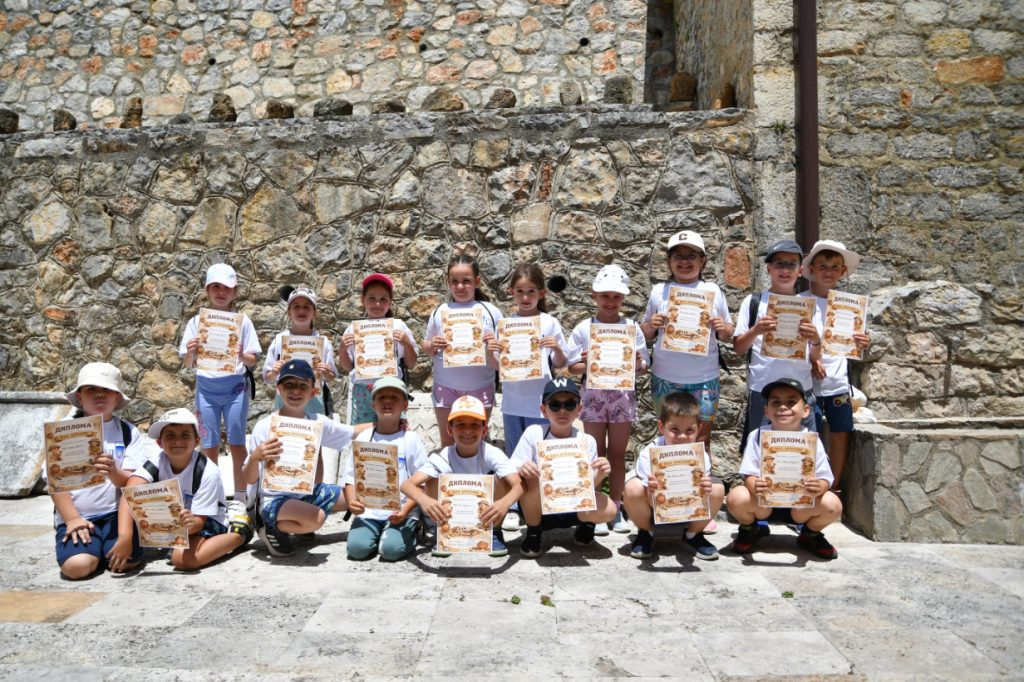
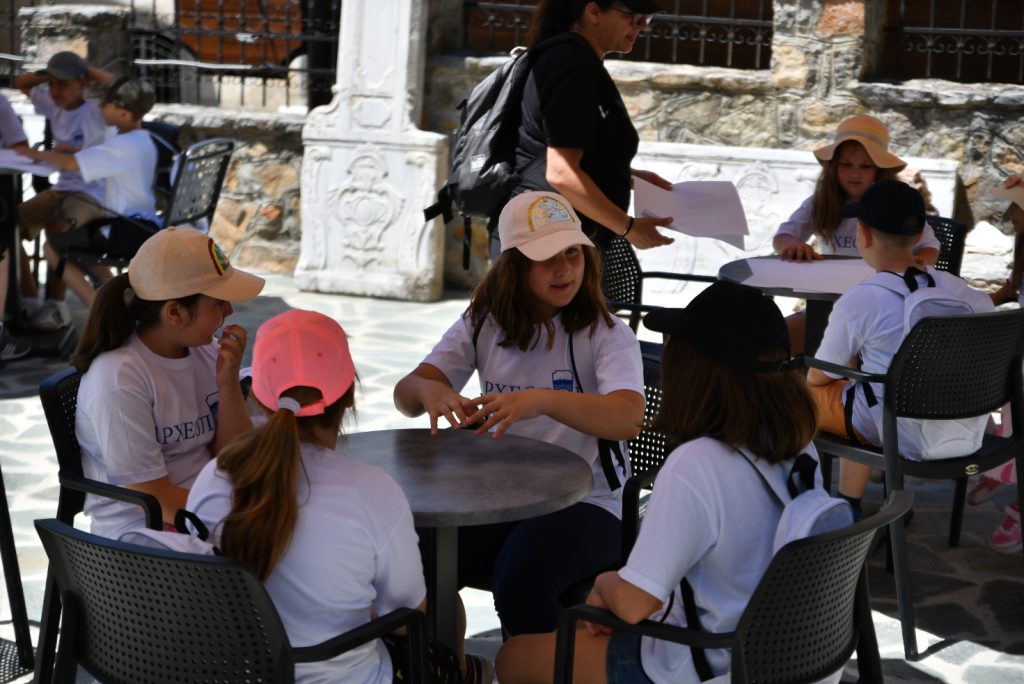
The target group of the project was children aged 7–12, selected from the primary school “St. Naum of Ohrid” in Peshtani, with which the Institute and Museum of Ohrid has signed a memorandum of cooperation. We reached more than 60 children.
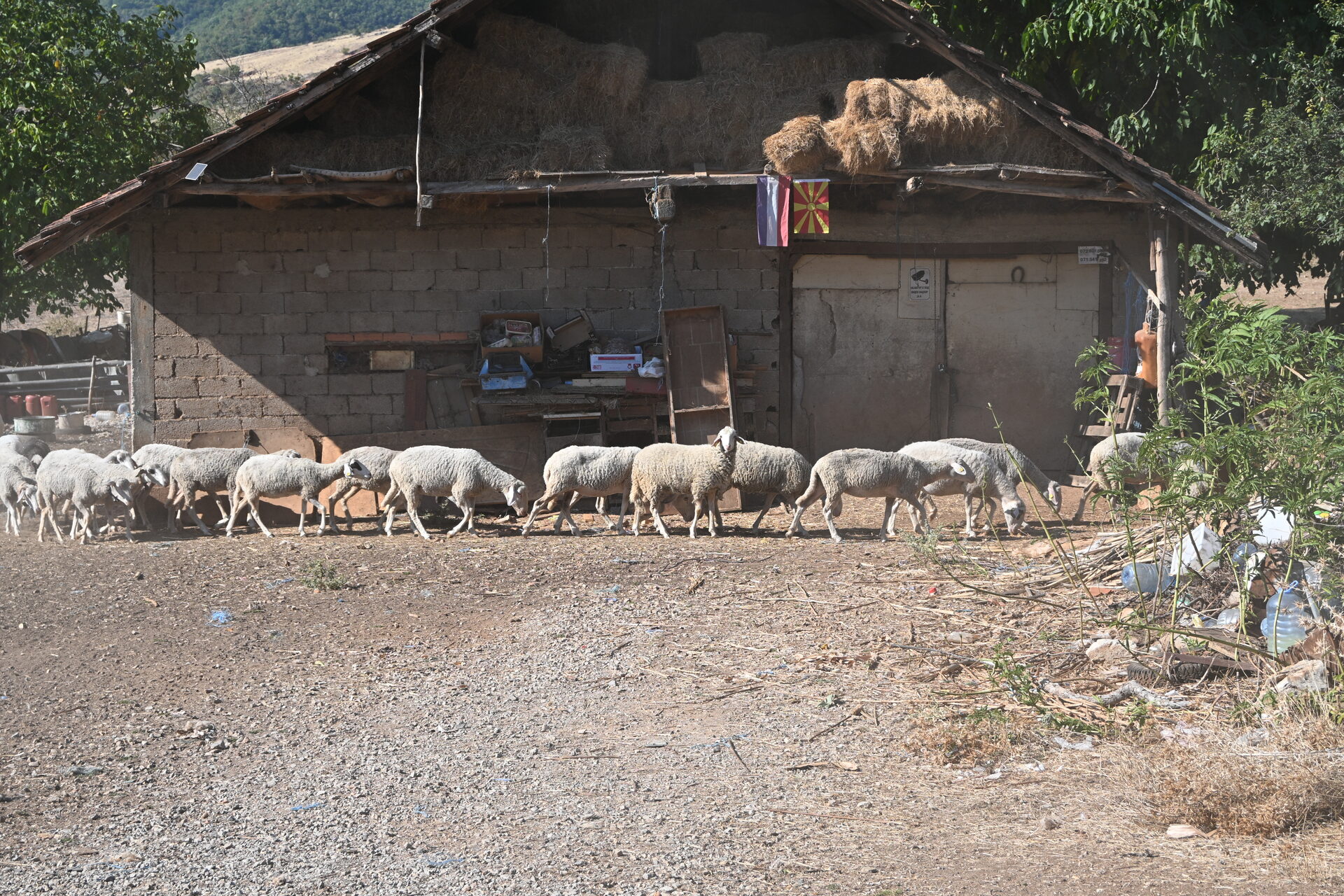
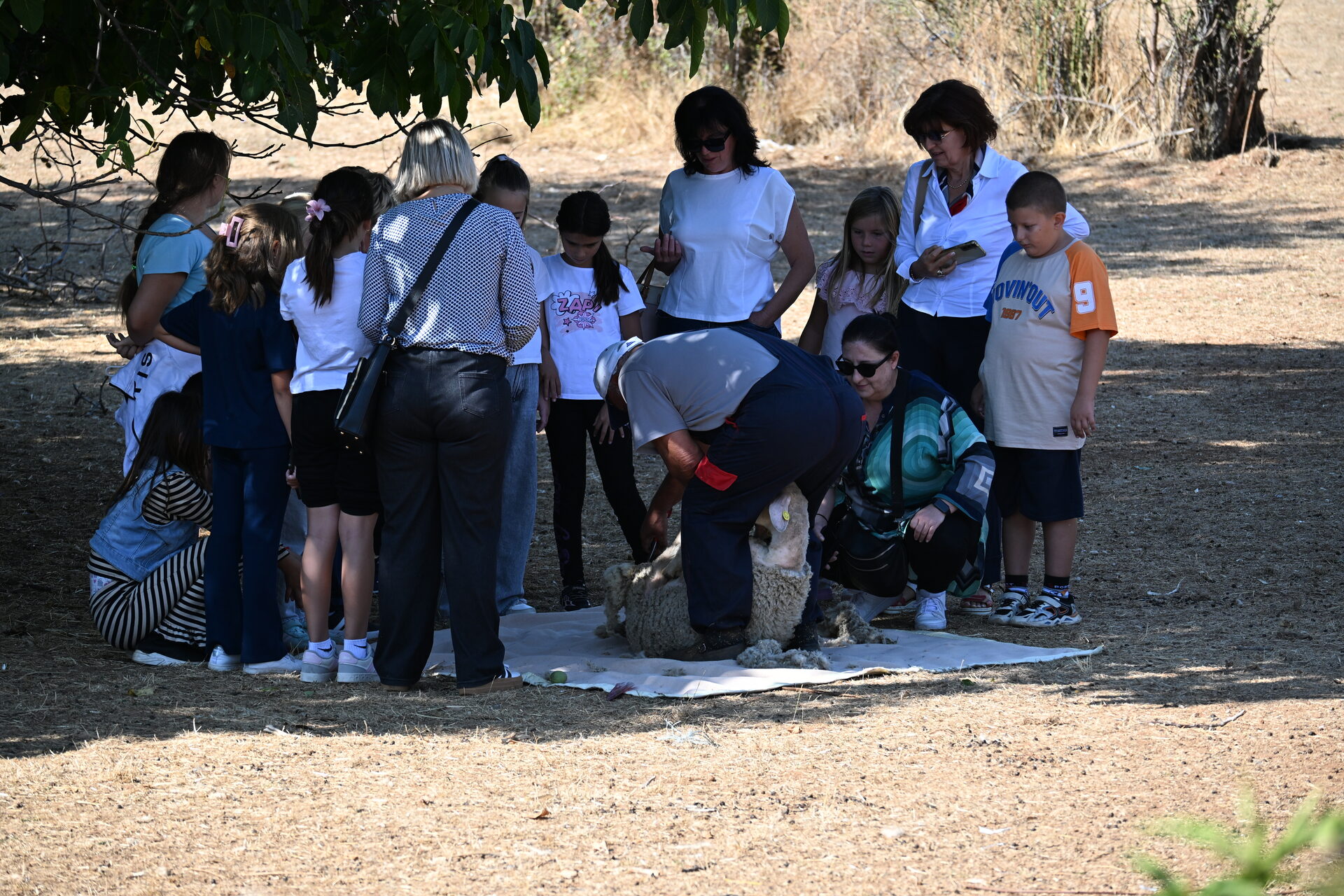
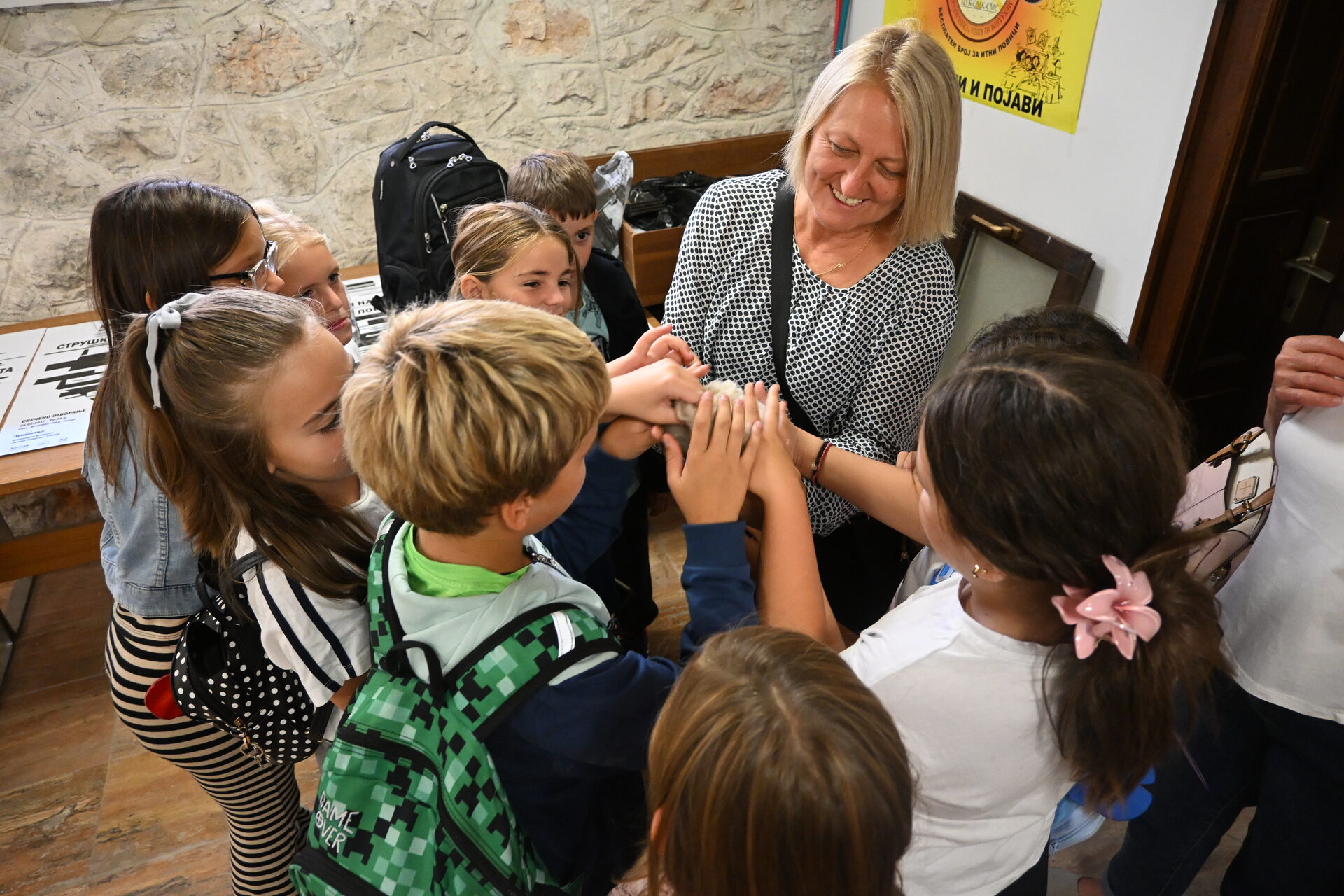
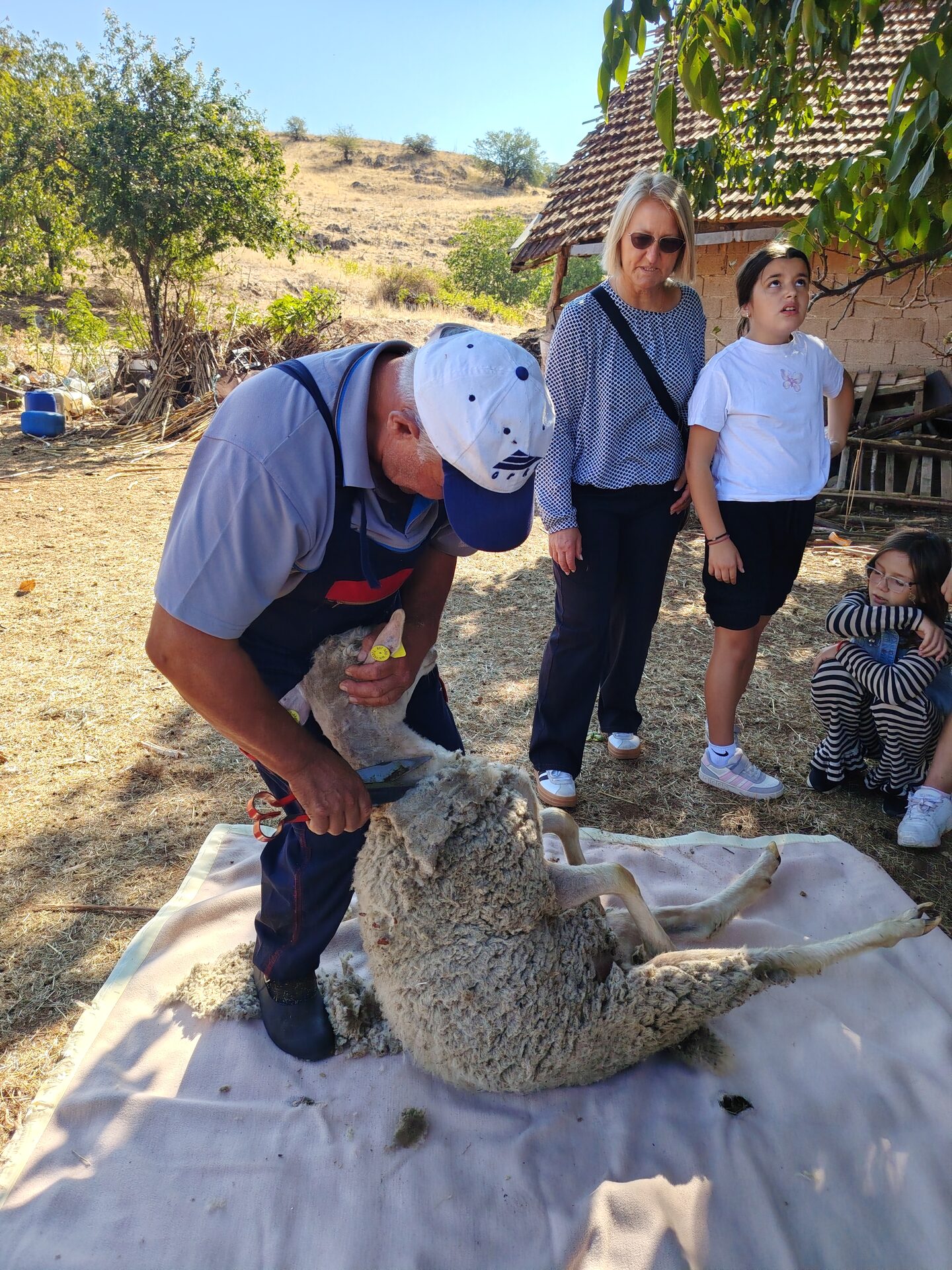
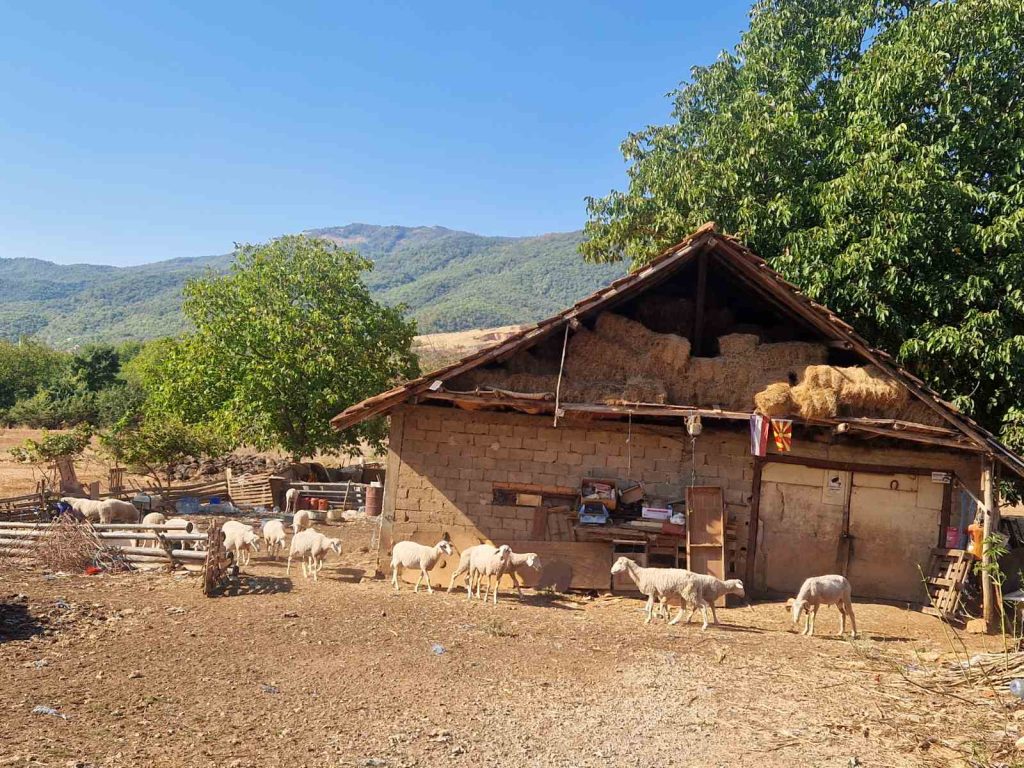
As planned, the project began with a visit to a sheepfold in the Struga region, where the children, most of them for the first time, saw a flock of sheep up close and touched the wool with their own hands. They also watched the shearing and learned how the wool is then processed into the yarn used for weaving.
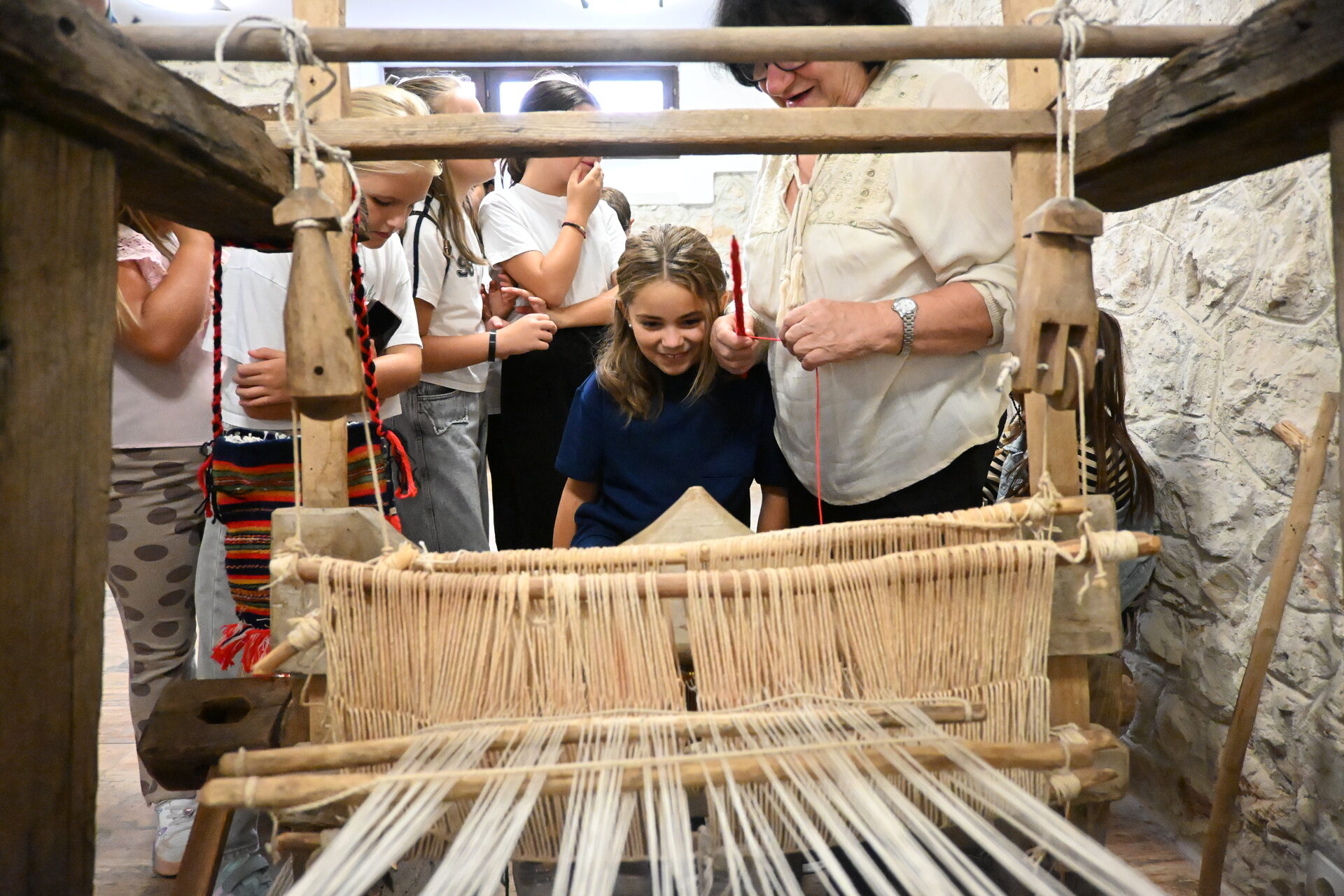
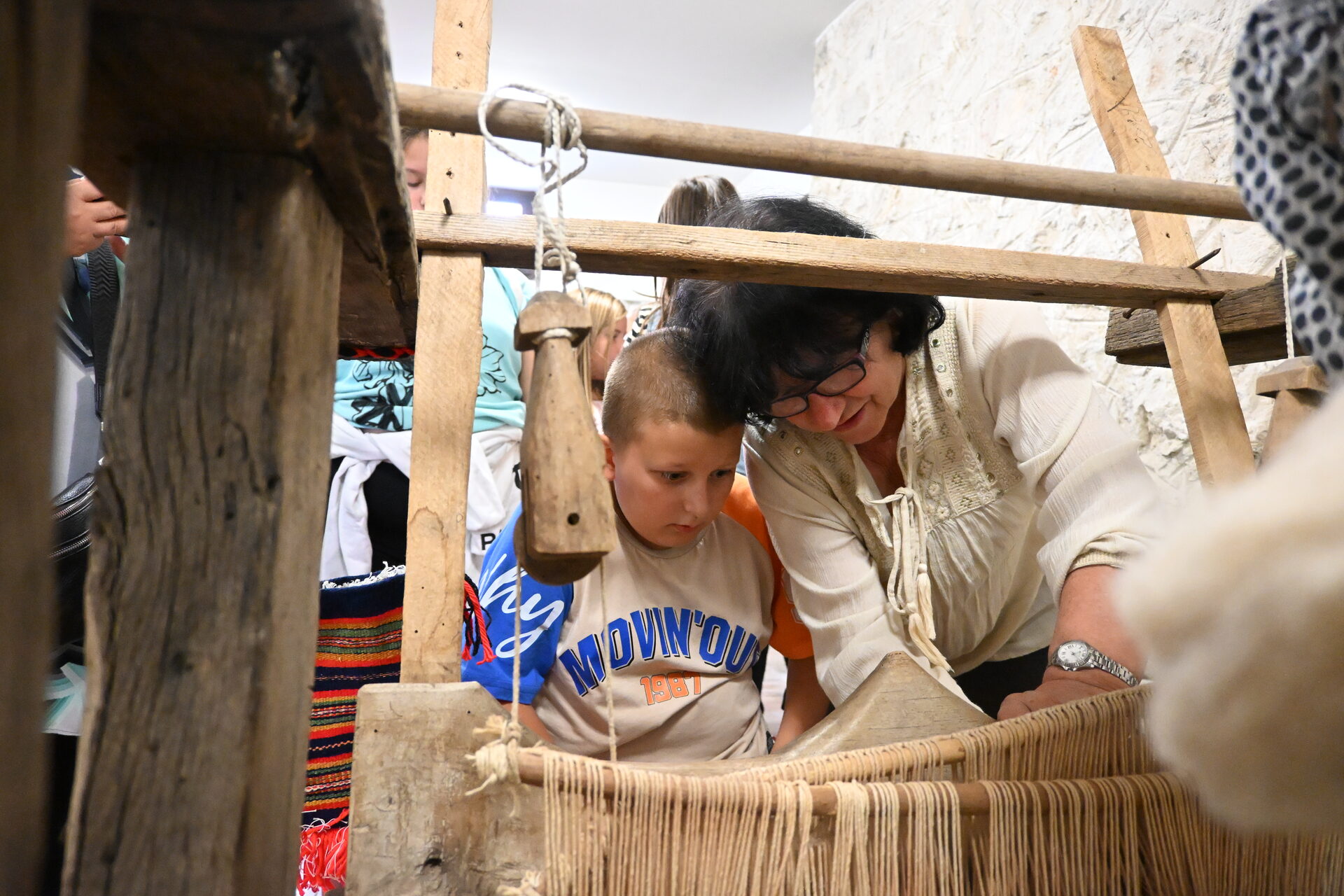
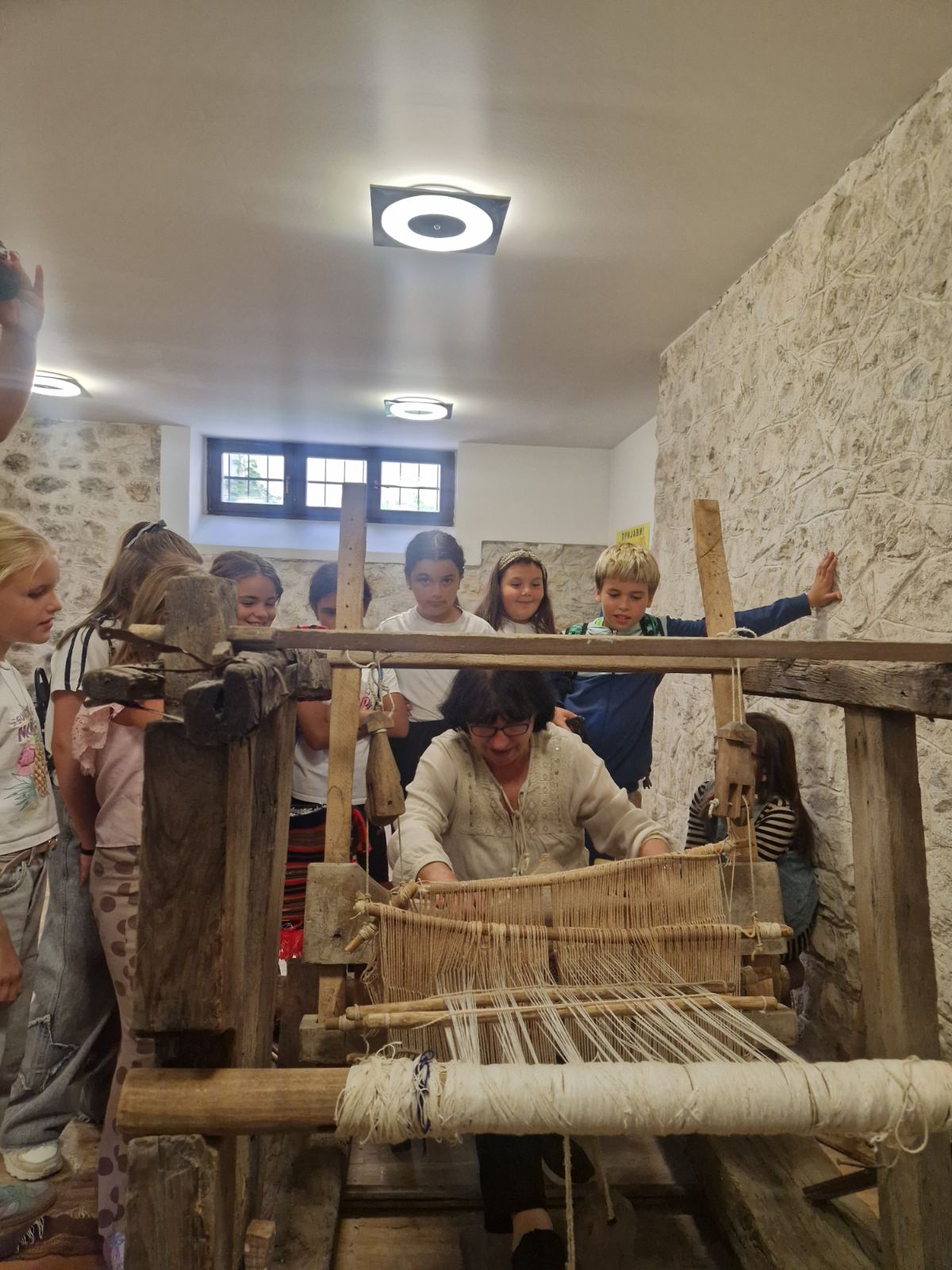
This was followed by a presentation of traditional loom weaving at the Miladinov Brothers Memorial House in Struga, where every child had the chance to see a loom, sit at it and learn how weaving is done.
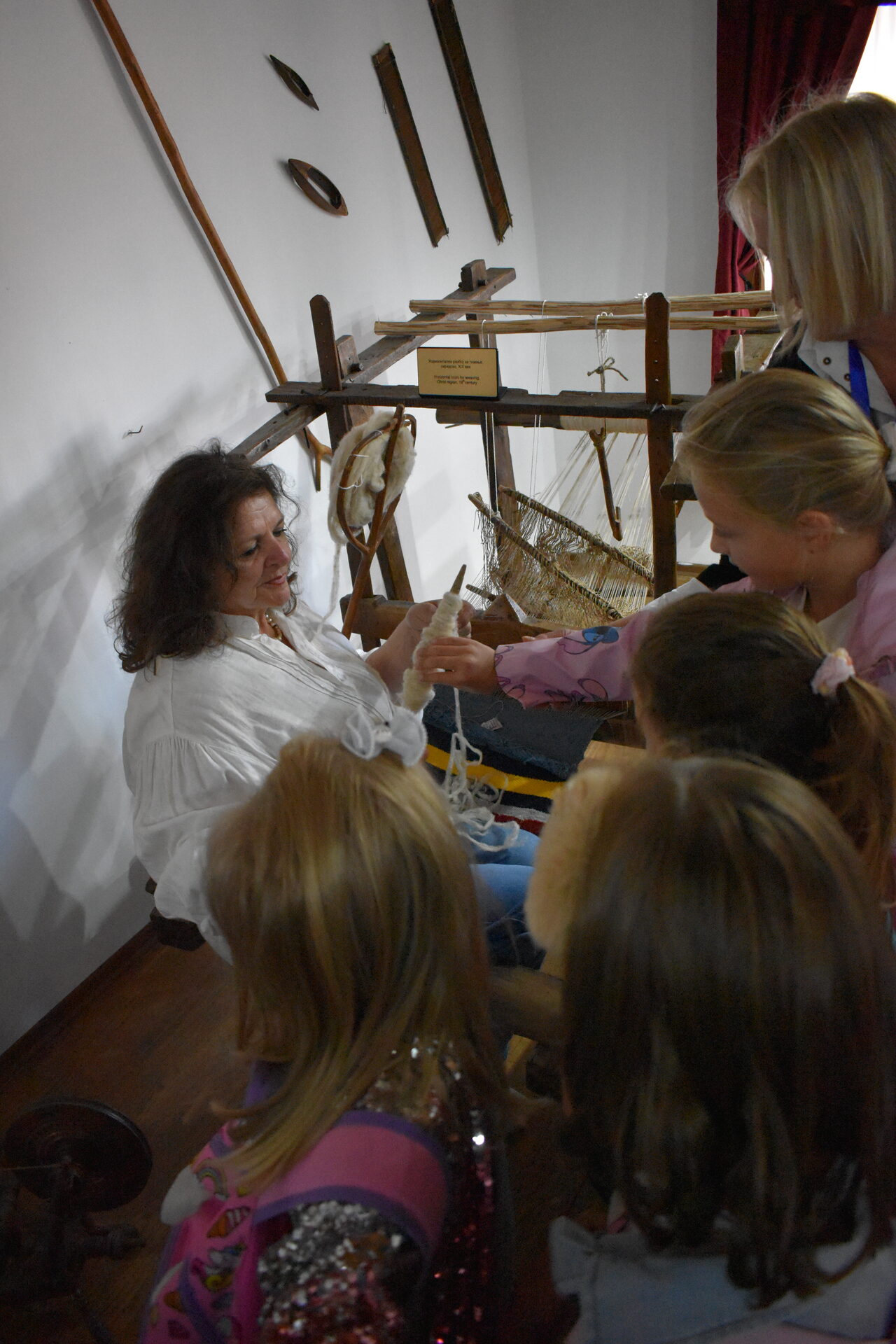
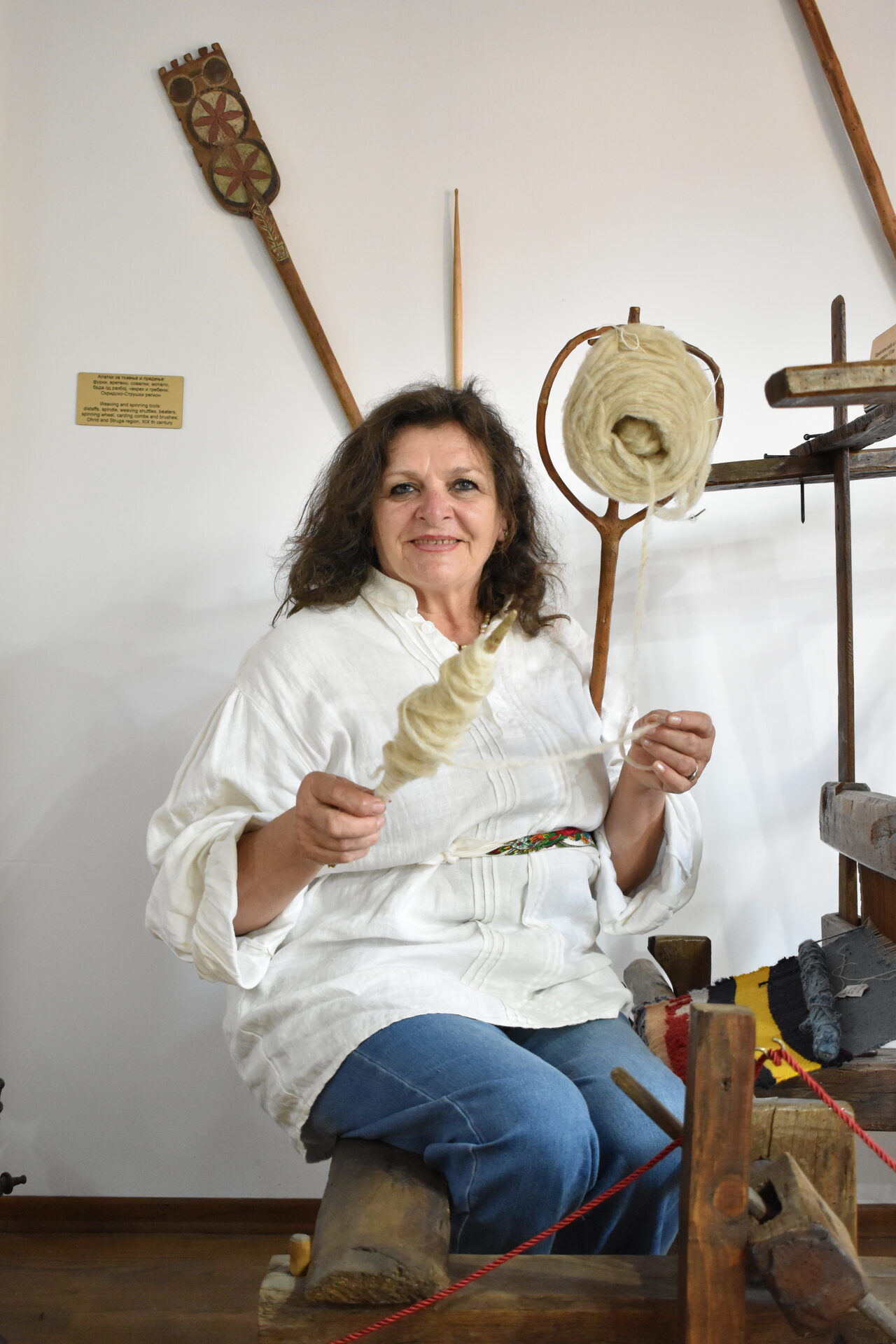
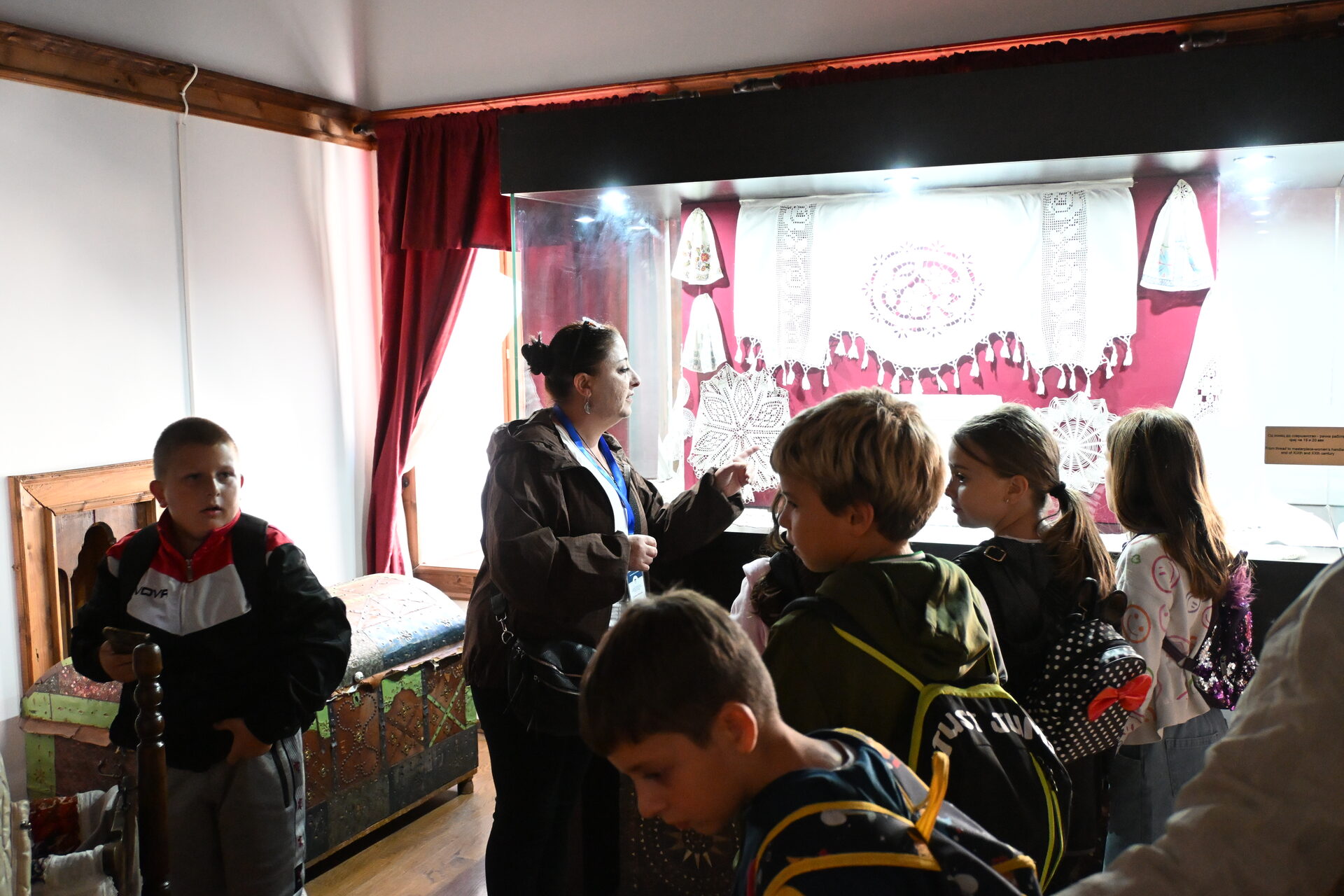
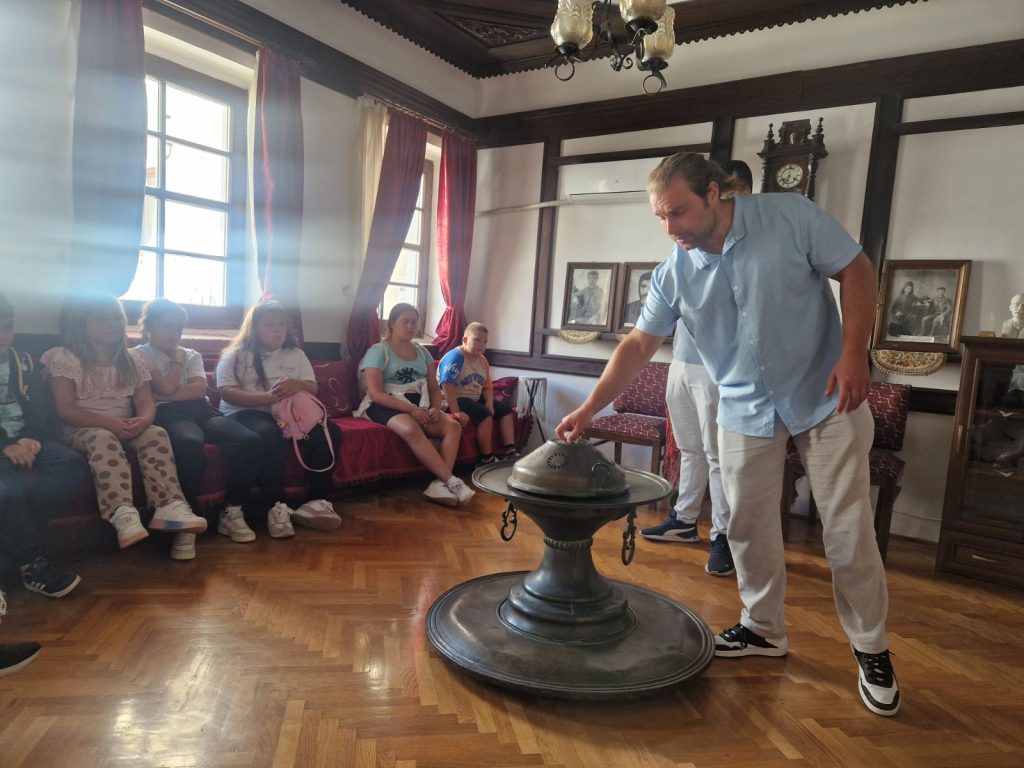
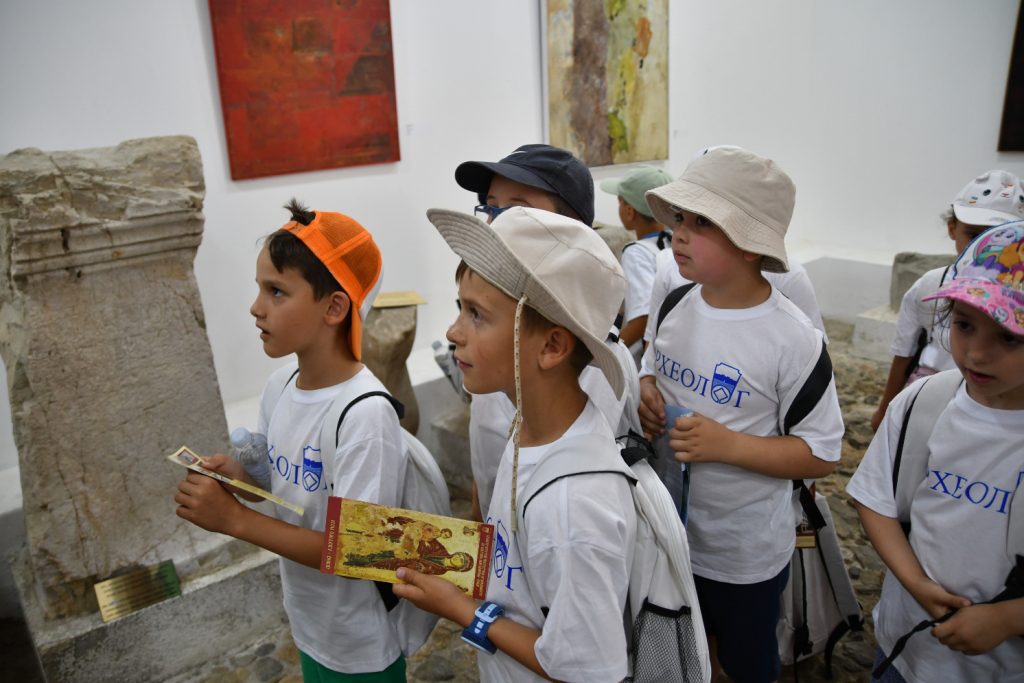
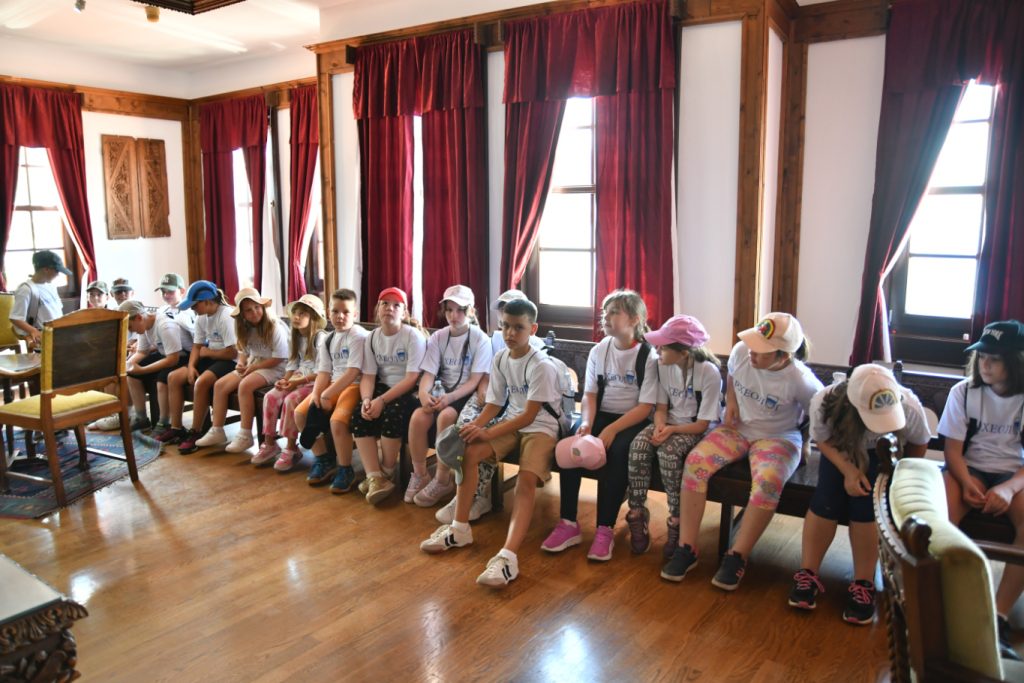
The project continued with a visit to the Robevci House, where the children learned what a museum is and what the museum does. During the visit they toured the ethnological exhibition in the house and saw many museum objects, among them items made of woven wool. Using some of the museum exhibits (wool combs, a distaff and a spindle), the children saw how wool is drawn out and traditionally spun.
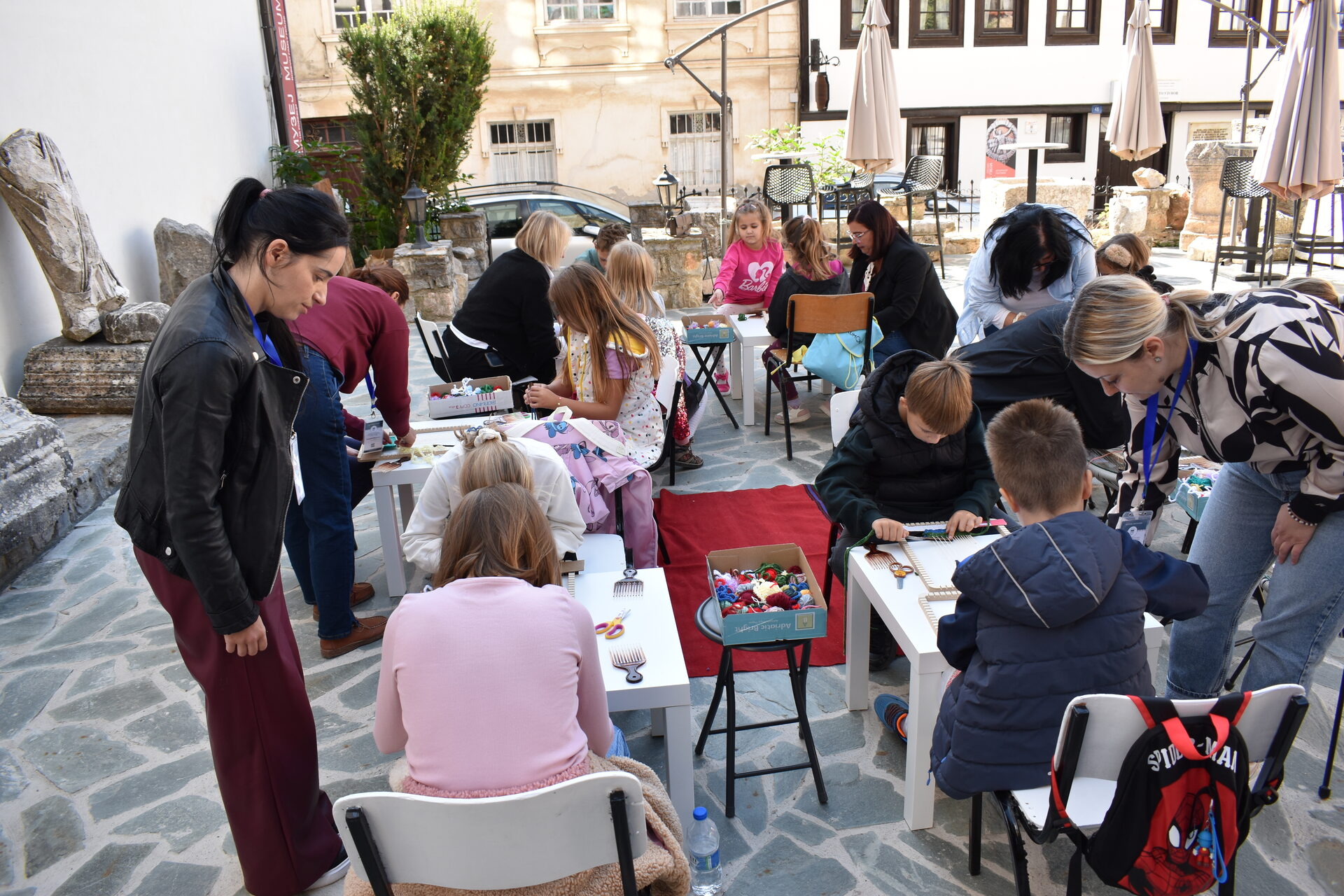
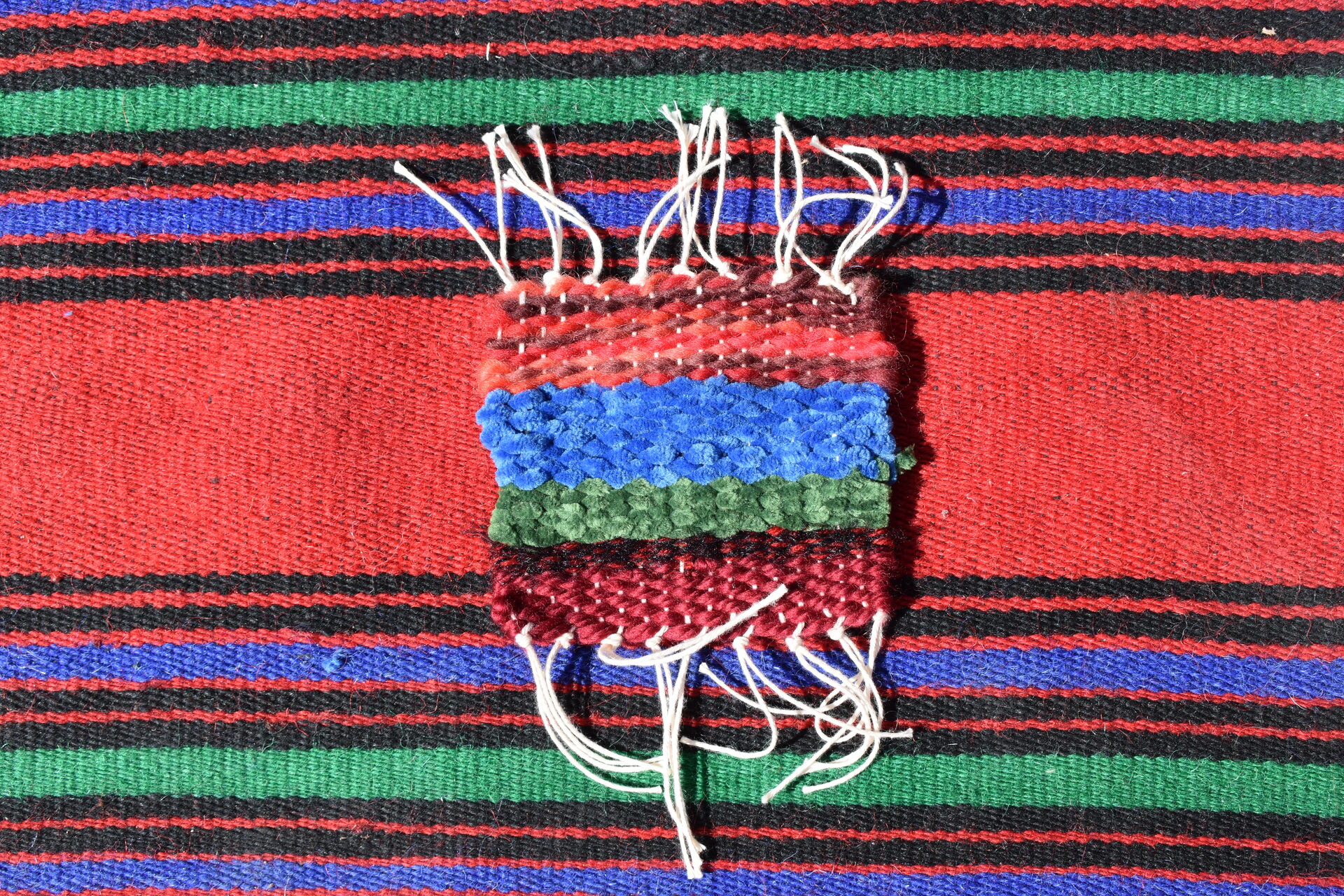
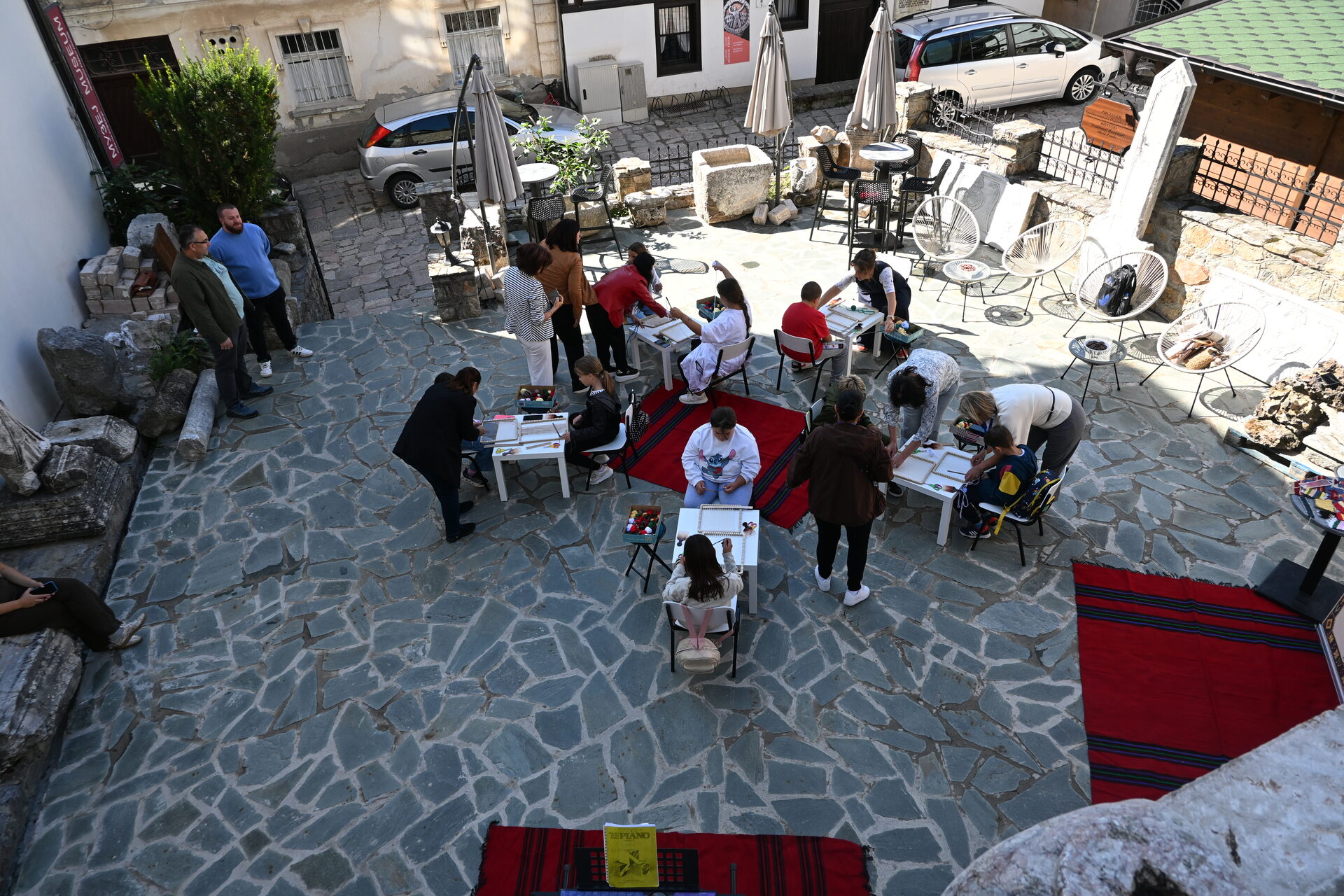
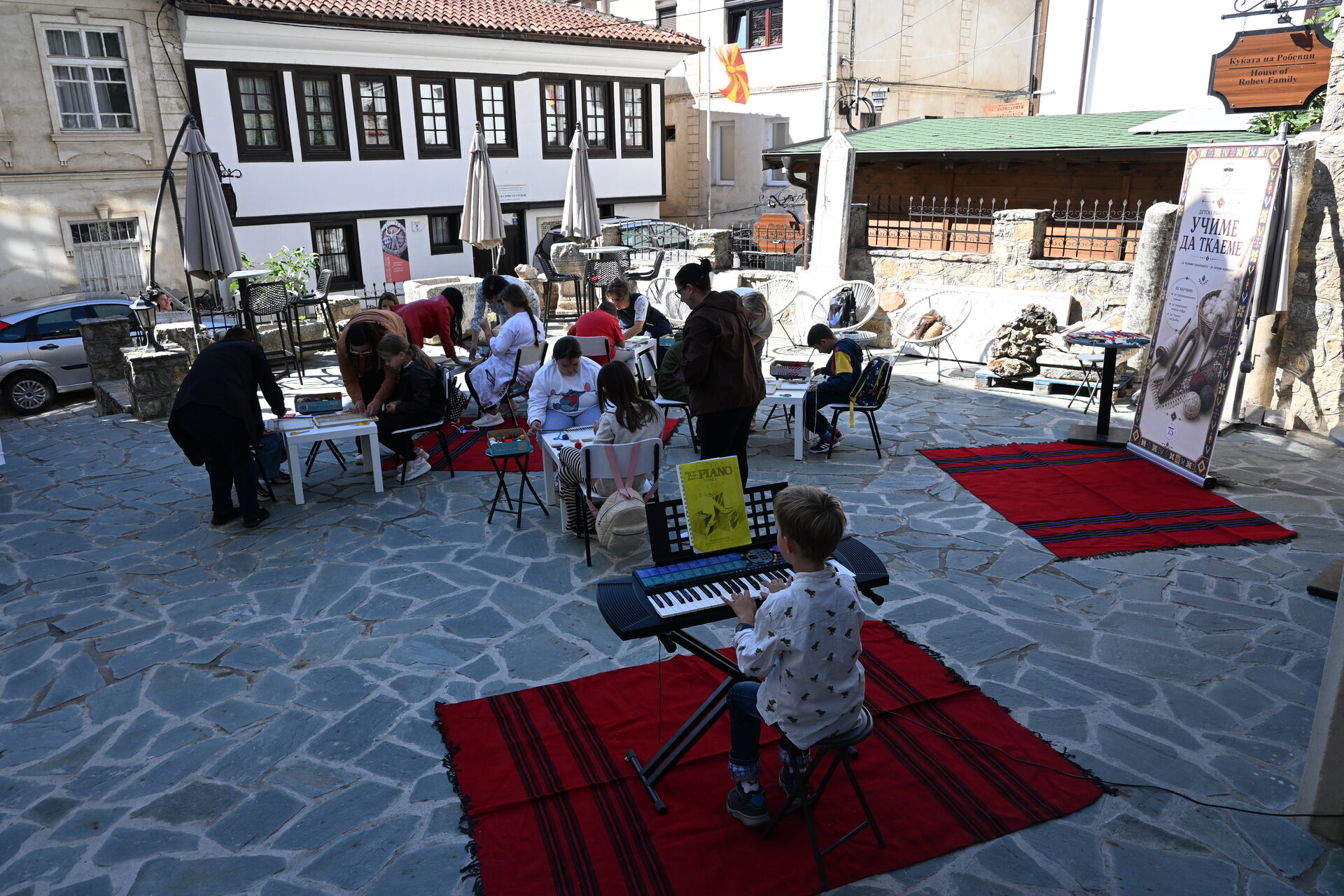
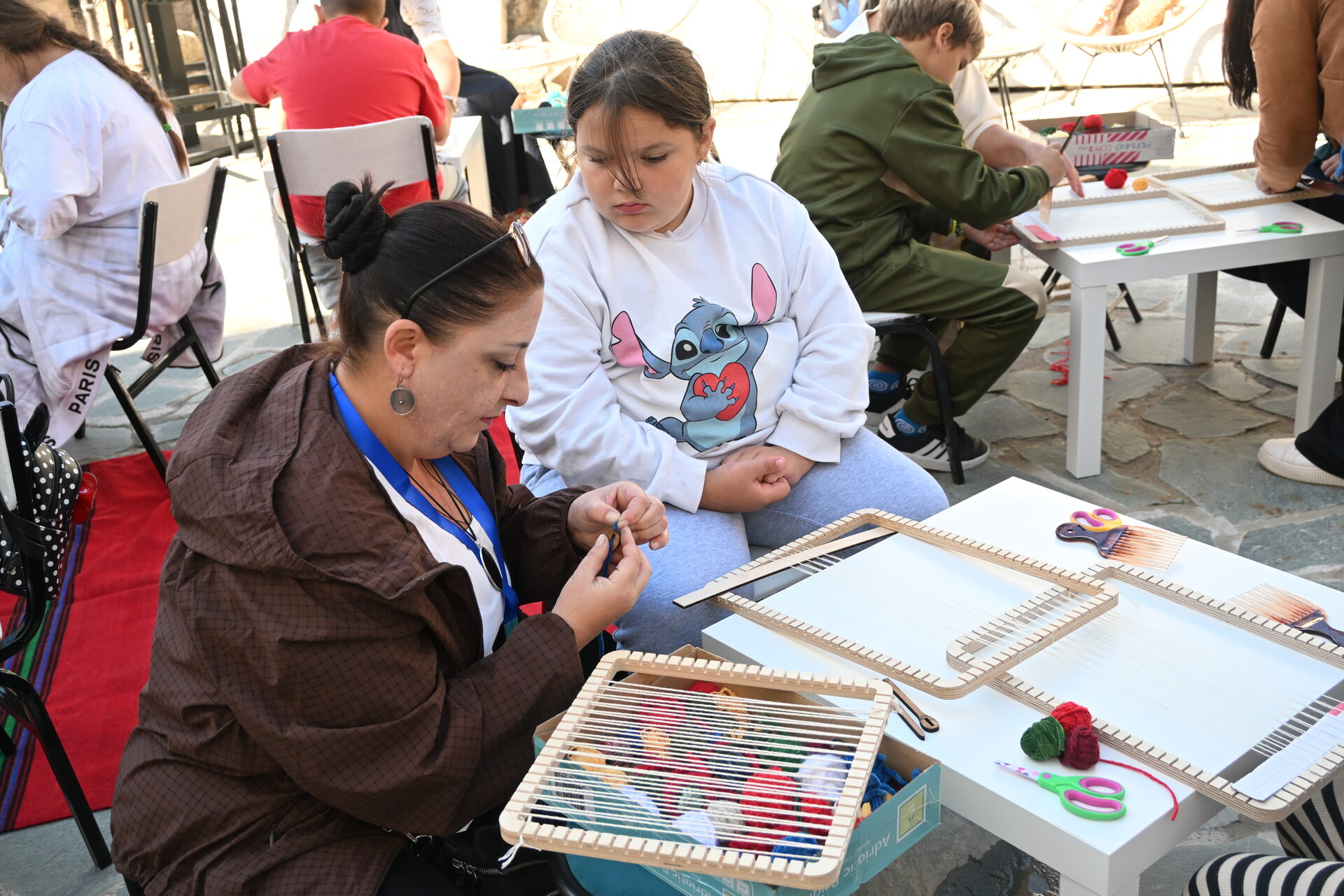
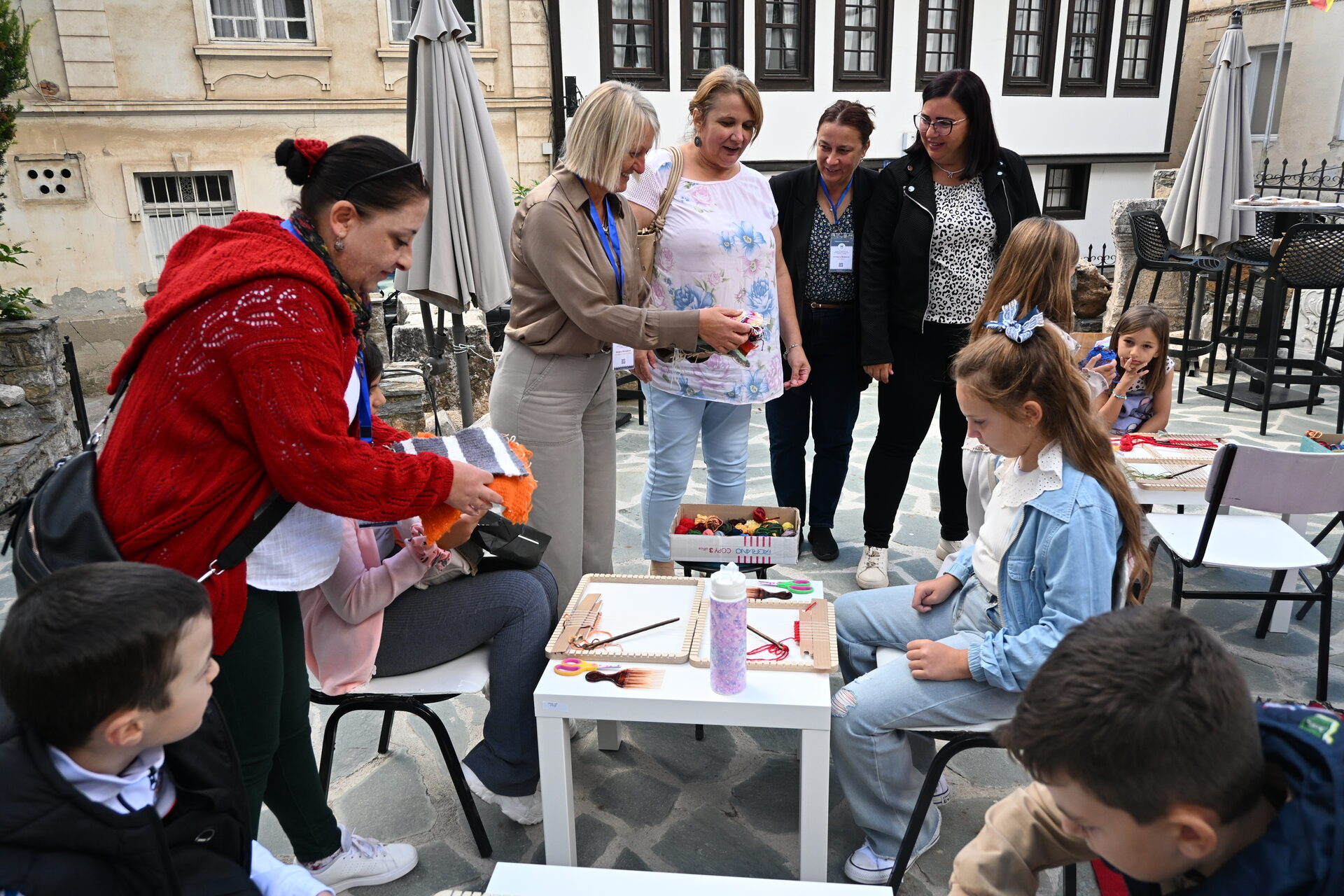
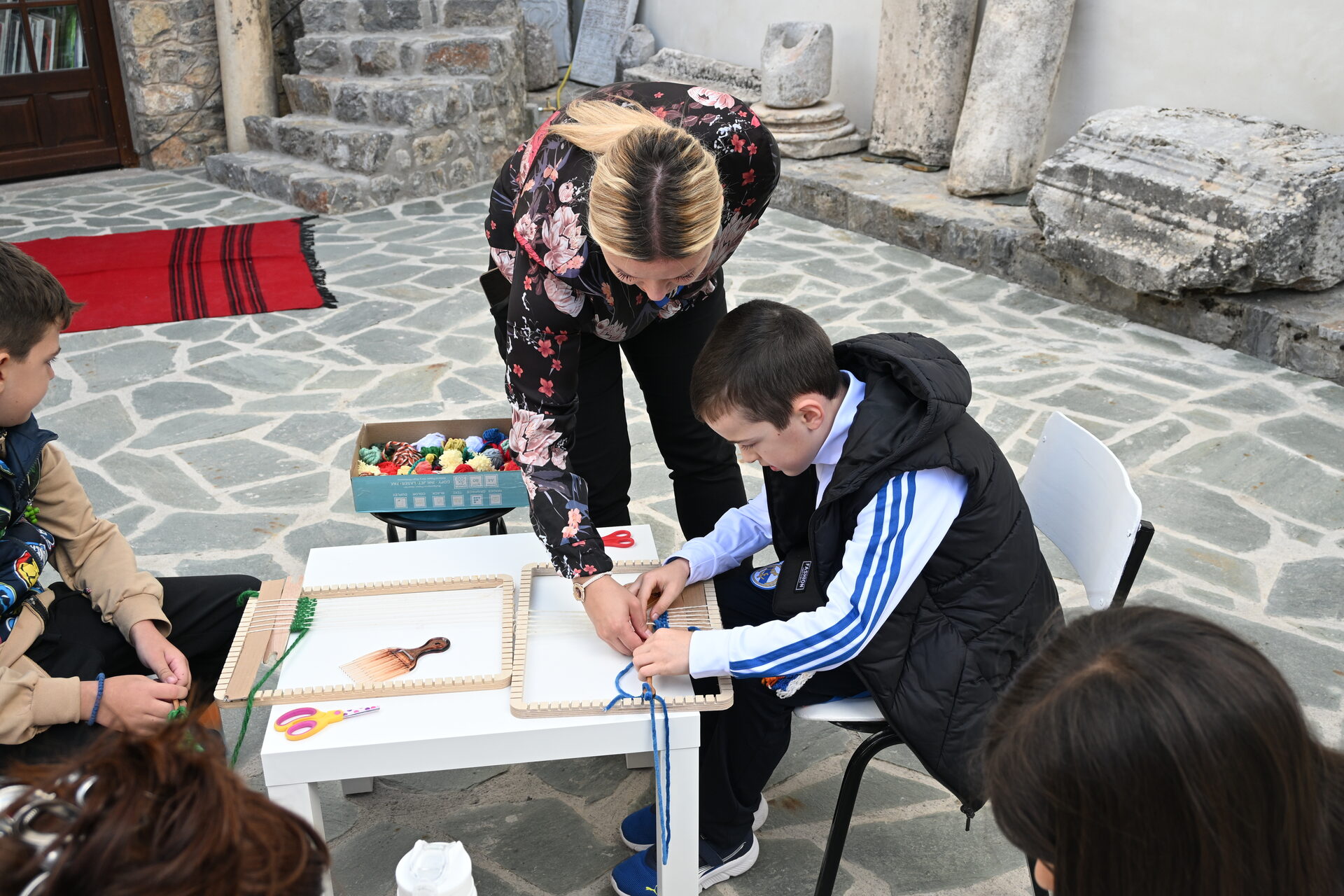
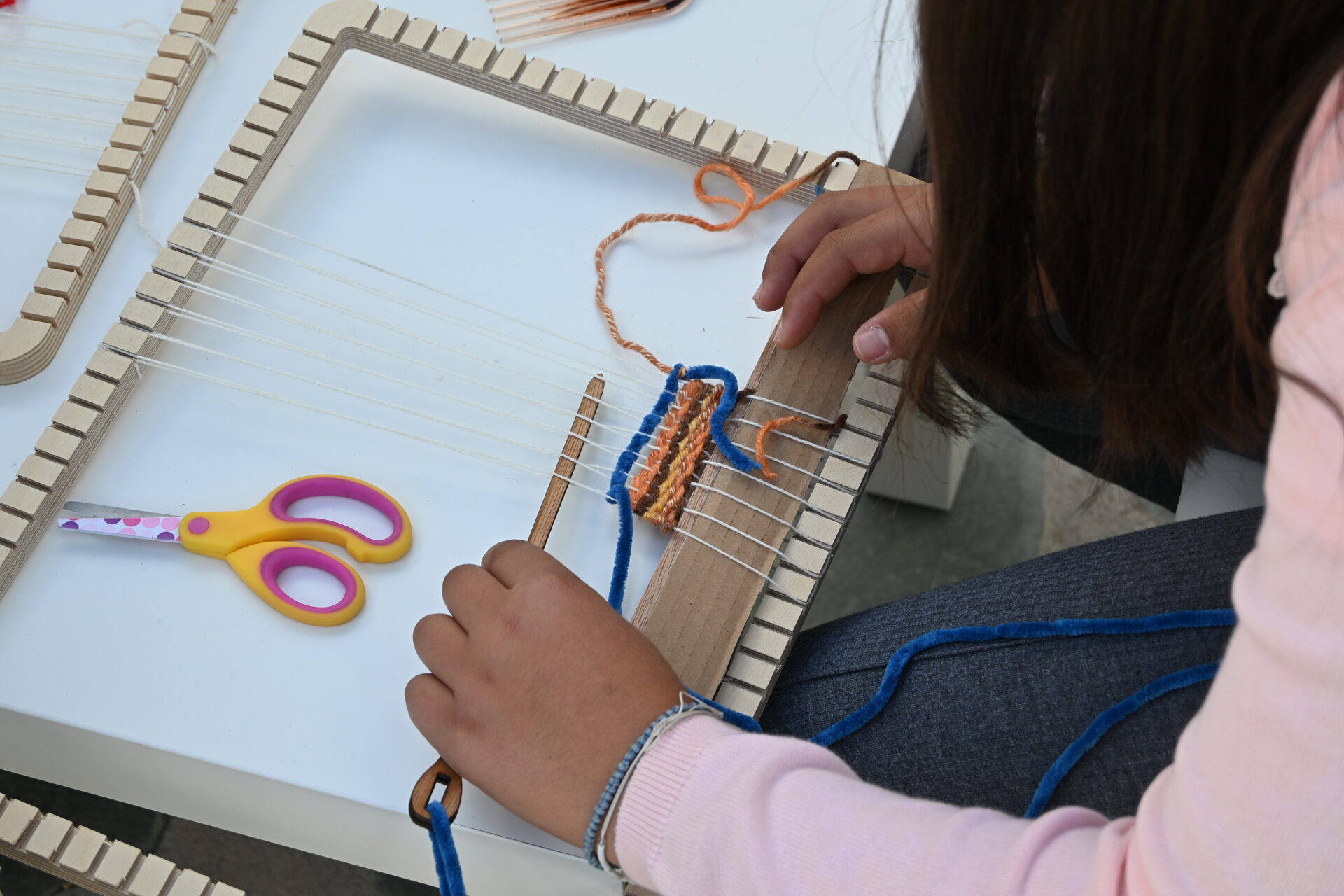
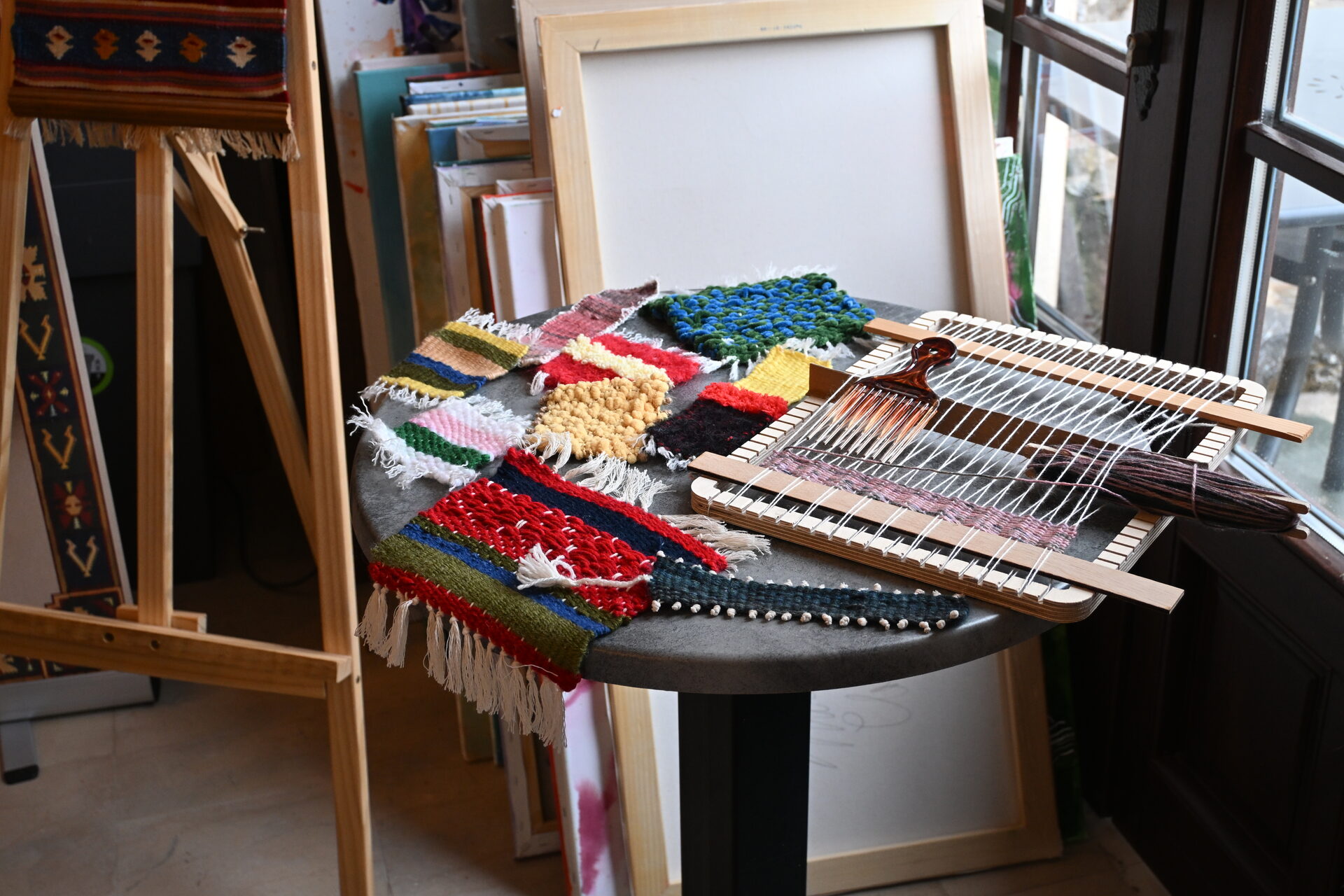
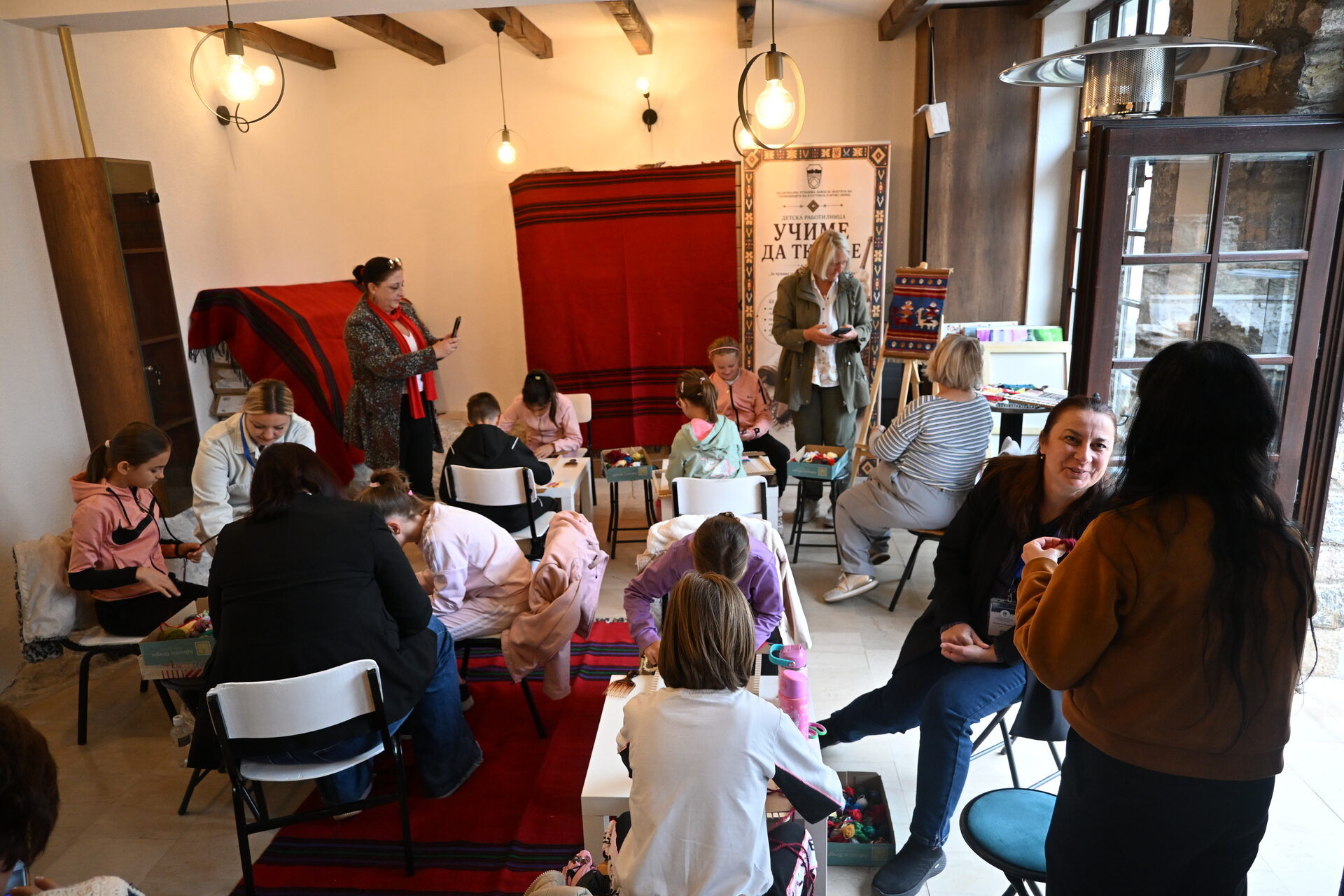
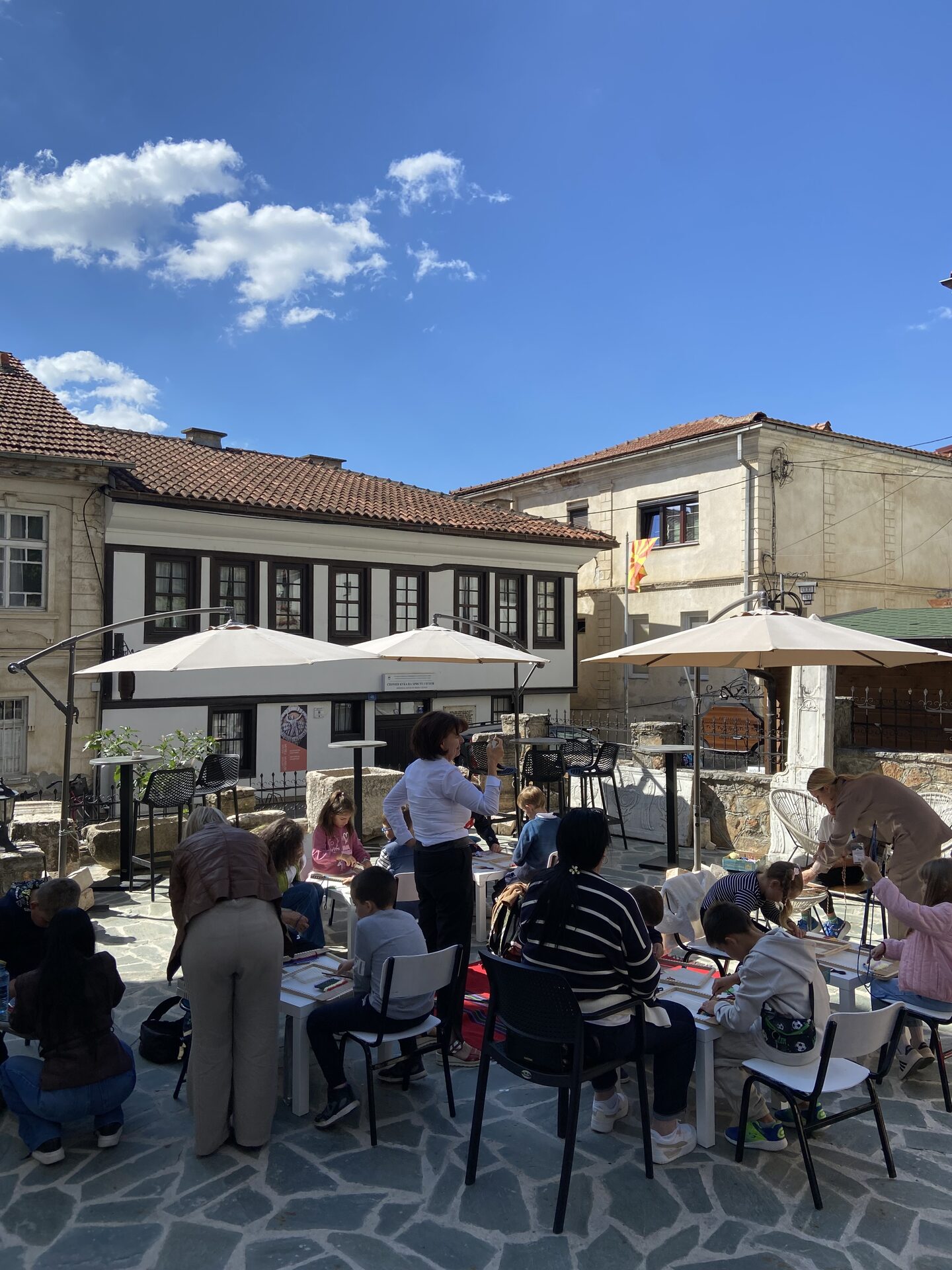
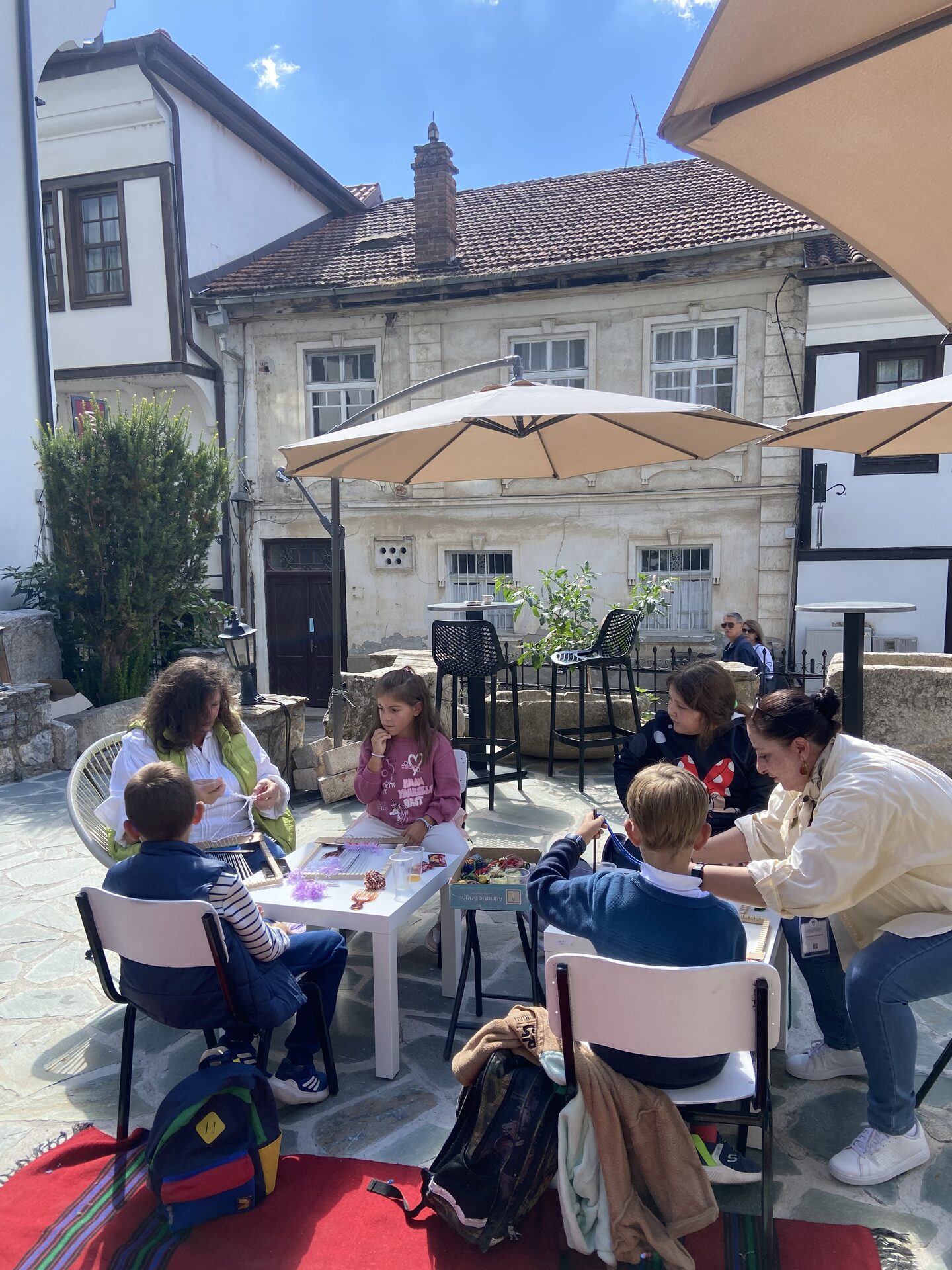
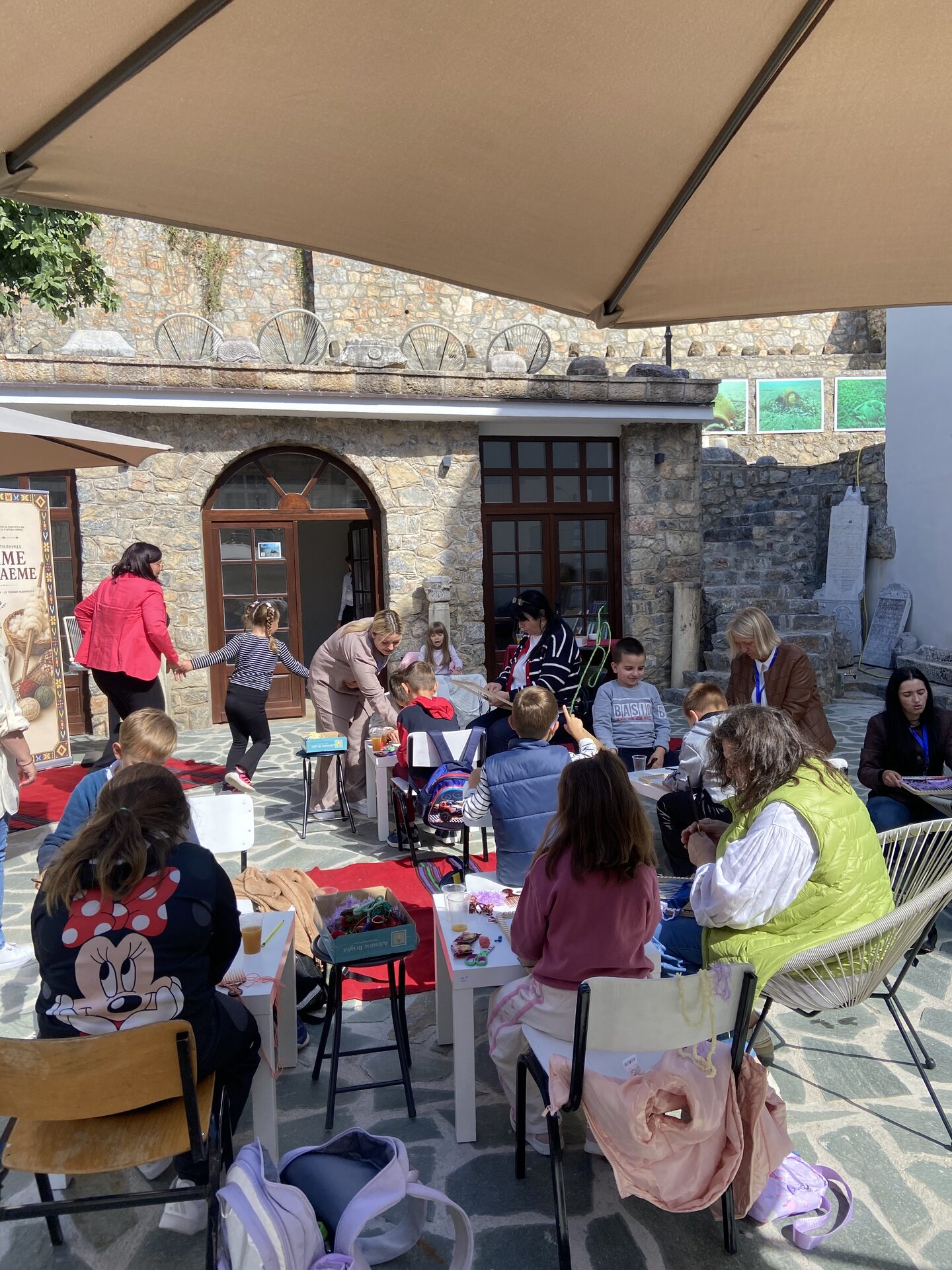
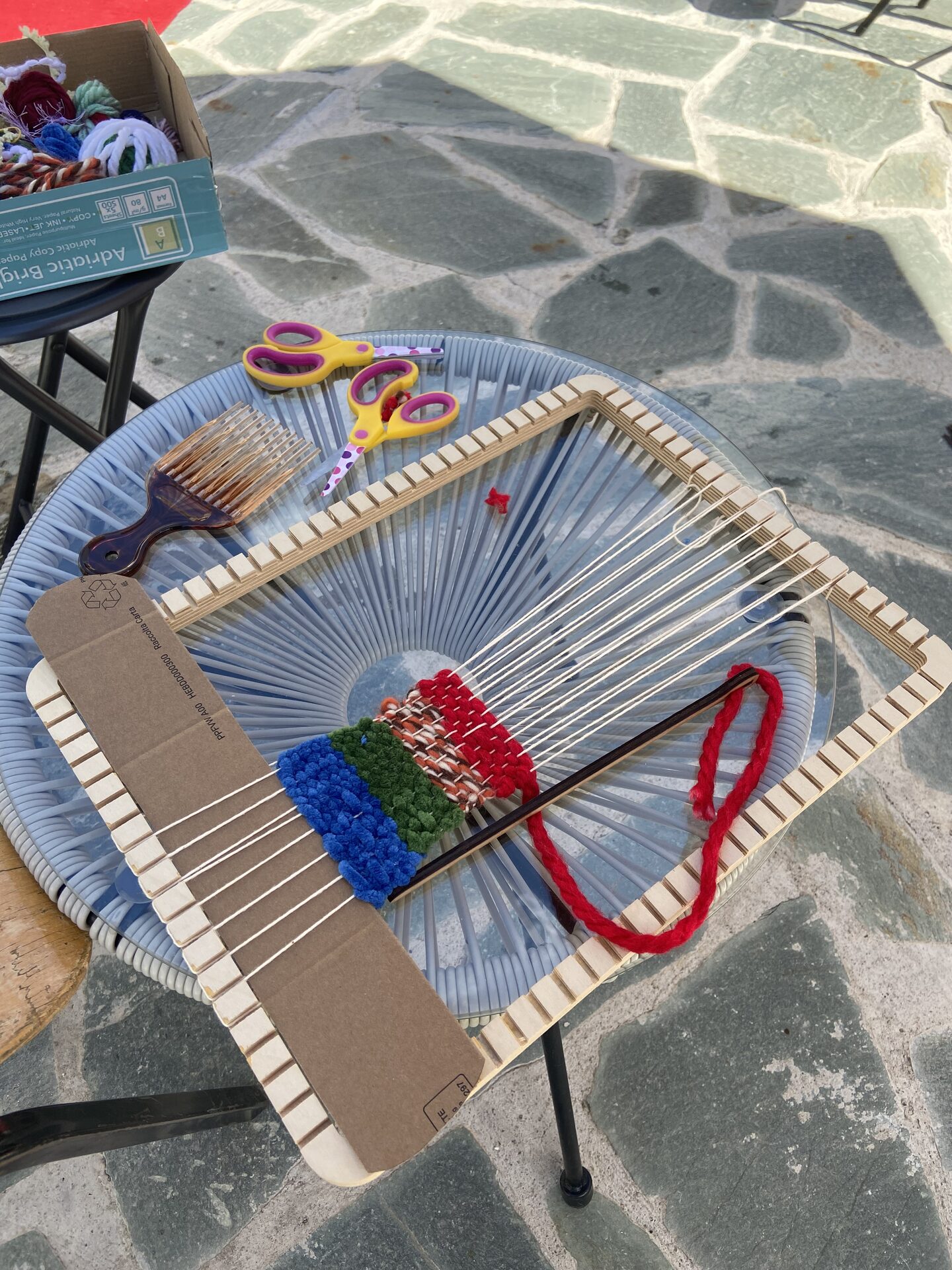
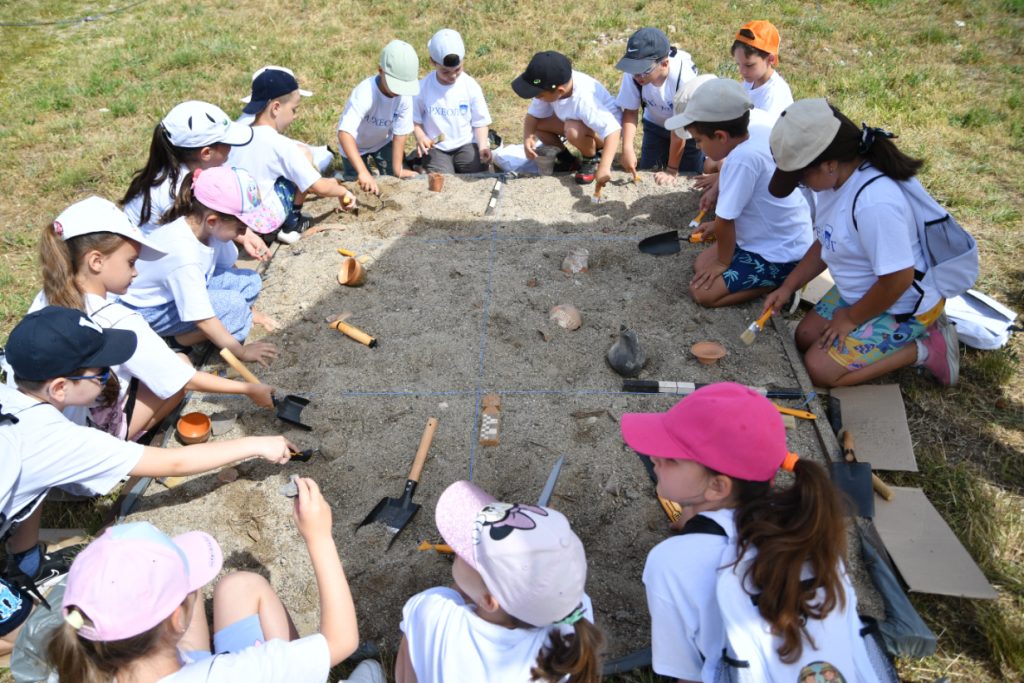
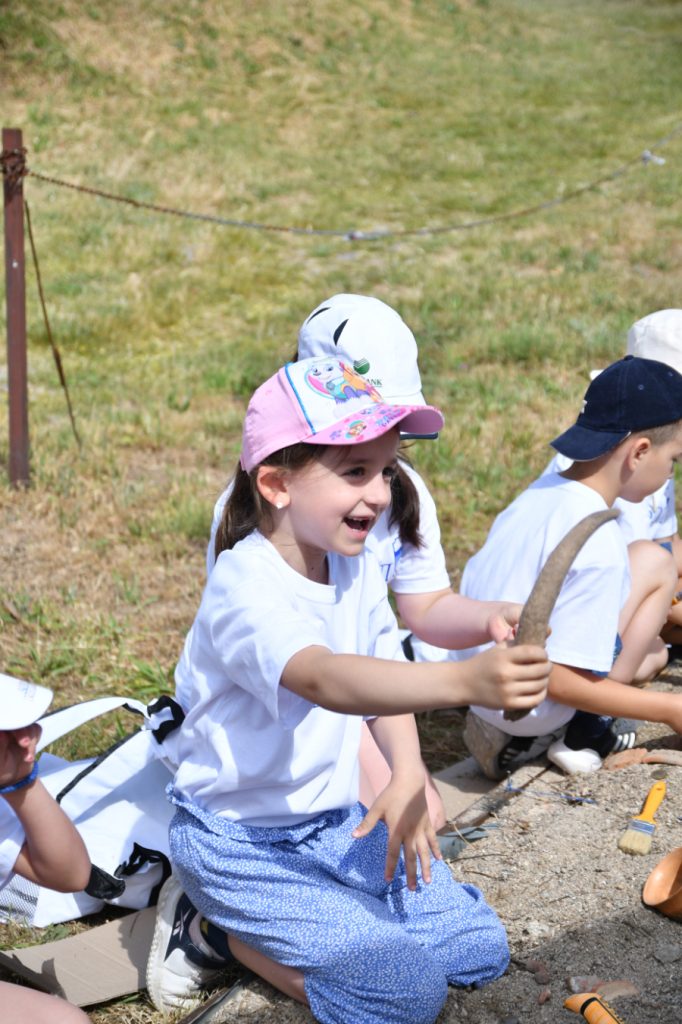
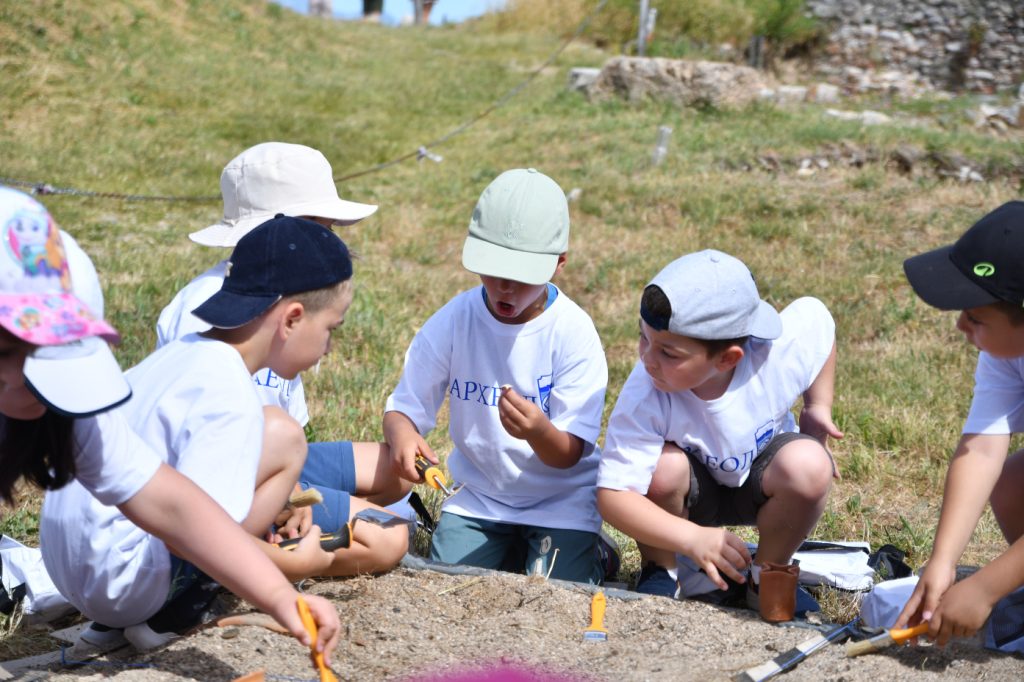
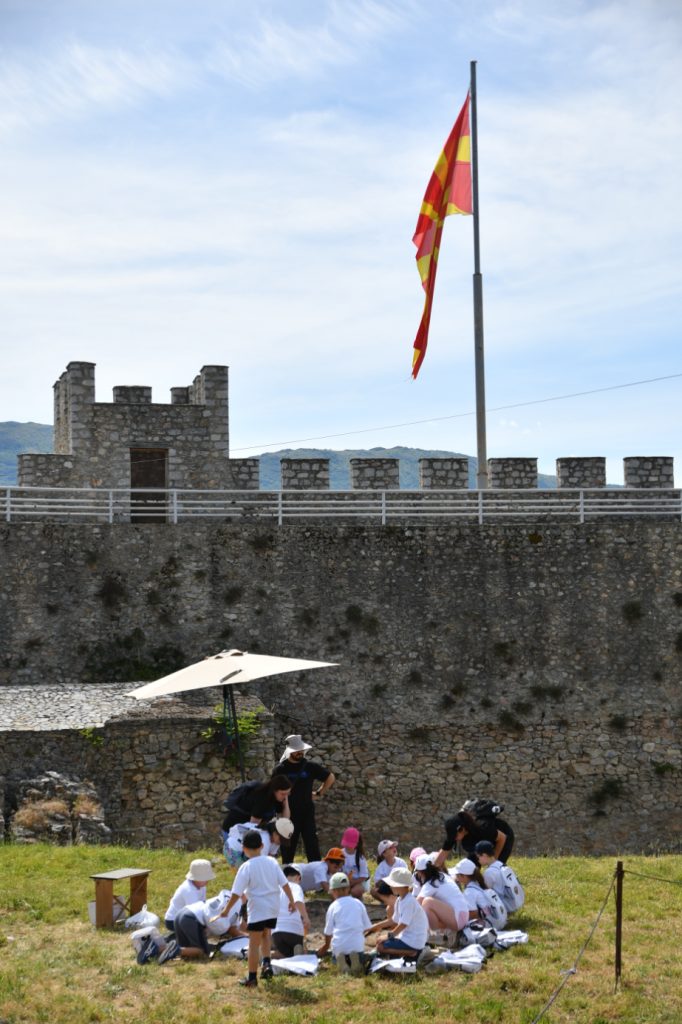
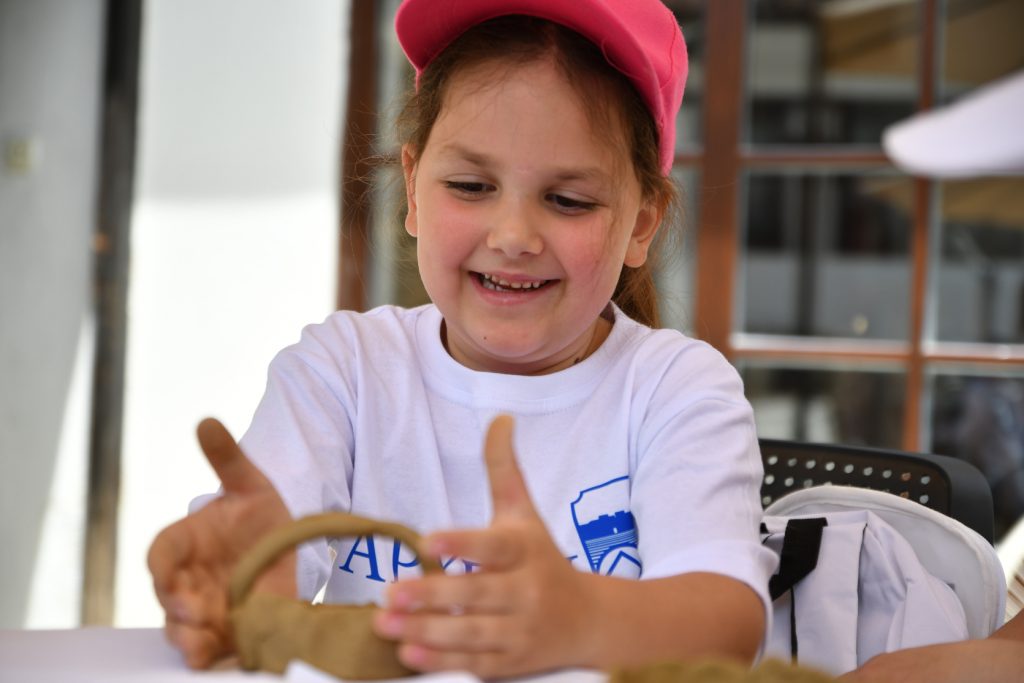
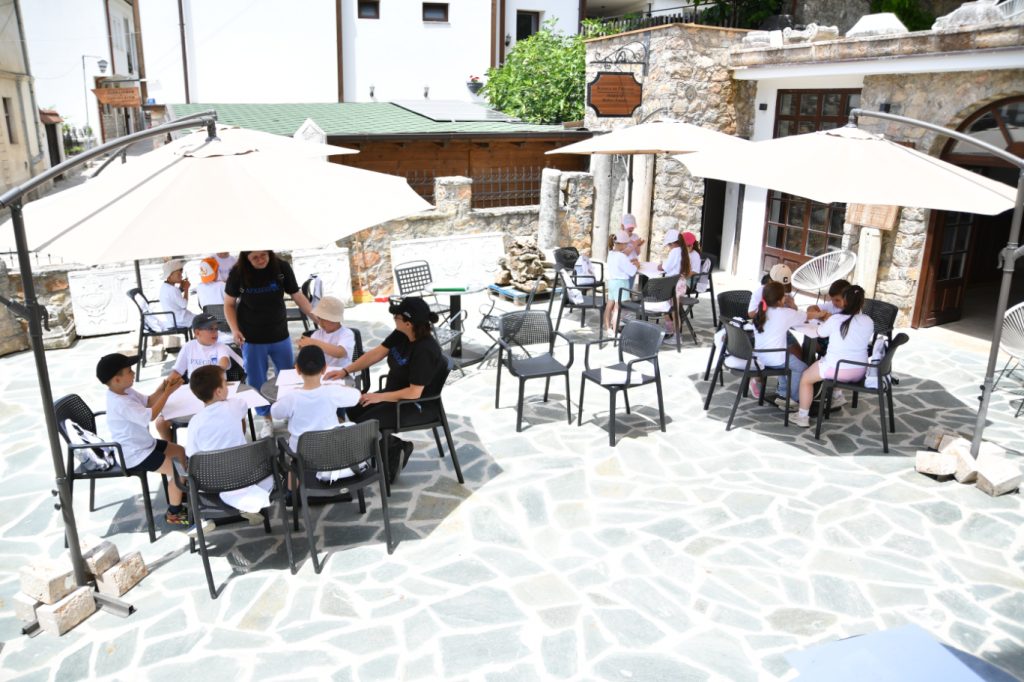
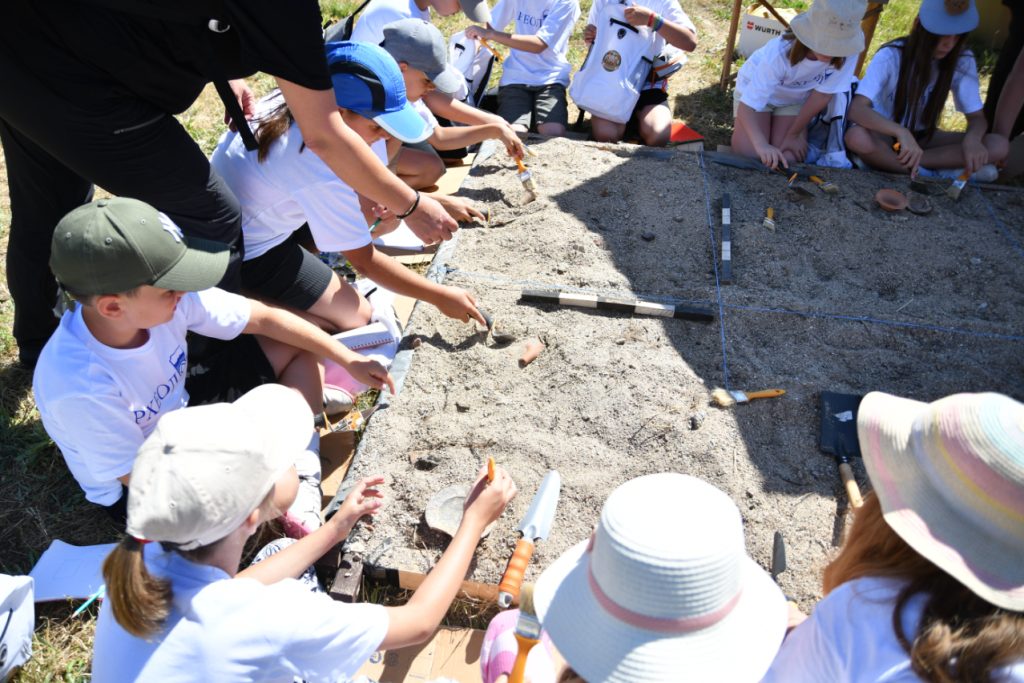
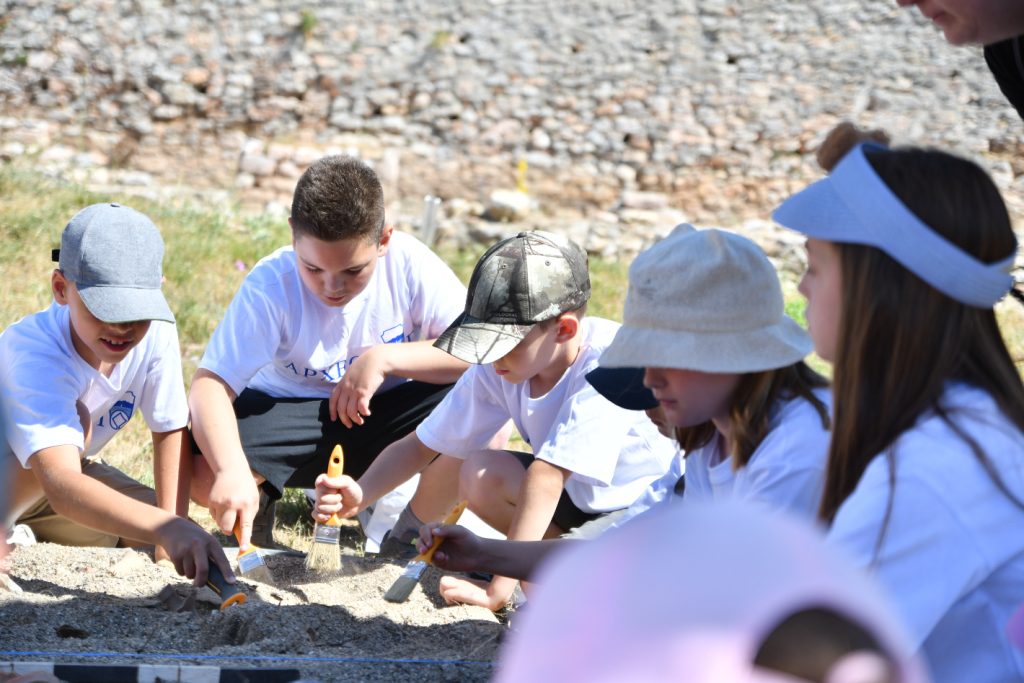
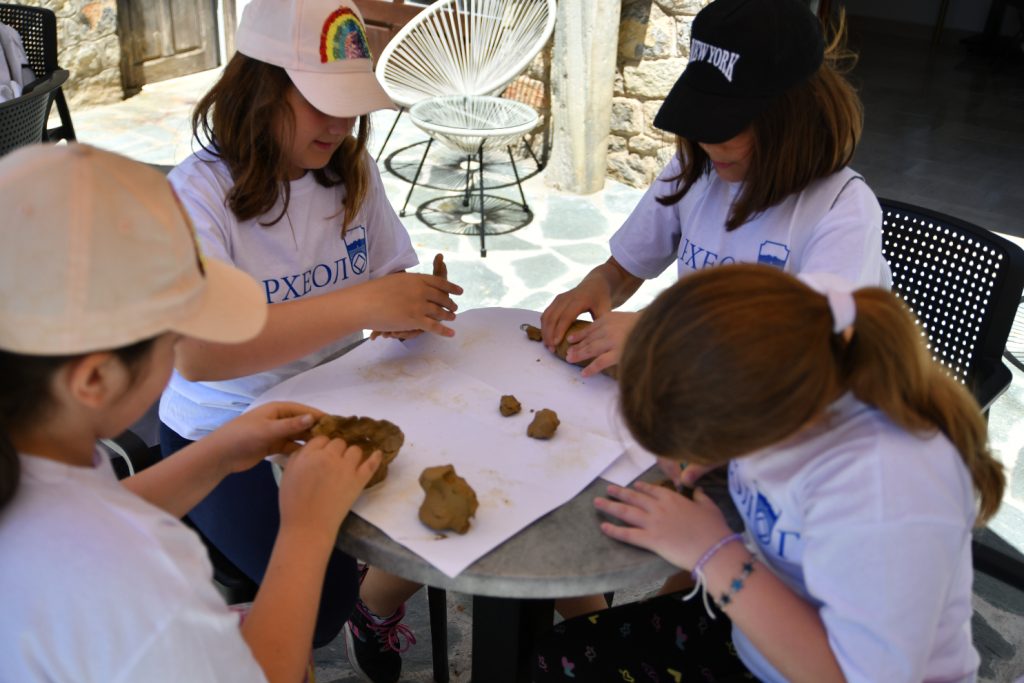
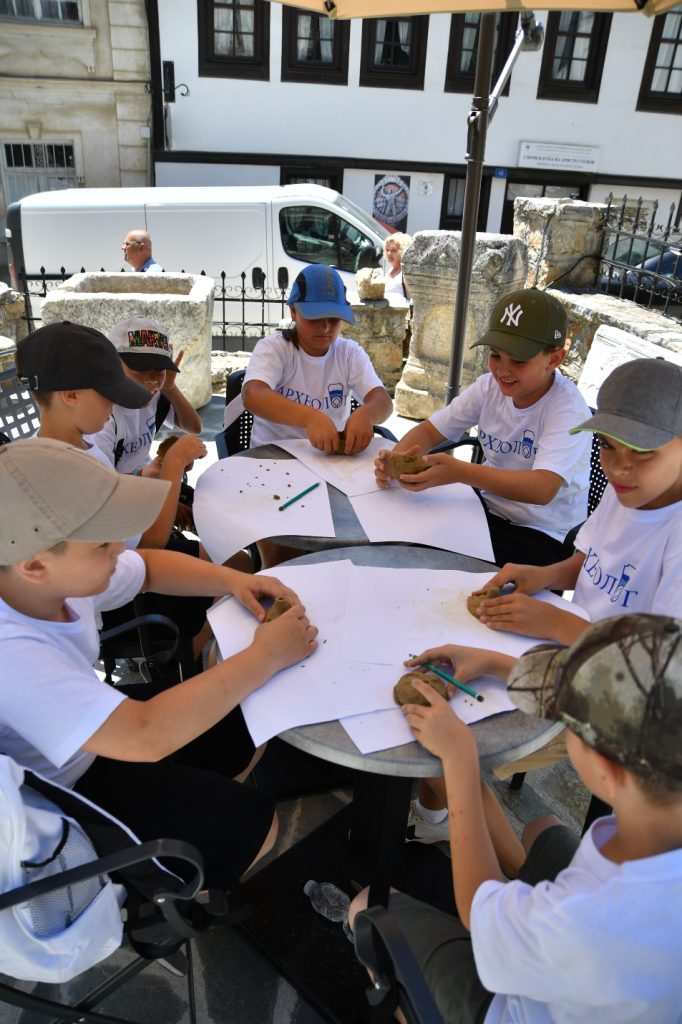
The children’s hands-on work on weaving frames took place at the Lapidarium museum and cultural centre, where each child made a product based on their own idea and, most importantly, with their own hands.
Project leaders: Biljana Mitanoska, B.Sc. Eng. Technologist – Conservator; Olivera Miseva – Senior Curator Ethnologist.
Members of the expert team: Ivan Malezanov – Curator Archaeologist; Katerina Velkoska – Curator Art Historian.
Colleagues who also took part in the project, with great enthusiasm and love for the children, for tradition and for museum work: Fance Bakuleska, Katerina Razmoska, Elena Strezoska, Ivan Strezoski and Bojan Tasetovik.
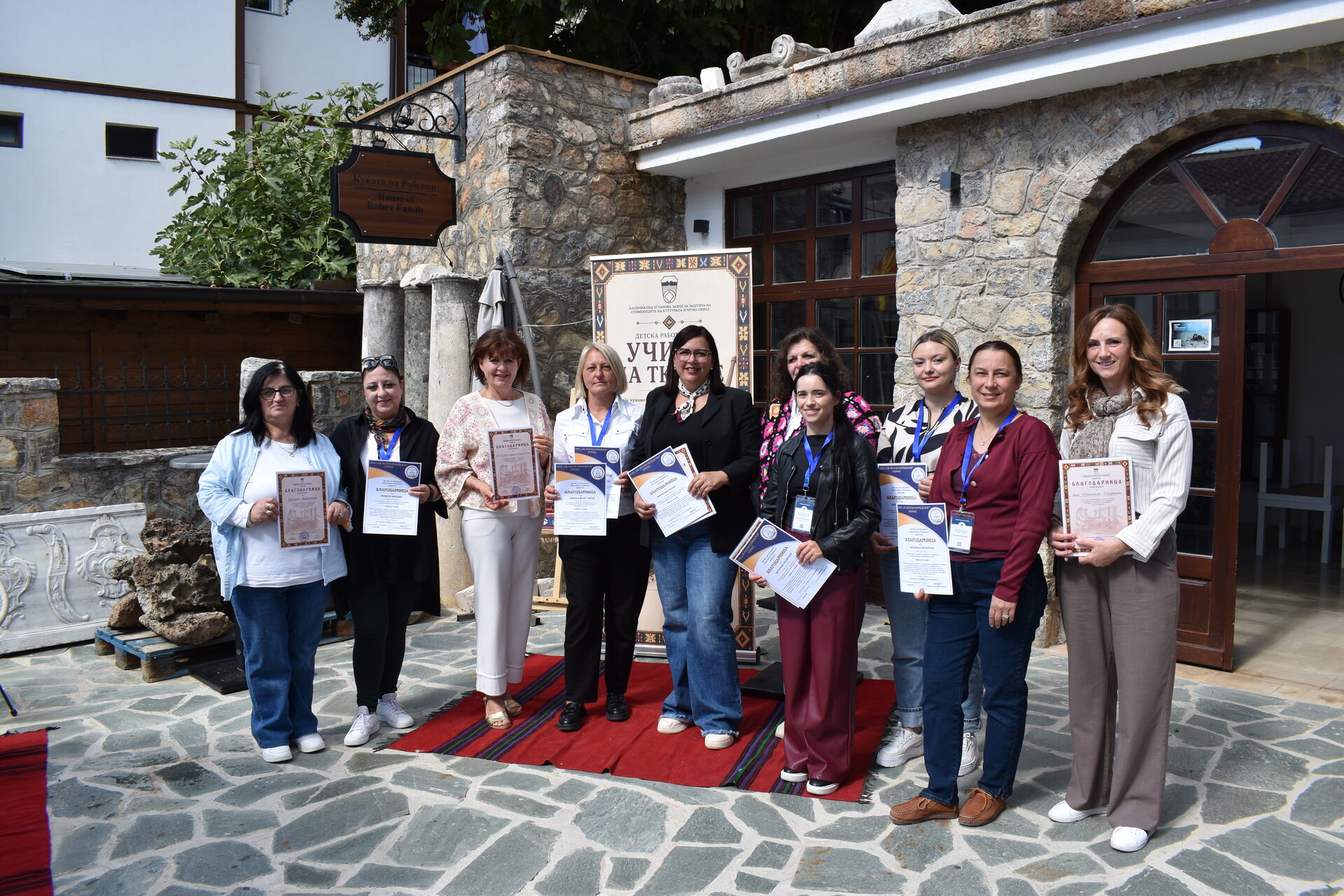
We express our great gratitude for their cooperation in carrying out the project to:
Valentina Rubanoska, Director of the primary school “St. Naum of Ohrid” in Peshtani, and the school’s teaching staff;
Cvetlana Vasilevska, Director of the National Institution Museum “Dr. Nikola Nezlobinski” in Struga;
Stojan Petkoski, owner of the sheepfold;
Velika Nestoroska, keeper of the weaving craft; and
Vesna Ilincev, presenter of traditional spinning.
The project was carried out in the year in which the Institute and Museum of Ohrid marks the 75th anniversary of its founding, and as part of the “European Heritage Days” event.
The project was fully financially supported by the Ministry of Culture and Tourism of North Macedonia.
Alongside its regular professional work, the Institute and Museum continues to be dedicated to educational activities that bring young people closer to their roots and traditions and promote our rich tangible and intangible cultural heritage.