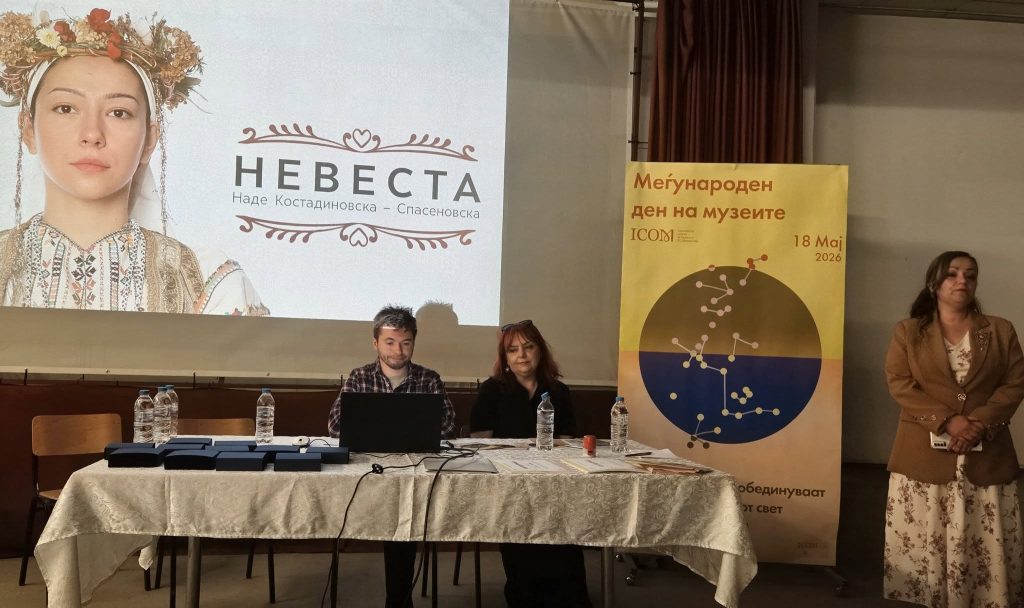
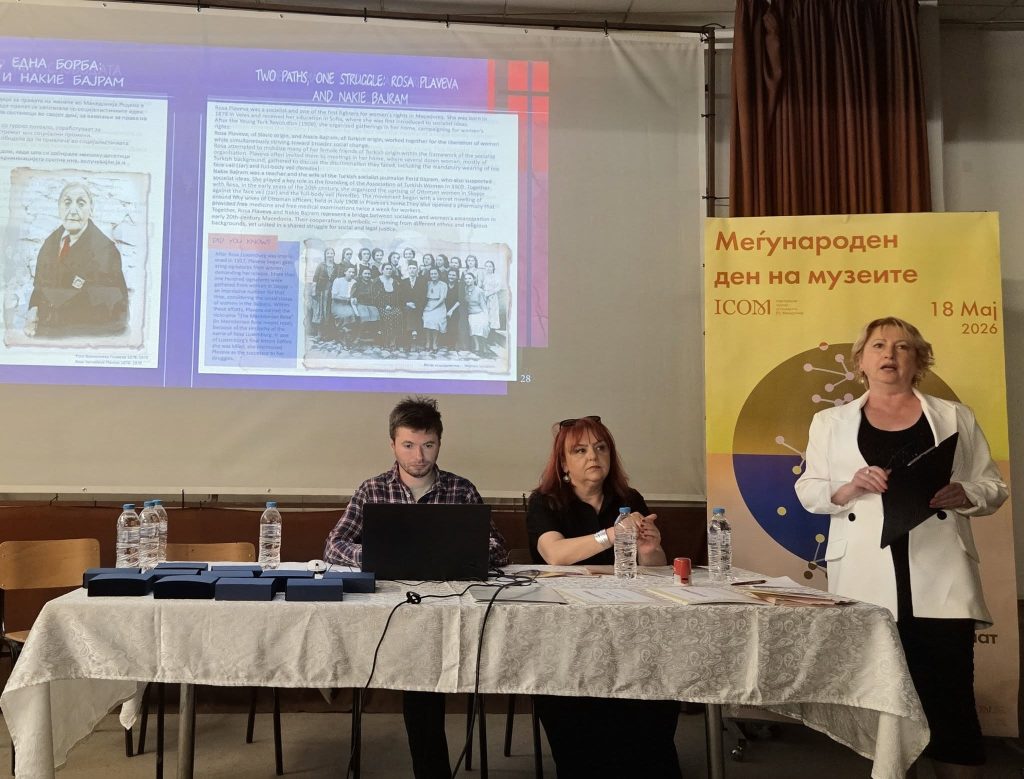
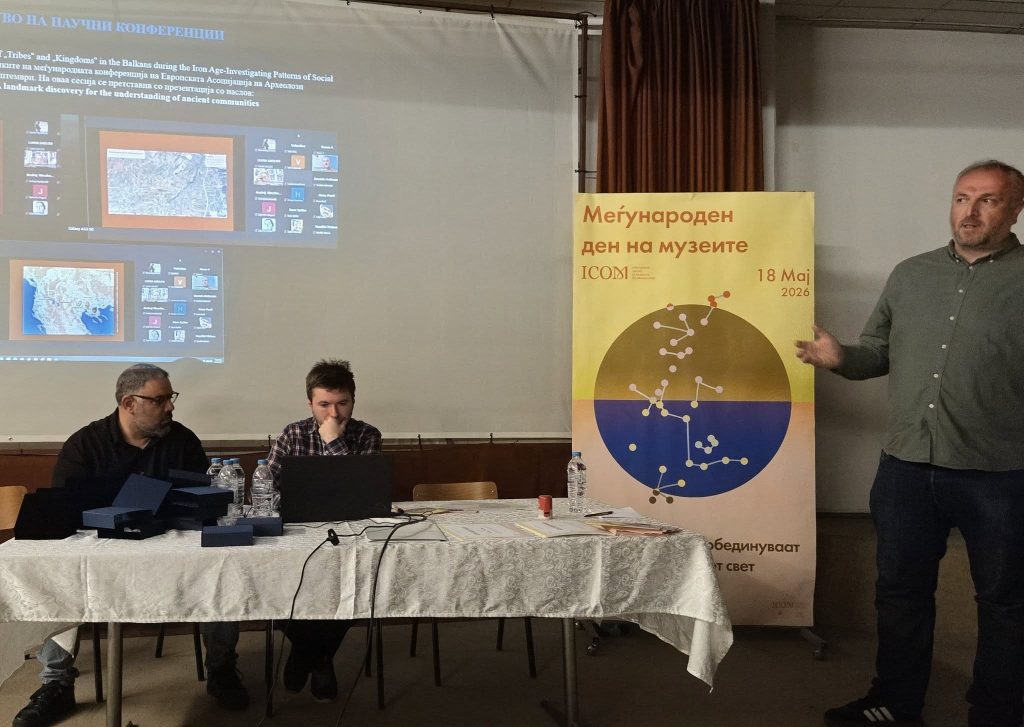
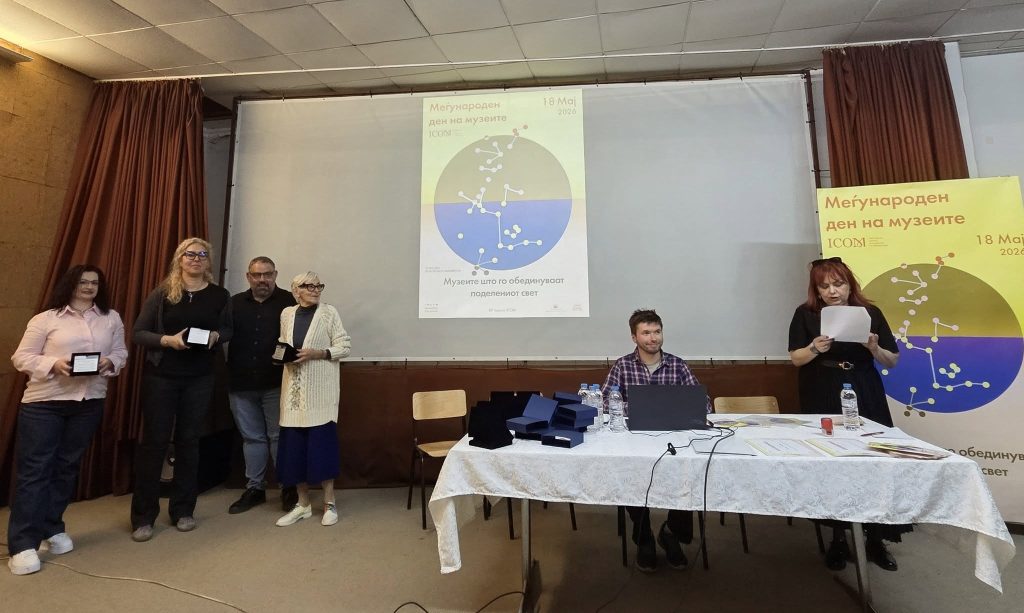
Counseling on the topic “Museums Uniting the Divided World”

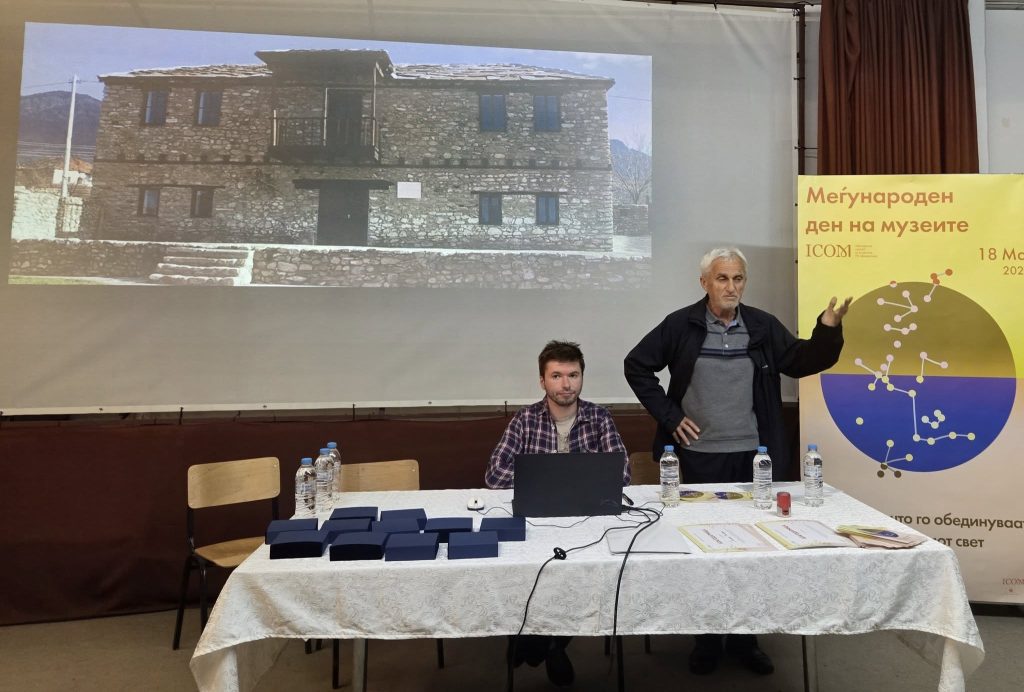
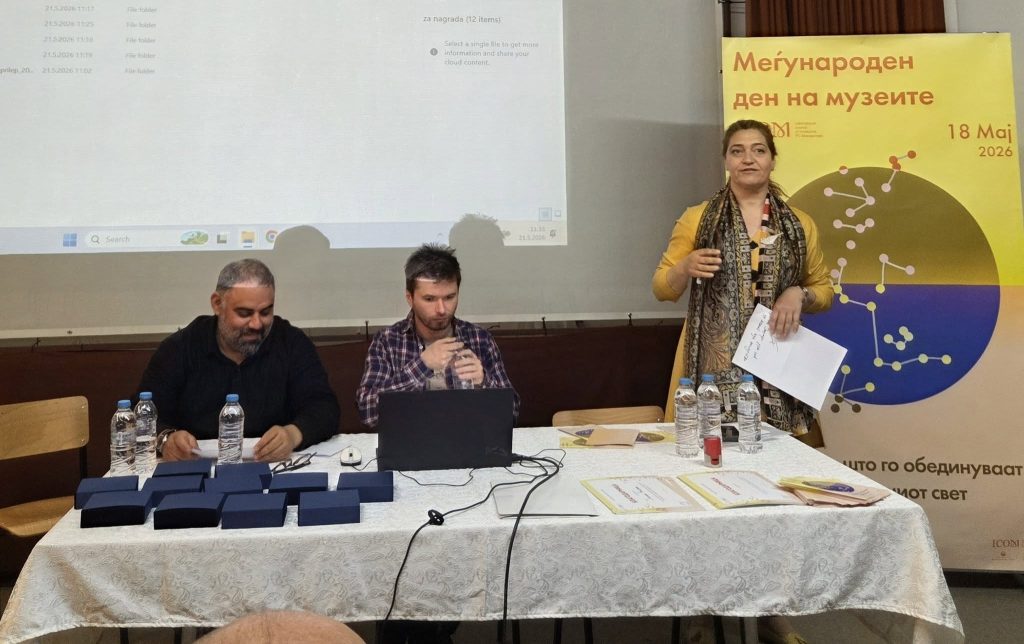
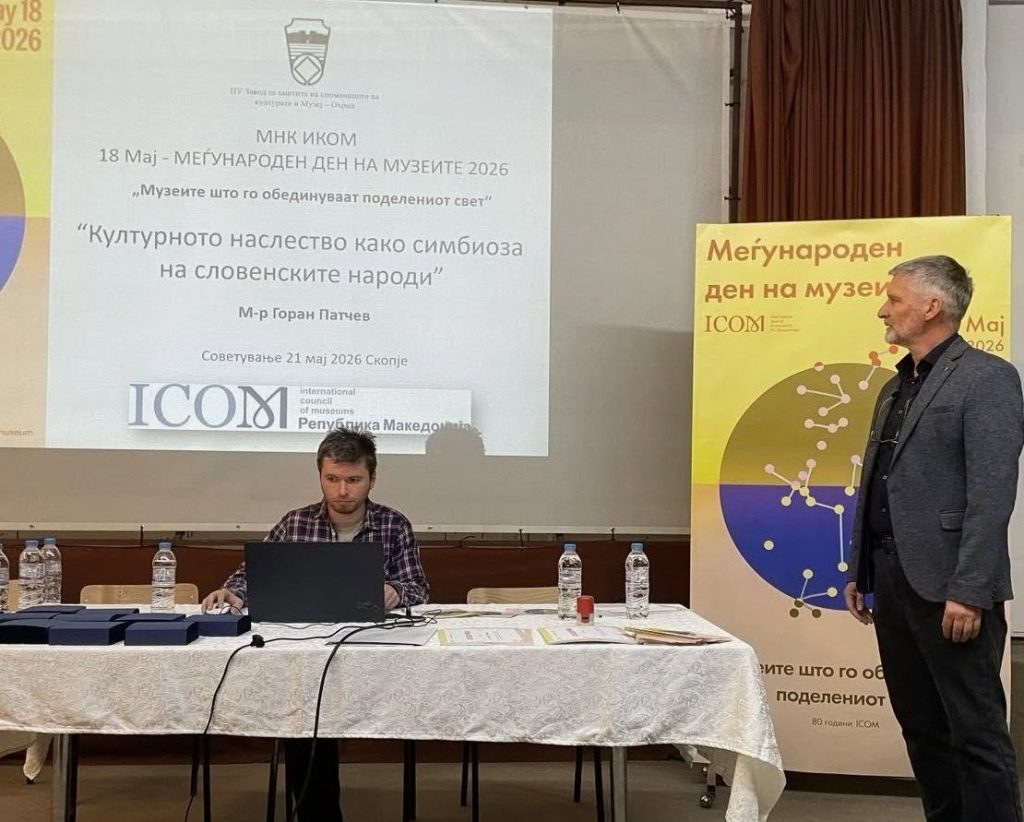
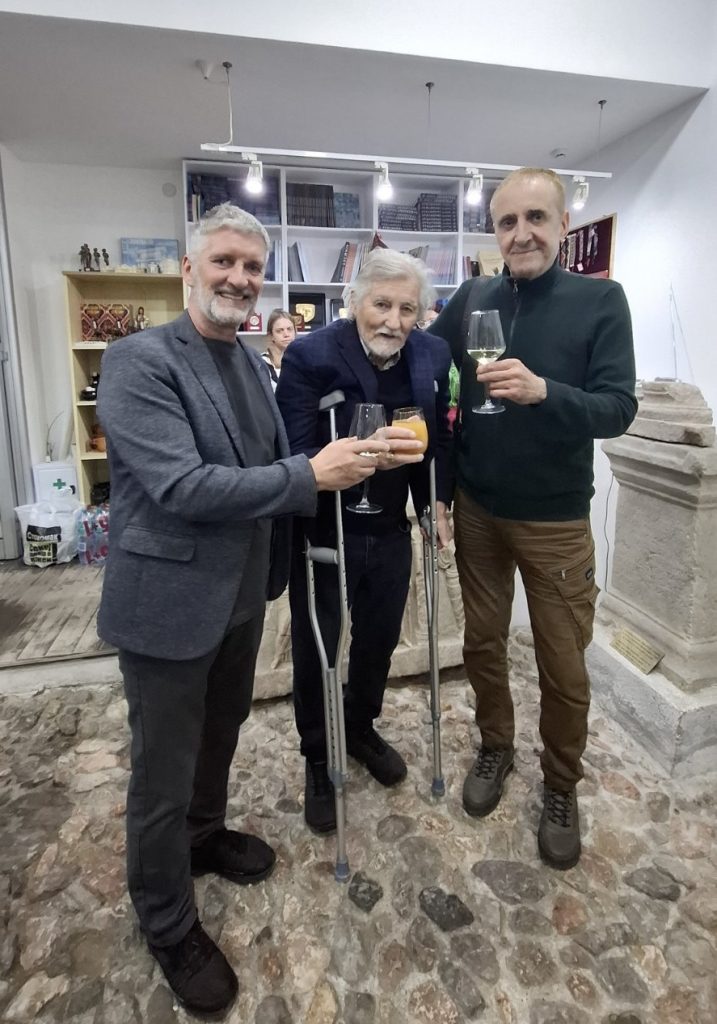
The Association of the Macedonian National Committee of the International Council of Museums (MNK ICOM), as part of its activities marking May 18 – International Museum Day, held its traditional annual Counseling this year on the theme “Museums Uniting the Divided World”, where our institution, represented by Director Mr. Goran Pačev, participated with a presentation titled “Cultural Heritage as a Symbiosis of Slavic Peoples”, showcasing experiences with the Forum of Slavic Cultures – an organization uniting all Slavic countries that share similar cultural activities – on the occasion of receiving the prestigious Živa 2025 award (Best Slavic Heritage Site). Other museums also presented their work, and awards and certificates of appreciation were presented to participants. (Museum of Macedonia, Skopje, May 21, 2026).

Exhibition XXII BIMAS 2025

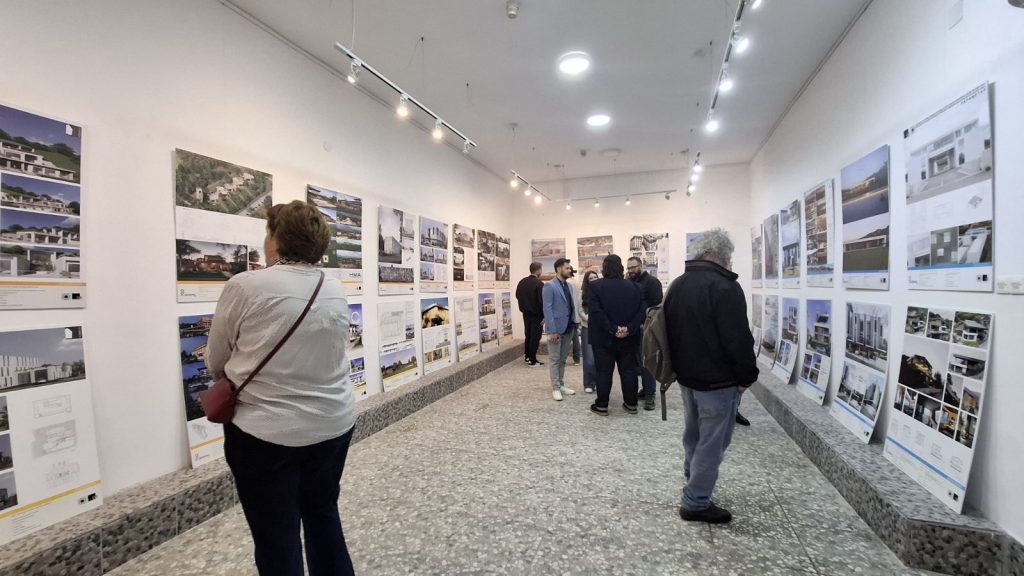
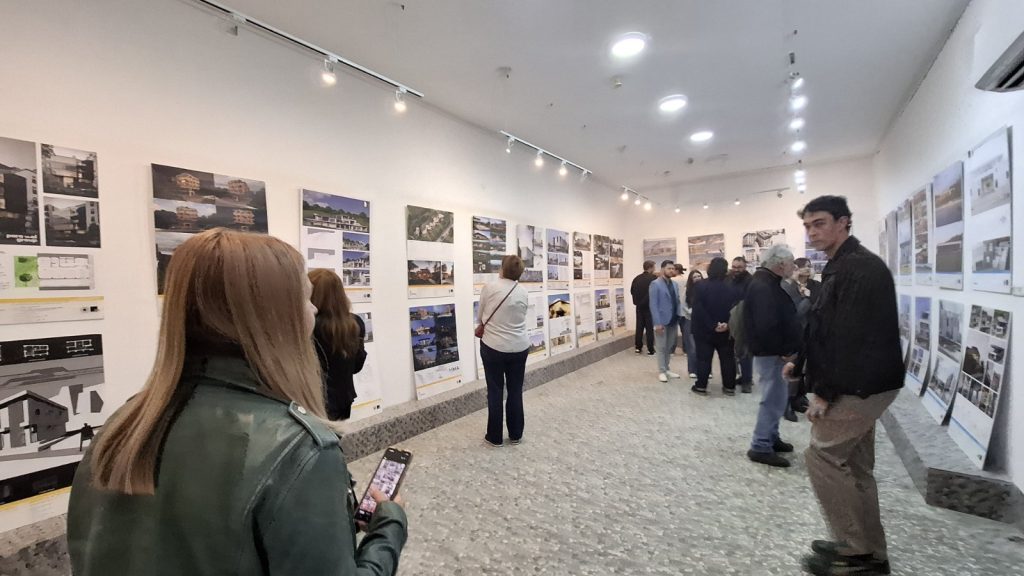
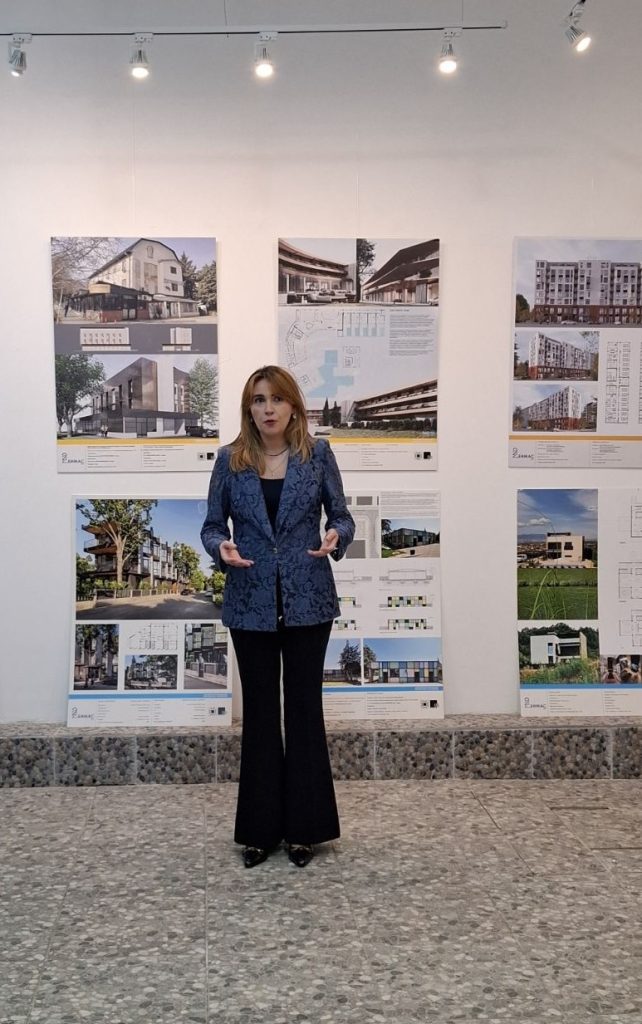
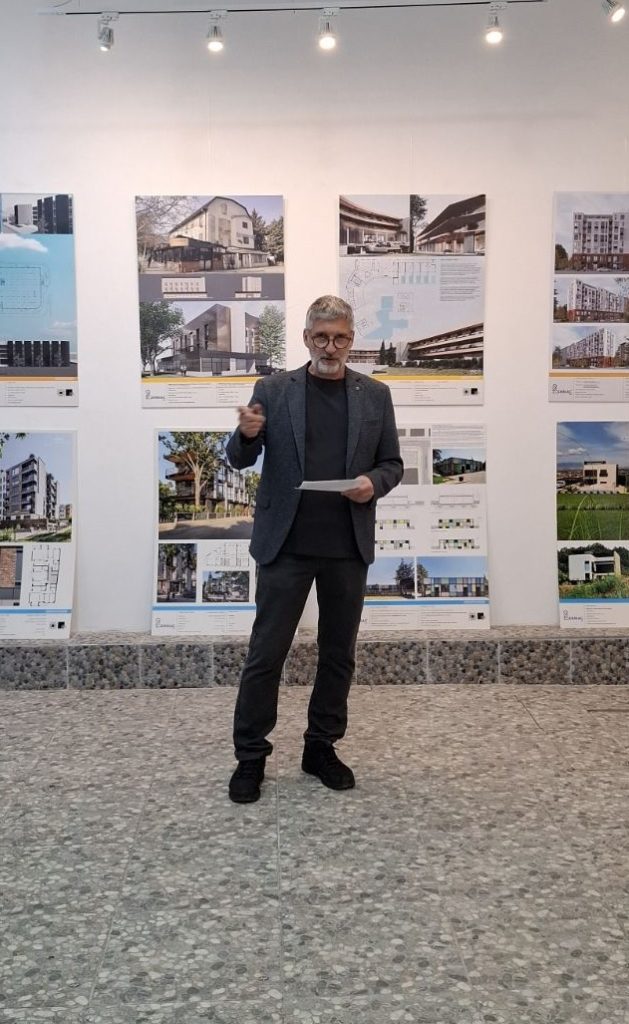
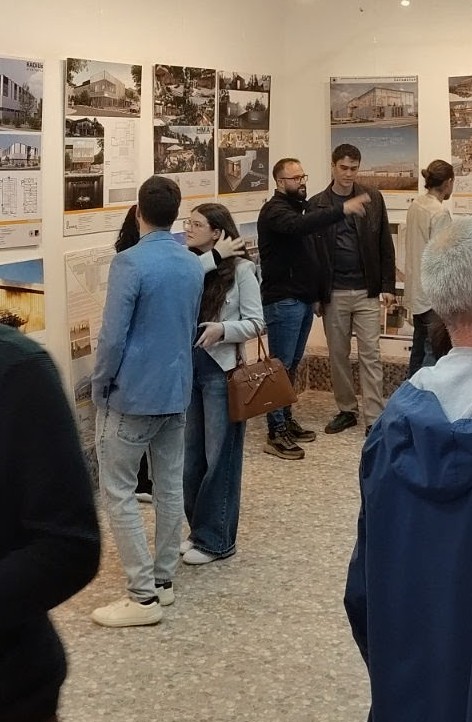
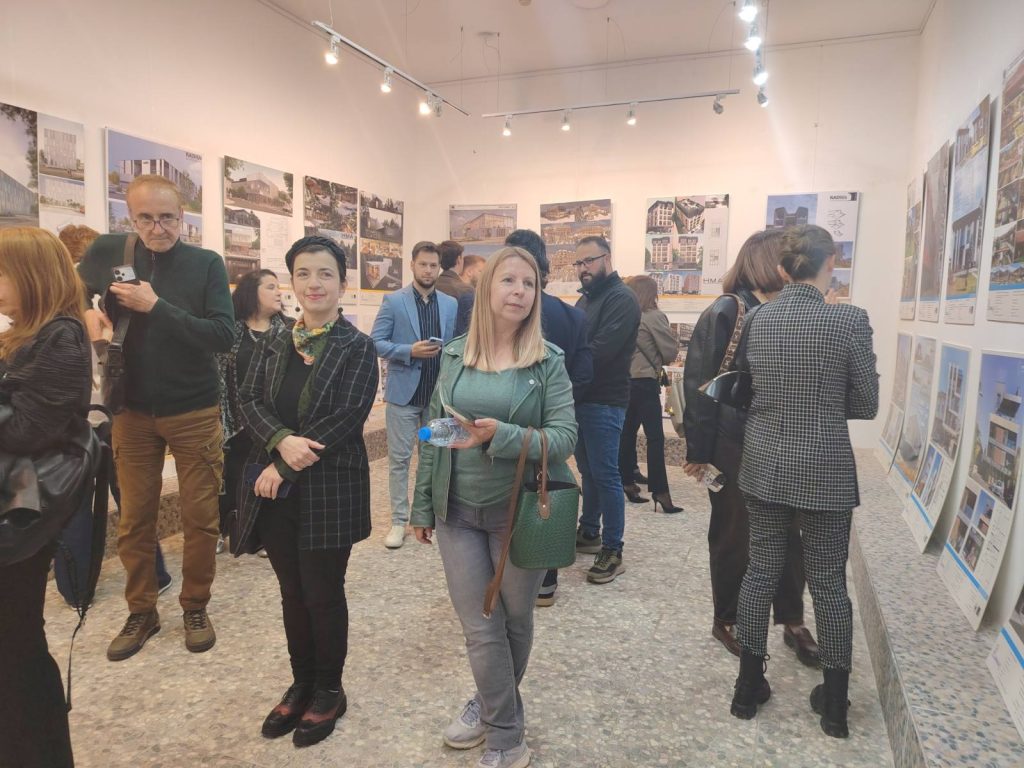
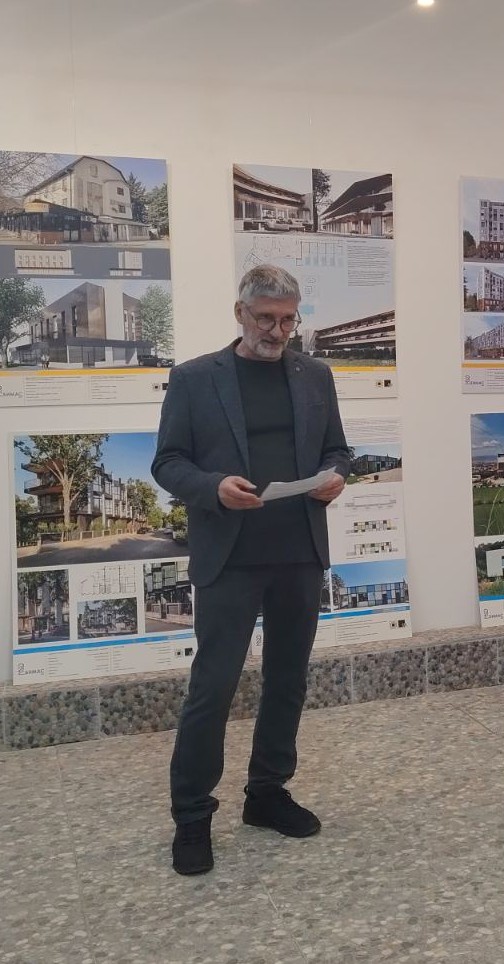
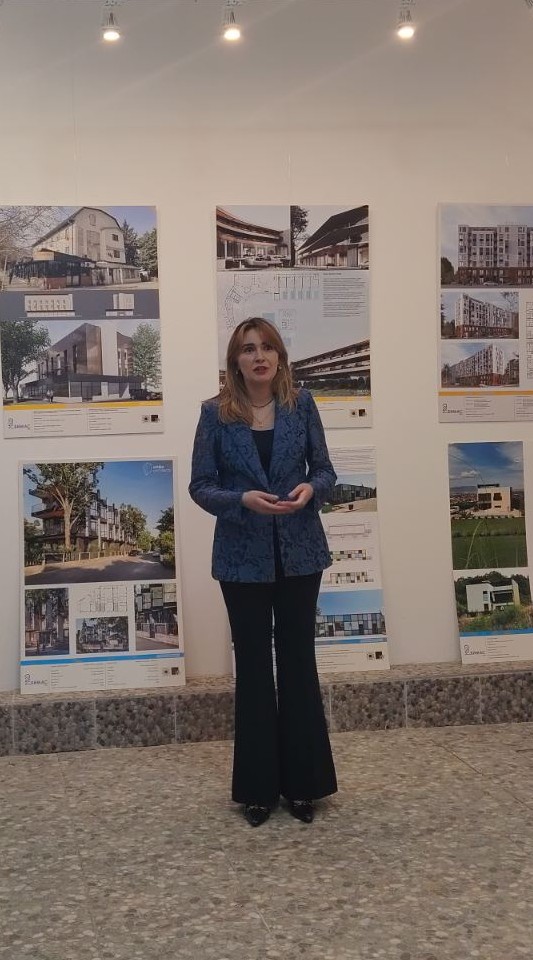
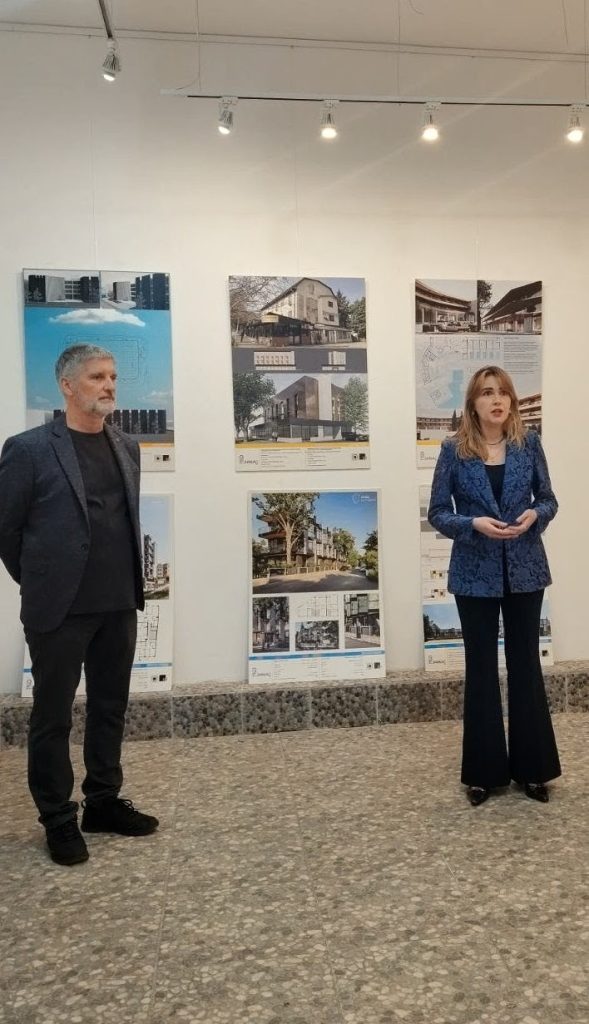
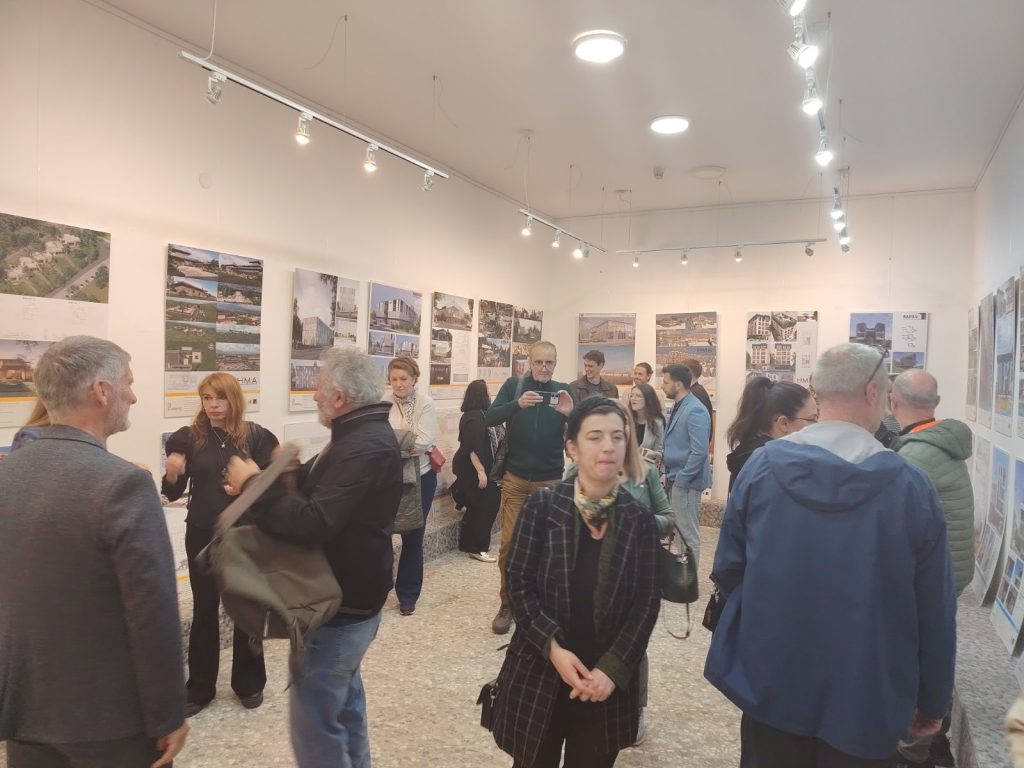
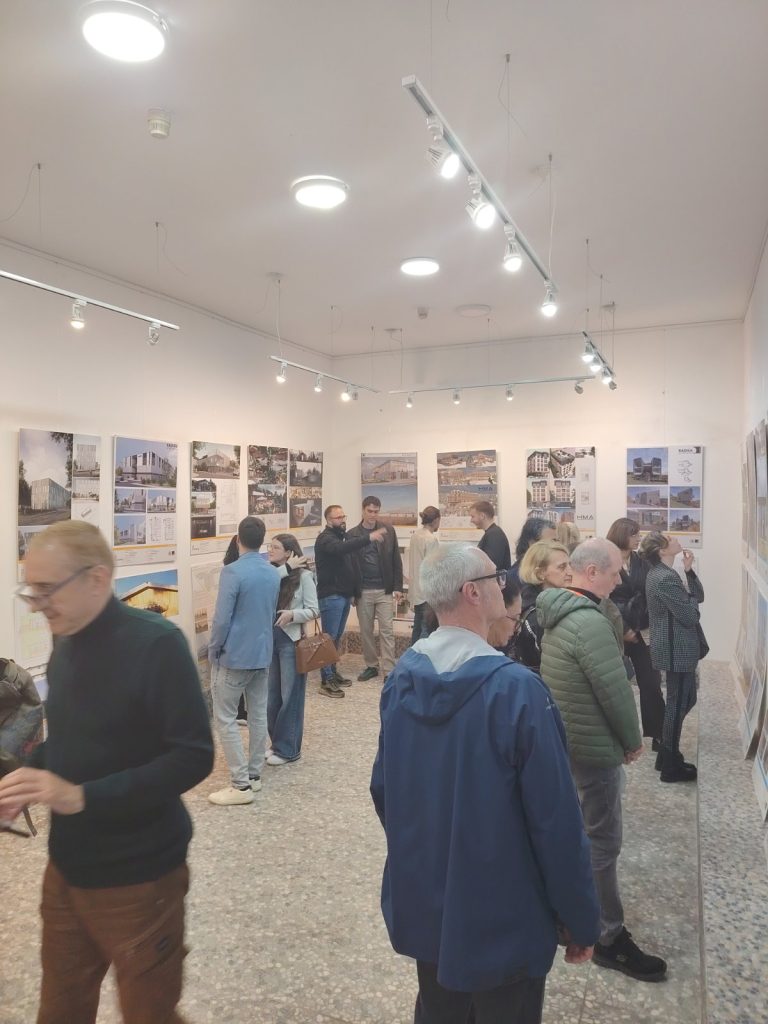
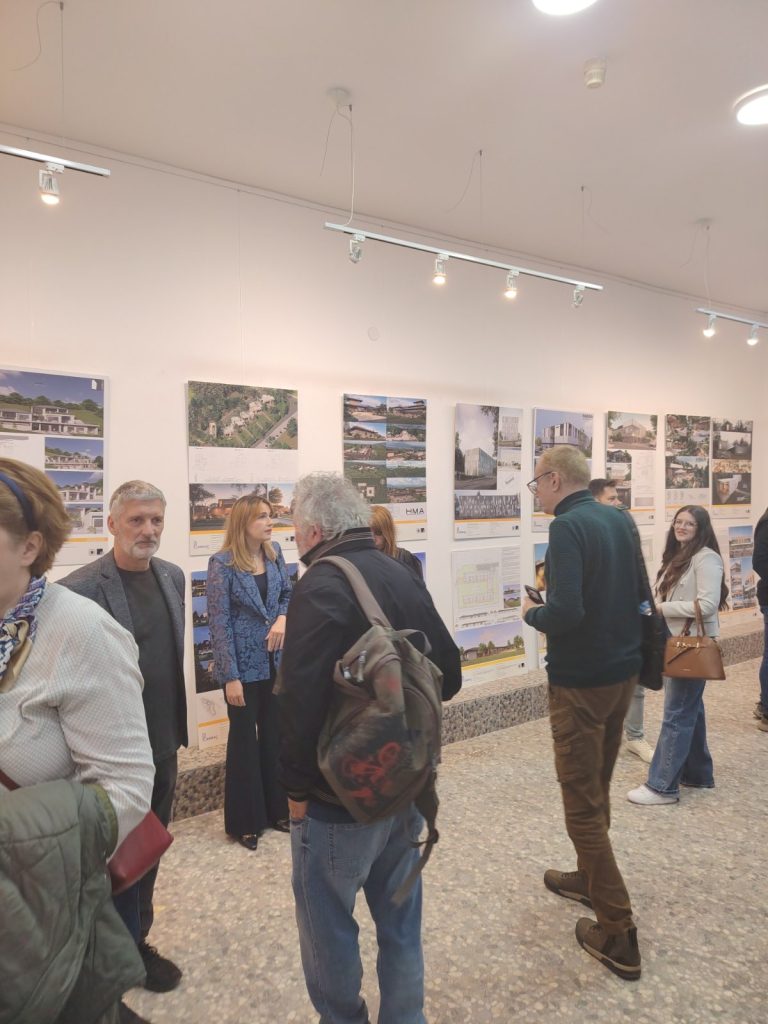
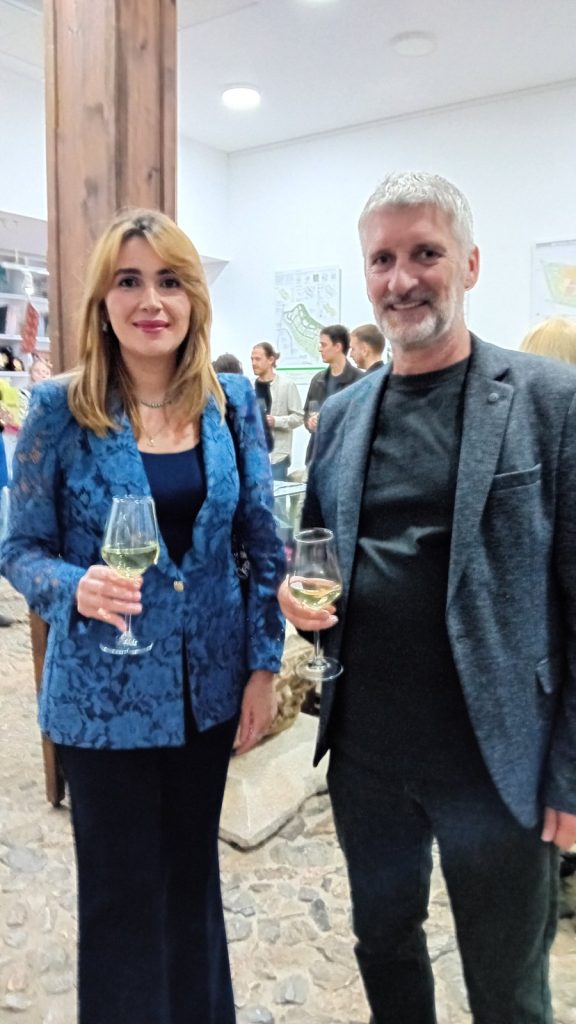
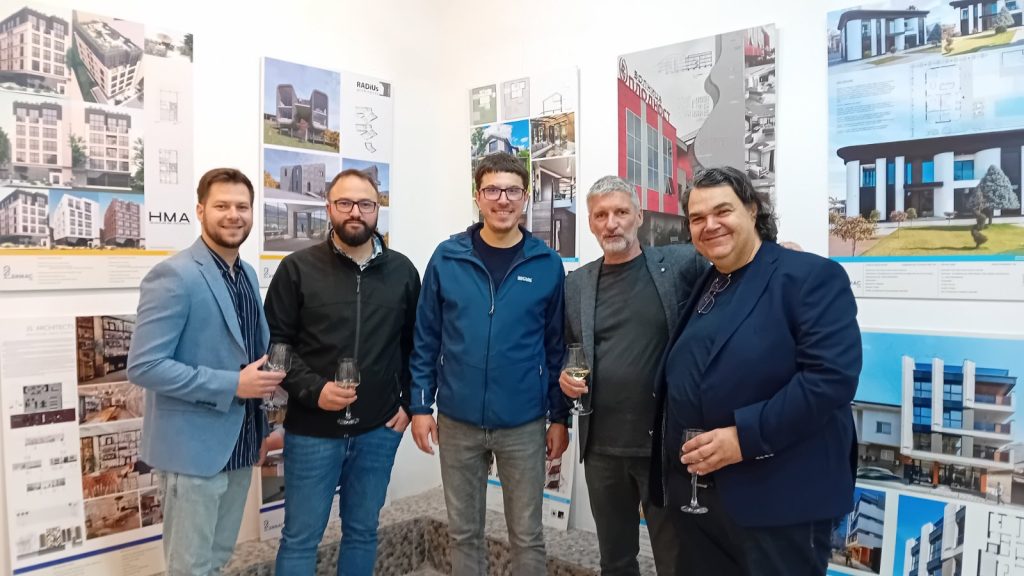
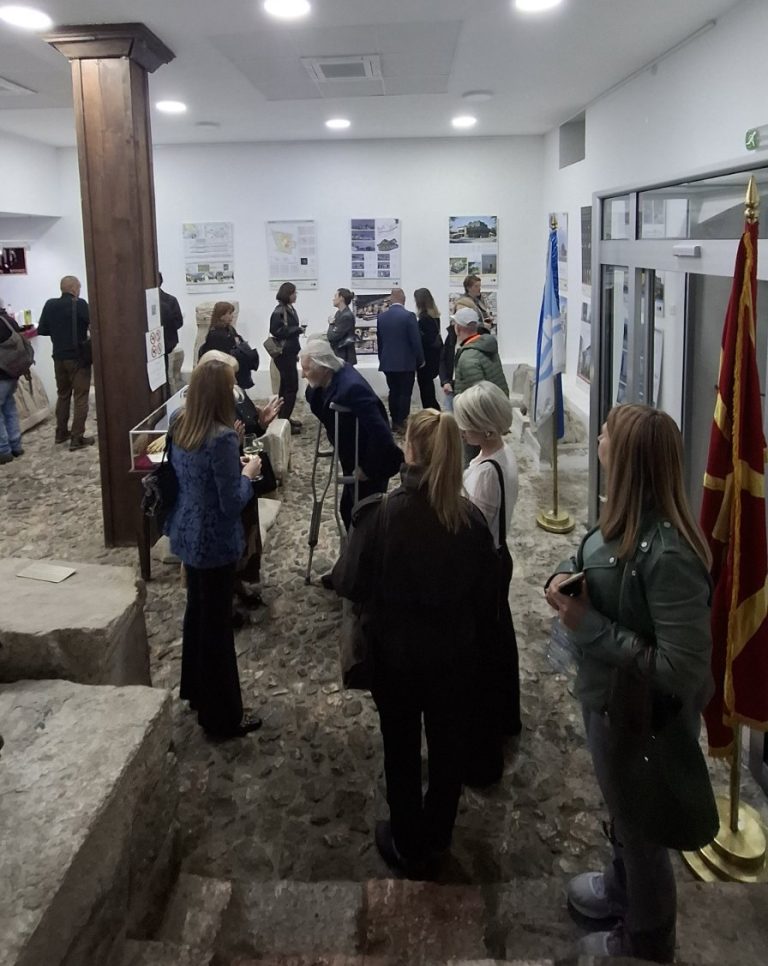
On May 9, 2026 at 7:00 PM, the XXII BIMAS_2025 exhibition was opened, at the initiative of the Association of Architects of Macedonia (AAM) with president Valentino Konstantinovski and member of the AAM Board of Directors Metodi Hadži Andov, with opening remarks by the Director of the National Institution Institute for Protection of Cultural Monuments and Museum – Ohrid, Mr. Goran Pačev, and Iva Petrunova, member of the AAM Board of Directors. The exhibition features around fifty panels of architectural works from last year’s XXII BIMAS_2025, presented as a travelling exhibition of projects, completed buildings, interiors and competition entries, displayed in the exhibition space of the Robevci House. The exhibition will remain on display until May 20, 2026.

General Cleanup Weekend 2026

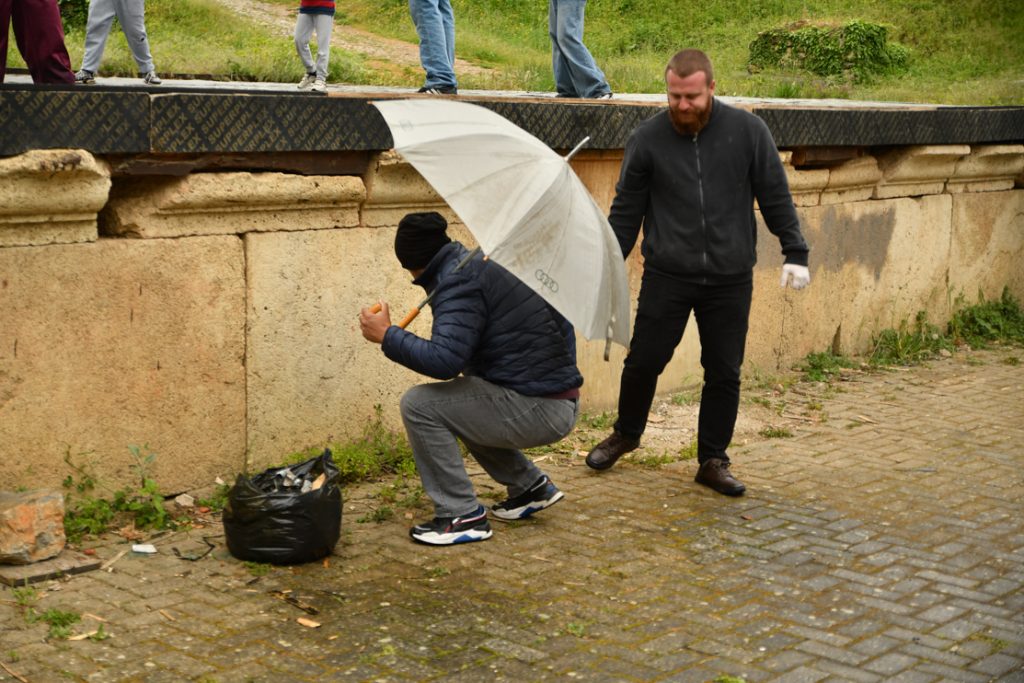
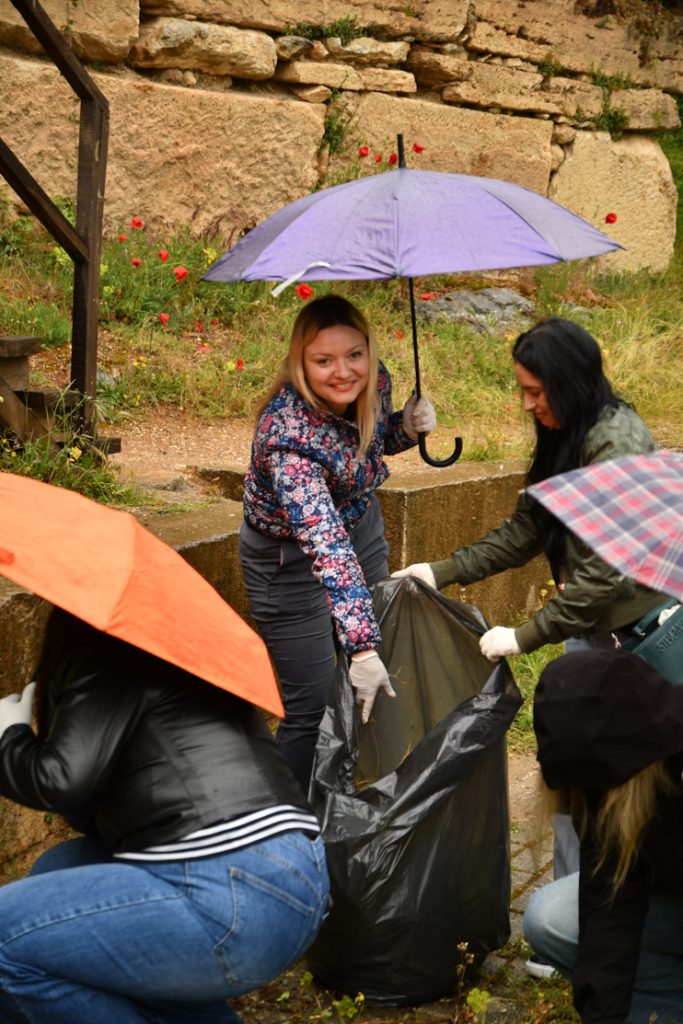
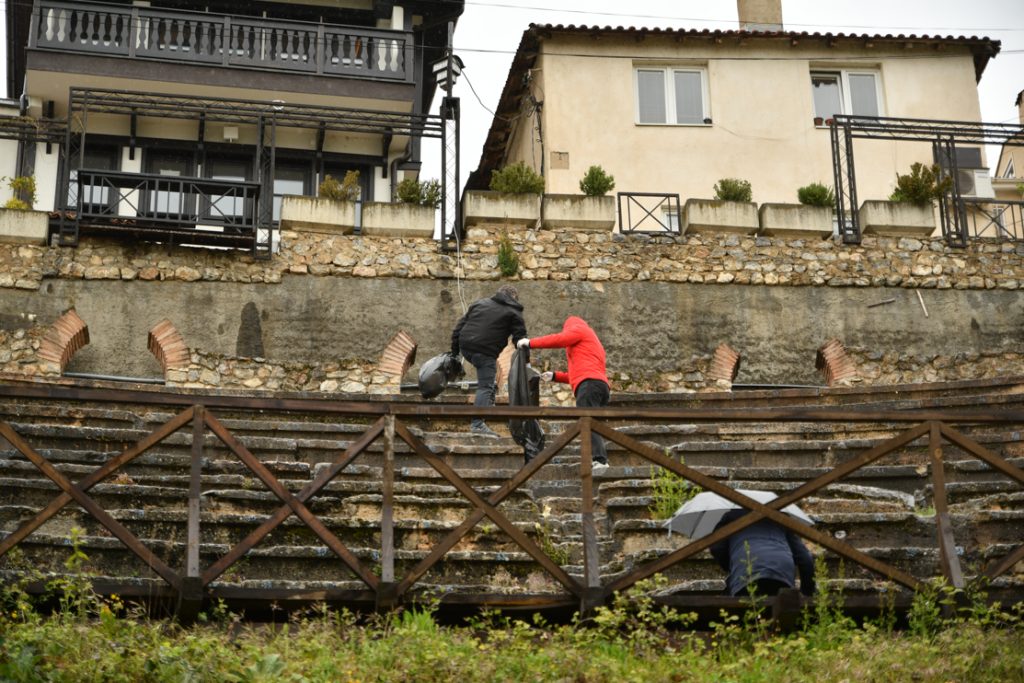
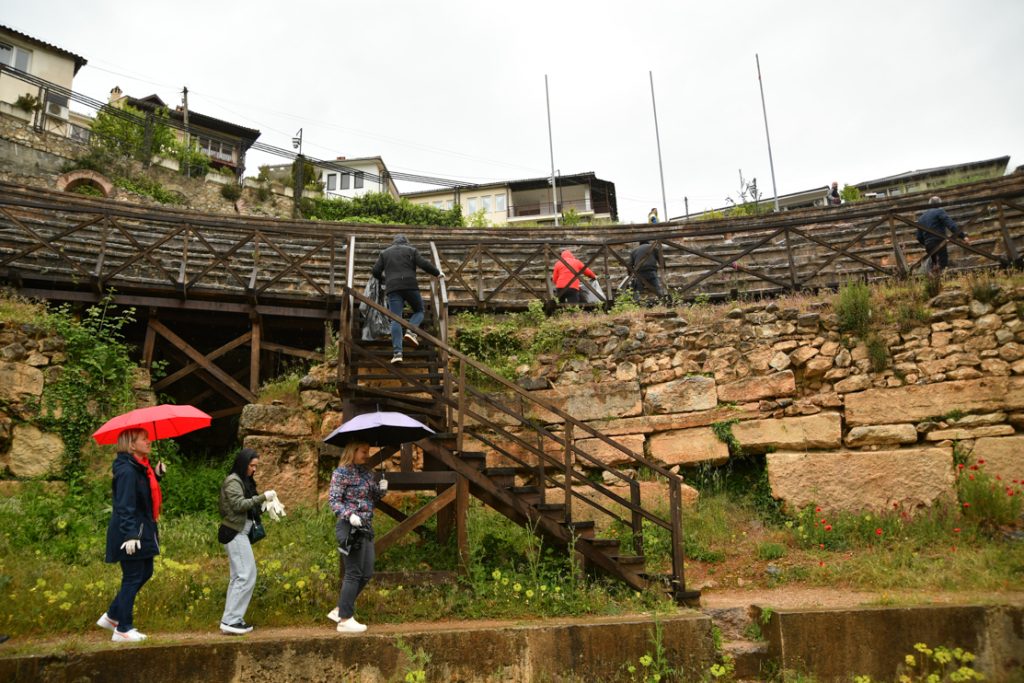
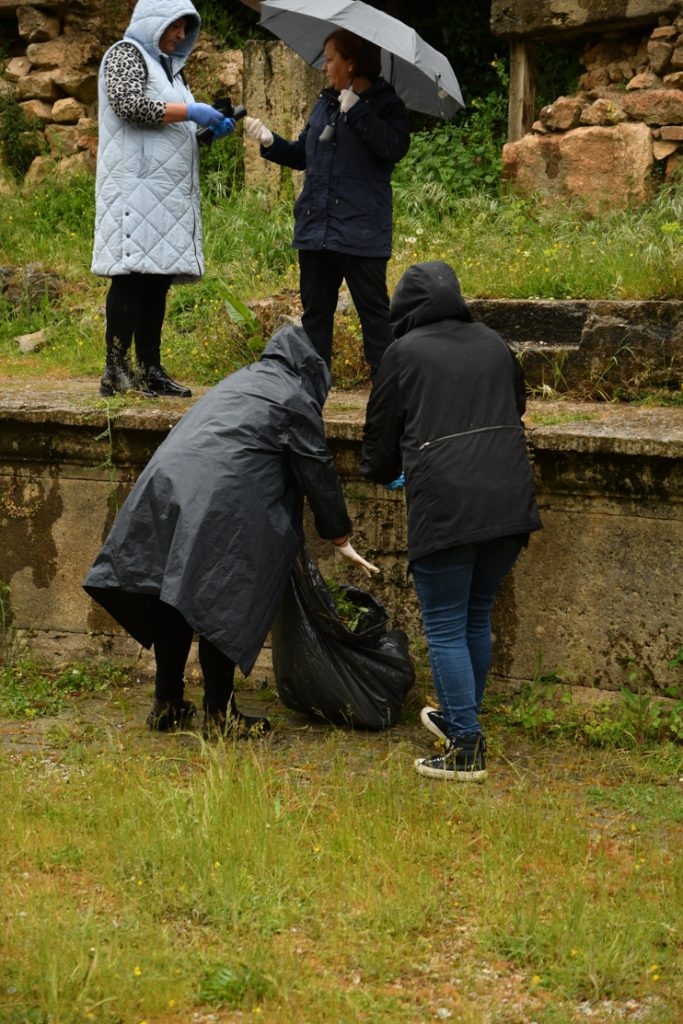
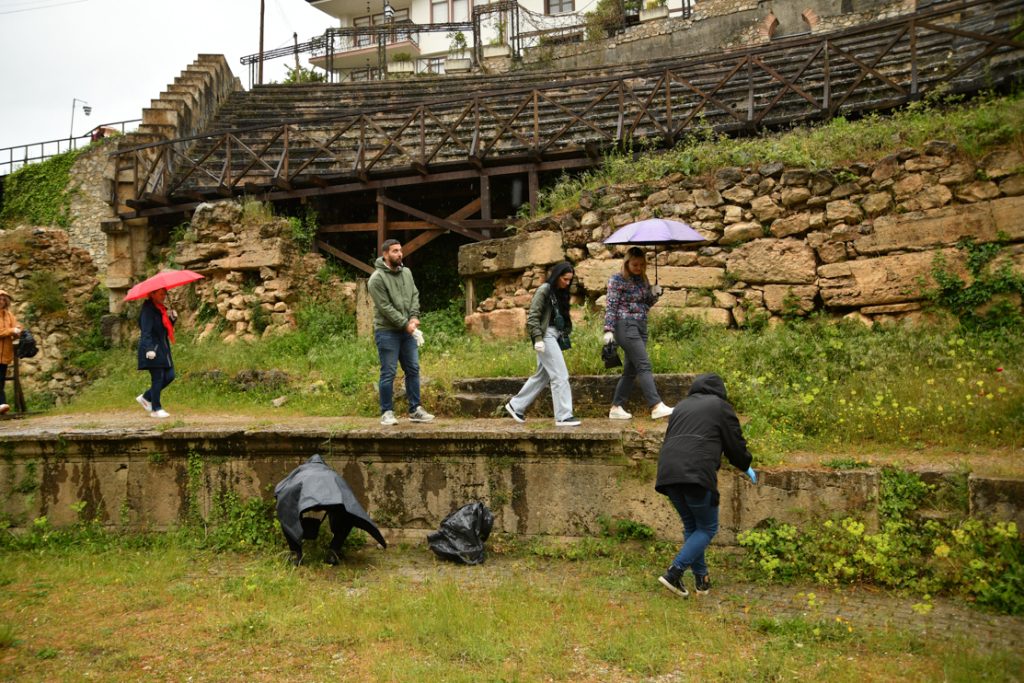
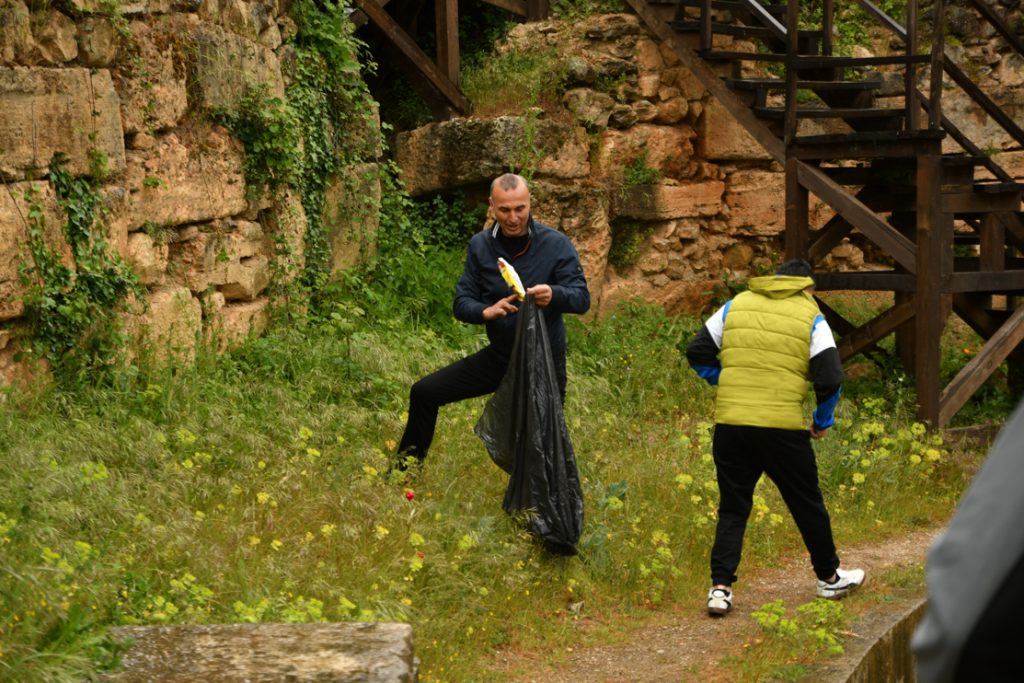
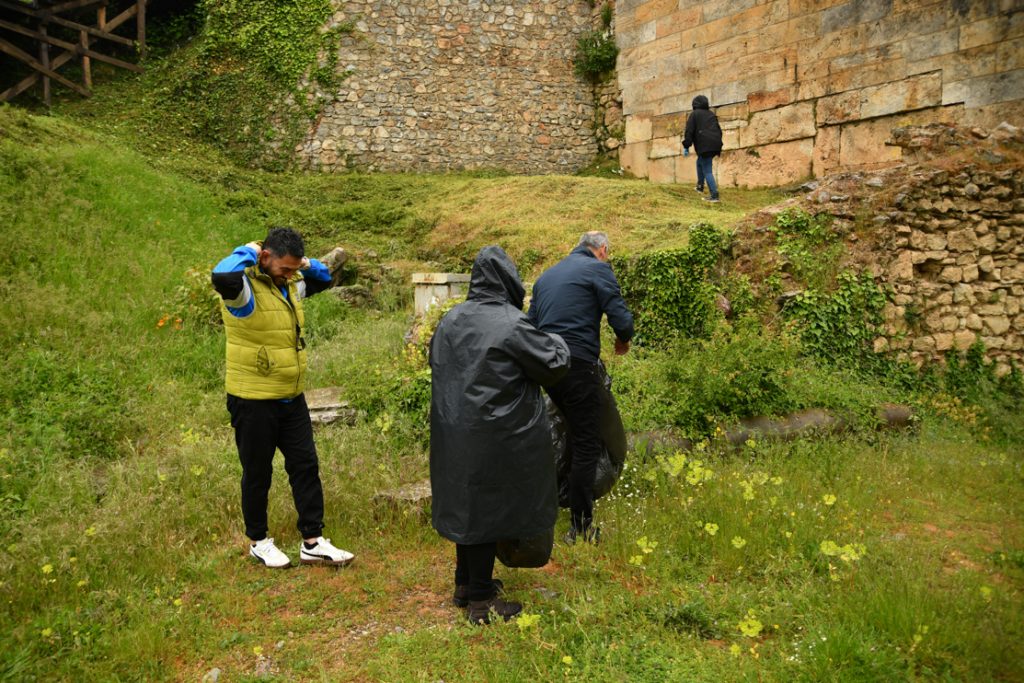
The National Institution Institute for Protection of Cultural Monuments and Museum – Ohrid voluntarily participated in the largest national ecological campaign in the country, titled “General Cleanup Weekend 2026”, on May 8, 2026 (Friday), with our employees taking part at the sites and courtyards of the memorial houses and museums through joint waste collection and outdoor space maintenance.

Meeting with His Eminence, Metropolitan Mr. Georgi – Debar-Kičevo Eparchy

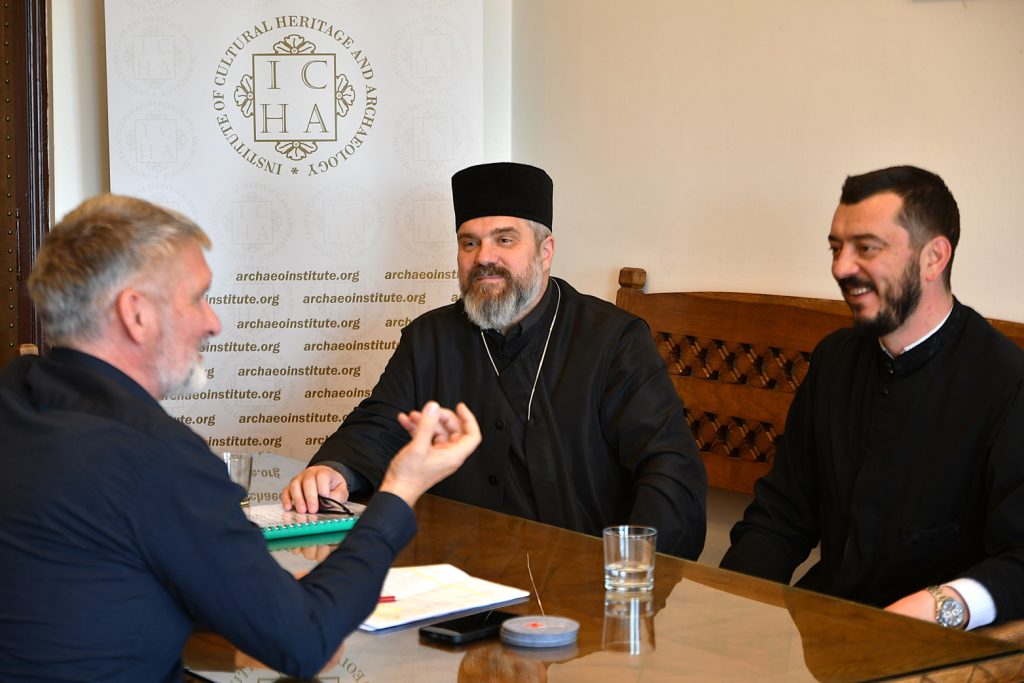
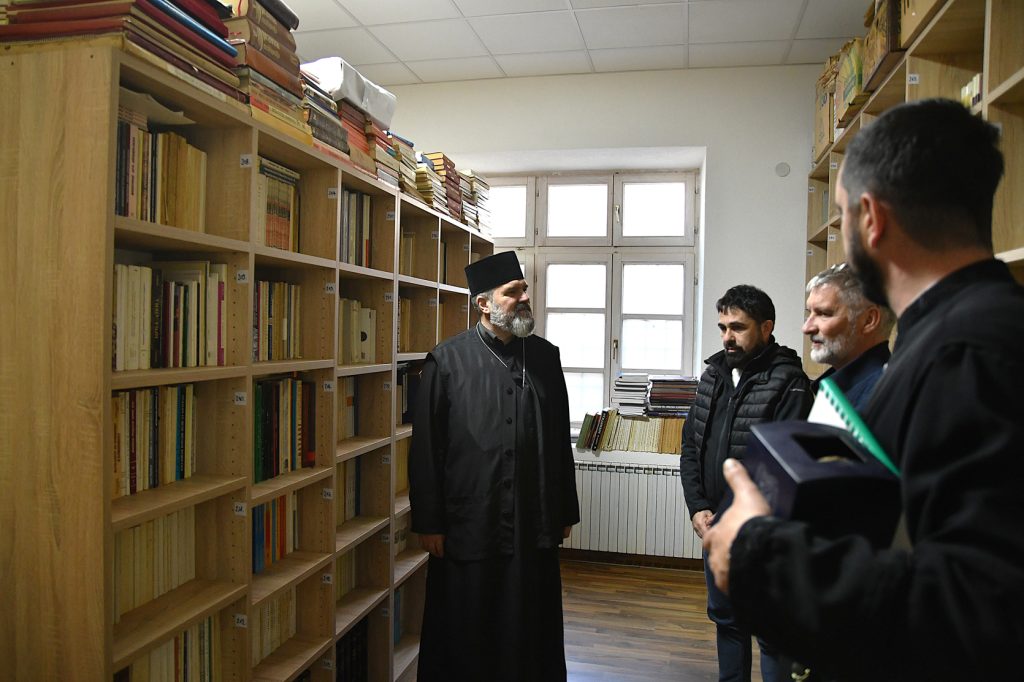
On 05.05.2026, the National Institution Institute for Protection of Cultural Monuments and Museum – Ohrid had the honor of welcoming His Eminence, the Metropolitan of the Debar-Kičevo Eparchy, Mr. Georgi. The meeting focused on projects from the Annual Programme of the Ministry of Culture and Tourism for 2026, which are to be carried out with the consent and support of the Debar-Kičevo Eparchy, as well as other matters and challenges related to the protection of sacred cultural heritage in the Ohrid region. Special emphasis was placed on their current condition, the need for appropriate interventions, and their promotion to the wider public.

We express our gratitude for the honor bestowed upon us and the interest shown in our dedicated work, with hope for fruitful future cooperation.

Exhibition “Inherited Costume”

Join us on Thursday, April 23, from 7:00 PM to 9:00 PM, at the “House of Robevci” in Ohrid, for the opening of Mila Dobrevska’s solo exhibition, entitled Inherited Costume.

Inherited Costume reflects the spirit of the Macedonian woman, translating traditional values ​​into new features of contemporary behavior. In this context, inherited costumes are not only the clothes we wear, but also the way we present ourselves and how others perceive us, reflecting the inherited traits and tendencies that make us recognizable. The exhibition addresses the younger generation as a reminder, precisely, of these values ​​and virtues that remain an inseparable part of us: kindness, love, critical awareness, perseverance and resourcefulness. These characteristics are presented through a dualistic interpretation of the past and the present, with comparisons, harmonies, interweavings, creating new interpretations and adaptations.

Inspired by traditional ornamentation and embroidery, Mila re-examines and adapts the basic elements of art: color, line, surface, form, material and space using hand-modeled cement mass, surfaces sprinkled with glass and innovative weaving and painting techniques. Inherited values ​​are translated into new forms that boldly lean towards the contemporary social context.

We are expecting you, on Thursday, April 23 at the “House of Robevci” at 7 pm.

Jubilee Awards

At a small ceremony in the premises of the Institute for the Protection of Cultural Monuments and Museum-Ohrid, appropriate certificates of appreciation were awarded to colleagues who met the conditions for receiving a jubilee award for several years of continuous work in our institution, and in accordance with a Decision adopted at a session of the Board of Directors of the Institute for the Protection of Cultural Monuments and Museum-Ohrid, for determining and paying a jubilee award to workers for continuous work with the same employer.
Thanks to all colleagues.

The Forum of Slavic Cultures announces the winners of the 2025 Živa Awards – this year inTrebinje, Bosnia and Herzegovina

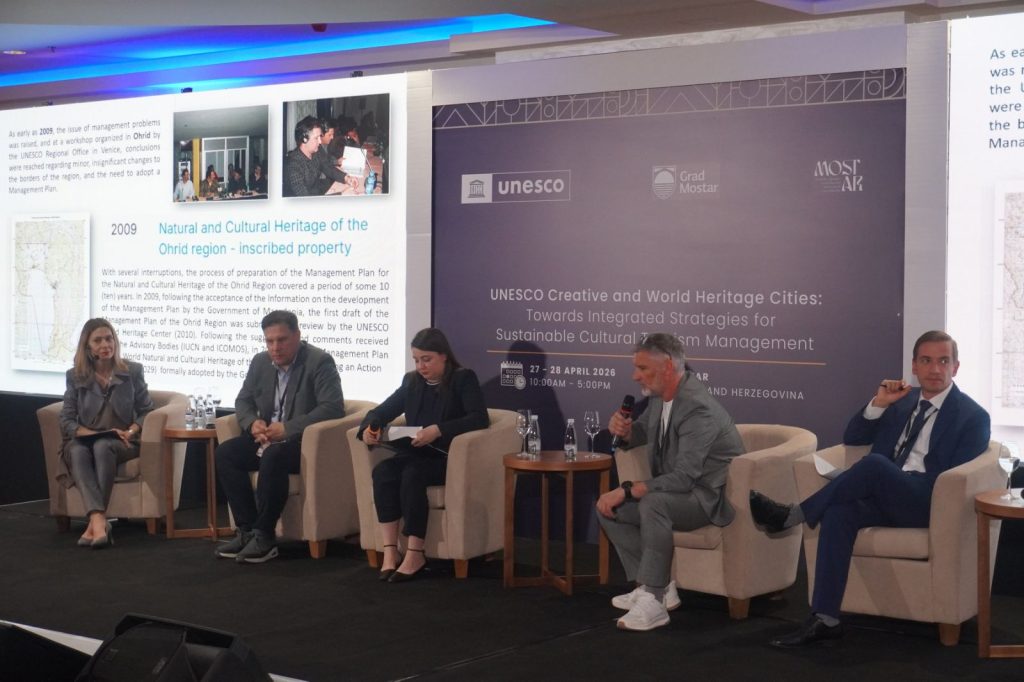
Between 8 and 11 October 2025, the Forum of Slavic Cultures (FSK) celebrated the 11th edition of the Živa Award with an international conference and the announcement of the winners in Trebinje, Bosnia and Herzegovina.
The Živa Award for the Best Slavic Museum, named after the Slavic goddess Živa who symbolises life, vitality and fertility, was established in 2014 by the FSK International Foundation. It was the initiative of FSK’s director, Dr Andreja Rihter, who is also the leader of the Živa Award project. Since then, the Živa Awards for the Best Slavic Museum and the Best Slavic Heritage Site (introduced in 2018) have become a unique transnational cultural platform dedicated to promoting the protection, preservation, education, communication and social role of Slavic museums and heritage sites. Today, the network has grown into a significant Slavic community comprising almost 250 museums and heritage sites across 13 Slavic countries.
The 2025 Živa Award event in Trebinje was held under the auspices of Nikola Selaković, Minister of Culture of the Republic of Serbia and President of the FSK Board, who contributed a special monetary prize for the Best Slavic Heritage Site winner.
The Živa Award and conference were hosted by the Municipality of Trebinje, represented by Mayor Mirko Ćurić, who provided substantial support alongside the director of the Museum of Herzegovina in Trebinje, Ivana Grujić, and several other organisers, including Sarita Vujković, director of the renowned Museum of Contemporary Art in Banja Luka and a member of the Živa Award Jury.
The fact that over 140 participants from 10 Slavic countries and 3 others took part in this event points to the vitality of the heritage community as well as the Živa Award’s growing reputation in Europe and beyond.
A special highlight of this year’s Živa edition was the introduction of the new Živa Award for Best in Preserving Slavic Heritage Worldwide. This new award broadens the Živa Award’s mission beyond the borders of the Slavic countries represented by the FSK. It recognises initiatives that preserve Slavic cultural heritage and identity worldwide. Even in its first year, four museums from Italy, Hungary, and the USA competed for this new award.
Other highlights included this year’s conference, Echoes of Heritage and the Future of Museums, which featured keynote lectures from distinguished experts Alessio Mazzolotti (Italy), Sandro Debono (Malta) and Roberto Zancan (Italy/Switzerland), as well as presentations by the 32 nominated museums. These presentations showcased the vital roles these museums play in bringing cultural heritage to life. They have become living, inclusive spaces of memory, dialogue and creativity. They are advocates of remembering the past in order to shape the future, time travellers who use technology, visual interpretation and storytelling to bring history to life, chroniclers who engage communities and record our present, and visionaries who embrace innovation and identify new trends to build a more resilient and responsible future. The museums have also demonstrated an awareness of the challenges and responsibilities ahead, including digital transformation, virtual exhibitions, 3D scanning, artificial intelligence, sustainability and environmental care.

The 2025 Živa Award culminated on 10 October in Trebinje with an awards ceremony. This year, the Živa Award Jury – composed of 16 museum experts from various Slavic countries and the European Museum Academy (EMA) – honoured 13 museums from 11 countries with awards, recognitions and special diplomas.
The recipients of the Živa Awards 2025 are:
Živa Award 2025 for the Best Slavic Museum was granted to the Croatian Natural History Museum, Zagreb, Croatia
Živa Award 2025 for the Best Slavic Heritage Site was conferred on NI Institute for Protection of Monuments of Culture and Museum – Ohrid, Ohrid, North Macedonia.
Honourable Mention was granted to Lety u Písku. Memorial to the Holocaust of the Roma and Sinti in Bohemia, Písek, Czech Republic
Special Recognitions were awarded to:

Sybir Memorial Museum, Białystok, Poland: for Creativity
House of the Halubje Bell Ringers, Viškovo, Croatia: for Sustainability.
Regional Museum of Pljevlja, Pljevlja, Montenegro: for Leadership and Team Efficiency.
Armory Museum in Liw Castle, Liw, Poland: for Attention to Visitors and Openness.
Little Carpathian Museum in Pezinok, Pezinok, Slovakia: for Storytelling

Diplomas:
Special Diploma of Excellence was granted to:

Žitomislić Museum, Žitomislići, Bosnia and Herzegovina
Diploma for Preserving Cultural Heritage Worldwide was conferred on:

Kanizsai Dorottya Museum, Mohács, Hungary

Fisheries Museum of the Trieste Littoral, Santa Croce di Trieste, Italy

Museum of the People of the Resia Valley, Stolvizza, Italy

National Czech & Slovak Museum & Library Cedar Rapids, Iowa, USA

Forum of Slavic Cultures www.fsk.si
Contact:
Dr Andreja Rihter
Director
Forum of Slavic Cultures
Cesta 27. aprila 47, 1000 Ljubljana, Slovenia
M: + 386 41 798 221 E: andreja.rihter@fsk.si

International Symposium on Mediterranean and Theoretical Archaeology – LYHNIDA

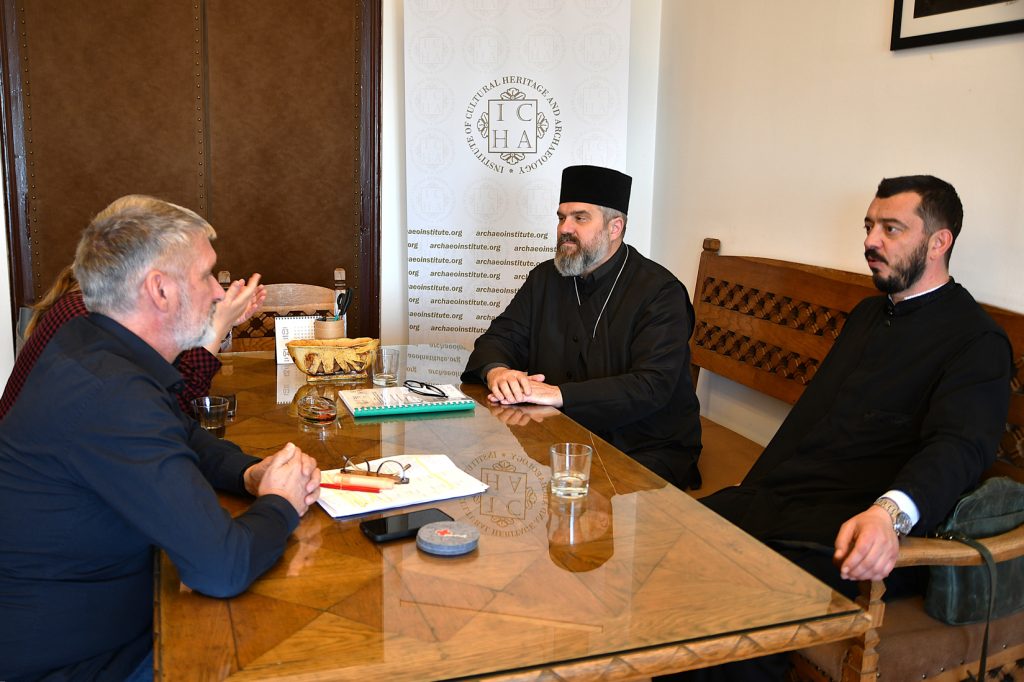
On the occasion of the European Heritage Days 2025, our Institution, in cooperation with Institute of Cultural Heritage and Archaeology and Humboldt University California is organizing the First International Symposium on Theoretical Mediterranean Archaeology – LYCHNIDA in Ohrid from September 19-21. International Director of the Symposium is Ambassador Prof. Dr. Ljuben Tevdovski from the Institute of History and Archaeology, Goce Delchev University – Shtip, President of the International Scientific Board is Academician Prof. Dr. Miguel John Versluys, from Laiden University and Vice-President Professor Dr. Emanuela Borgia from Sapienza University – Rome.

Book promotion: OHRID FORTRESS – Coins of the Roman Republic, the Roman Empire and their provinces (211 BC-238 AD)

On the occasion of May 18, International Museum Day, the book was promoted OHRID FORTRESSCoins of the Roman Republic, the Roman Empire and their provinces (211 BC-238 AD) By the author Danica Razmovska Bacevska.

The promotion was held at the Hristo Uzunov Memorial House at 12:00, with the presence of colleagues, numismatics enthusiasts, and family members.

The host was the director, MA Goran Patchev, with a reference to the International Museum Day as a holiday of museums and a discussion about the universal idea of museums without borders as a topic of interest for this year’s celebration, i.e. the networking of museums that cooperate for the purpose of enriching and modernizing museum narratives and inclusiveness. In this sense, the cooperation in the museum networks of ICOM, the Balkan Museum Network (BMN) and the Network of European Fortified Cities (Forte Cultura) was mentioned.

The promoter, Jordanka Matova, spoke about the work and the author, and the author herself gave a detailed presentation of the content of the publication, which is undoubtedly of great importance for world numismatics.

The circulation of coins in the Ohrid Fortress from the 3rd century BC to the 3rd century AD confirms the fact of Lychnidos, as a regional center in the ancient period. The diversity and richness of the exhibited numismatic material from Lychnidos is a result of its geographical position and the mineral wealth in ancient Macedonia, which led to a strong monetary production that was the basis for the internal and external stock exchange in the trade of that time in these Ohrid Region.