slide 1
Image Slide 1
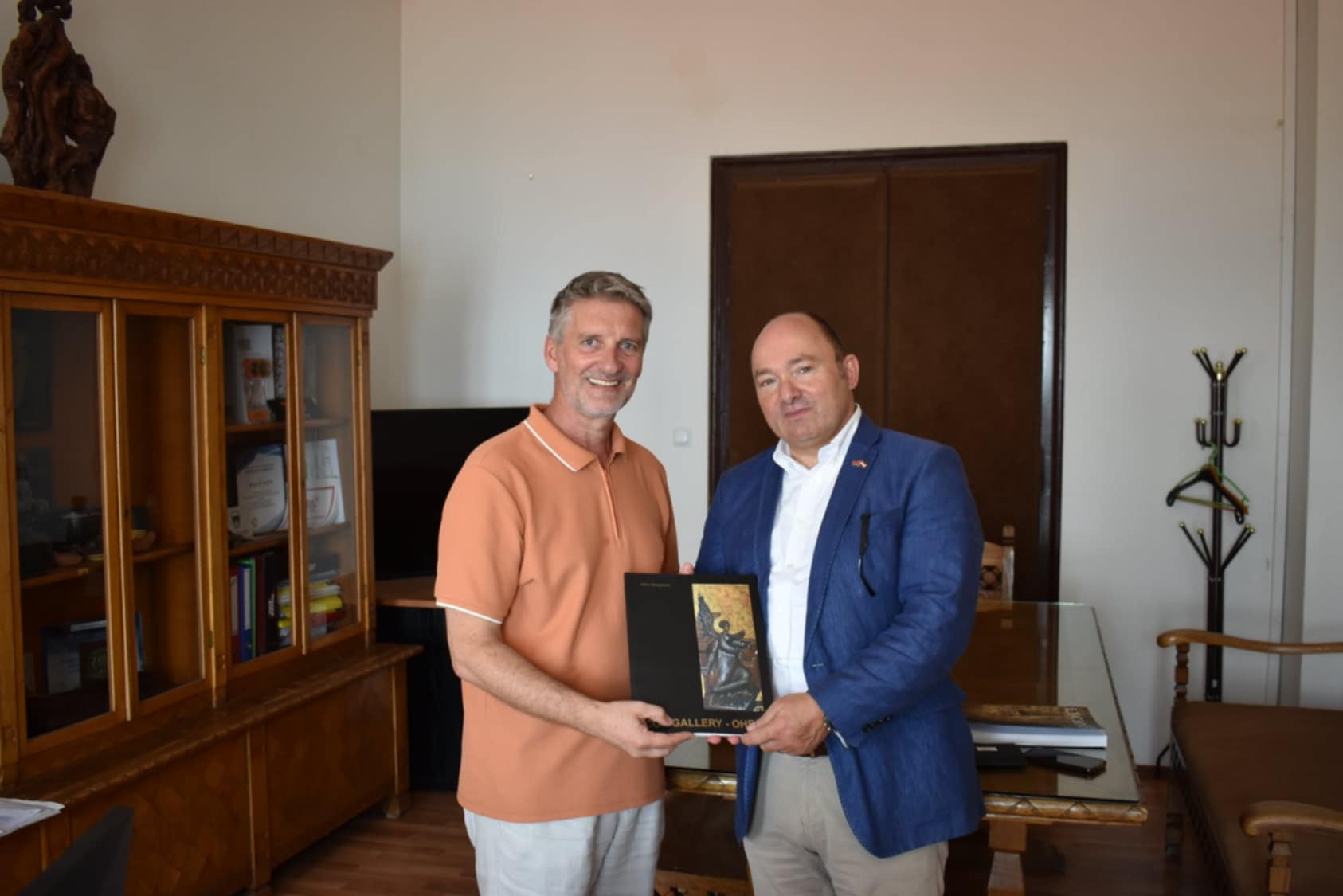
ADMINISTRATIVE BUILDING "RADNICHKA"
previous arrowprevious arrow
next arrownext arrow
Shadow

NATURAL AND CULTURAL HERITAGE OF THE OHRID REGION 

Ancient Ohrid, living witness to the cultural competition of the civilizations that have left a lasting mark of their existence and presence in the region, dominates on the Macedonian shore of Ohrid Lake, proud of its millennium history which makes it one of the oldest cities in the Balkans.

Its current residents, who have the privilege to live in this clean environment rich in cultural values, jealously guard and cherish the long tradition and have always unselfishly shared their rich cultural heritage with numerous tourists from all over the world.

Only in the wider region of Ohrid there are over 250 archaeological sites from the Neolithic period through Antiquity until the late Middle Ages, then, more than 50 churches and monasteries, from 5th to 19th century, forts with walls long over 3,000 meters, approximately 60 buildings of the old city architecture and more than 2.500m2 medieval frescoes and around 1.000m2 floor mosaics.

The movable cultural heritage is represented by more than 2,000 icons from the period from the 11th to 19th century, 119 Greek and Slavic manuscripts written on parchment and paper, 39 Glagolitic epigraphic monuments, about 1,500 rare and old printed books, and thousands of other museum objects-archaeological, numismatic, ethnological, historical documents and works of contemporary art.

Due to the outstanding universal natural, cultural and historical values that are seen in the synthesis of the primal nature and ancient built heritage, long known and recognized in the world, the lake and the town Ohrid with all their cultural heritage have been placed on the World Heritage List of UNESCO.

First, in 1979, the World Heritage Committee decided to put Ohrid Lake. i.e. the part that belongs to Macedonia (then part of Yugoslavia) in the World Heritage List under natural criteria (III).

Next, in 1980, the Committee decided to extend the protected area of the city including the cultural and historical values, according to cultural criteria (I), (III) and (IV), under the name “Ohrid region with its cultural and historical aspects and its natural surroundings”. At the request of the Republic of Macedonia, on the thirtieth session of the World Heritage Committee in 2006, the name of the protected area of the city was changed to: “Natural and Cultural Heritage of the Ohrid region”.


Contact

Office opening hours

Tickets

Address

Events

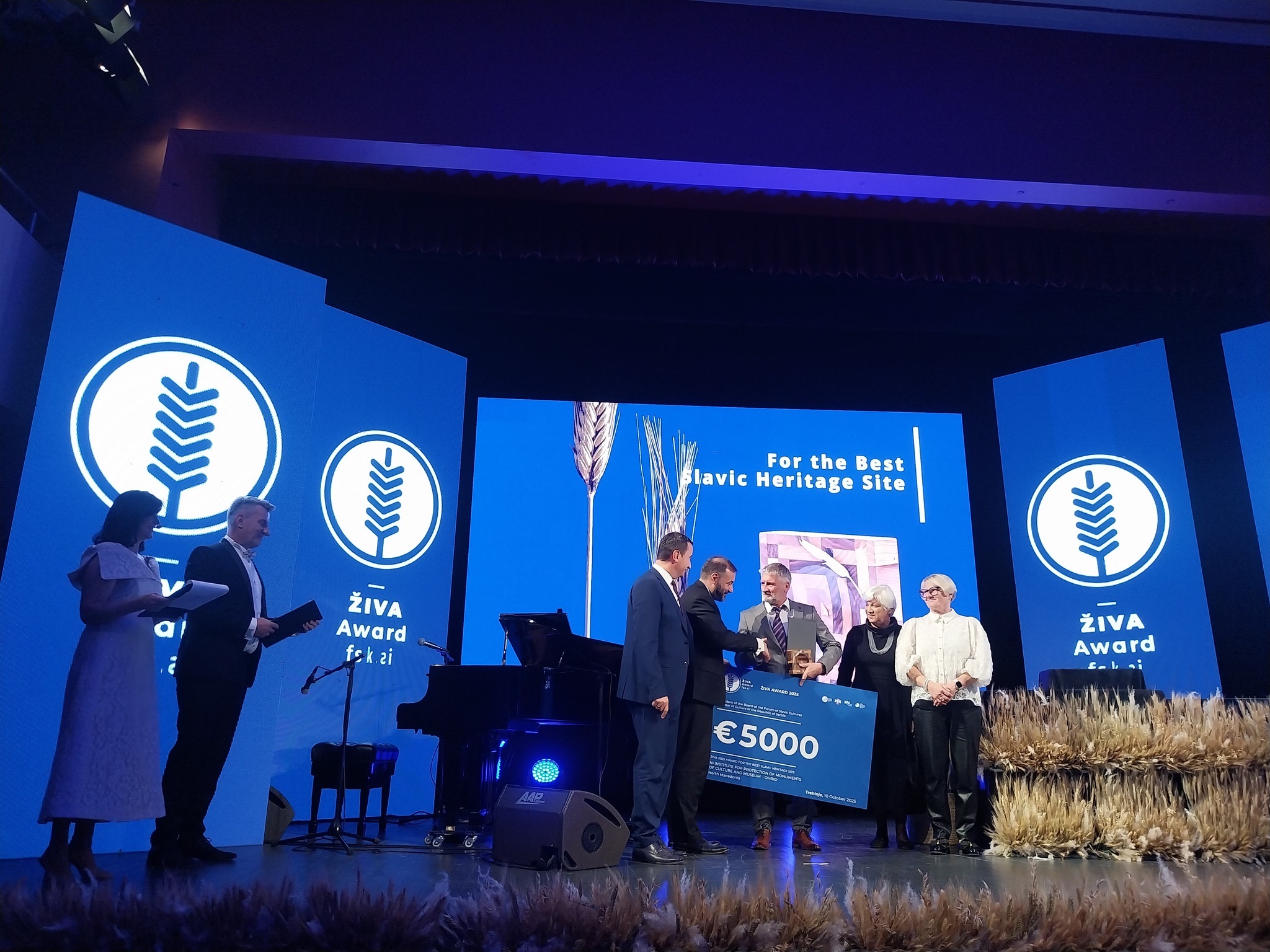
Between 8 and 11 October 2025, the Forum of Slavic Cultures (FSK) celebrated the 11th edition of the Živa Award with an …

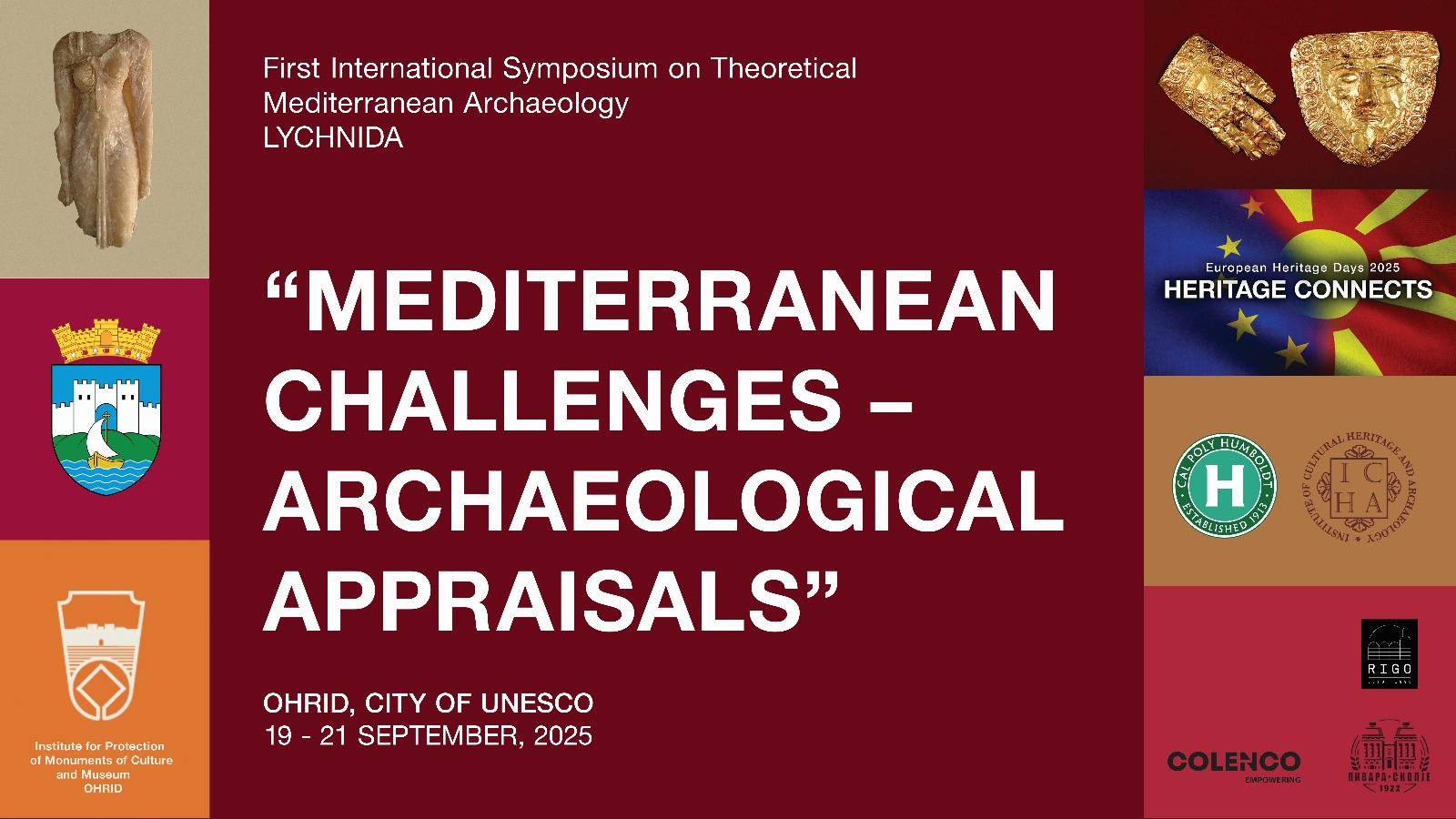
On the occasion of the European Heritage Days 2025, our Institution, in cooperation with Institute of Cultural Heritage and Archaeology and Humboldt …

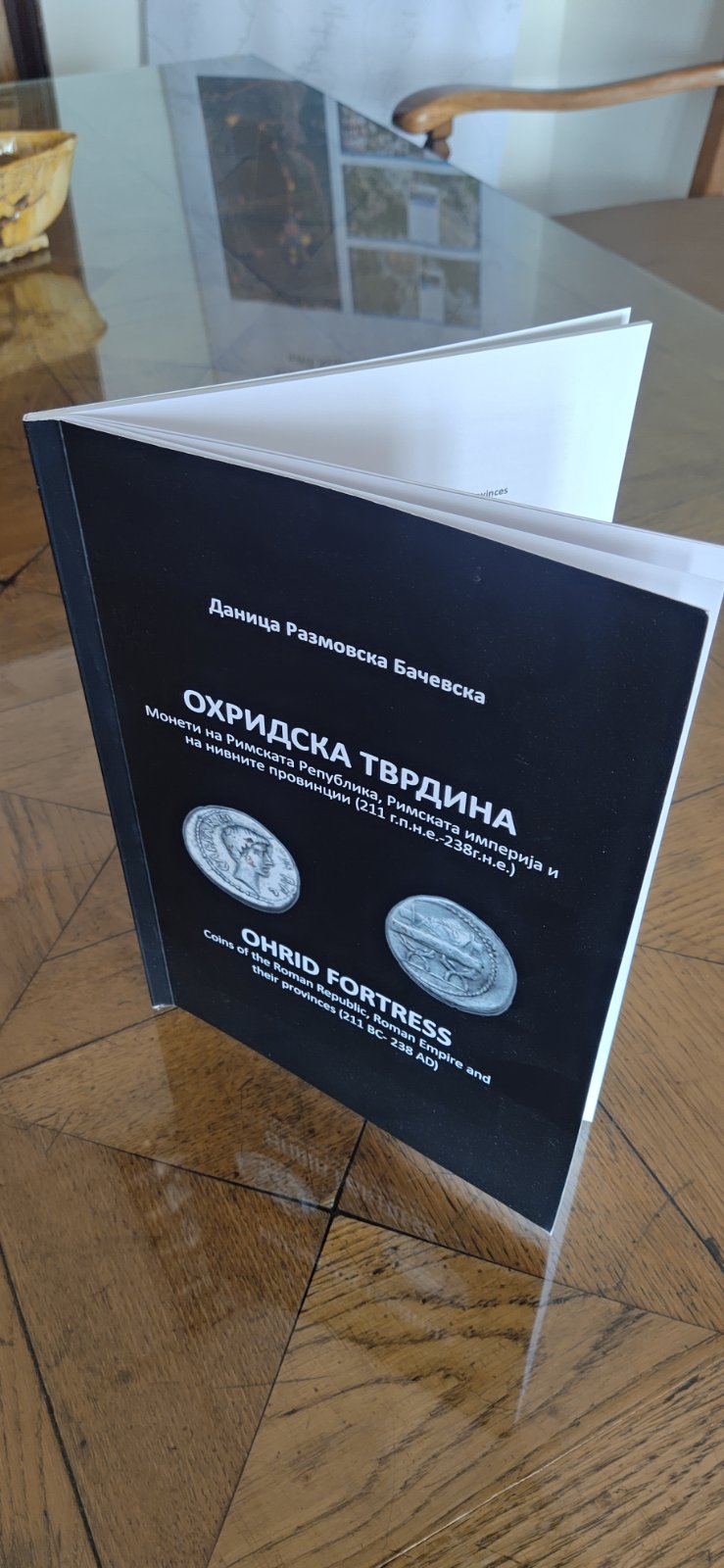
On the occasion of May 18, International Museum Day, the book was promoted OHRID FORTRESS – Coins of the Roman Republic, the …

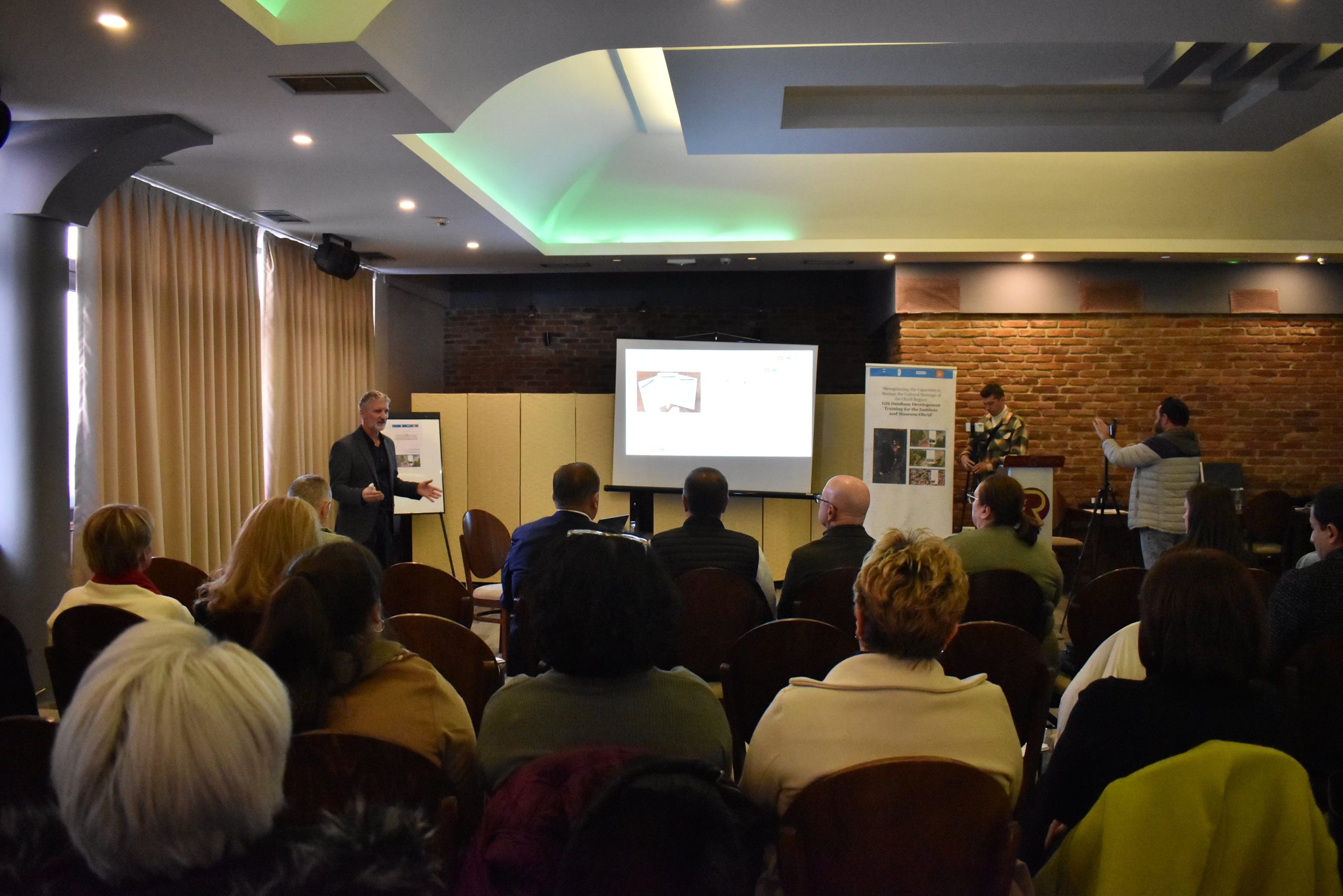
Presentation of the GIS platform

The Institute for protection of monuments of culture and Museum – Ohrid, organized a closing event for the Presentation of the GIS …

I had the honor to meet the Austrian Ambassador, His Excellency Mr. Martin Pammer, on the occasion of the Austrian Day as …

Our team of experts from Institution for the protection of cultural heritage and Museum Ohrid, together with international and domestic experts, visited …

Museum buildings

House of Robev Family Address: “Tsar Samoil Street” No. 62, 6000 Ohrid. Open:  Winter period: from 01 October to 30 April in one …

Icon Gallery Address:“Klimentov Univerzitet Street” bb, 6000 Ohrid. Open: Winter period: from 01 October to 30 April from 09:00 to 14:00, non-working …

Administrative building “Radnichka” Address:“Boro Shain Street” No. 10, 6000 Ohrid        Open:from Monday to Friday from 07:30 to 15:30   Google map  …

Memorial House of Hristo Uzunov Address:“Tsar Samoil Street” No. 45, 6000 Ohrid. Open:from Monday to Friday from 07:30 to 15:30     …

Memorial House of Grigor Prlichev Address:“Grigor Prlichev Street” No. 66, 6000 Ohrid. Google map  The old birth house of Grigor Prlichev was …

Museum on Water Prehistoric settlement in the Bay of Bones near Gradishte on Ohrid Lake Address:Village of Peshtani, Gradishte, 6000 Ohrid. Working …

Museum and Cultural Center “Lapidarium” Address:” Tsar Samoil Street ” No. 62, 6000 Ohrid. Google map  On the occasion of Anniversaries “485 …

Tsar Samuel’s Fortress Ohrid fortress, the symbol of the city without which its urban physiognomy and history can not be imagined is …

Antique Theater Ohrid Antique Theater is located at the foot of the eastern slope of the higher Ohrid hill, under Samuel’s Fortress, …

Plaoshnik The site Plaoshnik is located in the southern foot of the higher (western) hill of Ohrid, on a flattened plateau between …

7

Museum buildings

6

Archaeological sites

6

Museum collections

150000+

Visitors per year